Table of Contents >> Show >> Hide
- What Is Pleurodesis?
- Why Would Someone Need Pleurodesis?
- Common Side Effects of Pleurodesis
- Pleurodesis Complications: What Can Go Wrong?
- Recovery After Pleurodesis
- When to Call the Doctor After Pleurodesis
- Pleurodesis vs. Indwelling Pleural Catheter
- Examples of How Pleurodesis Fits into Real Care
- What Patients Often Experience: The Human Side of Pleurodesis
- Final Thoughts
Pleurodesis is one of those medical words that sounds like it belongs in a spelling bee final round, but its purpose is actually very practical: it helps stop air or fluid from building up around the lungs again. When fluid keeps returning in the pleural space, or a lung keeps collapsing like it missed the memo about staying inflated, pleurodesis can be a useful next step.
This procedure is most often used for recurrent pleural effusions, including malignant pleural effusions, and for certain cases of recurrent or persistent pneumothorax. The big goal is not glamour, not drama, and definitely not extra hospital visits. The goal is simple: help the lung stay expanded, improve breathing, and reduce the chance that the same problem keeps coming back.
If you or someone you love is facing pleurodesis, the biggest questions are usually the most human ones: How bad does it hurt? What can go wrong? How long is recovery? And when does “normal” start feeling normal again? This guide breaks down what pleurodesis is, its common complications and side effects, and what recovery usually looks like in real life.
What Is Pleurodesis?
Pleurodesis is a procedure that seals the pleural space, which is the thin space between the lung and the chest wall. Normally, that space allows the lungs to glide smoothly when you breathe. But when air or fluid keeps collecting there, breathing can become painful, difficult, or both.
To fix that, a clinician intentionally causes the two layers of pleura to stick together. Once the pleural layers adhere, there is much less room for fluid or air to collect again. Think of it as politely closing a gap that has been causing a lot of trouble.
Chemical Pleurodesis
Chemical pleurodesis is the most familiar version. After the fluid or air is drained, a medication or agent is placed into the pleural space through a chest tube or during thoracoscopy. Talc is one of the most commonly used agents, though doxycycline, bleomycin, and other substances may also be used depending on the situation and the treating team’s approach.
Mechanical Pleurodesis
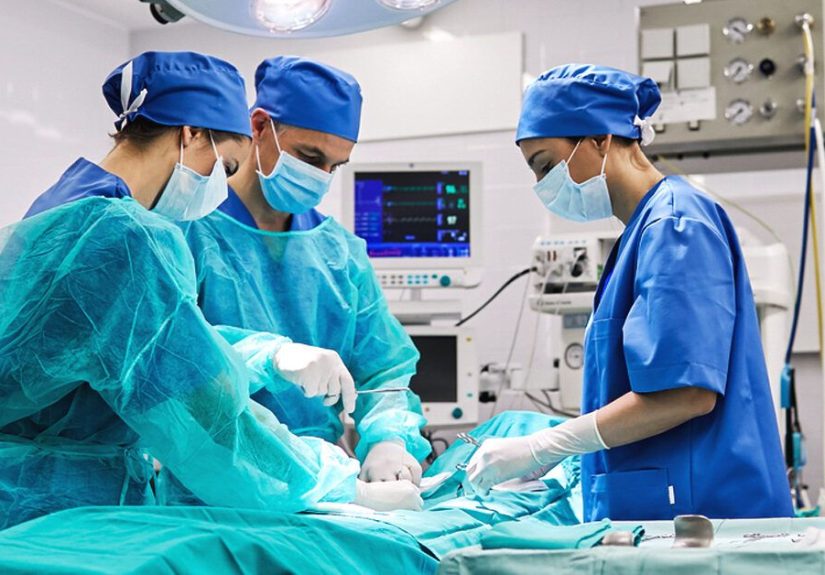
Mechanical pleurodesis is usually done during surgery, often with a minimally invasive approach such as video-assisted thoracoscopic surgery, or VATS. Instead of using a chemical agent alone, the surgeon gently irritates the pleural surfaces so they scar together. This approach is commonly discussed in cases of recurrent pneumothorax or when another thoracic procedure is already being performed.
Why Would Someone Need Pleurodesis?
Pleurodesis is not usually the first move. In many cases, doctors first drain the fluid or air and see how things go. But when the problem keeps returning, pleurodesis becomes more attractive.
Recurrent Pleural Effusion
A pleural effusion is a buildup of fluid around the lungs. When it returns again and again, it can cause shortness of breath, chest pressure, and fatigue. Malignant pleural effusion is one of the most common reasons pleurodesis is considered. In that setting, the procedure is used to control symptoms and reduce repeat drainage procedures. It does not treat the cancer itself, but it can improve comfort and breathing.
Recurrent or Persistent Pneumothorax
Pleurodesis may also be recommended for a collapsed lung that keeps coming back or for an air leak that does not resolve as expected. In those cases, the goal is to reduce recurrence and help the lung stay expanded long term.
When Pleurodesis May Not Work Well
Not every lung is a perfect candidate. One important issue is whether the lung can fully re-expand after the air or fluid is drained. If the lung cannot expand well because of scarring, tumor involvement, or what clinicians sometimes call a trapped or non-expandable lung, pleurodesis is less likely to succeed. In those cases, an indwelling pleural catheter may be a better fit.
Common Side Effects of Pleurodesis
Most side effects are temporary, but that does not mean they are fun. Nobody leaves the hospital saying, “Wow, what a relaxing lung experience.” The good news is that many side effects are expected, manageable, and improve as healing moves along.
Chest Pain and Soreness
Chest pain is one of the most common complaints after pleurodesis. The pain may come from the inflammation that helps the pleural layers stick together, the chest tube itself, the surgical incisions, or all three teaming up like a very rude band. The discomfort may feel sharp, achy, or worse with deep breathing, coughing, or movement.
Shortness of Breath
It may sound ironic that a procedure meant to improve breathing can temporarily make breathing feel harder, but that does happen. Some people feel short of breath right after the procedure because of pain, inflammation, temporary changes in lung expansion, or the lingering effects of surgery and anesthesia.
Fatigue
Fatigue is common after pleurodesis, especially if it is done with surgery or after a hospital stay. The body is healing, sleep in the hospital is famously terrible, and breathing problems are exhausting in the first place. Feeling wiped out for days or a couple of weeks is not unusual.
Incision and Chest Tube Discomfort
Even after the chest tube is removed, soreness around the insertion site can linger. Some people notice mild drainage from the site for a short time. That can be normal, as long as the drainage is limited and there are no signs of infection.
Temporary Oxygen Changes
Some patients have a temporary drop in oxygen levels after pleurodesis and may need monitoring, oxygen support, or extra time in the hospital. This is one reason the care team watches chest X-rays, drainage output, and breathing status closely before discharge.
Pleurodesis Complications: What Can Go Wrong?
Complications are less common than routine side effects, but they matter. A good recovery plan starts with knowing what is expected and what deserves a call to the medical team.
Failure of the Pleurodesis
One of the most important complications is simply that the procedure may not work as hoped. Fluid may return, air may leak again, or the lung may fail to stay fully expanded. This may happen if the lung does not re-expand well, if disease in the pleura is extensive, or if the underlying condition is especially stubborn.
When pleurodesis fails, doctors may consider repeating the procedure, using a different method, or switching to another option such as an indwelling pleural catheter.
Infection
Any time a chest tube, incision, or surgical procedure is involved, infection is a possible complication. Warning signs include redness, swelling, warmth, worsening drainage, fever, or chills. Infection risk may be higher in patients who are already medically fragile or dealing with cancer treatment.
Bleeding
Bleeding around the lung or from incision sites can occur, though it is not among the most common outcomes. Patients who use blood thinners or have bleeding disorders may need extra planning before the procedure.
Collapsed Lung or Persistent Air Leak
Ironically, pneumothorax can also appear as a complication of pleural procedures. Persistent air leaks may delay chest tube removal and extend the hospital stay. Sometimes that means more imaging, more monitoring, and more patience than anyone wanted to sign up for.
Severe Breathing Problems
Serious respiratory complications are rare, but they are the ones that get everyone’s attention. These may include significant oxygen problems or severe inflammatory reactions. Modern, purified, graded talc preparations are generally considered safe, and major hypoxemic events appear to be uncommon with current use, but “rare” still means clinicians take breathing changes seriously.
Complications Related to the Bigger Picture
Sometimes the procedure itself goes fine, but the underlying disease remains the harder issue. In malignant pleural effusion, for example, pleurodesis can improve symptoms without changing the course of advanced cancer. In recurrent pneumothorax, it may reduce recurrence without curing the underlying lung disorder that made the collapse possible in the first place.
Recovery After Pleurodesis
Recovery depends on why pleurodesis was done, whether it was chemical or surgical, the patient’s overall health, and whether any complications occur. But there are a few common patterns.
Hospital Stay
Many patients stay in the hospital for a few days after pleurodesis. During that time, the care team watches breathing, drainage, pain control, and chest X-rays. The chest tube usually stays in place until the lung is expanded and drainage has dropped to an acceptable level.
The First Few Weeks at Home
At home, it is common to feel sore when breathing deeply, moving, twisting, coughing, or getting up from bed. Activity usually returns gradually. Walking is often encouraged because it supports lung function and circulation, but heavy lifting and strenuous activity usually need to wait until the surgical team clears them.
Many people need extra rest for several weeks. Some can return to light daily tasks fairly quickly, while others feel like climbing a single flight of stairs deserves its own trophy ceremony. Both can be normal depending on the procedure and the reason it was needed.
Wound and Chest Tube Site Care
Once the chest tube is removed, the area may stay tender for a while. Bandage care matters. Mild drainage can happen for a short time, but worsening redness, thick drainage, increasing pain, or warmth around the site should be reported. Showering is usually allowed once the team says it is safe, but soaking in tubs or pools typically waits longer.
Breathing Exercises and Follow-Up
Some patients are asked to use a breathing device or practice deep-breathing exercises after surgery. Follow-up imaging is often scheduled to make sure the lung is still expanded and the fluid or air has not returned. If your team gives you a timeline for repeat X-rays, take it seriously. This is one of those times when being a good follow-up student really does matter.
When to Call the Doctor After Pleurodesis
Call your medical team right away if you have worsening chest pain, trouble breathing, fever or chills, redness or swelling at the chest tube site, leaking fluid that looks infected, significant bleeding, coughing up blood, or a sudden return of the symptoms that led to the procedure in the first place.
In plain English: if your body seems to be yelling instead of whispering, do not wait it out just to be polite.
Pleurodesis vs. Indwelling Pleural Catheter
For recurrent malignant pleural effusion, pleurodesis is not the only option. An indwelling pleural catheter can allow repeated drainage at home and may be preferred when the lung does not fully expand, when hospital time needs to be minimized, or when patient preference leans toward home management.
Neither option is universally “better.” Pleurodesis may reduce the need for ongoing drainage equipment, while a pleural catheter may mean shorter initial hospitalization and more flexibility at home. The right choice depends on anatomy, symptoms, the underlying disease, expected survival, caregiver support, and what matters most to the patient.
Examples of How Pleurodesis Fits into Real Care
Example 1: Recurrent Cancer-Related Pleural Effusion
A patient with metastatic cancer develops repeated pleural effusions and keeps returning for drainage because the fluid reaccumulates quickly. Breathing improves after thoracentesis, and the lung re-expands well. In that scenario, pleurodesis may be recommended to reduce future fluid buildup and cut down on repeat procedures.
Example 2: Recurrent Spontaneous Pneumothorax
A younger adult has a collapsed lung, improves with a chest tube, then has another collapse months later. If recurrence continues or an air leak persists, VATS with pleurodesis may be recommended to help prevent more episodes.
What Patients Often Experience: The Human Side of Pleurodesis
Medical summaries are useful, but they rarely capture what pleurodesis feels like. The real-world experience tends to have a few common themes.
First, many patients say the hardest part is not always the pleurodesis itself, but everything surrounding it: the repeated shortness of breath, the uncertainty before the procedure, the chest tube discomfort, and the anxiety of waiting to hear whether the lung stayed expanded. When people have had multiple fluid drainages or repeated lung collapses, pleurodesis often feels like the moment the care plan shifts from “let’s keep fixing this again” to “let’s try to stop this from coming back.” That shift can bring relief, but also a lot of fear.
Second, recovery is often slower and more uneven than patients expect. Some people go home within a few days and begin improving steadily. Others feel better in one way and worse in another. Breathing may improve before stamina does. Chest pressure may be gone, but soreness may still make deep breaths unpleasant. One day can feel encouraging, and the next can feel like a step backward just because coughing, twisting, or sleeping flat suddenly becomes annoying again. That does not always mean something is wrong. Sometimes it just means healing is not a straight line.
Third, patients often describe the chest tube as the least glamorous star of the whole experience. Even after it is removed, the site can stay sore, tender, or just plain cranky. Some people notice mild drainage for a short time and worry the procedure failed, when in fact the area may simply still be healing. Good discharge instructions and easy access to the care team make a huge difference here.
Fourth, many people talk about how emotional the recovery can be. A person treated for malignant pleural effusion may feel grateful for easier breathing while still carrying the weight of cancer treatment. A person treated for recurrent pneumothorax may feel physically improved but mentally stuck waiting for the next chest pain to prove them wrong. That emotional whiplash is real. Relief and anxiety can absolutely travel together.
Support at home matters more than most patients expect. Help with meals, rides, bandage changes, and simple encouragement can make recovery feel far less overwhelming. Patients who do well often describe a slow rebuilding phase: short walks, deeper breaths, less pain, more confidence, and eventually a return to routines that once seemed far away.
The most encouraging theme is that many people do regain function and feel meaningful improvement after pleurodesis. Not instantly. Not magically. But gradually. Breathing becomes less dramatic, stairs become less insulting, and daily life starts to feel like daily life again instead of a full-time negotiation with the lungs.
Final Thoughts
Pleurodesis is not a minor event, but it is a well-established tool for managing recurrent pleural effusions and certain cases of pneumothorax. The most common side effects include chest pain, soreness, shortness of breath, and fatigue. Potential complications include infection, bleeding, persistent air leak, failure of the procedure, and rarely serious breathing problems.
Recovery usually involves a hospital stay, chest tube monitoring, gradual return to activity, and careful attention to warning signs once home. The best candidates are often those whose lungs re-expand well after drainage. For others, a pleural catheter or another strategy may make more sense.
The bottom line is this: pleurodesis can be uncomfortable, but for the right patient it can also be a turning point. Fewer repeat procedures, better breathing, and a little more control over daily life are meaningful wins. And when your lungs have been causing chaos, meaningful wins count for a lot.
Note: This article is for educational purposes only and should not replace medical advice from a licensed clinician who knows the patient’s history, imaging, and overall condition.