Table of Contents >> Show >> Hide
- What Is Pineapple Rum Flambé?
- Why Pineapple and Rum Work So Well Together
- Choosing the Best Pineapple
- Essential Ingredients for Pineapple Rum Flambé
- Simple Pineapple Rum Flambé Recipe
- Flambé Safety: How to Make Fire Your Friend, Not Your News Headline
- Does the Alcohol Completely Burn Off?
- Best Ways to Serve Pineapple Rum Flambé
- Flavor Variations Worth Trying
- Common Mistakes and How to Fix Them
- Make-Ahead and Storage Tips
- Real-Life Experiences With Pineapple Rum Flambé
- Conclusion
Pineapple Rum Flambé is what happens when a tropical fruit walks into a hot skillet, meets butter and brown sugar, and decides to make a dramatic entrance. It is sweet, glossy, lightly smoky, and just theatrical enough to make dinner guests pause mid-conversation. The flames may last only a few seconds, but the flavorcaramelized pineapple, warm rum, citrusy brightness, and a little vanilla-ice-cream magicsticks around much longer.
This dessert feels fancy, but it is not fussy. You do not need a pastry degree, a restaurant kitchen, or a chef’s hat tall enough to signal aircraft. You need ripe pineapple, good rum, a sturdy skillet, a long lighter, and a calm respect for open flame. When prepared correctly, pineapple rum flambé is one of the easiest showstopper desserts you can make at home.
Below, you will find a complete guide to making pineapple rum flambé, including ingredient tips, safety steps, flavor variations, serving ideas, troubleshooting advice, and real-world hosting experiences. The goal is simple: big flavor, controlled fire, zero panic.
What Is Pineapple Rum Flambé?
Pineapple rum flambé is a warm dessert made by sautéing pineapple in butter and sugar, adding rum, and briefly igniting the alcohol vapors. The flame burns quickly, leaving behind a rich sauce with tropical fruit flavor, caramel notes, and a mellow rum finish.
The word “flambé” comes from the French word for “flamed.” In cooking, it refers to adding alcohol to hot food and lighting it to create a burst of flame. The technique is famous in classic desserts like Bananas Foster, Cherries Jubilee, and crêpes Suzette. Pineapple is especially good for flambé because its natural acidity keeps the dessert lively while its sweetness deepens beautifully in a hot pan.
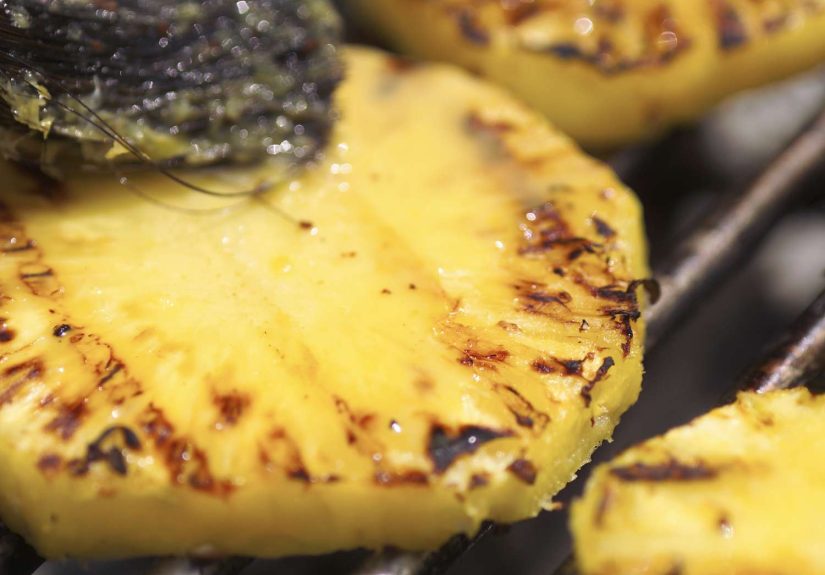
Think of it as grilled pineapple’s glamorous cousinthe one who shows up late, wearing sunglasses indoors, and somehow gets away with it.
Why Pineapple and Rum Work So Well Together
Pineapple and rum are a natural pairing because both bring tropical personality to the pan. Pineapple offers bright acidity, juicy sweetness, and a lightly floral aroma. Rum brings warmth, sugarcane depth, vanilla-like notes, and sometimes hints of spice, oak, molasses, banana, coconut, or caramel depending on the style.
Dark rum gives pineapple rum flambé a deeper flavor, especially when combined with brown sugar and butter. Gold rum creates a smoother, lighter sauce. Coconut rum can be fun, but it is sweeter and more dessert-forward, so reduce the sugar slightly if using it. Spiced rum adds cinnamon, clove, nutmeg, and vanilla notes, making the dish feel cozy enough for a holiday table.
The magic happens when pineapple browns. As moisture cooks off, the fruit concentrates and the sugar begins to caramelize. Brown sugar adds molasses flavor, butter adds richness, and rum ties everything together with a warm, aromatic finish.
Choosing the Best Pineapple
A great pineapple rum flambé starts before the skillet ever hits the stove. Choose a pineapple that feels heavy for its size, has a sweet aroma near the base, and gives slightly when pressed. Avoid fruit with mold, leaking juice, fermented smells, or very soft spots. Pineapple does not become much sweeter after harvest, so what you buy is close to what you cook.
Fresh pineapple gives the best flavor and texture. It browns well, holds its shape, and tastes bright after cooking. Canned pineapple can work in a pinch, especially rings packed in juice, but it should be drained thoroughly and patted dry. Too much moisture turns the sauce watery and slows down browning.
Fresh Pineapple vs. Canned Pineapple
Use fresh pineapple when you want the dessert to feel restaurant-worthy. Cut it into rings, wedges, or thick spears. Rings look elegant over ice cream, while spears are easy to flip and plate. Cubes work well for parfaits, pancakes, waffles, and pound cake.
Use canned pineapple when speed matters. It is convenient, consistent, and already peeled. However, because canned fruit is softer and wetter, it needs a hotter pan and a little patience. Pat each piece dry with paper towels before cooking. That one small step can mean the difference between caramelized pineapple and pineapple soup with self-esteem issues.
Essential Ingredients for Pineapple Rum Flambé
The classic ingredient list is short, which means every choice matters. You do not need rare ingredients, but you do need balance.
- Pineapple: Fresh, ripe pineapple is ideal. Cut it into 1/2-inch-thick rings, spears, or wedges.
- Butter: Unsalted butter gives richness and helps create a silky sauce.
- Brown sugar: Light brown sugar gives mild caramel flavor; dark brown sugar adds stronger molasses depth.
- Rum: Dark, gold, or spiced rum works best. Avoid extremely high-proof alcohol for home flambé.
- Lime juice: A small splash brightens the sauce and prevents it from tasting too heavy.
- Cinnamon or nutmeg: Optional, but excellent for warmth.
- Vanilla ice cream: Not required, but highly recommended by anyone with taste buds.
Simple Pineapple Rum Flambé Recipe
Yield
Serves 4
Prep Time
10 minutes
Cook Time
8 to 10 minutes
Ingredients
- 1 medium ripe pineapple, peeled, cored, and sliced into rings or spears
- 3 tablespoons unsalted butter
- 1/3 cup packed light or dark brown sugar
- 1/4 teaspoon ground cinnamon
- Pinch of salt
- 1 tablespoon fresh lime juice
- 1/3 cup dark rum, gold rum, or spiced rum
- Vanilla ice cream, toasted coconut, or pound cake, for serving
Instructions
- Prepare the fruit. Pat the pineapple pieces dry. This helps them brown instead of steam.
- Melt the butter. Place a large stainless-steel or cast-iron skillet over medium heat. Add butter and let it melt until foamy.
- Add sugar and spice. Stir in brown sugar, cinnamon, and salt. Cook for 1 to 2 minutes until the mixture looks glossy and begins to bubble.
- Sear the pineapple. Add pineapple in a single layer. Cook for 2 to 3 minutes per side, until golden at the edges.
- Add lime juice. Stir gently to brighten the sauce.
- Prepare to flambé. Turn off the burner. Remove the pan from direct heat. Keep your face, hair, sleeves, towels, and overhead cabinets away from the skillet.
- Add the rum safely. Pour measured rum from a small cup, never from the bottle. Return the pan to low heat if needed, then use a long lighter to ignite the vapors at the edge of the pan.
- Let the flame die down. The flame should burn briefly. Gently shake the pan only if you feel comfortable. When the flame disappears, stir the sauce.
- Serve immediately. Spoon pineapple and sauce over vanilla ice cream, pound cake, coconut sorbet, waffles, pancakes, or Greek yogurt.
Flambé Safety: How to Make Fire Your Friend, Not Your News Headline
Pineapple rum flambé is fun, but it still involves flame. Treat it with respect. Before lighting anything, clear the cooking area. Move paper towels, curtains, wooden utensils, potholders, and loose packaging away from the stove. Turn off the exhaust fan so it does not pull flames upward. Keep children, pets, and overly enthusiastic guests away from the pan.
Always measure the rum into a small heatproof cup before adding it to the skillet. Never pour alcohol directly from the bottle into a hot pan. A flame can travel into the bottle, and that is not the kind of “tableside drama” anyone wants.
Keep a metal lid or baking sheet nearby. If the flame seems too high, cover the pan to cut off oxygen. Do not use water on a pan fire. Water can spread burning fat or hot sugar and make the situation worse. Also, avoid flambéing under low cabinets, close to curtains, or while wearing loose sleeves.
For most home cooks, an 80-proof spirit, which is about 40% alcohol by volume, is the practical choice. Lower-alcohol liquids may not ignite well, while very high-proof spirits can create aggressive flames. The goal is a quick, controlled blue-orange flare, not a kitchen volcano.
Does the Alcohol Completely Burn Off?
No. This is one of the biggest myths about flambé. The flame burns off some alcohol, but not all of it. A flambéed dessert can still contain alcohol after the flames disappear. For people avoiding alcohol, including children, pregnant guests, people in recovery, or anyone who abstains for medical, religious, or personal reasons, offer a nonalcoholic version.
To make pineapple “flambé-style” without alcohol, skip the ignition step and use pineapple juice, orange juice, a splash of vanilla extract, lime juice, and a small spoonful of molasses. You will not get flames, but you will get a glossy tropical sauce with plenty of charm. The dessert will still taste special, and nobody has to explain why dessert briefly looked like a dragon.
Best Ways to Serve Pineapple Rum Flambé
The classic way to serve pineapple rum flambé is over vanilla ice cream. The contrast is unbeatable: hot pineapple, cold ice cream, buttery rum sauce, and a small puddle of melted vanilla cream forming underneath. It is simple, dramatic, and reliable.
For a more elegant dessert, place flambéed pineapple rings over slices of toasted pound cake and spoon the sauce on top. Add whipped cream and toasted coconut for a tropical shortcake effect. For brunch, serve the pineapple over French toast, waffles, pancakes, or crepes. A spoonful over thick Greek yogurt with granola turns leftovers into a breakfast that tastes suspiciously like vacation.
Pineapple rum flambé also works in savory settings. Serve warm pineapple spears with grilled pork chops, roasted ham, jerk chicken, or coconut rice. The sweet acidity cuts through rich meat beautifully. Just reduce the sugar slightly if using the pineapple as a savory side dish.
Flavor Variations Worth Trying
Coconut Pineapple Rum Flambé
Use coconut rum and finish with toasted coconut flakes. Serve with coconut ice cream or coconut sorbet for a full island-style dessert.
Spiced Pineapple Rum Flambé
Add cinnamon, nutmeg, clove, and a strip of orange zest to the butter-sugar mixture. This version is excellent for fall and winter gatherings.
Vanilla-Lime Pineapple Flambé
Add a teaspoon of vanilla after the flame dies down and finish with extra lime zest. The result is bright, fragrant, and balanced.
Bananas Foster-Inspired Pineapple Flambé
Add sliced bananas during the final minute of cooking, then serve everything over ice cream. The bananas soften quickly, so do not overcook them unless you want tropical puddingwhich, to be fair, is not the worst accident.
Chili-Lime Pineapple Rum Flambé
Add a pinch of cayenne or ancho chile powder to the brown sugar. The heat plays beautifully with rum and pineapple, especially when served with vanilla ice cream.
Common Mistakes and How to Fix Them
The Pineapple Is Watery
The fruit was probably too wet or the pan was crowded. Pat pineapple dry and cook in a single layer. If needed, cook in batches.
The Sauce Is Grainy
The sugar may not have fully dissolved. Keep the heat moderate and stir the butter and brown sugar until glossy before adding pineapple.
The Rum Will Not Ignite
The pan may be too cool, or the alcohol content may be too low. Warm the sauce gently and try again with a long lighter. Do not keep adding more rum.
The Flame Is Too High
Cover the pan with a metal lid or baking sheet and turn off the heat. Let the pan sit until the flame is out and the sauce calms down.
The Dessert Tastes Too Sweet
Add lime juice, a pinch of salt, or serve with unsweetened yogurt instead of ice cream. Pineapple loves acidity, and lime is the referee that keeps sugar from taking over the game.
Make-Ahead and Storage Tips
Pineapple rum flambé is best served immediately, but you can prep several parts ahead. Cut the pineapple up to one day in advance and store it in an airtight container in the refrigerator. Measure the brown sugar, spices, and serving toppings before guests arrive. The actual cooking takes less than 10 minutes.
Leftovers can be refrigerated in a sealed container for up to three days. Rewarm gently in a skillet over low heat or microwave in short bursts. Do not flambé leftovers again. Once is charming; twice is asking the dessert to perform overtime.
Real-Life Experiences With Pineapple Rum Flambé
The first time many home cooks make pineapple rum flambé, they expect the hardest part to be the fire. Surprisingly, the hardest part is usually staying calm while everyone in the room suddenly becomes a dessert commentator. Someone will say, “Is it supposed to do that?” Someone else will move closer with a phone. A third person will offer advice despite having once burned toast in a toaster. This is normal. Flambé has a way of turning a quiet kitchen into a tiny cooking show.
One of the best experiences with pineapple rum flambé is making it at the end of a backyard dinner. After grilled chicken, burgers, seafood, or ribs, guests are often full but still willing to negotiate with dessert. Bring out pineapple, butter, brown sugar, and rum, and suddenly everyone finds “just a little room.” The aroma alone does half the work. Butter starts bubbling, sugar melts into caramel, pineapple sizzles, and the kitchen smells like a beach vacation that learned how to cook.
Another memorable way to enjoy pineapple rum flambé is as a holiday dessert. It breaks up the parade of pies, cookies, and heavy cakes with something warm but bright. Add cinnamon, nutmeg, and orange zest, and it becomes festive without feeling predictable. Serve it over vanilla ice cream in small bowls, and the sauce creates a glossy golden ribbon that looks far more complicated than it is. Guests assume you trained with a pastry chef. You do not need to correct them immediately.
Pineapple rum flambé is also a wonderful date-night dessert because it feels luxurious without requiring hours of preparation. You can cook dinner, clear the plates, and make the flambé in one skillet while coffee brews. The flame adds a playful moment, but the real romance is in the contrast: warm fruit, cold ice cream, buttery sauce, and a spoonful of rum-scented caramel. It is cozy, impressive, and much cheaper than ordering dessert at a restaurant where the waiter says “deconstructed” with a straight face.
For families or mixed groups, the nonalcoholic version can be just as enjoyable. Pineapple juice, lime, vanilla, brown sugar, and butter make a sauce that tastes tropical and comforting. Kids can help scoop ice cream or sprinkle toasted coconut after the pan is off the stove. Adults who avoid alcohol still get a beautiful dessert, and nobody feels left out. That matters, because the best desserts are not just about flavor; they are about making everyone at the table feel considered.
The biggest lesson from making pineapple rum flambé is that confidence comes from preparation. Measure the rum first. Clear the stove area. Keep the lid nearby. Know where the flame will be and where your hands should not be. Once those basics are handled, the dessert becomes easy and fun. The fire is brief, the flavor is bold, and the final result tastes like you did something daringeven if the whole recipe took less time than finding the remote control.
Conclusion
Pineapple Rum Flambé is the rare dessert that delivers drama, flavor, and simplicity in one pan. It combines caramelized pineapple, buttery brown sugar sauce, and warm rum into a tropical treat that works for dinner parties, holidays, date nights, brunches, and backyard cookouts. The key is choosing ripe pineapple, using the right rum, keeping safety at the center, and serving the dessert while it is hot and glossy.
Whether you spoon it over vanilla ice cream, layer it on pound cake, pair it with coconut sorbet, or serve it beside grilled pork, pineapple rum flambé proves that a short ingredient list can still create a big finish. Just remember: measure first, light carefully, and let the pineapple steal the show.