Table of Contents >> Show >> Hide
- What Is Palmoplantar Pustulosis?
- Symptoms of Palmoplantar Pustulosis on Hands and Feet
- What Causes Palmoplantar Pustulosis?
- Who Gets PPP?
- How Palmoplantar Pustulosis Is Diagnosed
- Treatment for Palmoplantar Pustulosis
- Daily Care Tips That Actually Help
- When to See a Doctor Quickly
- Living With Palmoplantar Pustulosis: Real-World Experiences and Challenges
- Conclusion
- SEO Tags
Palmoplantar pustulosis sounds like the kind of diagnosis designed to make spell-check cry, but the condition itself is very real, very frustrating, and often very painful. When it shows up, it tends to target the hardest-working real estate on your body: your hands and feet. In other words, the exact places you need for walking, typing, opening jars, carrying groceries, texting, and pretending you are definitely not struggling with that impossible childproof cap.
This chronic skin disease causes recurring crops of small, sterile pustules on the palms and soles. “Sterile” is the important word here. The bumps may look infected, but they are not caused by bacteria and they are not contagious. Over time, the skin can become red, thick, scaly, cracked, sore, and downright stubborn. Some people have mild flares that come and go. Others deal with a longer, more disruptive cycle that affects work, exercise, sleep, and mood.
If you have been wondering whether those painful blisters on your hands or feet are eczema, athlete’s foot, contact dermatitis, or a particularly rude plot twist from your immune system, this guide walks through what palmoplantar pustulosis is, what symptoms to watch for, what may trigger it, and how treatment usually works in the real world.
What Is Palmoplantar Pustulosis?
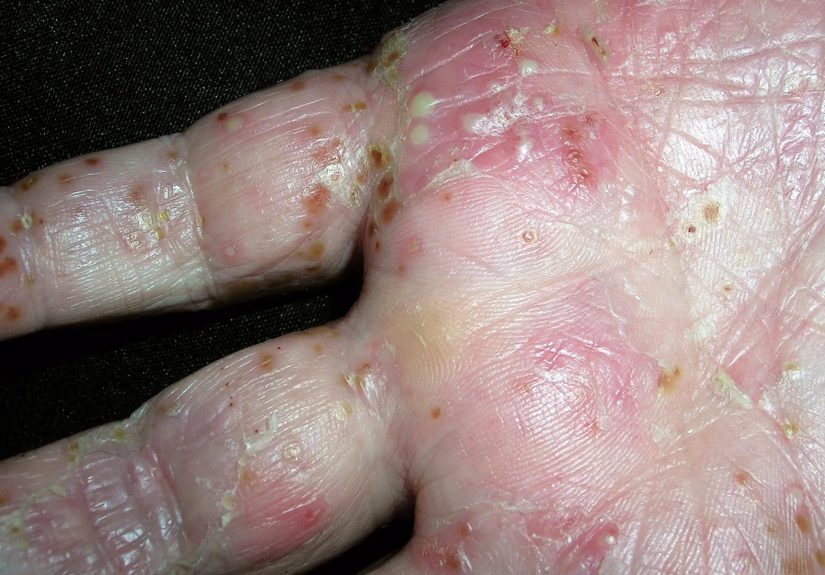
Palmoplantar pustulosis, often shortened to PPP, is a chronic inflammatory skin condition that affects the palms of the hands, the soles of the feet, or both. It causes repeated outbreaks of tiny pustules filled with yellow-white fluid, usually on top of red, tender, or thickened skin. These pustules eventually dry out, turn brownish, peel, and leave behind scaling or painful fissures.
PPP is often discussed alongside pustular psoriasis, and experts still debate exactly where it belongs on the psoriasis family tree. Some classify it as a form of palmoplantar pustular psoriasis, while others treat it as a distinct disease with overlapping features. Either way, the day-to-day problem is the same: it can seriously interfere with normal life even though it affects a relatively small body surface area.
That mismatch is part of what makes PPP so sneaky. A rash on your elbow is annoying. A rash on the part of your foot that bears your full body weight every day is a full-time drama.
Symptoms of Palmoplantar Pustulosis on Hands and Feet
The hallmark symptom is the development of clusters of small pustules on the palms and soles. But PPP rarely stops there. Symptoms often build in layers, and many people notice a repeating cycle.
Common early symptoms
In the beginning, the skin may feel tender, itchy, hot, or unusually sensitive. Then small pustules appear. These bumps are usually deep-seated rather than fragile surface blisters, and they can be painful even when they are tiny.
Typical skin changes
As the flare continues, the affected areas may become:
- Red or darker than the surrounding skin
- Thickened and rough
- Dry and scaly
- Cracked or fissured
- Sore when touched or when pressure is applied
Symptoms on the hands
PPP on the hands may make it uncomfortable to grip a steering wheel, wash dishes, button clothing, type for long periods, or use hand sanitizer. Yes, the very thing meant to keep you healthy can feel like liquid fire when your palms are fissured.
Symptoms on the feet
PPP on the feet can be especially miserable because body weight, friction, heat, and sweat all add fuel to the problem. Walking may hurt. Standing for work may hurt. Wearing shoes may hurt. Occasionally, even the idea of socks can feel offensive.
Other features that may show up
Some people also develop nail changes such as pitting, thickening, discoloration, or separation from the nail bed. Others may have psoriasis elsewhere on the body, joint symptoms, or an inflammatory bone and joint condition linked with pustular skin disease. Because of these overlaps, PPP deserves a proper evaluation rather than a guess based on internet photos and optimism.
What Causes Palmoplantar Pustulosis?
PPP is not caused by poor hygiene, and it is not something you can “catch.” The exact cause is still not fully settled, but researchers believe it involves an overactive immune response in people who are biologically prone to it. Genetics, inflammation, environmental triggers, and immune signaling pathways all seem to play a role.
Immune system dysfunction
PPP is considered an inflammatory disease. Certain immune pathways, including ones involving interleukins such as IL-17, IL-23, and IL-36, appear to contribute to the abnormal skin inflammation. This is one reason some psoriasis treatments can help, at least in selected patients.
Smoking is a major risk factor
One of the strongest associations in PPP is smoking. Many patients with this condition are current or former smokers, and tobacco exposure appears to worsen inflammation in the sweat gland-rich skin of the palms and soles. Quitting does not act like a magic switch that clears the rash overnight, but it is one of the most important long-term steps a person can take.
Infections and trigger events
Doctors sometimes look for chronic or recurring infections that may help provoke flares, especially tonsillitis, sinus issues, or dental infections. Stress, certain medications, and contact allergies may also contribute in some cases. Some patients report that their skin gets worse after friction, frequent water exposure, detergents, or seasonal weather shifts.
Metal allergy and contact sensitivity
In some people, exposure to metals such as nickel may matter. This does not mean every necklace is now your sworn enemy, but in stubborn cases, a dermatologist may consider patch testing to see whether allergic contact reactions are adding to the fire.
Who Gets PPP?
Palmoplantar pustulosis is usually diagnosed in adults rather than children. It is more often reported in women, and it is commonly linked with smoking history. Some patients also have plaque psoriasis, a family history of psoriasis, thyroid disease, metabolic conditions, or inflammatory joint symptoms. The pattern is not the same for everyone, which is part of why treatment can feel so individualized.
How Palmoplantar Pustulosis Is Diagnosed
PPP is usually diagnosed by a dermatologist based on the appearance of the skin, the pattern of flares, and the patient’s history. The location matters a lot. Recurrent sterile pustules on the palms and soles are a major clue.
What your clinician may ask
- When the rash started and whether it comes and goes
- Whether it burns, itches, or hurts
- If you smoke or recently quit
- Whether you have sore throats, sinus trouble, or dental problems
- If you have psoriasis elsewhere or a family history of it
- What products, gloves, shoes, medications, or metals come into contact with the area
Tests that may be used
Sometimes the diagnosis is straightforward. Sometimes it is not. A clinician may do a skin scraping to rule out fungus, order patch testing for suspected contact allergy, or perform a biopsy if the appearance is unusual. The goal is to separate PPP from conditions that can look similar, such as dyshidrotic eczema, allergic contact dermatitis, tinea, scabies, or other pustular disorders.
Treatment for Palmoplantar Pustulosis
Here is the honest answer: PPP can be difficult to treat. There is no universal cure, and what works beautifully for one person may barely nudge the dial for another. Still, many patients improve with a layered plan that combines prescription therapy, trigger management, and skin protection.
1. Topical treatment
For mild to moderate PPP, doctors often start with potent or superpotent topical corticosteroids. These may be used alone or under occlusion, meaning covered to help the medication penetrate thicker skin. Vitamin D analogs may also be added. Because palms and soles have thicker skin, ordinary over-the-counter creams often do not pack enough punch to calm an active flare.
Moisturizers are not glamorous, but they matter. Thick emollients can soften scale, reduce cracking, and make the skin barrier less dramatic. Keratolytic ingredients, such as salicylic acid or urea, may help loosen thick scale when recommended by a clinician.
2. Phototherapy
Light-based treatment can be helpful, especially when topicals are not enough. Options may include PUVA, narrowband UVB, or targeted therapies such as excimer laser in selected settings. Phototherapy tends to work best as part of a broader plan rather than as a one-and-done miracle.
3. Oral systemic medications
When PPP is more severe or disabling, oral treatment may be necessary. Acitretin is commonly used because retinoids can be effective for pustular and hyperkeratotic disease. Other systemic options may include methotrexate or cyclosporine, especially when inflammation is significant or symptoms are greatly affecting function.
Apremilast may also be considered in some patients. Each of these medications has its own safety profile, monitoring requirements, and reasons it may or may not be the best fit. In other words, this is definitely dermatologist territory, not “my cousin had a cream once” territory.
4. Biologics and newer targeted therapies
For difficult, refractory PPP, dermatologists may consider biologic or other targeted immune therapies, particularly when there is overlap with psoriasis or joint disease. Response can be variable. Some patients improve with IL-17 or IL-23 targeted treatments, while others have partial benefit or frustrating relapse. That uneven response is one reason PPP remains an active area of research.
5. Treating triggers and related conditions
Good treatment is not only about what goes on the skin. It may also include smoking cessation support, treatment of chronic dental or ENT infections, review of possible trigger medications, and evaluation of contact allergy. If joint pain, chest wall pain, or nail disease is present, doctors may broaden the workup to look for related inflammatory conditions.
Daily Care Tips That Actually Help
Prescription treatment matters, but everyday habits can make a meaningful difference. Small changes will not “cure” PPP, but they may reduce friction, cracking, and flare intensity.
- Use fragrance-free, thick moisturizers regularly, especially after washing.
- Wear protective gloves for wet work, cleaning, or chemical exposure.
- Choose breathable shoes and cushioned socks to reduce friction.
- Avoid picking at peeling skin or opening pustules.
- Limit harsh soaps, detergents, and repeated irritation.
- Work on smoking cessation if you use tobacco.
- Keep follow-up appointments because treatment often needs adjusting over time.
When to See a Doctor Quickly
You should see a dermatologist if you have recurring pustules, painful cracks, trouble walking, or hand symptoms that interfere with daily tasks. Seek prompt medical care if the rash becomes widespread, you develop fever, severe redness, swelling, drainage, or signs of infection, or you are not sure whether the problem is PPP or something else entirely. Not every blister on a foot is a skin disease; sometimes it is a fungal infection, allergic reaction, or another condition that needs different treatment.
Living With Palmoplantar Pustulosis: Real-World Experiences and Challenges
One of the most important things to understand about PPP is that the disease burden often looks bigger than the rash itself. People with palmoplantar pustulosis frequently describe feeling misunderstood because the affected area may be small, yet the impact is enormous. A few painful lesions on the sole can change the way someone walks. A few fissures on the palm can turn basic tasks into tiny daily battles.
Many patients say the hardest part is unpredictability. The skin may calm down just enough to create hope, then flare again before an important event, a vacation, or a busy week at work. Someone who spends all day typing, styling hair, cooking, cleaning, caregiving, lifting boxes, or standing on hard floors may feel the disease every hour. PPP does not need to cover half the body to make life feel complicated.
There is also the visual side of it. Because the hands are always visible, people may worry that others think the rash is contagious or caused by poor hygiene. That can lead to embarrassment, social withdrawal, or awkward explanations. On the feet, the problem is less visible but often more physically limiting. Some patients stop exercising because shoes rub. Others start choosing routes based on how much walking they can tolerate that day. It becomes a strange form of planning where your skin gets a vote in every decision.
Another common experience is treatment fatigue. PPP often requires trial and error. A cream may help for a while but not enough. Light therapy may work, but the appointment schedule is hard to manage. An oral medication may improve symptoms but require lab monitoring or cause side effects. Even when treatment is effective, the condition can relapse. That cycle can leave patients feeling discouraged, especially if they expected a quick fix.
People also talk about the invisible discomfort that outsiders do not see. The skin may burn before the pustules fully appear. Cracks may sting with every hand wash. Dryness may feel tight all day long. At night, itching or pain can interrupt sleep. During a flare, even ordinary motions such as twisting a doorknob, holding a coffee mug, or stepping out of bed first thing in the morning can become unexpectedly intense.
Emotionally, PPP can be draining. Chronic pain and visible skin disease can chip away at confidence. Some patients feel frustrated by how long it takes to get the right diagnosis. Others feel guilty about smoking history, even though guilt is not a treatment plan. The healthier mindset is to view PPP as a medical condition that deserves support, not blame.
The encouraging part is that many people do find a management routine that improves quality of life. That routine may include the right prescription, better skin protection, smoking cessation, trigger reduction, and realistic expectations. Progress is not always dramatic, but it counts. Being able to walk farther, sleep better, shake hands without wincing, or wear normal shoes again is not a small win. In PPP, those are headline-worthy victories.
Conclusion
Palmoplantar pustulosis on the hands and feet is more than a cosmetic nuisance. It is a chronic inflammatory skin condition that can be painful, persistent, and disruptive in ways that are easy to underestimate. The classic signs include sterile pustules, redness, thickening, scaling, and cracking on the palms and soles. Smoking, infections, stress, and contact triggers may all play a role, while diagnosis usually depends on a dermatologist’s evaluation and, in some cases, testing to rule out mimics.
Treatment often starts with potent topical therapy and skin-barrier care, then moves to phototherapy, oral medications, or specialist-directed biologics when needed. The path can be frustrating, but improvement is possible. The best strategy is usually a practical one: get the diagnosis right, treat consistently, reduce triggers, and work with a dermatologist who understands that “just a rash on the hands and feet” can actually be a very big deal.