Table of Contents >> Show >> Hide
- Why Burgon & Ball Tools Still Feel Special
- The Canoe Connection: Design Meets Dirt
- What Makes a Quality Garden Tool Worth Buying?
- Essential Burgon & Ball Garden Tools to Know
- Performance in Real Gardens
- How to Care for Burgon & Ball Gardening Tools
- Who Should Buy These Tools?
- Buying Tips: How to Choose the Right Tool
- Why These Tools Fit the Modern Outdoor Lifestyle
- Experience Notes: Living With Burgon & Ball-Style Garden Tools
- Conclusion: A Better Tool Makes a Better Garden Day
Some garden tools look like they were designed after a committee meeting in a fluorescent-lit basement. Others look like they were quietly perfected over centuries by people who actually know the difference between soil, compost, mulch, and “whatever that mysterious bag in the garage is.” Burgon & Ball gardening tools belong firmly in the second group.
When Canoe, the Portland-based design shop known for thoughtfully chosen objects for modern home, work, and life, featured Burgon & Ball gardening tools, it made perfect sense. Canoe has always leaned toward products that are useful, beautiful, and built with a sense of permanence. Burgon & Ball, founded in Sheffield, England, has been associated with metalworking and garden tools since 1730. That is not a typo. The company is older than the United States, older than the lawn mower, and probably older than your neighbor’s argument about whether tomatoes should be planted deeper.
This article explores why Burgon & Ball garden tools have earned their reputation, what made them a natural fit for Canoe’s curated outdoor selection, and how to choose, use, and care for quality gardening tools without turning your shed into a museum of rusty regret.
Why Burgon & Ball Tools Still Feel Special
The appeal of Burgon & Ball gardening tools starts with the materials. Many of the brand’s classic tools pair stainless steel heads with hardwood handles, often designed for comfort, balance, and durability. Stainless steel is prized in the garden because it resists rust, moves cleanly through soil, and wipes down more easily than cheaper, rougher metals. That matters when you are transplanting seedlings, dividing perennials, or excavating a dandelion taproot that appears to have signed a 99-year lease.
The handles are just as important. A good garden tool should not feel like a punishment device. Burgon & Ball’s traditional hand tools often use shaped wooden handles that sit comfortably in the palm. This sounds minor until you spend an afternoon planting bulbs. By bulb number four, every tool feels charming. By bulb number forty, the wrong handle feels like it was personally engineered by a medieval tax collector.
Another reason gardeners like Burgon & Ball is the brand’s attention to purpose. A trowel is not just “a little shovel.” A hand fork is not just “a pokey thing.” A dibber is not a wand, although it can feel magical when you are planting evenly spaced seedlings. Each tool solves a specific garden problem: scooping, loosening, aerating, cutting, lifting, spacing, or planting. The better the tool, the less you fight the job.
The Canoe Connection: Design Meets Dirt
Canoe is not a big-box garden center with aisles of plastic watering cans stacked to the ceiling. It is a design-minded shop that has built its identity around curated, enduring products. That is why the appearance of Burgon & Ball gardening tools at Canoe was so appealing: these were outdoor tools that could sit beside well-made home goods and not look like they had wandered into the wrong party.
The original Canoe feature highlighted stainless steel Burgon & Ball garden tools priced as approachable, giftable items. While availability changes over time and shoppers should always confirm current stock directly with the retailer, the match between the two brands remains easy to understand. Canoe values practical objects with character. Burgon & Ball makes tools that are practical, handsome, and heritage-rich. In other words, it is the rare retail pairing where the trowel looks like it knows why it is there.
What Makes a Quality Garden Tool Worth Buying?
Garden tools are easy to buy badly. The cheap set near the checkout lane looks tempting. It comes with five pieces, a floral bag, and the optimistic promise that you are now a gardener. Then the trowel bends in clay soil, the fork handle loosens, and the pruner chews a stem like a tired beaver.
1. Strong, Rust-Resistant Metal
For hand tools such as trowels, forks, weeders, and transplanters, stainless steel is a major advantage. It resists corrosion better than untreated steel, especially if you garden in wet climates or occasionally leave a tool outside because “I’ll grab it in a minute” somehow becomes Tuesday.
2. Comfortable Handles
Handle shape affects how long you can work without fatigue. A smooth wooden handle with a balanced grip can reduce hot spots and make repetitive tasks easier. For gardeners with wrist sensitivity, tools that encourage a neutral hand position are especially helpful.
3. Proper Weight and Balance
A tool should feel substantial without feeling clumsy. Too light, and it may lack strength. Too heavy, and you will start bargaining with yourself after ten minutes. Burgon & Ball’s better tools tend to strike that useful middle ground: solid enough to work, refined enough to enjoy.
4. A Real Job Description
Buy tools for the tasks you actually do. A balcony herb gardener may need a trowel, snips, gloves, and a small watering can. A raised-bed vegetable gardener may add a hand fork, dibber, hoe, and transplanting trowel. A perennial gardener may want a border fork, pruners, and a soil knife. The best tool collection is not the largest one. It is the one that prevents you from using a kitchen spoon in the flower bed. We have all been there. The spoon remembers.
Essential Burgon & Ball Garden Tools to Know
Burgon & Ball offers a broad range of outdoor tools, from hand trowels and forks to cutting tools, hoes, weeders, watering accessories, trugs, and garden wear. For most home gardeners, the following pieces form the practical core.
Hand Trowel
A quality hand trowel is the garden equivalent of a chef’s knife. You use it constantly. It digs planting holes, scoops compost, loosens soil, and rescues plants from containers that are pretending to be permanent homes. A stainless steel trowel with a deep dish is especially useful for moving soil cleanly and efficiently.
Hand Fork
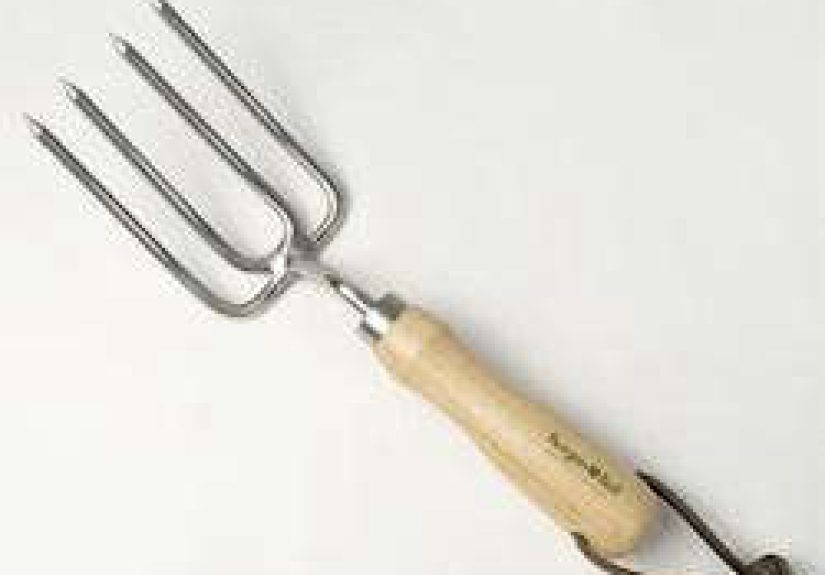
A hand fork loosens compacted soil, lifts weeds, separates roots, and works amendments into beds. It is gentler than a full-size fork and more precise than a rake. In small gardens, it may become the tool you reach for most often.
Transplanting Trowel
A transplanting trowel usually has a narrower blade than a standard trowel. That shape helps when working between established plants or placing seedlings into tight spots. Some models include depth markings, which are useful when planting bulbs or seedlings at consistent depths.
Dibber
A dibber is a simple pointed tool used to make holes for seeds, seedlings, and bulbs. It is wonderfully old-fashioned and surprisingly efficient. Once you use one for spacing lettuces, onions, or flower plugs, you may wonder why you spent years poking holes with your finger like a raccoon trying to operate a keyboard.
Pruners and Snips
For cutting stems, harvesting herbs, deadheading flowers, and shaping small shrubs, sharp pruners or snips are essential. Bypass pruners are generally preferred for live stems because they make cleaner cuts than anvil-style pruners, reducing crushing and tearing.
Performance in Real Gardens
Good garden tools earn loyalty because they make ordinary tasks feel smoother. A polished stainless steel trowel slides into loose soil with less drag. A sturdy hand fork lifts roots without twisting out of shape. A comfortable handle lets you keep working without shaking out your hand every five minutes like you just lost a wrestling match to a tomato cage.
In raised beds, Burgon & Ball-style hand tools shine because the work is close and repetitive. You are not breaking prairie sod. You are planting basil, thinning carrots, dividing chives, or removing weeds before they start acting like landlords. A refined hand tool gives you control. In container gardens, where space is limited and roots are dense, the same control becomes even more valuable.
For ornamental gardens, these tools also look the part. That may sound superficial, but beauty matters. A well-made tool encourages use and care. When a trowel feels good and looks good, you are more likely to hang it up, wipe it clean, and keep it for years. Cheap tools often become disposable. Better tools become companions.
How to Care for Burgon & Ball Gardening Tools
Even stainless steel tools deserve basic maintenance. Rust resistance is not the same as immortality. Soil, sap, moisture, and fertilizer residue can shorten the life of any tool. Fortunately, garden tool care is simple and oddly satisfying, like folding laundry but with fewer socks and more dignity.
Clean After Use
Brush off soil after each gardening session. If mud is caked on, rinse the tool and dry it thoroughly. Do not store wet tools in a bucket, shed corner, or mysterious pile beside the hose. Moisture is the villain in most tool-care stories.
Disinfect When Needed
If you are pruning diseased plants or moving between susceptible plants, disinfect cutting tools before continuing. A quick wipe with 70 percent alcohol is often practical for pruning blades. If using a diluted bleach solution, rinse and dry afterward because bleach can corrode metal if left on the surface.
Oil Wooden Handles
Wooden handles benefit from occasional care. If a handle feels rough, sand it lightly. Then apply a small amount of linseed oil according to the product instructions. This helps prevent drying and cracking, especially in climates with hot summers or dry storage conditions.
Sharpen Cutting Tools
Sharp pruners make cleaner cuts, which are better for plants and easier on your hands. Dull blades crush stems and make you squeeze harder. That is bad for the plant, bad for the tool, and bad for your mood.
Who Should Buy These Tools?
Burgon & Ball gardening tools are a smart choice for gardeners who appreciate lasting quality, traditional materials, and refined design. They are especially appealing for people who garden regularly but do not want a shed full of industrial-looking equipment. They also make excellent gifts because they feel personal without being overly risky. A beautiful trowel says, “I support your gardening dreams.” A random shrub says, “Good luck figuring out where to put this.”
They are not necessarily the right choice for everyone. If you lose tools constantly, share equipment with a large community garden group, or routinely leave everything outside in the rain, you may want rugged utility tools at a lower price point. But if you enjoy maintaining your gear and want tools that feel good in the hand, Burgon & Ball is well worth considering.
Buying Tips: How to Choose the Right Tool
Before buying, think about your soil. Sandy soil is forgiving. Clay soil demands stronger tools. Rocky soil is where flimsy trowels go to reconsider their life choices. If you garden in compacted or heavy soil, choose tools with strong tangs, sturdy heads, and comfortable grips.
Next, think about your garden scale. A patio gardener may not need long-handled tools. A vegetable gardener with multiple raised beds might need both hand tools and longer tools such as a rake, hoe, or spade. A flower gardener who deadheads often should invest in snips or pruners as much as digging tools.
Finally, test the handle if possible. The best tool is the one you will actually use. It should fit your palm, support your wrist, and feel natural. A tool can have a royal endorsement, a lifetime guarantee, and a beautiful finish, but if it feels awkward in your hand, it will become shed decor.
Why These Tools Fit the Modern Outdoor Lifestyle
Modern outdoor living is not only about giant decks, outdoor kitchens, and fire pits large enough to signal passing aircraft. It is also about small rituals: watering herbs before breakfast, cutting flowers for the table, planting lettuces in a raised bed, or turning a bare balcony into a leafy escape. Burgon & Ball tools fit those rituals because they make gardening feel intentional.
There is a quiet pleasure in using a tool that has been thoughtfully designed. The work does not disappear, of course. Weeds remain deeply committed to their mission. Soil still gets under your fingernails. But a good tool makes the work feel less like a chore and more like participation in something old, useful, and alive.
Experience Notes: Living With Burgon & Ball-Style Garden Tools
The first thing you notice with a well-made garden trowel is not dramatic. There are no fireworks. The squirrels do not pause in admiration. But after a few minutes, you realize you are working with less resistance. The blade enters the soil cleanly. The handle does not bite into your palm. You stop thinking about the tool, which is often the highest compliment a tool can receive.
In a small herb garden, a stainless steel trowel is ideal for refreshing containers. Basil, mint, thyme, and parsley all need occasional dividing, loosening, or replanting. A cheap trowel can bend when roots are dense, especially in a pot that has been ignored for too long. A stronger trowel gives you leverage without drama. It lets you lift the root ball, mix in compost, and reset the plant neatly. The plant may still sulk for a day, because plants enjoy theater, but the process is cleaner.
The hand fork becomes useful when the soil surface has formed a crust. In raised beds, it can loosen the top few inches without disturbing deeper roots. That is helpful around lettuces, strawberries, herbs, and annual flowers. It is also excellent for removing small weeds before they become emotionally attached to the property. Instead of yanking the leaves and leaving the root behind, you can lift from below and remove the whole plant.
A dibber is more delightful than it has any right to be. It is simple, almost primitive, and yet it solves a real problem: consistent spacing. When planting seedlings, you can mark holes quickly, keep rows tidy, and avoid the classic beginner mistake of planting everything too close together. Crowded seedlings look cute for about two weeks. Then they become a leafy traffic jam. A dibber helps prevent that.
For flower gardeners, snips or small pruners may be the most emotionally satisfying tool. Deadheading spent blooms keeps plants looking fresh and can encourage more flowers. Sharp snips make the task quick. Dull scissors from the junk drawer will work in an emergency, but they also make you feel like you are committing a minor crime against horticulture. A dedicated cutting tool feels cleaner and more respectful to the plant.
One of the best experiences with quality tools is how they change your habits. When tools are attractive and durable, you tend to care for them. You wipe the blade. You hang the trowel. You stop leaving the fork under the hydrangea where it will be discovered in November with the expression of a shipwreck survivor. Good tools invite good behavior.
They also make gardening more giftable. A Burgon & Ball trowel, hand fork, or pair of snips is a thoughtful present for a new homeowner, balcony gardener, or friend who has recently discovered the dangerous joy of seed catalogs. It is practical, but it still feels special. Unlike a plant, it does not come with hidden watering expectations. Unlike a bag of compost, it does not make the birthday table smell suspicious.
After a full season, the value of better tools becomes clearer. They do not simply perform well on day one; they continue to feel reliable through spring planting, summer maintenance, fall cleanup, and winter storage. With basic cleaning and occasional handle care, they develop character rather than decay. Scratches become evidence of use. The wood darkens slightly. The tool becomes yours.
That is the real charm of Burgon & Ball gardening tools at Canoe: they represent a slower, better way to buy outdoor gear. Instead of treating tools as disposable accessories, they treat them as long-term objects. They belong in the shed, yes, but also in the broader world of good design. They remind us that gardening is not just about producing tomatoes or flowers. It is about the pleasure of doing a physical task well, with an object that respects both the hand and the work.
Conclusion: A Better Tool Makes a Better Garden Day
Burgon & Ball gardening tools at Canoe capture a rare combination: heritage craftsmanship, practical performance, and design-shop good looks. They are not flashy gadgets. They do not connect to Wi-Fi, track your soil spiritually, or send notifications when your rosemary is judging you. They simply do what good tools have always done: make work easier, cleaner, and more enjoyable.
For gardeners who value stainless steel durability, comfortable wooden handles, and timeless outdoor design, Burgon & Ball remains a standout name. Whether you are planting a balcony herb pot, maintaining raised vegetable beds, or giving a thoughtful gift to someone who owns more seed packets than socks, these tools offer lasting appeal. Choose the pieces that match your actual gardening habits, care for them properly, and they may reward you with years of dependable service.
And if you ever find yourself admiring a trowel a little too long, do not worry. That is not strange. That is gardening.