Table of Contents >> Show >> Hide
- What Is Occupational Therapy?
- Who Does Occupational Therapy Treat?
- What Does an Occupational Therapist Actually Do?
- Occupational Therapy vs. Physical Therapy: What Is the Difference?
- Where Does Occupational Therapy Happen?
- Examples of Occupational Therapy in Real Life
- What Conditions May Benefit From Occupational Therapy?
- What Happens During the First Occupational Therapy Visit?
- Benefits of Occupational Therapy
- Occupational Therapy Tools and Adaptive Equipment
- How Long Does Occupational Therapy Take?
- How to Know If You or Someone You Love May Need OT
- Personal and Practical Experiences Related to Occupational Therapy
- Conclusion
Occupational therapy sounds, at first, like something that helps people find jobs. Reasonable guess. The word “occupation” does love wearing a business suit. But in healthcare, occupational therapyoften called OTis much broader, warmer, and more practical than career advice. It helps people do the everyday activities that make life feel like life: getting dressed, cooking breakfast, writing in a notebook, returning to work, playing with a child, showering safely, managing fatigue, or simply opening a stubborn jar without declaring war on the kitchen.
At its heart, occupational therapy is about independence, function, and participation. It supports people whose ability to complete daily tasks has been affected by injury, illness, disability, developmental delay, aging, pain, sensory issues, or mental health challenges. Instead of focusing only on a diagnosis, occupational therapists ask a refreshingly human question: “What do you need and want to do every day, and what is getting in the way?”
That question may sound simple, but it can change everything. A stroke survivor may want to button a shirt again. A child with sensory processing challenges may need help tolerating classroom noise. A person with arthritis may want to keep gardening without turning every weed-pull into a dramatic courtroom scene. OT looks at the person, the task, and the environment, then builds a practical plan to make daily life more manageable.
What Is Occupational Therapy?
Occupational therapy is a type of rehabilitation and healthcare service that helps people develop, regain, improve, or maintain skills needed for daily living and working. The “occupation” in occupational therapy does not only mean paid employment. It refers to meaningful activities that occupy a person’s timeself-care, school, work, hobbies, social activities, rest, play, and community participation.
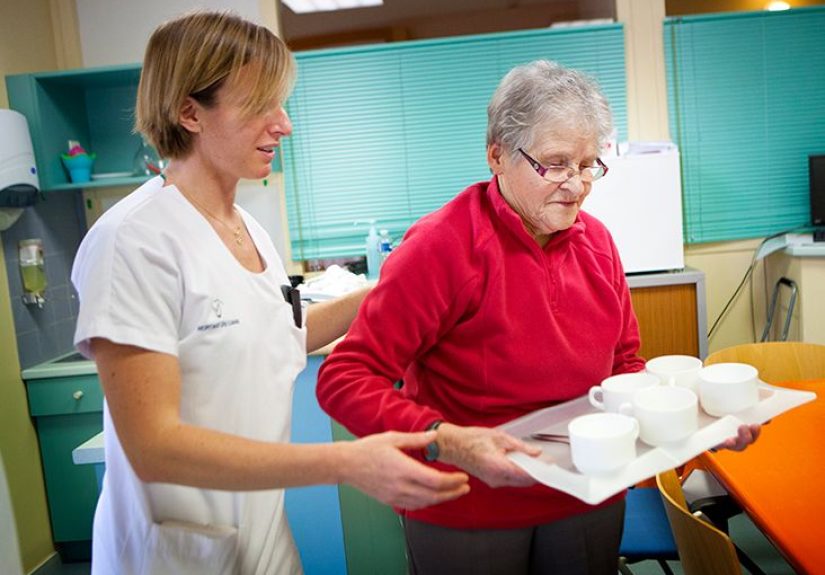
An occupational therapist may help someone relearn how to bathe after surgery, teach energy-saving strategies to a person with chronic illness, recommend adaptive equipment for safer cooking, or support a child who struggles with handwriting and fine motor coordination. The goal is not just movement for the sake of movement. The goal is useful, meaningful function. In other words, OT is less “Can your hand move?” and more “Can your hand help you make coffee, text your friend, hold a pencil, or feed the dog before the dog files a complaint?”
Who Does Occupational Therapy Treat?
Occupational therapy can help people across the lifespan, from babies to older adults. It is used in hospitals, outpatient clinics, schools, rehabilitation centers, skilled nursing facilities, mental health settings, home health programs, and community-based care. Because daily life changes at every age, OT changes with the person.
Children and Teens
Pediatric occupational therapy often supports children who have developmental delays, autism spectrum disorder, ADHD, cerebral palsy, sensory processing challenges, feeding difficulties, handwriting problems, or trouble with self-care skills. A child may work on using scissors, tying shoes, brushing teeth, sitting comfortably during class, improving coordination, or managing sensory input like sound, touch, movement, and textures.
For children, therapy often looks like playand that is not a trick. Play is how children learn. A therapy session may include obstacle courses, puzzles, swings, craft projects, games, dressing practice, or activities that build hand strength and attention. To an adult, it may look like fun. To the child’s nervous system, muscles, and brain, it is a very productive staff meeting.
Adults Recovering From Injury or Illness
Adults may see an occupational therapist after a stroke, brain injury, spinal cord injury, surgery, fracture, burn, work injury, or hand injury. OT can help rebuild skills such as dressing, cooking, bathing, writing, driving readiness, job-related tasks, or using assistive devices safely.
For example, a person recovering from a wrist fracture may practice gripping, reaching, typing, lifting, and using kitchen tools. Someone recovering from a stroke may work on one-handed dressing techniques, memory strategies, visual scanning, balance during daily activities, and safe transfers from bed to chair. The therapy is customized because no two lives come with the same instruction manual.
Older Adults
For older adults, occupational therapy often focuses on safety, independence, fall prevention, memory support, home modifications, mobility during daily routines, and adapting to age-related changes. OT may help a person with arthritis use joint protection techniques, recommend grab bars or shower chairs, simplify medication routines, or create safer pathways through the home.
This kind of support can make the difference between “I cannot do that anymore” and “I can do it differently.” That phrasedo it differentlyis practically the unofficial anthem of occupational therapy.
People With Chronic Conditions
Occupational therapy can also help people living with chronic conditions such as multiple sclerosis, Parkinson’s disease, diabetes-related complications, cancer-related fatigue, heart disease, chronic pain, COPD, or long COVID symptoms. In these cases, OT may focus on pacing, energy conservation, adaptive tools, daily routines, fatigue management, and safe participation in meaningful activities.
For a person with limited endurance, an occupational therapist might suggest sitting while preparing meals, organizing frequently used items at waist height, breaking tasks into smaller steps, or balancing activity and rest. These changes may sound small, but small changes can be mighty. A well-placed chair can be the difference between making dinner and staring at the refrigerator like it personally betrayed you.
People With Mental Health Challenges
Occupational therapy may also support mental health by helping people build routines, manage stress, improve social participation, organize daily responsibilities, return to school or work, and develop coping strategies. OT does not replace mental health treatment from qualified mental health professionals, but it can be part of a broader care plan that supports daily functioning.
For example, someone experiencing depression may struggle with sleep routines, meal preparation, personal care, or leaving the house. An occupational therapist can help create realistic routines, identify barriers, and build step-by-step strategies that make daily life feel less overwhelming.
What Does an Occupational Therapist Actually Do?
An occupational therapist begins with an evaluation. This usually includes questions about health history, daily routines, goals, challenges, home or work environment, and what activities matter most. The therapist may also assess strength, coordination, balance, vision, cognition, sensation, fine motor skills, range of motion, endurance, and safety awareness.
After that, the OT creates a treatment plan. This plan may include hands-on practice, exercises, education, adaptive strategies, equipment recommendations, environmental changes, caregiver training, and progress tracking. The plan is not copied from a dusty binder labeled “Generic Human Plan.” It is personalized around the patient’s real life.
Common OT Interventions
Occupational therapy may include practicing activities of daily living, also known as ADLs. These include bathing, dressing, grooming, eating, toileting, and moving safely from one position or place to another. It may also include instrumental activities of daily living, or IADLs, such as cooking, cleaning, shopping, money management, transportation, medication routines, and using technology.
Other interventions may involve splinting, hand therapy, sensory integration strategies, visual-perceptual training, cognitive strategies, workplace ergonomics, school accommodations, wheelchair positioning, assistive technology, home safety assessments, and caregiver education. In short, OT has a very large toolbox. Some tools are literal, some are therapeutic, and some are clever life hacks wearing a medical badge.
Occupational Therapy vs. Physical Therapy: What Is the Difference?
Occupational therapy and physical therapy often work together, but they are not the same. Physical therapy typically focuses on movement, strength, balance, mobility, pain reduction, and physical function. Occupational therapy focuses on helping people use their abilities to complete meaningful daily activities.
Here is a simple example: after knee surgery, a physical therapist may help a person improve walking, knee range of motion, and leg strength. An occupational therapist may help that same person get dressed safely, step into the shower, prepare meals, manage household tasks, and arrange the home to reduce fall risk. Both are important. One helps you move better; the other helps you live better with the movement you have.
Where Does Occupational Therapy Happen?
Occupational therapy can happen in many settings. In hospitals, OT may help patients regain basic self-care skills before discharge. In rehabilitation centers, therapy may be more intensive and focused on recovery after major illness or injury. In outpatient clinics, people may receive therapy for hand injuries, neurological conditions, developmental needs, pain, or post-surgical recovery.
In schools, occupational therapists may help students access learning by improving handwriting, classroom participation, sensory regulation, self-care, or use of adaptive tools. In homes, therapists may evaluate safety, recommend modifications, and help people practice real-life tasks in the actual environment where those tasks happen. Practicing shower safety in a real bathroom can be far more useful than discussing it theoretically under fluorescent clinic lights.
Examples of Occupational Therapy in Real Life
Imagine a 72-year-old woman recovering from a hip replacement. She wants to return home but worries about showering, dressing, and cooking. Her occupational therapist teaches her how to use a reacher, sock aid, shower chair, and safe transfer techniques. The therapist also recommends removing loose rugs and placing frequently used kitchen items within easy reach. The result is not magicit is practical planning. But when it helps someone go home safely, it can feel pretty close to magic.
Now imagine a 9-year-old student who avoids writing assignments because his hand gets tired and his letters are difficult to read. A pediatric OT may assess grip strength, posture, pencil grasp, visual-motor integration, and classroom setup. Therapy may include strengthening games, handwriting practice, adaptive pencil grips, keyboarding support, and teacher collaboration. The goal is not to force perfect handwriting worthy of a museum exhibit. The goal is to help the student communicate and participate without daily frustration.
Another example: a warehouse employee with a shoulder injury wants to return to work. An occupational therapist may analyze job demands, teach safe body mechanics, simulate work tasks, recommend modified duties, and gradually build tolerance for reaching, lifting, and carrying. In this case, OT connects rehabilitation with the real physical demands of the job.
What Conditions May Benefit From Occupational Therapy?
Occupational therapy may be recommended for many conditions, including stroke, traumatic brain injury, spinal cord injury, arthritis, hand injuries, burns, amputations, developmental delays, autism spectrum disorder, cerebral palsy, sensory processing difficulties, Parkinson’s disease, multiple sclerosis, dementia, cancer-related fatigue, chronic pain, work injuries, and post-surgical recovery.
However, OT is not limited to a diagnosis list. A person may benefit from occupational therapy whenever a health condition, disability, injury, or life change interferes with daily activities. If everyday tasks have become difficult, unsafe, exhausting, confusing, or painful, OT may be worth discussing with a healthcare provider.
What Happens During the First Occupational Therapy Visit?
The first visit usually includes conversation, assessment, goal setting, and sometimes beginning treatment. The therapist may ask what activities are difficult, what a typical day looks like, what the home or school environment is like, what equipment is already being used, and what the person hopes to accomplish.
Patients should bring relevant medical information, a list of medications if requested by the clinic, insurance details, braces or assistive devices they already use, and practical questions. Comfortable clothing is helpful, especially if movement or self-care tasks will be assessed. Most importantly, patients should bring honest goals. “I want to cook again,” “I want my child to dress independently,” or “I want to return to work without pain” are all strong starting points.
Benefits of Occupational Therapy
The benefits of occupational therapy can be physical, emotional, social, and practical. OT may improve independence, safety, strength, coordination, confidence, school participation, work performance, home management, and quality of life. It may also reduce caregiver burden by teaching safer techniques and recommending supportive tools.
One of the most underrated benefits of OT is confidence. When someone learns a new way to complete a task, the victory can be bigger than the task itself. Buttoning a shirt, cooking eggs, getting into a car, typing an email, or walking into a classroom prepared may seem ordinary from the outside. From the inside, those moments can feel like getting a piece of life back.
Occupational Therapy Tools and Adaptive Equipment
Occupational therapists may recommend adaptive equipment to make daily tasks safer or easier. Examples include reachers, dressing sticks, sock aids, built-up utensils, jar openers, shower chairs, grab bars, raised toilet seats, wrist splints, pencil grips, weighted tools, adaptive keyboards, visual schedules, and reminder systems.
The best equipment is not always the fanciest. Sometimes the most helpful tool is simple, affordable, and slightly unglamorous. A grab bar may not win a design award, but it can prevent a fall. A large-handled spoon may not look futuristic, but it can help someone eat independently. OT appreciates practical heroes.
How Long Does Occupational Therapy Take?
The length of occupational therapy depends on the person’s condition, goals, progress, setting, and insurance coverage. Some people need only a few sessions for education and equipment training. Others may need weeks or months of therapy after major injury, surgery, or neurological illness. Children with developmental needs may receive therapy over a longer period as goals change with age, school demands, and family priorities.
Progress is usually measured by function. Can the person do the task more safely, more independently, with less pain, with better endurance, or with improved confidence? OT progress is not always dramatic from session to session, but steady gains can add up like coins in a jar.
How to Know If You or Someone You Love May Need OT
Consider asking a healthcare provider about occupational therapy if daily tasks have become difficult because of pain, weakness, injury, illness, disability, sensory challenges, memory problems, poor coordination, low endurance, or safety concerns. Warning signs may include frequent falls, difficulty dressing or bathing, trouble using the hands, challenges returning to work or school, caregiver strain, difficulty managing household tasks, or a child falling behind in age-appropriate self-care skills.
OT is not about labeling someone as incapable. It is about building bridges between what is hard now and what is possible next.
Personal and Practical Experiences Related to Occupational Therapy
One of the most meaningful things about occupational therapy is how ordinary its victories can look. A person may not leave a session with fireworks exploding in the parking lot, but they may leave knowing how to hold a fork again, step into the shower safely, write their name more clearly, or save enough energy to attend a family dinner. These are not small wins. These are the building blocks of dignity.
In real-life care settings, occupational therapy often feels like detective work. The therapist watches how a person moves, listens to what frustrates them, studies the environment, and then looks for the missing piece. Maybe the problem is not that someone “cannot cook.” Maybe the pans are too heavy, the cabinets are too high, the standing time is too long, and the recipe has too many steps for a tired brain. With the right changeslighter cookware, a seated prep station, labeled ingredients, and planned rest breaksthe person may be able to cook again. The meal might not qualify for a celebrity chef competition, but it can taste like independence.
Families often experience OT as a relief because it turns vague worry into specific action. Instead of saying, “Grandpa is not safe at home,” an OT may identify exactly where the risks are: the bathroom has no grab bar, the hallway rug slides, the favorite chair is too low, and nighttime lighting is poor. Suddenly, the problem becomes solvable. Remove the rug, add lighting, raise the chair height, install support rails, and practice safe transfers. The home becomes less like an obstacle course and more like a place to live.
Parents of children in occupational therapy may also notice that progress appears in surprising ways. A child who once avoided messy textures may start finger painting. A child who struggled with buttons may proudly dress for school with less help. A student who hated writing may begin using a keyboard or pencil grip and finally get ideas onto the page before frustration steals the show. Pediatric OT can be playful, but behind the games is careful clinical reasoning. The swing, the beads, the putty, the obstacle coursethey all have a job to do.
For adults returning to work, OT can be the bridge between medical recovery and real-world demands. A shoulder may test well in a clinic, but work asks different questions: Can you lift that box repeatedly? Can you reach overhead safely? Can you type for two hours? Can you pace tasks without flaring symptoms? Occupational therapy helps answer those questions with practice, planning, and modifications.
The biggest lesson from occupational therapy is that independence does not always mean doing everything the old way. Sometimes independence means using a tool, changing the setup, asking for help strategically, simplifying a routine, or learning a new method. That is not failure. That is adaptation, and adaptation is one of the most human skills we have.
Conclusion
Occupational therapy helps people of all ages participate more fully in daily life. It supports children learning self-care and school skills, adults recovering from injury or illness, older adults trying to remain safe at home, and people managing chronic or mental health conditions. By focusing on meaningful activities, OT connects healthcare to the real world: the bathroom, kitchen, classroom, workplace, grocery store, garden, and living room.
The beauty of occupational therapy is its practicality. It does not ask, “What is wrong with you?” It asks, “What matters to you, and how can we help you do it?” That shift makes care more personal, more useful, and often more hopeful. Whether the goal is tying shoes, returning to work, cooking dinner, managing fatigue, or staying independent at home, occupational therapy helps people move from limitation toward participationone everyday victory at a time.
Note: This article is for general educational purposes and should not replace professional medical advice, diagnosis, or treatment. Anyone considering occupational therapy should speak with a qualified healthcare provider or licensed occupational therapist.