Table of Contents >> Show >> Hide
- What “N Boulder Pergola” Usually Refers To
- Pergola Basics (And Why It’s Not a Patio Roof)
- Why Pergolas Make Sense in North Boulder
- Before You Build: Permits, Rules, and “Please Don’t Skip This” Planning
- Designing for Boulder Reality: Wind, Snow, and Frost Depth
- Choosing the Right Pergola Style for North Boulder
- Materials That Make Sense in Boulder
- Connections, Hardware, and Anchoring (Where Pergolas Win or Fail)
- Shade Options That Don’t Create Regret
- Lighting and Comfort Upgrades
- A Real-World “N Boulder Pergola” Style Example
- Cost, Timeline, and Hiring vs. DIY
- Mistakes to Avoid (Because Boulder Weather Is an Honest Critic)
- Maintenance for a Pergola That Still Looks Good in Five Years
- Real-Life Experiences With an “N Boulder Pergola” (500+ Words)
- Conclusion
North Boulder has a certain vibe: equal parts sun-chasing, trail-hopping, and “yes, we absolutely eat dinner outside in April if the wind behaves.”
That’s exactly why a pergola works so well here. Done right, it’s the outdoor-room upgrade that makes a plain patio feel like a destinationwithout
turning your backyard into a construction zone that lasts longer than winter.
This guide breaks down what an “N Boulder pergola” can mean in real life: a pergola that fits Boulder’s climate, code realities, and the way people
actually use their outdoor space. You’ll get design ideas, material choices, structural considerations (snow + wind are not cute here), permit-friendly
planning, and a practical build approachplus a long “real experiences” section at the end to make this feel like it came from people who’ve lived with one.
What “N Boulder Pergola” Usually Refers To
“N Boulder pergola” most often points to a pergola project in North Boulder (or inspired by that neighborhood’s modern-meets-mountain style):
clean lines, warm wood tones, functional shade, and a setup that can handle real weather. It’s not just decorative lumber doing interpretive dance
in your backyardit’s a structure that earns its keep with comfort, shade control, and a defined gathering spot.
Pergola Basics (And Why It’s Not a Patio Roof)
A classic pergola is an outdoor structure with posts, beams, and an open “grid” roofthink partial shade, not full weather protection.
That distinction matters because the moment you add a solid roof, tightly-spaced panels, or permanent coverings, you’re drifting toward “patio cover”
territory, which usually means stricter structural requirements and permitting.
Pergola vs. Gazebo vs. Pavilion
- Pergola: Open or slatted roof; defines a space and provides partial shade.
- Gazebo: Solid roof; typically freestanding; more “outdoor room” than “shade frame.”
- Pavilion: Solid roof and larger footprint; built for real shelter.
Why Pergolas Make Sense in North Boulder
1) Sun management without closing yourself in
Boulder gets plenty of bright days, and patios can become heat traps. A pergola gives you “selective shade”enough relief to eat, read, and
pretend you’re not checking your phonewhile still keeping the open-air feeling that makes Colorado outdoor living so addictive.
2) Wind is a design requirement (not a surprise)
In Boulder, wind is not “a breezy afternoon.” It’s a force that tests your fasteners, rattles cheap hardware, and turns loose shade sails into
accidental kites. Your pergola must be anchored and braced like it plans to live here for yearsbecause it does.
3) Snow and freeze-thaw demand smart detailing
Even if a pergola roof is open, snow can still accumulate on shade canopies, tight lattice, string lights, and any decorative panels you add.
Freeze-thaw cycles also punish wood that stays wet. The right post bases, drainage, and finishes help your pergola age gracefully instead of
developing that “weathered pallet” look you did not order.
Before You Build: Permits, Rules, and “Please Don’t Skip This” Planning
If you’re in the City of Boulder, start by checking the city’s building permit resources and the residential checklists that specifically call out
sheds and pergolas. These guides help you figure out what drawings and details you’ll need before you submit anything.
Key planning items that typically matter in Boulder-style pergola projects
- Location & setbacks: Where it sits relative to property lines and existing structures.
- Height & footprint: Overall dimensions affect zoning and structural needs.
- Attachment: Freestanding vs. attached to the house (attachment often triggers more scrutiny).
- Electrical: Lighting/outlets can shift the project into additional permit requirements.
- Coverings: Permanent roofing, rigid panels, or enclosed sides can change how it’s classified.
If you’re in a Wildland-Urban Interface (WUI) area, exterior building components can have extra requirements. It’s not a reason to panicjust a reason
to confirm early so you don’t redesign midstream.
Designing for Boulder Reality: Wind, Snow, and Frost Depth
Wind: build as if it’s going to try to leave
The “pretty pergola” and the “pergola that stays put” are sometimes two different projects. In a windy climate, a pergola needs:
solid anchoring, strong post-to-beam connections, and lateral bracing where appropriate. Decorative hardware is greatif it’s also structural and installed correctly.
Snow load: the hidden gotcha
A fully open pergola roof sheds snow naturally. But add a dense lattice, polycarbonate panels, tightly-spaced slats, or a fixed fabric canopy,
and you’re effectively building a surface that can hold snow. That’s when “it’s just shade” turns into “it’s a roof-like element,” and you should treat it structurally.
Practical rule of thumb: the more your pergola behaves like a roof, the more your design must behave like one toomeaning engineered sizing,
proper connections, and careful review of local requirements.
Frost depth: footings need to be boring (in a good way)
Colorado frost heave is the slow-motion villain of outdoor structures. Footings and post bases should be designed so posts stay plumb season after season.
Many builders use concrete footings with metal post bases that keep wood off the groundhelping prevent rot and water wicking.
Choosing the Right Pergola Style for North Boulder
Modern “flat” pergola
Clean beams, simple lines, and a rectangular footprint. This works beautifully with modern homes and many North Boulder renovations.
You can soften the look with warmer wood species, a shade canopy, and subtle lighting.
Mountain-rustic pergola
Chunkier posts, thicker beams, and sometimes decorative knee braces. Great if your exterior leans craftsman, farmhouse, or “we hike before brunch.”
Bonus: thicker members often feel sturdier in wind.
Louvered pergola systems
These can be amazing for adjustable shade and rain control, but they’re also more “product system” than “simple carpentry.”
In Boulder conditions, confirm wind and snow performance ratings and plan for maintenance and drainage.
Materials That Make Sense in Boulder
Wood (cedar, redwood, or pressure-treated)
Wood looks right in Boulderwarm, natural, and easy to customize. Cedar and redwood are naturally rot-resistant; pressure-treated lumber can be cost-effective
but needs attention to fastener compatibility and finishing.
Metal (aluminum or steel)
Aluminum pergolas can be low-maintenance and clean-lined. For steel, corrosion protection matters.
If you’re aiming for a modern aesthetic with minimal upkeep, metal is worth pricing outespecially if you want integrated shade components.
Vinyl / PVC
Low maintenance, consistent appearance, and no staining. The tradeoff is less natural character and fewer “custom carpentry” options.
If you want “install it and forget it,” vinyl can be a practical fit.
Connections, Hardware, and Anchoring (Where Pergolas Win or Fail)
A pergola is basically a big lever system: wind pushes, posts resist, connections decide whether your structure is confident or wobbly.
Use exterior-rated connectors, corrosion-resistant fasteners, and post bases designed for the surface you’re installing on (concrete slab vs. footings).
Common anchoring approaches
- On an existing concrete patio: Post bases anchored with appropriate bolts/anchors (verify spacing and edge distance).
- On soil/landscape: Concrete footings below frost depth with post bases above the finished surface.
- On a deck: Extra cautionyour deck framing must support the new loads, and attachment details must be correct.
If you remember only one thing: don’t bury wood posts directly in the ground if you want the pergola to last. A raised post base is the boring,
best practice that saves you from future “why is this post spongy?” conversations.
Shade Options That Don’t Create Regret
Retractable canopy
Great for flexible shade. In wind, make sure it can retract quickly and lock securely. The best canopy is the one you can pull in fast when the weather changes.
Shade sail (with caution)
Shade sails look sleek, but wind loads can be intense. If you go this route, treat anchors like structural components, not accessories.
Also: plan a removal strategy for stormy periods.
Lattice or closely spaced slats
More shade, more visual privacy, and more potential snow collection depending on spacing and accessories. If you tighten spacing significantly,
talk to a pro about load and connectionsespecially for attached pergolas.
Lighting and Comfort Upgrades
- String lights: Cozy, easy, and “instant ambiance.” Use outdoor-rated, and plan attachment points so you’re not stapling wires to beams.
- Downlights or sconces: Cleaner look; may require electrical planning.
- Heaters: Choose models rated for outdoor use and follow manufacturer clearances.
- Privacy screens or planters: Great for wind buffering and neighbor-friendly zoningjust avoid creating big wind-catching panels.
A Real-World “N Boulder Pergola” Style Example
A popular North Boulder-style pergola build that circulates online shows a simple truth: weather delays happen, and pergola timelines should include
a buffer for rain, snow, and the occasional “we need to let the concrete cure because physics is non-negotiable.”
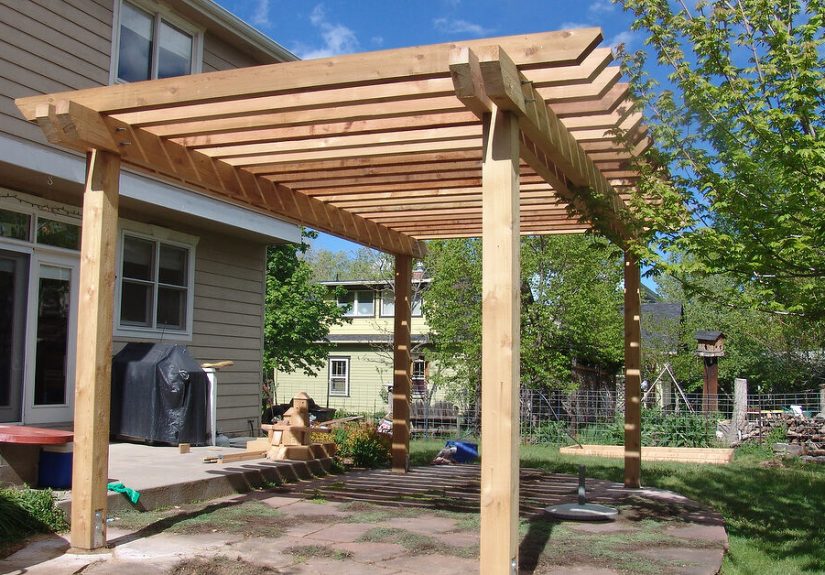
The structure itself is straightforward: posts, beams, and an open topdesigned to define a patio area without turning it into a fully enclosed room.
That example is useful because it reflects how projects actually go in Boulder: you might start in optimism and end with a weather app addiction.
Plan for it. Your future self will thank you while sipping coffee under a finished pergola instead of staring at half-set footings.
Cost, Timeline, and Hiring vs. DIY
Typical cost drivers
- Size and height (bigger spans require beefier members and hardware)
- Material choice (cedar vs. premium redwood vs. aluminum systems)
- Footings and site work (soil conditions, demo, grading, drainage)
- Electrical and lighting
- Shade systems and add-ons
DIY can work if:
- You’re building a modest, freestanding pergola
- You’re comfortable with layout accuracy and structural connections
- You’re willing to follow local requirements and get help for anything borderline
Hire a pro if:
- The pergola is attached to the house
- You want a roof-like covering or louvered system
- Your site is sloped or tricky
- You need electrical work and permitting coordination
Mistakes to Avoid (Because Boulder Weather Is an Honest Critic)
- Undersized posts and beams: If it looks flimsy on day one, it will feel flimsier on day 200.
- Skipping proper anchoring: Wind will eventually “vote” on your decision.
- Letting wood sit wet: Poor drainage + freeze-thaw = fast aging.
- Accidental roof creation: Dense covers can change structural requirementsplan it intentionally.
- Ignoring maintenance: A little sealing beats a lot of sanding.
Maintenance for a Pergola That Still Looks Good in Five Years
- Inspect connections annually: Tighten where needed and check for corrosion.
- Refresh finish on schedule: Sun and weather wear finishes faster than you think.
- Keep the base dry: Make sure water drains away from posts and footings.
- Seasonal care for shade fabric: Remove or secure canopies during extreme weather.
Real-Life Experiences With an “N Boulder Pergola” (500+ Words)
Ask people in North Boulder why they built a pergola and you’ll hear the same theme in different outfits:
“We wanted to use our yard more.” The patio was there, the grill was there, the chairs were there… but it still felt like a temporary campsite.
A pergola changes that psychology fast. Once there’s a defined overhead frame, people naturally treat the space like a room: they add a table they actually like,
they stop using the “spare” folding chairs, and suddenly dinner outside goes from occasional to automatic.
One of the most common “didn’t expect that” moments is how much a pergola helps with timing. Boulder days can be bright and warm, but the sun angle
shifts quickly through the seasons. Homeowners often say the pergola extends their comfortable outdoor hoursnot by changing the weather,
but by changing the way light hits the seating area. In summer, it can take the edge off peak glare. In shoulder seasons, it can make the patio feel less exposed
without blocking that “it’s finally nice outside” feeling everyone’s chasing.
Another recurring experience: wind makes you rethink everything you thought you knew about “cute outdoor decor.”
People love the idea of a flowing canopy until the first gust turns it into a loud, flapping announcement that you live in Colorado.
The happiest pergola owners tend to build in flexibility: retractable shade that can be pulled in quickly, curtains that can be tied back, and lighting that’s secured
with purpose. The lesson is not “don’t add fabric.” It’s “add fabric like you respect wind.”
Then there’s the “maintenance honesty” phase. In year one, the pergola looks perfect, and everyone swears they’ll reseal it “every spring.”
By year two, life happens. By year three, the difference between smart planning and wishful thinking becomes visible.
Homeowners who used raised post bases and good finishes tend to report fewer headaches. The ones who let wood sit wet at the base often end up with
touch-ups, staining surprises, or small repairs that could’ve been avoided with better detailing up front.
The good news: pergola maintenance isn’t complicatedit’s just easy to procrastinate.
Socially, pergolas are sneaky upgrades. People say they didn’t build it “for entertaining,” and then they host more.
It’s the same way a kitchen island magically creates gatherings: a pergola gives guests a visual cue of where to settle.
Add a simple dining table, a couple of comfortable chairs, and soft lighting, and the space starts doing the hosting work for you.
Some North Boulder homeowners even describe it as their “default hangout,” especially when the indoor-outdoor line blurs in the nicer months.
Finally, there’s the pride factorreal, not braggy. A well-built pergola becomes part of how people talk about their home:
“We’ll eat under the pergola,” “Put your bike by the pergola,” “Let’s sit under the pergola.” That’s the moment you know it worked.
It’s not just a structure anymore; it’s a place. And in a neighborhood that values outdoor life, that’s about as North Boulder as it gets.
Conclusion
An N Boulder pergola isn’t about copying a single lookit’s about building a smart, comfortable outdoor space that fits Boulder living:
bright sun, real wind, real snow, and real people who want to spend more time outside. Start with local requirements, design for wind and winter,
choose materials that match your maintenance appetite, and build connections like you mean it. Do that, and your pergola won’t just look good
on day oneit’ll keep working year after year, turning your patio into the place everyone naturally drifts toward.