Table of Contents >> Show >> Hide
- Why Your Mattress Matters So Much for Back Pain
- How We Chose the 11 Best Mattresses for Back Pain
- 11 Best Mattresses for Back Pain (Top Beds for Pain Relief)
- 1. Saatva Classic – Best Overall Innerspring for Back Pain
- 2. WinkBed – Best Hybrid for Balanced Support
- 3. Bear Elite Hybrid – Best for Athletes and Sore Muscles
- 4. Helix Midnight Luxe – Best for Side Sleepers with Back Pain
- 5. Nolah Evolution – Best for Back Pain and Hot Sleepers
- 6. DreamCloud Hybrid – Best Luxury Feel for Back Pain
- 7. Nectar – Best Budget-Friendly Memory Foam for Back Pain
- 8. Puffy Cloud – Best All-Foam Feel with Chiropractor-Friendly Support
- 9. Plank Firm – Best Extra-Firm Mattress for Back Pain
- 10. ChiroPro 1.0 – Best Chiropractor-Designed Firm Mattress
- 11. Solid Medium-Firm Hybrid – Best Everyday Back-Saver
- How to Choose the Best Mattress for Your Type of Back Pain
- Other Smart Tips for Reducing Back Pain While You Sleep
- Real-Life Experiences: What Back-Pain Sleepers Wish They Knew Sooner
- Bottom Line: Your Back Deserves Better Than “Good Enough”
If you’ve ever rolled out of bed feeling like you slept on a pile of Lego bricks,
your mattress might be the real villain in your back pain story. The good news?
You don’t have to become an amateur chiropractor to fix it. The right mattress can
help keep your spine aligned, ease pressure on sensitive joints, and turn those
“ouch” mornings into “okay, this is nice.”
In this guide, we’ll walk through how to choose the best mattress for back pain
and highlight 11 standout beds that consistently earn praise from sleep experts,
chiropractors, and real-life sore backs. Even though the title says 2021, these
picks are based on ongoing testing and expert recommendations, so you’re getting
up-to-date insight wrapped in a time-stamped SEO bow.
Why Your Mattress Matters So Much for Back Pain
Back pain is one of the most common reasons people lose sleep. A mattress
that’s too soft lets your hips sink and your spine sag; one that’s too firm can
jam your shoulders and hips and force your spine into awkward angles. Over
time, either extreme can inflame existing back issues or help create new ones.
Spinal Alignment: The Main Event
Think of your spine as a gentle S-curve. The job of a good mattress is to support
that natural curve whether you sleep on your back, side, or stomach. That usually
means a surface that:
- Supports the heavier parts of your body (like hips and shoulders)
- Keeps your lower back from collapsing into a hammock shape
- Allows just enough cushioning to relieve pressure points
Why “Medium-Firm” Is So Popular
For many people with back pain, medium-firm mattresses hit the sweet spot:
supportive enough to keep your spine aligned, but cushioned enough to keep
you from feeling like you’re sleeping on a countertop. Of course, “medium-firm”
feels different if you’re 120 pounds versus 240, so your body weight and preferred
sleep position still matter.
Hybrid vs. Foam vs. Innerspring
-
Hybrid mattresses combine coils for support and foam for pressure
relief. They’re often top picks for back pain because they balance comfort
and structure. -
Memory foam mattresses contour closely to the body, which can be
fantastic for pressure relief especially if you have chronic lower back pain
and like a gentle “hug.” -
Innerspring mattresses offer a more traditional, bouncy feel and
solid support, but they need a good comfort layer on top to avoid pressure
points.
How We Chose the 11 Best Mattresses for Back Pain
To build this list, we looked at expert mattress tests, chiropractor guidance,
and hundreds of user reviews from major U.S. publications and retailers. Then
we focused on models that consistently score well for:
- Back and lumbar support
- Pressure relief at the shoulders, hips, and lower back
- Durability and long-term comfort
- Trial periods, warranties, and value for the price
Remember, “best” doesn’t mean “best for everyone.” We’ve noted who each mattress
tends to suit (side sleepers, heavier bodies, hot sleepers, etc.) so you can
match your back’s personality with the right bed.
11 Best Mattresses for Back Pain (Top Beds for Pain Relief)
1. Saatva Classic – Best Overall Innerspring for Back Pain
The Saatva Classic is a staple on back-pain lists for a reason. It’s a hybrid
innerspring with a Euro-top and zoned support in the middle of the bed to keep
your lumbar area from sinking. You can choose from three firmness levels
(Plush Soft, Luxury Firm, and Firm), but most people with back pain do well
with the Luxury Firm.
Best for: Back and combination sleepers who want a supportive,
hotel-style feel without feeling “stuck” in the mattress.
2. WinkBed – Best Hybrid for Balanced Support
WinkBed is another hybrid that blends strong coil support with a plush, pillow-top
surface. It’s available in multiple firmness levels, including a plus-size
option for heavier sleepers. The big selling point is its sturdy, zoned support
through the midsection designed to keep your spine from bowing.
Best for: People who like a traditional, bouncy feel with serious
lumbar support and great edge stability.
3. Bear Elite Hybrid – Best for Athletes and Sore Muscles
The Bear Elite Hybrid is built for recovery-focused sleepers. Layers of pressure-relieving
foam sit on top of supportive coils, and many testers praise its ability to
cradle sensitive joints while keeping the lower back aligned. It comes in
multiple firmness levels so you can dial in your preferred feel.
Best for: Active people, gym-goers, or anyone whose back pain is
tied to muscle fatigue and needs both cushioning and support.
4. Helix Midnight Luxe – Best for Side Sleepers with Back Pain
Side sleepers often struggle with back pain when a mattress is too firm at the
shoulders and hips. The Helix Midnight Luxe was designed with extra cushioning
in those areas, plus zoned coils that are a bit firmer under the lumbar region.
That combo reduces pressure while keeping your spine straight.
Best for: Side and combo sleepers who want a slightly softer top
but still need targeted support for the lower back.
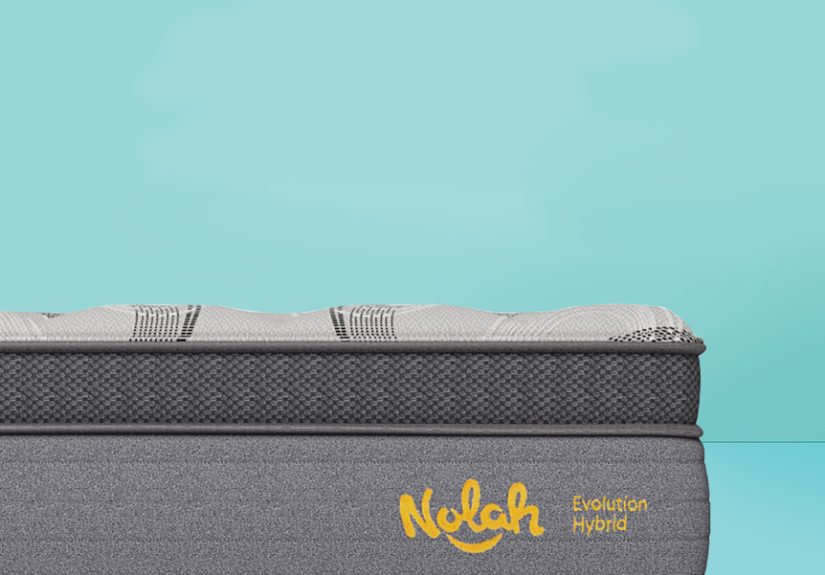
5. Nolah Evolution – Best for Back Pain and Hot Sleepers
The Nolah Evolution Hybrid (and its all-foam cousin, the Nolah Original) gets
high marks for sleepers with back pain who also run hot. Its foams are made to
be more breathable than classic memory foam, and the coil system is zoned to
support your lower back while letting other areas gently sink.
Best for: Hot sleepers with chronic back or joint pain who want
a cooler sleep surface with medium to medium-firm support.
6. DreamCloud Hybrid – Best Luxury Feel for Back Pain
DreamCloud’s hybrid mattresses lean into that “luxury hotel” vibe: thick comfort
layers, coils for bounce, and a medium-firm feel that works for many sleep
positions. For back pain, the appeal is the combination of contouring foam on
top and firmer support underneath, which helps prevent your lower back from
dipping.
Best for: Shoppers who want a plush, upscale feel with enough
structure for back and hip support.
7. Nectar – Best Budget-Friendly Memory Foam for Back Pain
If you love that slow-moving memory foam hug, Nectar’s classic models remain
some of the better value picks. They contour closely to your body, spreading
out pressure, which can be a big relief if your back pain flares when your
muscles are tense. The key is that the foam is dense enough to support your
spine instead of letting you sink into a hammock.
Best for: Value shoppers, side sleepers, and lighter-weight back
sleepers who want cushy comfort without a sky-high price tag.
8. Puffy Cloud – Best All-Foam Feel with Chiropractor-Friendly Support
Puffy’s all-foam Cloud mattress is a medium-firm bed that many testers find
surprisingly supportive for back sleepers, despite its soft, cozy top. Its foam
layers contour to the curves of your spine, while the base foam keeps your body
from drifting out of alignment.
Best for: Back sleepers and lighter side sleepers who want a
soft surface with underlying structure to help reduce back strain.
9. Plank Firm – Best Extra-Firm Mattress for Back Pain
For some sleepers, especially heavier-bodied back or stomach sleepers, firm
really does feel best. The Plank Firm is a flippable all-foam mattress with two
very firm sides. It’s designed to keep your back from dipping at all, which
reduces stress on your lumbar area. It’s not cuddly, but it is serious about
support.
Best for: Back and stomach sleepers who like a very firm feel and
want maximum spinal support without resorting to the floor.
10. ChiroPro 1.0 – Best Chiropractor-Designed Firm Mattress
The ChiroPro 1.0 was developed with chiropractors and uses zoned foam and coils
to keep your spine in a neutral position throughout the night. The feel is on
the firmer side, with added cooling materials for people who sleep warm.
Best for: Sleepers who want a chiropractor-inspired design with
firm, cooling support and clearly defined zones under the shoulders and hips.
11. Solid Medium-Firm Hybrid – Best Everyday Back-Saver
Even if you’re not buying a big-name brand, a well-built medium-firm hybrid can
be a powerful back-pain solution. Look for a mattress with:
- At least one or two inches of high-density foam on top
- Individually wrapped coils for targeted support and better motion isolation
- Zoned or reinforced lumbar area
- Clear information on firmness (aim for medium-firm)
Best for: Budget-conscious shoppers who still want proper spinal
alignment, motion isolation, and durable support.
How to Choose the Best Mattress for Your Type of Back Pain
Lower Back Pain
If your lower back is the main trouble spot, prioritize lumbar support and
overall firmness. Hybrid and medium-firm foam mattresses are often the most
comfortable, especially if you sleep on your back or side. Avoid anything so
soft that your hips sink far below your shoulders.
Upper Back and Shoulder Pain
Upper back and shoulder pain can worsen on overly firm mattresses, especially
for side sleepers. Look for:
- Generous cushioning at the shoulders
- Zoned support that allows upper body pressure relief
- Medium or medium-soft feel with strong underlying support
Back Pain and Sleeping Position
-
Back sleepers: Medium-firm is typically ideal. Your spine should
look straight when viewed from the side, not bowed. -
Side sleepers: A slightly softer top layer to cushion shoulders
and hips, with firm support underneath. -
Stomach sleepers: Usually need the firmest beds to keep the hips
from sinking and crunching the lower back.
Other Smart Tips for Reducing Back Pain While You Sleep
-
Use a supportive pillow that matches your sleep position (thicker for side
sleepers, thinner for back sleepers). -
Consider an adjustable base if elevating your legs or upper body helps ease
pain. -
Rotate your mattress regularly according to the manufacturer’s instructions to
reduce sagging. -
Take advantage of trial periods give your body about a month to adjust
before making a final call.
Real-Life Experiences: What Back-Pain Sleepers Wish They Knew Sooner
Mattress specs and lab scores are great, but nothing beats the “I used to wake
up miserable and now I don’t” kind of feedback. Here are some experience-based
lessons that pop up again and again among people who upgraded their mattress
for back pain relief.
1. The Cheapest Option Usually Isn’t the Cheapest in the Long Run
Many back-pain sufferers admit they kept sleeping on a bargain mattress for
years because it “still looked fine.” What they didn’t realize: micro-sagging
and worn-out support layers don’t always show on the surface. Over time,
though, that subtle dip under your hips can force your spine into a curved
position for hours every night.
When people finally invest in a better-built hybrid or memory foam mattress,
they often report more consistent sleep, fewer pain flare-ups, and less money
spent on pain meds, massages, or emergency pillows. In other words, a good
mattress can be cheaper than chronic discomfort.
2. Your Body Weight and Shape Really Matter
A mattress that feels perfectly firm to a 130-pound person can feel way too
soft to someone who weighs 220 pounds. Heavier sleepers tend to compress foam
more deeply, which can mess with alignment if the bed isn’t designed for that
added load. That’s why plus-size or “firm” versions of popular beds often get
glowing reviews from people who felt under-supported on standard models.
On the flip side, lighter sleepers sometimes find that ultra-firm mattresses
never “give” enough to let the shoulders and hips sink in, especially on their
side. They may wake up feeling bruised and stiff even if the mattress is
technically “good for back pain.” Matching firmness to your body is just as
important as picking the right brand name.
3. Sleep Position Habits Are Hard to Break So Work With Them
We all like to think we’ll train ourselves to sleep in the position that’s
“best” for our spine, but in reality, your body tends to revert to its favorite
pose at 3 a.m. Side sleepers usually roll onto their side, stomach sleepers
drift face down, and combo sleepers do a little nighttime gymnastics routine.
Real-world experience shows that it’s better to choose a mattress that works
with your dominant sleep style than to fight it. Chronic stomach sleepers, for
example, often do better on a firm, supportive mattress with minimal sink. Side
sleepers usually need deeper cushioning at the shoulders and hips to prevent
numb arms and cranky lower backs.
4. Trial Periods Are Your Best Friend Use Them
Many of today’s top mattresses for back pain come with 90- to 365-night trial
periods. People who actually use those trials instead of just intending to
report back later have a big advantage: they can compare how their back feels
over several weeks, not just on night one.
A common experience is that night one on a firmer, more supportive mattress
feels “weird” or even slightly uncomfortable, especially if you’re used to an
old, saggy bed. But after a couple of weeks, the morning stiffness eases up and
your back starts to feel more supported. The key is tracking your pain and
sleep quality over time even a simple 1–10 rating in your phone notes can
highlight patterns.
5. The Mattress Can Help, but It’s Not Magic
Finally, most back-pain sleepers agree on one thing: a great mattress is a
powerful tool, not a complete cure. If your pain is caused by an injury, disc
problems, arthritis, or other medical conditions, you’ll still want to work
with a healthcare professional on a full treatment plan.
That said, sleeping on a bed that keeps your spine neutral and relieves pressure
can make everything else stretching, physical therapy, medication, or
lifestyle changes more effective. It’s like switching from running in flip-flops
to running in properly fitted shoes. The right foundation doesn’t fix
everything, but it absolutely sets you up for better days.
Bottom Line: Your Back Deserves Better Than “Good Enough”
If your current mattress leaves you waking up stiff, sore, or plotting revenge
on your alarm clock, it’s probably time to upgrade. The best mattresses for
back pain share a few traits: reliable support, enough cushioning to relieve
pressure, and smart design that respects the natural curve of your spine.
Whether you lean toward a plush hybrid like Nolah Evolution, a supportive classic
like Saatva or WinkBed, or a firm, no-nonsense option like Plank, the right bed
should help you wake up feeling more rested and less resentful of your lower
back. Pair that with a good pillow, healthy sleep habits, and guidance from a
medical professional if needed, and you’ll be much closer to pain-relief
territory and farther away from mattress regret.
SEO META DATA IN JSON FORMAT