Table of Contents >> Show >> Hide
- Why This Kind Of Cat Rescue Story Hits So Hard
- What Really Happens When You Bring Home A Stray Kitten
- When Caretaking Turns Into A Bond
- Why People Call It A “Thank You”
- How To Give A Rescue Story The Best Chance Of A Happy Ending
- What Stories Like This Teach Us About Cats
- Experiences That Echo This Kind Of Story
- Conclusion
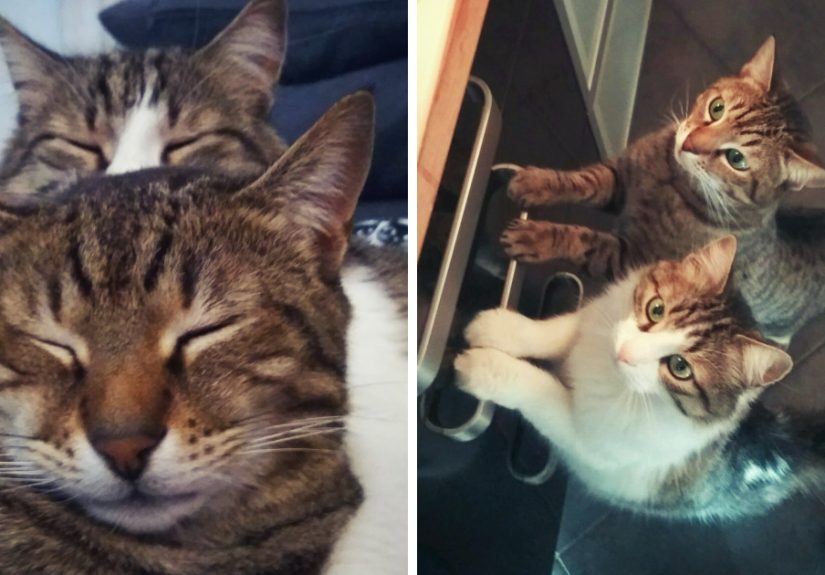
Some stories grab people by the feelings and refuse to let go. This is one of them. A tiny stray kitten is discovered in a parking lot, all nerves and fluff and suspicious eyeballs. He is brought home, where a resident cat does something deeply inconvenient for the stereotype that cats are cold little aristocrats who only care about snacks and dramatic window staring. Instead of acting like a grumpy landlord, the resident cat steps in like a patient older brother. He watches. He waits. He grooms. He shares space. He teaches. And eventually, the rescued kitten offers his own version of gratitude, usually in the form of trust, shadowing, cuddling, or that soft, ridiculous look cats get when they have decided someone is now their whole universe.
That is why stories like this travel so far online. They are not just cute. They are emotionally precise. They show rescue, adjustment, mentorship, and belonging in one fuzzy package. They also happen to line up with a lot of what cat behavior experts and animal welfare organizations have been saying for years: cats can absolutely form strong social bonds, but the best outcomes usually happen when humans manage introductions carefully, protect health, and let trust build at the cat’s pace.
So yes, the headline sounds like a heart-melting internet fairy tale. But underneath it is something real: a rescued kitten getting a second chance, a resident cat making room for a newcomer, and a household learning that kindness does not always bark. Sometimes it purrs.
Why This Kind Of Cat Rescue Story Hits So Hard
A parking lot is not where anyone wants a kitten’s story to begin. It suggests danger right away: traffic, weather, hunger, parasites, illness, and the plain old problem of being far too small in a world built for things much larger and much less polite. When someone scoops up a stray kitten from a place like that, the rescue already feels cinematic. Add in a compassionate house cat, and suddenly the story has a full emotional arc.
But the reason readers connect so strongly is simpler than that. We love seeing competence wrapped in tenderness. The resident cat often becomes the emotional translator between fear and safety. Humans may provide food, warmth, and veterinary care, but another cat can offer a different kind of reassurance. He can show the kitten where to nap, when to relax, how to use the litter box, how to play without panic, and how to accept affection without behaving like every finger is part of an elaborate conspiracy.
That is the magic of these rescue stories: they make survival feel personal. The kitten is not just saved. He is welcomed. And welcome is what turns a rescue into a home.
What Really Happens When You Bring Home A Stray Kitten
As adorable as the fairy-tale version is, the real-life version begins with less movie music and more logistics. A found kitten should be checked for a microchip, evaluated by a veterinarian, and kept separate at first from resident pets. That is not a lack of trust. It is basic common sense. Even kittens that look healthy can carry parasites, infections, or skin issues, and some conditions can spread to other pets or even people.
That early separation period matters for emotional reasons too. A kitten fresh from the outdoors is often overwhelmed. Everything is new: indoor noises, food bowls, litter texture, human footsteps, the smell of fabric softener, and that one chair every cat in America decides is haunted. Giving the kitten a quiet room with food, water, bedding, hiding spots, and a litter box creates the kind of predictable environment that nervous cats need.
Meanwhile, the resident cat is also having feelings. From his perspective, a stranger has arrived and the household smells wrong. Cats are deeply sensitive to territory and routine. That does not mean they are doomed to hate each other. It just means introductions should be slow, structured, and respectful.
The First Big Lesson: Scent Comes Before Friendship
Cats do not exchange résumés. They exchange scent information. Before they become cuddle buddies, they usually need time to learn each other through smell. This is why animal behavior guidance so often recommends swapping bedding, rotating spaces, or allowing cats to investigate each other through a closed door before direct contact.
To humans, that can feel hilariously indirect. To cats, it is smart diplomacy. Scent tells them whether the newcomer is alarming, familiar, calm, exciting, or worth monitoring from a bookshelf like a tiny security guard. By the time the two cats actually see each other, the introduction is no longer between total strangers. It is between two beings who have already read the room, literally through their noses.
The Second Lesson: The Resident Cat Sets The Tone
When a resident cat is calm, social, and secure, he can become the household’s unofficial orientation manager. He demonstrates that food appears on schedule, humans are safe enough to nap near, and no one needs to launch a dramatic emotional protest over the existence of a second cat bed.
This is especially important for rescued kittens. Kittens learn fast, and they often mirror what seems to work. If they see another cat relaxing in the open, rubbing against a person, using the litter box, and engaging in play, they are more likely to test those behaviors themselves. In that sense, the resident cat is not just being sweet. He is modeling a whole social system.
When Caretaking Turns Into A Bond
Some cats never become best friends, and peaceful coexistence is a perfectly good result. But every so often, something better happens. The resident cat starts grooming the kitten. He sleeps near him. He tolerates the baby-level chaos of surprise pounces and badly timed zoomies. He checks in when the kitten cries. He shares favorite napping spots with the weary patience of a cat who did not ask to be a mentor but has accepted the assignment.
That grooming behavior is especially powerful to watch. In the cat world, grooming can do more than keep fur tidy. It can reinforce social bonds, reduce tension, and communicate acceptance. When a bigger cat licks the tiny forehead of a former stray, humans instantly translate it as love. We are not entirely wrong. It may not be sentimental in the human sense, but it is relational, affiliative, and meaningful.
The rescued kitten’s “thank you” often arrives in smaller, quieter ways. He starts following the resident cat from room to room. He copies his posture. He kneads beside him. He curls up against his side like a furry comma. He chirps when the older cat enters the room. He wants to be near him not because he has nowhere else to go, but because he has chosen him.
And that is the part that melts people. Gratitude in animals is not a speech. It is trust offered back.
Why People Call It A “Thank You”
Strictly speaking, cats are not sitting around composing handwritten notes that say, “Dear Sir, thank you for mentoring me after the parking lot incident.” But affection, attachment, and social preference are real. When a once-scared kitten begins seeking out the cat who made him feel safe, people naturally read that as thanks. The label is emotional, but the behavior underneath it is grounded in reality.
Think about what that transformation represents. At first, the kitten may crouch, hide, freeze, or bolt. Later, he may approach voluntarily, rest belly-down in open areas, play with confidence, and lean into contact. In many rescue stories, the “thank you” is not one grand cinematic gesture. It is a collection of tiny yeses: yes to food, yes to sleep, yes to touch, yes to company, yes to being home.
Sometimes the kitten becomes openly devoted. He trails the older cat like an intern following the best manager in the building. He waits outside the bathroom door. He steals the exact bed the older cat just warmed up. He attempts head bumps with the enthusiasm of someone who has not yet mastered personal space. It is chaos. It is adorable. It is also how bonds look in a species that prefers actions over declarations.
How To Give A Rescue Story The Best Chance Of A Happy Ending
Start With Health, Not Hopes
The first priority with a found kitten is medical care. A veterinary exam helps identify issues like fleas, ear mites, intestinal parasites, upper respiratory symptoms, skin problems, and vaccine needs. It also helps determine age, feeding schedule, and whether the kitten is old enough for certain preventive care. Optimism is lovely, but deworming is better.
Use A Separate Starter Room
Give the kitten a quiet setup with easy access to essentials. Small spaces are less overwhelming. Add a hiding area, soft bedding, and interactive toys. Let the kitten settle before expecting instant social brilliance. Being rescued is still a massive change, even when the outcome is good.
Introduce Cats Slowly
Let the cats learn each other by scent first, then by controlled visual exposure, and only later through supervised interaction. Rushing introductions can create fear and conflict that take far longer to undo than to create. Slow is not boring. Slow is strategic.
Multiply Resources
One food bowl, one litter box, and one prime sleeping spot is a reality show waiting to happen. Multiple resources reduce tension. Cats generally do better when there are enough litter boxes, resting places, perches, toys, and feeding areas to avoid constant negotiation. Nobody needs a kitchen-politics situation before breakfast.
Reward Calm Behavior
Soft praise, treats, play, and routine help both cats associate the other’s presence with good things. If one cat seems stressed, back up a step. Progress is not linear. Some cats move from suspicion to friendship fast. Others need weeks. A few need months. The goal is not a viral video by Tuesday. The goal is durable trust.
What Stories Like This Teach Us About Cats
The biggest lesson is that cats are more socially flexible than many people assume. They are not dogs in cat suits, and they do not all want a live-in companion. But under the right conditions, many cats can coexist peacefully and some form strikingly tender relationships. Rescue stories involving a parking-lot kitten and a nurturing resident cat make that truth visible.
They also remind us that good outcomes are rarely random. Behind every “my cat adopted the kitten” story, there is usually a lot of invisible work: the rescue, the vet visit, the quarantine, the slow introductions, the extra litter box, the careful observation, the late-night worry, the second-guessing, and the decision to let trust grow instead of trying to force a perfect moment.
In other words, the heartwarming part is real, but it is built on patience. That may be the most comforting detail of all. Love in animal rescue is not only dramatic. It is practical. It is clean towels, measured meals, closed doors, gentle repetition, and the willingness to celebrate progress that would look tiny to anyone who has never earned a scared kitten’s confidence.
Experiences That Echo This Kind Of Story
People who have taken in stray kittens often describe the same emotional pattern, even when the details differ. The first day is usually all uncertainty. The kitten may hide behind a box, flatten his ears, or stare at every movement like he has accidentally wandered into a science-fiction film. The resident cat, meanwhile, may sit outside the door and sniff with deep suspicion, as though management failed to notify him about a new tenant. Nothing about the scene screams “future best friends.”
Then the small moments start stacking up. A paw appears under the door. The older cat sniffs back instead of hissing. Bedding gets swapped, and nobody files a formal complaint. The kitten eats a little more. He starts playing with a toy instead of only watching it. The resident cat lingers nearby during supervised visits, not because he is obsessed with drama, but because curiosity is beginning to outvote caution.
One of the most common experiences people report is the first grooming moment. It usually happens when humans least expect it. There is no trumpet fanfare. Maybe the kitten has finally fallen asleep close enough to touch. Maybe the older cat leans in, sniffs his head, and gives one careful lick. Then another. Suddenly every person in the room forgets how to behave normally. Someone whispers. Someone cries. Someone takes seventeen blurry photos. Civilization briefly pauses.
Another familiar experience is the “shadow phase.” Once the stray kitten decides the resident cat is safe, he follows him everywhere. To the food bowl. To the hallway. To the window. To the exact cardboard box the older cat entered one second ago. It can look funny, but it is also moving. A kitten who once had no safe guide now has one, and he acts like it.
Families also notice that the rescued kitten often becomes emotionally bolder after bonding with the resident cat. He may start greeting humans sooner, exploring higher perches, playing more freely, and relaxing in open spaces. It is as if the older cat has vouched for the household. For a once-stray kitten, that kind of endorsement can change everything.
And then comes the part people remember forever: the sense that the kitten never forgets who helped him settle in. Even after he grows, gets stronger, and becomes fully at home, he still seeks out the older cat. He naps next to him. He grooms him back. He waits for him. He chooses him. Whether we call that gratitude, attachment, or simple feline friendship, it lands the same way in a human heart. It feels like thanks.
Conclusion
“My Cat Took Care Of A Stray Kitty We Found In A Parking Lot, The Way He Thanked Him Will Melt Your Heart” sounds like a headline built to make people stop scrolling, and to be fair, it absolutely is. But it also points to something true about rescue and about cats. Safety can be taught. Trust can be borrowed until it grows. A resident cat can become a bridge between fear and belonging. And a stray kitten’s version of gratitude can be so quiet, so steady, and so sincere that it says more than words ever could.
That is why these stories stay with us. They remind us that compassion is not always loud. Sometimes it looks like a bigger cat making room on the blanket. Sometimes it looks like a tiny former stray curling up beside him at last, as if to say, in the softest way possible, “I know. I’m safe now.”