Table of Contents >> Show >> Hide
- What Is a Mortise Lever Latch Interior Door Handle?
- Mortise vs. Tubular Latch: Why the Difference Matters
- Why Lever Handles Are So Popular Indoors
- Common Interior Functions: Passage, Privacy, and Dummy
- How to Choose the Right Mortise Lever Latch Interior Door Handle
- Best Places to Use Mortise Lever Latch Interior Door Handles
- Installation: DIY, Pro, or “Call Someone Before the Door Gets Worse”?
- Common Problems and Easy Fixes
- Design Tips for a Better Result
- Real-World Experiences With Mortise Lever Latch Interior Door Handles
- Conclusion
If you have ever closed a door and thought, “Wow, that felt expensive,” there is a decent chance a mortise lever latch interior door handle was involved. Mortise hardware has a way of making even a simple bedroom or study door feel more substantial. The lever moves with a smoother, more deliberate action. The backplate looks tailored instead of tacked on. And the whole setup gives off a quiet little message: this door has standards.
That is exactly why mortise lever latch interior door handles keep showing up in thoughtful renovations, period-home restorations, boutique-inspired interiors, and homes where the owner is determined to remove every last flimsy builder-grade knob. They are practical, attractive, and satisfyingly solid. In other words, they are the opposite of door hardware that rattles like it owes you money.
This guide explains what a mortise lever latch interior door handle is, how it differs from a tubular latch setup, which functions make sense for different rooms, what measurements matter before you buy, and what real-life homeowners usually learn after living with one. If you want a door handle that looks better, feels better, and usually lasts longer, you are in the right hallway.
What Is a Mortise Lever Latch Interior Door Handle?
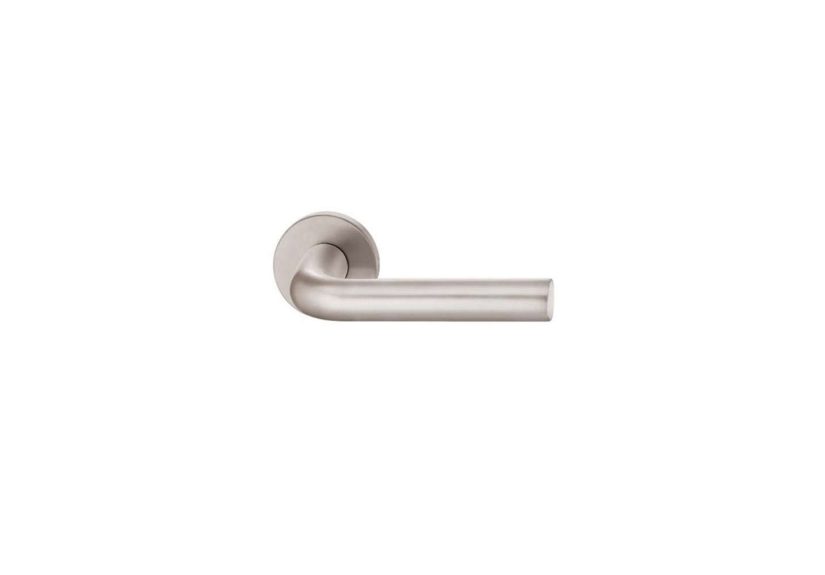
A mortise lever latch interior door handle is a lever-operated interior door set that uses a mortise-style latch or lock body installed inside a rectangular pocket cut into the edge of the door. That pocket is called the mortise. Instead of relying on the more common bored-hole cylindrical or tubular setup, the working parts sit inside a deeper lock body that slides into the door edge.
In plain English, a mortise setup is more built-in and less plug-and-play than standard hardware. The mechanism is usually paired with a lever on one or both sides of the door, along with either a rose or a long backplate. Depending on the function, the set may be passage, privacy, or dummy.
For interior doors, mortise lever latch hardware is often chosen for three big reasons: durability, design, and feel. It has a more architectural look than many basic lever sets, and the operation often feels smoother and more precise. Some homeowners love it because it matches older homes. Others choose it because they want modern performance without a cheap, disposable vibe.
Mortise vs. Tubular Latch: Why the Difference Matters
If you are shopping for interior door hardware, the biggest fork in the road is this: are you replacing existing mortise hardware, or are you starting with a standard pre-bored door?
A tubular latch system is the more common modern setup. It works with the usual round bores drilled through the face and edge of the door. It is easier to install, easier to replace, and usually less expensive. That is why you see it everywhere from quick remodels to standard new construction.
A mortise setup is different. It requires a rectangular cutout in the door edge, and dimensions vary by manufacturer and product line. That is one reason mortise hardware has a reputation for requiring more planning. If your door is already prepped for mortise hardware, great. You are playing on easy mode. If not, you may need professional door prep or careful modification.
So why bother? Because mortise hardware typically offers a sturdier feel, more design presence, and a more integrated mechanism. In higher-end applications, it is often seen as a premium solution rather than a basic commodity item. Think of tubular hardware as a perfectly good daily driver. Mortise hardware is the version with better suspension, nicer trim, and doors that close with a satisfying click instead of a shrug.
Why Lever Handles Are So Popular Indoors
The “lever” part of a mortise lever latch interior door handle is not just about looks. Lever handles are easier to operate than round knobs because they do not require as much grasping and twisting. That can make them more comfortable for everyday use, especially in homes with kids, older adults, or anyone carrying laundry, books, coffee, or a mysteriously tangled phone charger.
Lever handles also suit a wide range of styles. A simple straight lever can feel minimal and contemporary. A gently curved lever can lean traditional. Pair the lever with a long plate, and suddenly your hallway looks like it belongs in a carefully restored townhouse. Pair it with a round rose, and you get a cleaner, more understated effect.
Because the handle is used constantly, feel matters just as much as finish. A good mortise lever handle usually feels weighty, steady, and predictable. There is no wobble, no weird plastic flex, and no sense that the handle might file for retirement after two holiday seasons.
Common Interior Functions: Passage, Privacy, and Dummy
Not every interior mortise lever latch handle is supposed to lock. Choosing the correct function is one of the most important buying decisions.
Passage
A passage mortise lever handle is for rooms that do not need locking. Hallways, closets, laundry rooms, home offices that do not require privacy, and connecting doors often use passage hardware. The lever operates the latch, but there is no lock button or thumbturn.
Privacy
A privacy mortise lever handle is the go-to choice for bedrooms and bathrooms. It typically includes an interior turn piece or privacy mechanism and some type of emergency release access on the outside. The point is privacy, not fortress-level security. It keeps routine interruptions out, not determined siblings with opinions.
Dummy
A dummy set is decorative or pull-only hardware. It does not operate a latch. It is useful on inactive doors, closet doors with roller catches, or paired doors where only one side actually functions. Dummy hardware can help maintain a consistent design throughout the house, which is a very polite way of saying it keeps one oddball door from ruining the entire aesthetic.
How to Choose the Right Mortise Lever Latch Interior Door Handle
Buying the right set comes down to more than choosing a finish that looks good in a product photo. Door hardware is a measurements game wearing a fashion hat.
1. Check the Existing Door Prep
If the door already has a mortise pocket, start there. Measure the existing pocket carefully and compare it with the new hardware’s specifications. Mortise bodies are not universally interchangeable. A set that looks perfect online can turn into a weekend crisis if the lock body dimensions do not match the door.
2. Measure the Backset
Backset is the distance from the edge of the door to the centerline of the handle or bore. Standard bored residential doors commonly use 2-3/8-inch or 2-3/4-inch backsets, but mortise hardware may use other measurements depending on the product. Some interior mortise latch sets are designed around 2-3/8-inch backsets, while other mortise families offer 2-1/2-inch, 2-3/4-inch, or narrow options. The lesson is simple: never assume. Measure first.
3. Confirm Door Thickness
Many interior doors are 1-3/8 inches thick, while exterior doors are often thicker. Mortise hardware needs to fit the actual thickness of your door, including the spindle and through-bolts or connectors. If you are working with a solid-core interior door, a custom door, or an older house with nonstandard proportions, double-check compatibility before ordering.
4. Determine Handing
Some lever sets are reversible, but others require left-hand or right-hand ordering. Handing conventions can vary by manufacturer, especially when they describe the door from the exterior or outside of the room. Translation: read the product instructions carefully instead of trusting your inner optimist.
5. Pick the Right Finish and Style
Popular finishes include matte black, satin nickel, polished chrome, aged brass, oil-rubbed bronze, and polished brass. For a cleaner modern interior, matte black and satin nickel are reliable favorites. For traditional or historic homes, unlacquered brass, antique brass, and bronze finishes often feel more appropriate. The best choice usually depends on the hinges, cabinet hardware, plumbing trim, and the mood you want the room to have.
6. Think About Material Quality
Solid brass, forged brass, and quality metal construction generally signal better durability than lightweight mixed-material sets. Since lever handles are touched all day, every day, material quality has a direct effect on how the set ages. Good hardware tends to patina, settle in, and gain character. Cheap hardware tends to loosen, flake, and test your vocabulary.
Best Places to Use Mortise Lever Latch Interior Door Handles
These handles work especially well in:
- Primary bedrooms where you want better privacy hardware and a more refined look
- Bathrooms where a privacy turn and easy-to-use lever make sense
- Home offices, dens, and libraries where architectural detail matters
- Historic homes that originally used mortise hardware
- Whole-house renovations where consistency from room to room is part of the design plan
They are also a strong choice for solid-core interior doors. A lightweight hollow-core slab with ornate mortise trim can still work, but it sometimes feels like putting tuxedo shoes on a skateboard.
Installation: DIY, Pro, or “Call Someone Before the Door Gets Worse”?
If you are replacing existing mortise hardware with a compatible new set, the job can be manageable for a careful DIYer. The key is patience, labeling parts, and comparing the new body with the existing pocket before getting overly confident.
If your door is not already mortised, the job becomes more technical. Creating a rectangular pocket in the door edge requires accuracy. Even a small error can lead to sloppy fit, misaligned trim, poor latch action, or a door that closes like it is holding a grudge.
That is why many homeowners hire a professional when converting a standard interior door to mortise hardware. The extra cost can be worth it, especially if the door is expensive, historic, or part of a full-house upgrade where consistency matters.
Common Problems and Easy Fixes
The Door Will Not Latch Smoothly
Often, the issue is not the handle at all. It may be hinge sag, strike misalignment, or a door that has shifted slightly. Start by tightening hinge screws and checking whether the latch is landing high or low on the strike.
The Lever Feels Loose
Inspect set screws, spindle fit, and mounting screws. On older doors, stripped screw holes or worn internal parts may also be contributing to the problem.
The Latch Sticks
Look for paint buildup, misalignment, or wear inside the lock body. Older mortise hardware can often be cleaned, lubricated, and restored rather than immediately replaced.
The New Hardware Does Not Fit the Old Pocket
This is the classic mortise-hardware plot twist. Before cutting or patching anything, compare body dimensions, faceplate size, spindle location, and door thickness requirements. In some cases, a different product line or a restoration-focused supplier is the smarter solution.
Design Tips for a Better Result
If you want your mortise lever latch interior door handle to look intentional instead of random, think beyond the handle itself.
Match your hinges to your handle finish when possible. Keep plate shapes consistent throughout the home. Decide whether you want every interior door to coordinate exactly or whether public-facing rooms will get more decorative hardware while secondary rooms stay simpler. That approach is especially effective in older homes, where historically the main rooms often had more ornate hardware than utility spaces.
Also consider scale. A long-plate mortise set can make a tall door feel elegant and substantial. A compact rose-mounted lever may be better for a smaller or more modern room. The right handle should look like it belongs to the door, not like it wandered over from another renovation.
Real-World Experiences With Mortise Lever Latch Interior Door Handles
One of the most common experiences homeowners report after switching to mortise lever latch interior door handles is surprise at how much the change affects the entire room. Not because guests gather around the handle and applaud, although that would be nice, but because better hardware changes the feel of daily life in small, repeatable ways. You touch a door handle constantly. When that interaction improves, the room quietly feels more finished.
In older homes, the experience is often about restoration rather than replacement. A homeowner may discover an original mortise pocket hidden under layers of paint and mismatched hardware. Once a proper mortise lever set is installed, the door suddenly looks as if it finally got its identity back. The proportions make sense again. The backplate covers the right area. The latch closes with a cleaner sound. The result feels less like a new purchase and more like a correction of a long-standing mistake.
In newer homes, the experience is usually about upgrading from basic hardware that worked fine on paper but felt flimsy in practice. Many people start with one room, often a powder room, office, or primary bedroom, and then realize the new handle makes every other lever in the house look underdressed. That is how a simple “I am just replacing one handle” project turns into six boxes in the hallway and a spreadsheet about finishes.
Another real-world lesson involves privacy hardware. On bedroom and bathroom doors, a mortise privacy lever often feels more substantial and easier to use than a bargain lockset. The interior turn is usually more deliberate, and the lever action tends to feel smoother. That matters in everyday use. No one wants a bathroom door that locks with all the confidence of wet cardboard.
There is also the tactile experience. People notice the weight of the lever, the steadiness of the backplate, and the cleaner movement of the latch. Even those who cannot explain the hardware difference often describe the door as feeling “nicer,” “quieter,” or “more solid.” That is one reason good door hardware punches above its weight in a remodel budget. It is a small detail that gets used often enough to justify the upgrade.
Of course, the experience is not always glamorous. Sometimes it involves discovering that the old door is slightly warped, the strike plate is misaligned, or the mortise pocket was altered at some point by a previous owner with suspicious confidence and a chisel. But even those headaches teach the same lesson: measure carefully, buy hardware that matches the actual door, and do not assume all mortise sets share the same dimensions.
Once installed correctly, though, a mortise lever latch interior door handle tends to earn long-term loyalty. Homeowners rarely say, “I regret choosing the handle that feels better every single day.” Usually, the opposite happens. They start noticing every cheap knob in the house and begin planning the next upgrade. That may not be a side effect mentioned on the packaging, but it is very real.
Conclusion
A mortise lever latch interior door handle is one of those upgrades that blends utility and style in the best possible way. It offers the design presence of classic architectural hardware, the everyday comfort of a lever handle, and the sturdy performance that makes a door feel properly made. It is not always the simplest option, but it is often the more rewarding one.
If your door already has a mortise pocket, replacing the hardware with a quality lever set can dramatically improve both appearance and function. If you are planning a full upgrade from standard hardware, measure carefully, verify the backset, confirm door thickness and handing, and decide whether professional prep makes sense. Done right, this is the kind of detail that makes your home feel more polished every single day.