Table of Contents >> Show >> Hide
- Why Navy Blue Works So Well on Nightstands
- Before You Paint: Know What You Are Working With
- How to Prep a Nightstand for a Modern Finish
- Choosing the Right Navy Blue Paint and Finish
- Brush, Roller, or Sprayer?
- Modern Design Details That Upgrade the Look
- How to Style a Navy Blue Nightstand
- Common Mistakes to Avoid
- A Simple Makeover Plan You Can Actually Follow
- Final Thoughts on a Modern Navy Blue Nightstands Makeover
- Experiences and Real-Life Lessons From a Modern Navy Blue Nightstands Makeover
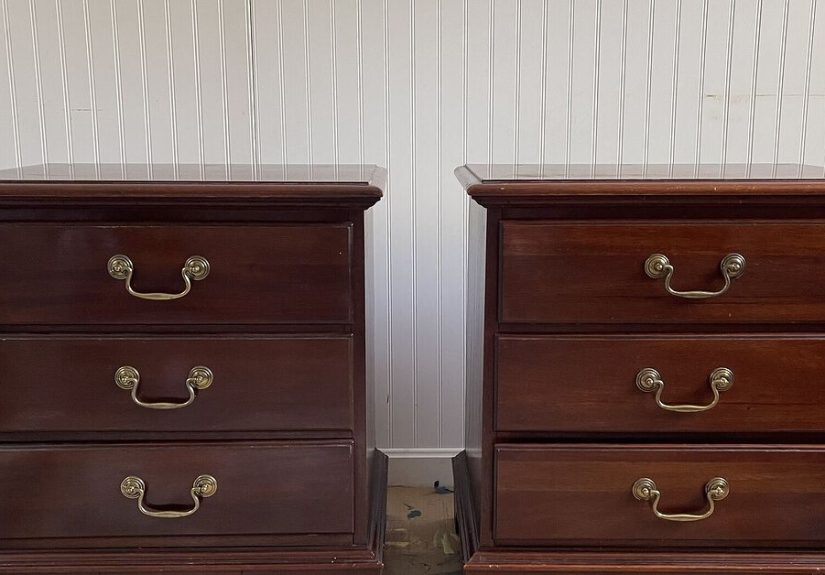
Some furniture makeovers whisper. A modern navy blue nightstand makeover walks into the room, straightens its blazer, and says, “Yes, I do know where the good lamp is.” Navy is classic, polished, and just dramatic enough to make a basic bedside table look custom instead of college-dorm-survivor. If your current nightstand is scratched, orange-toned, outdated, or simply giving off “I came with the bedroom set and no one asked me how I felt about it,” navy blue can change the story fast.
The best part? This kind of makeover does not require a design degree, a spray booth, or a television crew shouting about reveal day. With smart prep, the right primer, a durable paint choice, and a few modern styling decisions, you can turn a tired nightstand into a rich, tailored piece that looks far more expensive than it is. And because navy plays nicely with brass, black, chrome, natural wood, white bedding, and warm neutrals, it fits a surprising number of bedroom styles, from coastal modern to midcentury-inspired to clean contemporary.
In this guide, you will learn how to plan, paint, and style a modern navy blue nightstand makeover that feels intentional rather than accidental. We will cover materials, prep, color strategy, hardware upgrades, common mistakes, and design ideas that keep the final result looking fresh and current.
Why Navy Blue Works So Well on Nightstands
Navy blue is one of those rare colors that feels both bold and dependable. It has depth without looking gloomy when balanced correctly, and it gives small furniture instant presence. On a nightstand, navy creates contrast next to pale bedding, white walls, oak floors, or linen drapes. It also adds structure to softer bedroom materials like quilts, bouclé benches, upholstered headboards, and woven baskets.
From a design standpoint, navy is useful because it can swing in multiple directions. Pair it with brass and walnut, and it leans warm, tailored, and slightly midcentury. Pair it with matte black, white, and gray, and it looks crisp and contemporary. Pair it with cane, rattan, and sandy neutrals, and suddenly you have a modern coastal look that does not scream “nautical gift shop.” In other words, navy is flexible. Your old pine nightstand just got promoted.
Before You Paint: Know What You Are Working With
Before you pop open a paint can and start feeling powerful, identify the material. Is your nightstand solid wood, veneer, laminate, melamine, or particleboard? The answer affects prep, primer choice, and how aggressive you should be with sanding. Solid wood is forgiving. Laminate and veneer need a gentler touch, because the goal is not to remove the surface entirely but to dull it enough for primer to grip.
Also inspect the condition. Small nicks, light scratches, and a glossy old finish are normal makeover material. But if the surface is peeling badly, bubbling, or sticky from old polish buildup, you need more prep time. Remove the drawer, take off hardware, and look for loose joints. A gorgeous paint color cannot rescue a drawer front that wobbles like it is auditioning for a soap opera.
If you are working on very old furniture from a pre-1978 home, be cautious with sanding and dust control. Older painted surfaces may involve lead hazards, so this is not the moment for wild power-sander enthusiasm. Safe handling matters more than a weekend timeline.
How to Prep a Nightstand for a Modern Finish
1. Clean First, Always
Furniture collects body oils, dust, wax, polish residue, and mystery grime. Clean the piece thoroughly with a degreasing cleaner or a damp cloth with mild soap, then let it dry completely. This step sounds boring because it is boring. It is also the difference between paint that bonds and paint that later peels off in a dramatic sheet while you are trying to look accomplished.
2. Sand to Dull, Not Destroy
For many nightstand makeovers, you do not need to strip every inch to bare wood. A light to moderate sanding is often enough to dull the existing finish and give primer traction. Use medium grit for the initial scuffing, then finer grit to smooth. On laminate or veneer, go lightly and evenly. Think “rough up the shine,” not “excavate the furniture.”
3. Repair the Surface
Fill dents, chipped corners, and old hardware holes if you plan to change the pull style. Let filler dry, then sand smooth. Modern furniture looks clean and intentional, so this is where you erase the visual clutter of old damage.
4. Prime Like You Mean It
Primer is not optional when you want a durable furniture finish, especially on glossy, previously coated, laminate, or stain-prone surfaces. A bonding or high-adhesion primer helps the topcoat grip and creates a more even final color. Navy is rich, but it still looks better over a properly prepared base than over a patchwork of old orange oak, shiny varnish, and wishful thinking.
5. Sand Lightly Between Layers
Once the primer dries, do a light sanding with fine grit to knock down texture, dust nibs, or raised grain. Wipe the piece clean again. This one step makes a huge difference if you want your nightstand to look smooth, refined, and closer to factory-finished than hand-painted-in-the-driveway.
Choosing the Right Navy Blue Paint and Finish
Not all navy blues are created equal. Some read almost black. Some lean gray. Some pull slightly green. For a modern navy blue nightstand makeover, the sweet spot is usually a deep, inky blue that still clearly reads blue in daylight and lamplight. Too dark, and the piece can feel heavy. Too bright, and it can drift toward playful instead of sophisticated.
Sample if possible. Look at the color in morning light, evening light, and with your bedding, rug, and wall color nearby. A navy that looks elegant against a paint-chip card can suddenly feel flat next to cool gray sheets or too harsh beside warm cream walls.
As for finish, many DIYers prefer satin, eggshell enamel, or a furniture-specific finish that is durable but not overly glossy. High shine can highlight brush marks and imperfections, while a totally flat finish may show fingerprints more easily on high-touch furniture. For a modern look, aim for a soft sheen that catches a little light without turning the nightstand into a reflective event.
Brush, Roller, or Sprayer?
There is no one perfect method, but there is a best method for the result you want. For most DIY nightstand projects, a combination approach works beautifully: use a good angled brush for corners, trim, edges, and details, then a small high-density foam roller on broad flat areas like drawer fronts and side panels. That combination helps reduce visible brush strokes and keeps the finish more even.
Sprayers can give an ultra-smooth look, but they also require more setup, masking, ventilation, and cleanup. If you already own one and know how to use it, great. If not, a brush-and-foam-roller method is usually more realistic and still capable of producing a polished finish.
Modern Design Details That Upgrade the Look
Swap the Hardware
New hardware is the jewelry of the makeover. A navy-painted nightstand with modern brass pulls looks sharp, warm, and designer-friendly. Matte black hardware creates a cleaner, more architectural mood. Slim bar pulls, small round knobs, or simple tab pulls tend to look more current than ornate, curvy handles from another era.
Add Contrast With Wood or Metal
If your nightstand has legs, consider leaving them in natural wood or refinishing them in a warm walnut tone for contrast. Navy paired with wood feels balanced and less heavy. Another option is metallic feet caps or subtle gold accents if you want a boutique-hotel vibe without a boutique-hotel invoice.
Line the Drawer
A patterned or textured drawer liner is a small detail, but it makes the makeover feel finished. Choose a subtle stripe, a soft neutral print, or even a faux linen liner. It is the kind of detail that makes opening the drawer feel unexpectedly fancy, which is important when that drawer mostly contains lip balm and random charging cables.
Consider the Shape of the Piece
Not every nightstand wants the same treatment. A boxy builder-grade piece may benefit from streamlined hardware and a clean full-body paint application. A vintage table with pretty legs might look better with selective paint and some wood left exposed. The goal is not to force the furniture into a trend costume. The goal is to reveal its best modern version.
How to Style a Navy Blue Nightstand
Once the paint dries and cures, styling matters. A modern navy blue nightstand makeover does not end with the last coat. It ends when the piece actually looks integrated into the bedroom.
Start with a lamp that contrasts in shape or finish. A white ceramic lamp, a glass base, or a brass task lamp all work well with navy. Add one or two accessories only: perhaps a small tray, a book, or a low vase with greenery. Nightstands look best when edited. This is furniture, not a museum gift shop checkout counter.
For color pairings, navy is especially strong with warm white, ivory, camel, tan, oak, walnut, sage, blush, dusty blue, and muted gold. If your bedroom feels too coordinated, that is actually good news. Modern rooms often look better when the nightstands relate to the bed and dresser without matching them exactly. A navy nightstand can break up a predictable bedroom set and make the room feel more layered and collected.
Common Mistakes to Avoid
Skipping Prep
If you paint over dirt, wax, or gloss, the finish may fail. That is not “rustic.” That is just annoying.
Using the Wrong Primer
Laminate, veneer, stained wood, and previously painted surfaces each have different needs. Use a primer designed for adhesion, especially on slick surfaces.
Applying Thick Coats
Heavy coats cause drips, long dry times, and that gummy feeling no one wants on furniture. Thin, even coats are slower in the moment but far better in the end.
Rushing Recoat and Cure Time
Dry to the touch is not the same as fully cured. Let the nightstand harden according to the product instructions before stacking books, sliding lamps, or shutting the drawer with the confidence of a person who definitely read the label.
Ignoring the Bedroom Around It
A navy nightstand should support the room, not hijack it. If everything else in the bedroom is dark and heavy, lighten the surrounding textiles or wall art. If the room is pale and airy, navy can act as the anchor that keeps it from floating off into blandness.
A Simple Makeover Plan You Can Actually Follow
- Remove hardware and drawer.
- Clean thoroughly and let dry.
- Sand lightly to dull the finish.
- Repair dents or fill old hardware holes.
- Apply bonding primer.
- Lightly sand the dry primer.
- Apply two thin coats of navy paint.
- Sand lightly between coats if needed.
- Add protective topcoat if your paint system calls for one.
- Install modern hardware and style the surface.
Final Thoughts on a Modern Navy Blue Nightstands Makeover
A modern navy blue nightstand makeover is one of the smartest small-furniture projects you can do because it hits the sweet spot between practical and dramatic. It does not take up much paint, it can often be completed in a weekend plus cure time, and it instantly changes how your bedroom feels. Navy adds mood, polish, and contrast. New hardware adds personality. Good prep adds durability. Put them together, and even a forgettable nightstand starts looking like a deliberate design move.
If you want a bedroom that feels calmer, more custom, and less like it was purchased in one nervous shopping trip, this makeover is worth the effort. The key is not fancy technique. It is patience, prep, and making a few smart style choices. In other words: clean it, sand it, prime it, paint it, let it cure, and do not sabotage the whole thing with a giant pile of receipts and tangled chargers five minutes later.
Experiences and Real-Life Lessons From a Modern Navy Blue Nightstands Makeover
One of the most interesting things about a navy nightstand makeover is how emotional such a small project can be. People often start because the furniture is cheap, inherited, worn out, or simply out of place, but somewhere between the sanding dust and the second coat, the project becomes personal. That sounds dramatic for a bedside table, but furniture has a sneaky way of collecting history. It sits next to your bed through routine, mess, stress, and late-night scrolling. Updating it can feel like updating your daily environment in a way that is surprisingly satisfying.
A common experience is initial doubt about the color. Navy on a paint sample can feel safe, but when it first goes onto an old honey-oak nightstand, it may look too dark, too bold, or a little terrifying. Then the second coat goes on, the hardware gets swapped, the lamp returns to its place, and suddenly the piece makes sense. That shift teaches an important lesson: furniture makeovers often look awkward in the middle. The middle is a liar. Trust the process more than the half-finished stage.
Another real-life lesson is that prep work always takes longer than expected, and it is almost always worth it. Many people begin thinking the fun part is the color, only to learn that the true hero is the boring stuff: cleaning, sanding, priming, and waiting. The best-looking makeover is usually not the one with the fanciest brush or trendiest paint name. It is the one where someone took time to smooth the drawer front properly and did not rush the dry time because they got impatient at 10:30 p.m.
There is also a styling lesson that tends to happen after the project is done. Once the nightstand looks fresh and modern, the rest of the bedroom suddenly starts revealing its secrets. The tired lamp looks extra tired. The old hardware on the dresser starts begging for a replacement. The pile of random bedside clutter becomes much less charming. In that sense, a navy nightstand makeover often becomes the gateway project that helps people understand what their room actually needs. Not a full renovation. Just better editing, better contrast, and one or two thoughtful updates.
Perhaps the best experience tied to this makeover is the feeling of walking into the room afterward and realizing that something looks more expensive, calmer, and more intentional, even though the budget stayed reasonable. That is the magic of a well-chosen color and a smart furniture refresh. Navy feels grounded. It makes lightweight furniture feel substantial. It gives old pieces relevance again. And when the final look is paired with a warm lamp, crisp bedding, and simple accessories, the room feels pulled together in a way that photographs well but matters even more in real life.