Table of Contents >> Show >> Hide
- What Is Microdosing?
- Why Are People Interested in Microdosing?
- Possible Benefits of Microdosing: What People Claim and What Science Says
- Risks of Microdosing
- Who Should Be Especially Cautious?
- Microdosing and the Placebo Question
- How to Think About Microdosing Responsibly
- Common Myths About Microdosing
- Microdosing Experiences: What People Commonly Report
- Conclusion
Microdosing has become one of those wellness buzzwords that floats around the internet wearing a lab coat, a yoga mat, and a tiny question mark. Some people talk about it as if it is the secret sauce for creativity, focus, and emotional balance. Others see it as an under-researched trend built on hype, legal gray areas, and a very human talent for believing we have discovered a shortcut.
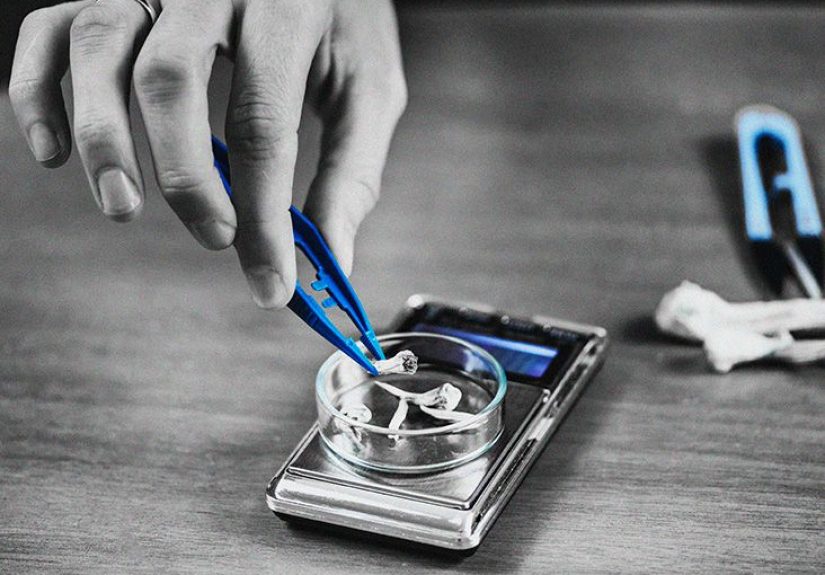
So what is microdosing, really? In simple terms, microdosing usually refers to taking a very small amount of a psychoactive substance, most often a psychedelic compound such as psilocybin or LSD, with the goal of producing subtle effects rather than a full psychedelic experience. People who discuss microdosing often claim they are seeking better mood, sharper focus, more creativity, or improved emotional resilience. However, the science is still developing, and the gap between online enthusiasm and clinical evidence is wide enough to park a food truck in it.
This article explains the definition of microdosing, the possible benefits researchers are studying, the risks people should understand, and why microdosing is not the same thing as medically supervised psychedelic-assisted therapy. It is designed for educational purposes only and is not a recommendation to use illegal or unapproved substances.
What Is Microdosing?
Microdosing generally means taking a small, non-intoxicating or minimally noticeable amount of a substance. In public conversation, the term is most often linked to psychedelics, especially psilocybin-containing mushrooms and LSD. The idea is that the amount is small enough to avoid hallucinations or a full altered-state experience, while still creating subtle mental or emotional changes.
That definition sounds neat, but real life is messier. Psychedelic substances can vary widely in potency, purity, and effect. Two products with the same label may not contain the same amount of active compound. People also respond differently depending on body chemistry, mental health history, medications, sleep, stress, and environment. In other words, the brain is not a toaster; you cannot just turn the knob to “slightly more inspired.”
Microdosing vs. Psychedelic-Assisted Therapy
Microdosing is often confused with psychedelic-assisted therapy, but they are not the same. Psychedelic-assisted therapy being studied in clinical settings typically involves careful screening, controlled administration, trained professionals, psychological support, and follow-up care. Microdosing, as discussed online, is often self-directed and may happen without medical supervision.
That distinction matters. In clinical research, safety protocols are built around the participant. In self-directed microdosing, a person may not know the strength of the substance, how it could interact with medications, or whether it could worsen an existing mental health condition. The difference is like comparing a supervised flight simulator to jumping into a cockpit because you watched three videos and felt confident.
Why Are People Interested in Microdosing?
Interest in microdosing has grown alongside broader curiosity about psychedelics in mental health research. Some studies are exploring whether psychedelic-assisted treatment could help with depression, PTSD, substance use disorders, anxiety related to serious illness, and other conditions. At the same time, social media has turned microdosing into a lifestyle topic, sometimes presenting it as a productivity hack or creativity booster.
People commonly report trying microdosing for several reasons: to feel calmer, to focus better, to break out of creative blocks, to feel more connected, or to manage low mood. These reports are important because they help researchers understand public interest and patterns of use. However, personal stories are not the same as proof. A person may feel better because of expectancy, lifestyle changes, placebo effects, reduced stress, more sleep, or simply because they are paying closer attention to their emotions.
Possible Benefits of Microdosing: What People Claim and What Science Says
The most commonly discussed potential benefits of microdosing include improved mood, focus, creativity, emotional openness, and reduced anxiety. Some survey-based studies have found that people who microdose report positive changes in well-being. But surveys have a major limitation: people know what they took, and expectations can shape results.
1. Mood and Emotional Balance
Many people who discuss microdosing say they feel lighter, calmer, or less emotionally stuck. This is one reason microdosing has gained attention among people interested in mental wellness. But controlled studies have produced mixed results. Some benefits may come from expectancy effects, meaning people feel better partly because they strongly expect to feel better.
This does not mean the experience is fake. The placebo effect is real and can be powerful. The problem is that it makes it difficult to know whether microdosing itself caused the change. For web readers searching for “microdosing benefits,” the most accurate answer is: some people report benefits, researchers are studying them, but strong clinical proof remains limited.
2. Focus and Productivity
Microdosing is often promoted as a way to improve concentration and productivity. The popular image is someone calmly clearing their inbox, writing a novel, and remembering where they put their keys. In reality, evidence for cognitive enhancement is still uncertain.
Some users report feeling more engaged with tasks, but others report distraction, restlessness, anxiety, or sleep problems. Focus is also affected by ordinary factors such as hydration, nutrition, exercise, phone habits, workload, and sleep quality. Before blaming the brain for needing a mystical upgrade, it may be worth checking whether it has been powered by six hours of sleep and a breakfast made entirely of panic.
3. Creativity and Problem-Solving
Creativity is one of the most popular claims linked to microdosing. People often describe feeling more flexible, playful, or open to new ideas. That sounds promising, especially for artists, designers, writers, and entrepreneurs. However, creativity is hard to measure, and studies do not yet show a clear, reliable effect.
There is also a difference between feeling creative and producing useful work. A person may feel as though every idea is brilliant, but the next morning discover that “cloud-powered sandwich museum” was not the business plan they thought it was. The takeaway is not that microdosing has no creative potential, but that claims should be treated carefully.
4. Mindfulness and Emotional Insight
Some people say microdosing makes them more aware of patterns in their thoughts, relationships, or habits. This may be one reason microdosing is sometimes discussed alongside meditation, journaling, therapy, and personal development. Still, insight can be uncomfortable, and emotional openness is not always gentle.
People with trauma histories, anxiety disorders, bipolar disorder, psychosis risk, or severe depression may be more vulnerable to negative psychological effects. Anyone experiencing mental health symptoms should seek qualified medical or mental health support rather than relying on an unapproved and legally complicated substance trend.
Risks of Microdosing
The risks of microdosing deserve just as much attention as the claimed benefits. In fact, they deserve more attention, because online wellness culture sometimes treats caution like an annoying pop-up ad. The major risks include psychological side effects, physical discomfort, drug interactions, legal consequences, product uncertainty, and delayed treatment.
Psychological Risks
Even small amounts of psychoactive substances may affect mood, perception, anxiety, and sleep. Some people report irritability, increased worry, emotional sensitivity, low mood, or uncomfortable thoughts. For people with certain mental health conditions or family histories, psychedelics may carry additional concerns.
Microdosing can also create a false sense of control. Because the amount is described as “small,” people may assume it is automatically safe. But “small” does not mean harmless. A tiny pebble in your shoe can ruin your whole walk; a tiny amount of a psychoactive compound can still matter to a sensitive nervous system.
Physical Side Effects
Reported physical side effects may include headaches, stomach discomfort, fatigue, changes in energy, sleep disturbance, and general unease. Some people may also experience changes in heart rate or blood pressure, which is especially important for those with cardiovascular concerns.
Because microdosing is often self-directed, people may not connect symptoms to the substance right away. They may think they are simply stressed, tired, or “detoxing,” a word that wellness culture uses whenever it wants to sound medical without bringing paperwork.
Medication Interactions
Microdosing may be risky for people taking psychiatric medications or other prescriptions. Psychedelic substances often interact with serotonin systems in the brain, and combining substances without medical guidance can create unpredictable effects. People taking antidepressants, mood stabilizers, antipsychotics, stimulants, or medications for heart conditions should be especially cautious and speak with a licensed clinician about health concerns.
Legal Risks
In the United States, many psychedelics remain controlled substances under federal law. Some states and cities have changed enforcement priorities or created limited regulated programs, but local reforms do not erase federal restrictions. Laws also change, and they vary by jurisdiction. Anyone publishing or reading about microdosing should understand that legality is not simple, and online advice may be outdated, incomplete, or just confidently wrong.
Unregulated Products and Purity Problems
Another major risk is uncertainty about what a substance actually contains. Unregulated products may have inconsistent strength, contamination, or undisclosed ingredients. Labels may be inaccurate. A person cannot reliably judge safety by packaging, appearance, smell, taste, or the confidence level of someone selling it.
This is one reason medical researchers emphasize controlled settings. In clinical research, compounds are tested, measured, and administered under protocols. In informal settings, quality control may be nonexistent. That is not a small detail; that is the whole guardrail.
Delayed Evidence-Based Care
Perhaps one of the most overlooked risks is that people may use microdosing instead of seeking proven care. Someone experiencing depression, anxiety, trauma symptoms, substance use problems, or severe stress may postpone therapy, medical evaluation, or evidence-based treatment because they hope microdosing will fix the issue quietly.
That can be dangerous. Mental health conditions deserve real support, not guesswork. Lifestyle tools such as sleep, movement, social connection, therapy, and medical care may not sound as trendy, but they have a stronger track record and fewer legal complications.
Who Should Be Especially Cautious?
Microdosing may be especially risky for people with a personal or family history of psychosis, bipolar disorder, severe anxiety, severe depression, heart problems, substance use disorder, or complex medication routines. Pregnant or breastfeeding people should also avoid unapproved psychoactive substances. Teens and young adults should be particularly cautious because the brain continues developing into early adulthood, and early exposure to psychoactive substances may carry added concerns.
People should also be cautious if they are under major life stress, recovering from trauma, driving, operating equipment, managing school or work responsibilities, or caring for others. Even subtle changes in attention, mood, or judgment can matter in daily life.
Microdosing and the Placebo Question
One of the biggest debates in microdosing research is whether benefits come from the substance itself or from expectation. If a person believes microdosing will help them feel focused, they may become more focused because they are watching themselves closely, journaling more, sleeping better, or changing their routine.
This is not embarrassing; it is human. The brain is an expectation machine with Wi-Fi. But for science, expectancy makes things complicated. Good research must compare microdosing with placebo conditions, measure outcomes carefully, and follow participants over time. Until larger, well-designed studies provide clearer answers, microdosing should be described as an area of interest, not a proven wellness solution.
How to Think About Microdosing Responsibly
A responsible conversation about microdosing starts with honesty. There is public interest. There are personal stories. There are early studies. There are also real risks, legal issues, and unanswered questions. The strongest evidence for psychedelics so far tends to come from structured clinical research, not casual self-experimentation.
Readers should be skeptical of anyone who presents microdosing as a guaranteed cure, a productivity miracle, or a harmless upgrade. Health decisions should not be made because a podcast guest sounded relaxed under expensive lighting. They should be made with reliable information, qualified medical guidance, and respect for the law.
Common Myths About Microdosing
Myth 1: Microdosing Is Completely Safe Because the Amount Is Small
Small amounts can still affect the brain and body. Individual sensitivity, mental health history, and medication use all matter.
Myth 2: Microdosing Is the Same as Therapy
Therapy involves trained support, assessment, and follow-up. Microdosing alone is not therapy, even if someone pairs it with journaling and a very serious-looking notebook.
Myth 3: Everyone Gets More Creative
Some people report creativity benefits, but others experience distraction, anxiety, or no noticeable improvement. Creativity is complex and cannot be bottled into a universal shortcut.
Myth 4: Natural Means Risk-Free
Natural substances can still be powerful, unpredictable, or unsafe. Poison ivy is natural. So are hurricanes. Nature is not automatically your pharmacist.
Microdosing Experiences: What People Commonly Report
Experiences related to microdosing vary widely, which is exactly why the topic should be approached with caution. Some people describe microdosing as subtle, almost boring in the moment, but noticeable in how they move through the day. They may say they feel more patient during a stressful commute, more willing to start a difficult task, or less trapped by repetitive thoughts. For these individuals, the experience is often described less like a dramatic “breakthrough” and more like turning down background noise.
Others report no meaningful benefit at all. They may expect a lift in mood or focus and instead feel exactly the same, except now they are monitoring every thought like a suspicious security guard. This kind of self-monitoring can become its own problem. When people constantly ask, “Is it working yet?” they may become more anxious, not less. In that sense, the culture around microdosing can sometimes create pressure to notice benefits, even when nothing useful is happening.
Some people describe mixed experiences. A workday may feel more fluid in the morning but emotionally raw by the afternoon. A creative project may feel exciting at first, then scattered. A social interaction may feel warmer, but criticism may land harder. These reports are important because they challenge the overly polished version of microdosing often seen online. The same experience that one person calls “openness” may feel like vulnerability or overstimulation to someone else.
There are also stories from people who tried microdosing during stressful life periods and later realized they needed practical support more than a substance. For example, someone dealing with burnout might interpret exhaustion as a brain chemistry problem, when the deeper issue is a brutal schedule, poor sleep, isolation, or untreated anxiety. In those cases, microdosing may become a distraction from the less glamorous work of asking for help, setting boundaries, seeing a therapist, or changing habits.
On the other hand, some people say their interest in microdosing pushed them toward healthier routines, such as journaling, meditation, therapy, better sleep, or more intentional conversations. It is possible that the surrounding ritual, reflection, and expectation play a major role in the perceived benefit. That does not make the experience meaningless, but it does raise an important question: could safer, legal, evidence-based practices provide similar benefits without the same risks?
For readers, the most useful lesson from microdosing experiences is not “try it” or “never discuss it.” The better lesson is that personal stories are data points, not medical conclusions. They can be interesting, but they cannot predict how another person will respond. A cautious, health-centered approach recognizes both the curiosity around microdosing and the reality that mental wellness deserves more than trend-based experimentation.
Conclusion
Microdosing is a popular but still scientifically unsettled practice involving very small amounts of psychoactive substances, usually psychedelics. People often talk about potential benefits such as improved mood, focus, creativity, and emotional insight, but research remains limited and mixed. Some reported benefits may be influenced by expectancy or placebo effects.
The risks are real: anxiety, sleep disruption, physical discomfort, medication interactions, legal consequences, uncertain product purity, and delayed medical care. Microdosing is also not the same as psychedelic-assisted therapy in a regulated clinical setting. Anyone dealing with mental health symptoms should seek qualified professional support rather than relying on online trends.
The smartest view of microdosing is balanced: curious, but not careless; open-minded, but not easily sold; informed, but not swept away by hype. When it comes to the brain, shortcuts should be treated with caution. After all, your mind is not an app that needs a mysterious update from an unverified download.