Table of Contents >> Show >> Hide
- Why Heart Disease Prevention Matters So Much for Women
- What the Research Says About the Mediterranean Diet and Women’s Hearts
- What Is the Mediterranean Diet, Exactly?
- How the Mediterranean Diet May Lower Heart Disease Risk
- How Women Can Start Eating Mediterranean Without Overhauling Everything
- A Sample Mediterranean Day for Heart Health
- What the Mediterranean Diet Is Not
- Practical Experiences: What It Feels Like to Switch to a Mediterranean Diet
- Conclusion: A Heart-Healthy Pattern Women Can Actually Live With
- SEO Tags
Heart disease is often treated like a “men’s health” headline, but that old idea deserves a permanent vacation. In the United States, heart disease remains a major threat to women, and prevention starts long before a doctor says the words “high blood pressure,” “cholesterol,” or “cardiovascular risk.” One of the most practical tools may already be sitting in the grocery cart: olive oil, leafy greens, beans, whole grains, nuts, fish, fruit, herbs, and a little less of the ultra-processed stuff that arrives wrapped in plastic and regret.
Recent research has strengthened the link between the Mediterranean diet and lower heart disease risk in women. A large pooled analysis of studies found that women who most closely followed a Mediterranean-style eating pattern had a significantly lower risk of cardiovascular disease and death from any cause. A separate long-term study of more than 25,000 U.S. women also connected higher Mediterranean diet adherence with lower mortality over decades. Translation: this is not a trendy “eat like you’re on vacation in Greece” gimmick. It is a flexible, evidence-backed eating pattern that may help protect the heart, support metabolic health, and make dinner taste like someone actually cared.
Why Heart Disease Prevention Matters So Much for Women
Heart disease can affect women at any age, and risk may rise with factors such as high blood pressure, high cholesterol, diabetes, smoking, family history, chronic stress, poor sleep, and hormonal changes around menopause. Pregnancy-related conditions, including preeclampsia and gestational diabetes, can also signal a higher future cardiovascular risk. That means prevention is not just about counting birthdays; it is about understanding the full life story of a woman’s health.
The tricky part is that heart disease in women is sometimes under-recognized. Symptoms may be more subtle than the classic “elephant on the chest” image many people imagine. Fatigue, shortness of breath, nausea, jaw pain, back discomfort, or unusual indigestion can sometimes be part of the picture. Diet will not replace medical care, screenings, or prescribed medications, but it can be a powerful daily lever. You eat multiple times a day, which means your fork gets many chances to vote for your arteries.
What the Research Says About the Mediterranean Diet and Women’s Hearts
The women-focused evidence is getting stronger
A major systematic review and meta-analysis published in the medical journal Heart examined studies focused on women and Mediterranean diet adherence. The analysis included more than 700,000 women and found that those who followed the Mediterranean diet most closely had about a 24% lower risk of cardiovascular disease and about a 23% lower risk of death from any cause compared with women who followed it least closely. The risk of coronary heart disease was also lower among women with higher adherence.
These findings matter because women have historically been underrepresented in cardiovascular research. Many older diet and heart-health studies either included fewer women or did not break out results by sex. That makes women-specific evidence especially valuable. It also reminds us that “heart healthy” advice should not be one-size-fits-all, especially when female-specific risk factors can influence long-term cardiovascular health.
Long-term U.S. data also point in the same direction
A long-term study in JAMA Network Open followed more than 25,000 initially healthy women for about 25 years. Women who had higher adherence to the Mediterranean diet had a 23% lower risk of all-cause mortality. Researchers also looked at biological pathways and found that benefits appeared to be partly explained by improvements in inflammation, insulin resistance, triglyceride-rich lipoproteins, body weight, and other cardiometabolic factors.
In plain English, the Mediterranean diet does not seem to work through one magical ingredient. Olive oil is wonderful, but it does not wear a cape. The pattern appears to help because many parts work together: fiber from plants, healthier fats from olive oil and nuts, omega-3 fats from seafood, antioxidants from colorful produce, and fewer refined carbohydrates and processed meats.
What Is the Mediterranean Diet, Exactly?
The Mediterranean diet is not a strict diet with a tiny rulebook and a large guilt complex. It is a traditional eating pattern inspired by countries bordering the Mediterranean Sea, including Greece, Italy, Spain, and parts of the Middle East and North Africa. It emphasizes whole, minimally processed foods and makes meals feel generous rather than punishing.
Core foods in a Mediterranean-style eating pattern
- Vegetables: leafy greens, tomatoes, peppers, zucchini, eggplant, onions, carrots, broccoli, and artichokes.
- Fruits: berries, apples, oranges, grapes, figs, peaches, and pomegranates.
- Whole grains: oats, barley, farro, brown rice, whole-wheat pasta, quinoa, and whole-grain bread.
- Legumes: lentils, chickpeas, black beans, white beans, peas, and hummus.
- Healthy fats: extra-virgin olive oil, nuts, seeds, and avocado.
- Seafood: salmon, sardines, trout, tuna, mussels, anchovies, and other fish rich in omega-3 fats.
- Moderate dairy and poultry: Greek yogurt, small portions of cheese, eggs, and chicken.
- Limited red and processed meat: bacon, sausage, deli meats, and large portions of red meat are occasional foods, not daily guests.
Herbs and spices are also key. Garlic, oregano, basil, parsley, rosemary, mint, cumin, paprika, and lemon can bring flavor without relying heavily on salt. In other words, Mediterranean cooking is not bland “health food.” It is proof that your taste buds do not need to suffer for your blood vessels to feel appreciated.
How the Mediterranean Diet May Lower Heart Disease Risk
1. It improves fat quality
The Mediterranean diet replaces many saturated-fat-heavy choices with unsaturated fats from olive oil, nuts, seeds, and fish. This shift can support healthier cholesterol patterns. Instead of building meals around butter, cream, processed meats, and fried foods, the Mediterranean approach uses extra-virgin olive oil, walnuts, almonds, and fatty fish. That is a better deal for the heart than treating cheese fries as a food group.
2. It supports healthier blood pressure
Vegetables, fruits, legumes, nuts, and whole grains provide potassium, magnesium, fiber, and plant compounds that support blood vessel function. When Mediterranean meals also reduce sodium-heavy processed foods, blood pressure may benefit. Since high blood pressure is one of the most important heart disease risk factors for women, this matters every single day.
3. It may reduce inflammation
Chronic inflammation is connected with many cardiometabolic problems. Mediterranean staples such as berries, leafy greens, olive oil, legumes, herbs, and fish contain antioxidants, polyphenols, fiber, and healthy fats that may help calm inflammatory pathways. The diet also limits foods that can promote inflammation when eaten often, including refined grains, added sugars, processed meats, and deep-fried snacks.
4. It helps with insulin resistance and metabolic health
Insulin resistance raises the risk of type 2 diabetes, which in turn increases cardiovascular risk. A Mediterranean eating pattern emphasizes slow-digesting carbohydrates from beans, whole grains, vegetables, and fruits. These foods usually come packaged with fiber, water, and nutrients, unlike refined carbohydrates that behave like they are late for a train. Better glucose control can be especially important for women with a history of gestational diabetes, polycystic ovary syndrome, or weight gain around midlife.
5. It is easier to maintain than extreme diets
A heart-healthy eating plan only helps if people can actually live with it. The Mediterranean diet allows satisfying meals, social eating, seasoning, carbohydrates from quality sources, and even occasional treats. That flexibility makes it more realistic than restrictive plans that require heroic willpower and a farewell ceremony for bread.
How Women Can Start Eating Mediterranean Without Overhauling Everything
The best way to begin is not to throw out every food in the kitchen and replace it with imported olives. Start with small upgrades that are easy to repeat. A woman who eats a typical American diet can move toward Mediterranean eating one meal at a time.
Simple first steps
- Use extra-virgin olive oil instead of butter for sautéing vegetables or making salad dressing.
- Add one serving of vegetables to lunch and dinner.
- Replace refined grains with whole grains such as oats, brown rice, quinoa, or whole-wheat pasta.
- Eat beans or lentils several times a week.
- Choose fish twice a week, especially salmon, sardines, trout, or mackerel.
- Snack on fruit, nuts, or Greek yogurt instead of packaged sweets.
- Make red meat an occasional food and reduce processed meats as much as possible.
For women with specific medical conditions, food allergies, kidney disease, pregnancy, eating disorders, or medications that interact with certain foods, a registered dietitian or clinician can help personalize the plan. Healthy eating should feel supportive, not like a surprise exam.
A Sample Mediterranean Day for Heart Health
Breakfast
Greek yogurt topped with berries, walnuts, chia seeds, and a drizzle of honey. Add coffee or tea without turning it into dessert in a cup.
Lunch
A chickpea and vegetable bowl with cucumbers, tomatoes, spinach, roasted peppers, olives, quinoa, feta, lemon juice, and extra-virgin olive oil. This is the kind of lunch that looks expensive at a café but is surprisingly easy at home.
Dinner
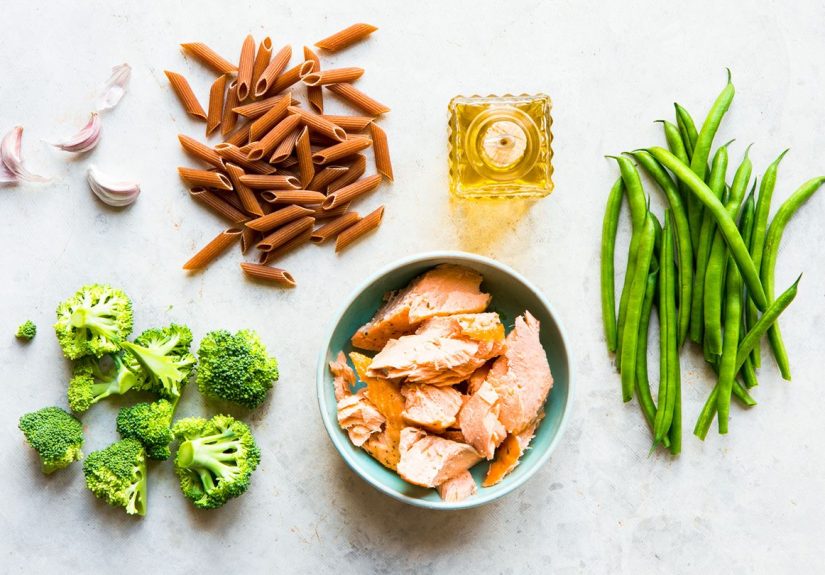
Baked salmon with herbs, garlic, lemon, roasted vegetables, and a side of farro or brown rice. If salmon is not available, sardines, trout, or tuna can work. For a plant-based dinner, lentil stew with tomatoes, carrots, onions, and olive oil is hearty and budget-friendly.
Snack
An apple with almond butter, a handful of pistachios, carrots with hummus, or whole-grain toast with avocado and tomato.
What the Mediterranean Diet Is Not
The Mediterranean diet is not a license to pour half a bottle of olive oil over every meal and call it medicine. Olive oil is heart-friendly, but it is still calorie-dense. The diet is also not just pasta, pizza, and red wine with a scenic coastline in the background. Traditional Mediterranean eating is plant-forward, balanced, and built around whole foods.
It is also not a quick detox. The heart does not need a seven-day miracle cleanse; it needs consistent habits. Cardiovascular risk changes over years, not over one dramatic weekend involving lemon water and panic. The Mediterranean diet works best as a lifestyle pattern: enjoyable meals, regular movement, enough sleep, not smoking, stress management, and routine health checkups.
Practical Experiences: What It Feels Like to Switch to a Mediterranean Diet
For many women, the Mediterranean diet becomes easier when it is treated as an upgrade rather than a punishment. The first experience is often surprise: the meals are filling. A bowl with lentils, roasted vegetables, olive oil, herbs, and a spoonful of yogurt can keep hunger quiet for hours. That is because fiber, protein, and healthy fats digest more slowly than a sugary breakfast pastry that disappears emotionally and physically by 10 a.m.
Another common experience is that grocery shopping becomes more colorful. The cart starts to look like it has a personality: tomatoes, greens, oranges, berries, eggplant, chickpeas, tuna, oats, almonds, herbs, and lemons. Instead of planning meals around meat first, many women begin planning around vegetables, beans, or grains. Chicken or fish becomes part of the plate, not the entire production. This shift can feel strange at first, especially for anyone raised on “meat plus starch plus maybe a vegetable if everyone behaves.” But after a few weeks, the plate starts to look normaland better.
The flavor adjustment can also be pleasant. Garlic, lemon, parsley, basil, oregano, smoked paprika, cumin, vinegar, and olive oil can make simple foods taste alive. A can of white beans becomes lunch with olive oil, chopped tomato, tuna, parsley, and lemon. Leftover roasted vegetables become a wrap. A basic salad becomes satisfying with chickpeas, nuts, and a homemade dressing. The kitchen does not need to become a cooking show set. No one has to say “rustic” while holding a wooden spoon. The goal is repeatable, real-life food.
Women managing busy schedules often find that Mediterranean eating works best with “building blocks.” Cook a pot of lentils or grains, wash greens, keep canned beans and fish in the pantry, roast a sheet pan of vegetables, and make a simple dressing for the week. Then meals become assembly, not daily culinary heroism. This matters because heart-healthy habits are more likely to last when they are convenient.
There can be challenges. Nuts, olive oil, and fish can be expensive depending on location. A practical solution is to use budget-friendly options: canned sardines or salmon, frozen vegetables, dry lentils, store-brand oats, canned beans, cabbage, carrots, apples, peanut butter, and bulk brown rice. Mediterranean eating does not require boutique groceries. It requires the basic pattern: more plants, better fats, more fiber, less processed food.
The most encouraging experience is that the diet does not demand perfection. A birthday cake slice does not cancel a week of vegetables. A busy-night sandwich does not ruin cardiovascular health. The Mediterranean diet is forgiving because it is based on overall patterns. For women trying to protect their hearts, that may be its greatest strength: it offers structure without obsession, pleasure without excess, and health benefits without making dinner feel like homework.
Conclusion: A Heart-Healthy Pattern Women Can Actually Live With
The connection between the Mediterranean diet and lower heart disease risk in women is supported by a growing body of real-world evidence. Studies suggest that women who follow this eating pattern more closely may have lower risks of cardiovascular disease, coronary heart disease, and death from any cause. While the research is largely observational and cannot prove that the diet alone causes every benefit, the consistency of findings is meaningful.
The Mediterranean diet is powerful because it is not built around one “superfood.” It is a whole eating pattern rich in vegetables, fruits, legumes, whole grains, nuts, seeds, olive oil, and fish, while limiting processed foods, added sugars, refined grains, and processed meats. For women, especially those thinking about long-term heart health, menopause-related changes, blood pressure, cholesterol, diabetes risk, or family history, this approach is practical and delicious.
The best starting point is simple: add one more plant food today, switch to olive oil when it makes sense, choose beans more often, eat fish regularly, and let herbs do the heavy lifting. Your heart does not need perfection. It needs repetition. And if that repetition includes a bright tomato salad, warm lentil soup, and salmon with lemon, the heart is not the only one winning.
SEO Tags
Note: This article is for educational and informational purposes only and should not replace professional medical advice, diagnosis, or treatment. Women with heart disease, diabetes, kidney disease, pregnancy-related concerns, food allergies, or medication-related dietary restrictions should consult a qualified healthcare professional or registered dietitian before making major dietary changes.