Table of Contents >> Show >> Hide
- What Are Meb’s Kitchenwares Wood Measuring Spoons, Exactly?
- Why Wooden Measuring Spoons Feel So Good in Real Life
- Accuracy Basics: What a “Teaspoon” and “Tablespoon” Actually Mean
- How to Use Wood Measuring Spoons Like a Pro
- Wood Care 101: How to Keep Meb’s Measuring Spoons Looking Beautiful
- The Craft and the Story: Why People Seek Out Meb’s Kitchenwares
- How to Decide If These Wooden Measuring Spoons Are Right for You
- Conclusion: A Small Upgrade You’ll Use Every Day
- Kitchen Stories & Real-Life Use: 500-Word Add-On
Some kitchen tools are purely practical. Others are practical and quietly make you feel like the main character in a cozy cooking show the one where everything is calm, the counters are clean, and nobody’s crying over a broken emulsion. Meb’s Kitchenwares wood measuring spoons land in that second category: functional, beautiful, and just a little bit charmingly extra.
If you’ve only ever used metal measuring spoons that clink like tiny cymbalsor plastic ones that mysteriously warp the moment you look away switching to wood is like trading a disposable pen for a fountain pen. The measurement still matters, but the experience changes, too. Let’s talk about what makes Meb’s Kitchenwares wood measuring spoons special, how to use them well, and how to keep them looking gorgeous for years.
What Are Meb’s Kitchenwares Wood Measuring Spoons, Exactly?
Meb’s Kitchenwares is known for handcrafted woodenwares made in Connecticut, with a style that’s equal parts refined craftsmanship and a wink of humor. Their wood measuring spoons show up in design-minded kitchen circles because they don’t look like an afterthoughtthey look like you meant to own them.
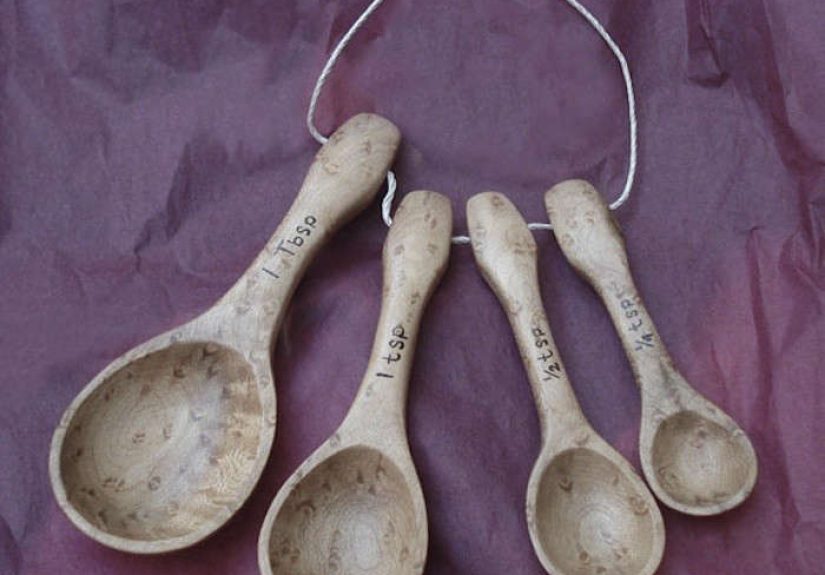
In a well-known roundup of wooden measuring spoons, Meb’s set is described as handmade in Woodstock, Connecticut and available in woods like black walnut, curly maple, and cherry, with measurements branded into the wood so the markings won’t rub off over time. That last detail matters more than you’d think: painted labels fade, etched wood doesn’t.
Pricing for handcrafted goods can vary depending on when and where you’re looking. One listing has been shown as a modest “treat-yourself” number, and another reference presents a premium price for a full seteither way, the point is the same: these are not bargain-bin utensils. They’re a small, daily luxury designed to last.
Why Wooden Measuring Spoons Feel So Good in Real Life
1) They’re gentleon cookware, jars, and your ears
Wood is naturally quieter than metal. No loud clinking against glass spice jars. No “clang!” when you drop a spoon into the sink. And if you’re careful with nonstick cookware, you already know the appeal of wood: it’s less likely to scratch delicate surfaces than many harder materials.
2) They add “kitchen counter personality” without trying too hard
Wooden tools develop a patina over time. In other words, they don’t just agethey evolve. A good wooden spoon set can go from “new and pretty” to “beloved and lived-in,” the way a leather wallet gets better after it stops looking brand-new.
3) They can be highly functional for small measurements
For many recipes, especially baking, small-volume measurements are common: teaspoons of vanilla, baking powder, cinnamon, yeast, chili powder, or salt. Measuring spoons are the everyday MVP for these tasks. A scale is fantastic for precision, but nobody wants to weigh 1/4 teaspoon of nutmeg unless they’re training for an Olympic-level pastry competition.
Accuracy Basics: What a “Teaspoon” and “Tablespoon” Actually Mean
In U.S. kitchen terms, a teaspoon and tablespoon are standardized measures (not “whatever your silverware drawer feels like today”). For reference, a teaspoon is commonly treated as 5 milliliters and a tablespoon as 15 milliliters in U.S. measurement guidance. This is why real measuring spoons mattercutlery spoons vary wildly, and recipes assume standard volumes.
Here’s the part people forget: accuracy isn’t just about how the spoon was made. It’s also about how you fill it. Two cooks can use the same spoon and get different results if one person piles spices into a mini-mountain and the other levels it neatly.
Leveling: the tiny technique that saves your cookies
For dry ingredients like baking soda, salt, and ground spices, aim for a level spoon unless the recipe says “heaping.” The classic move is to fill slightly above the rim, then sweep the top flat with a straight edge (like the back of a butter knife). It’s quick, consistent, and makes your baking more reliable.
Sticky ingredients: stop losing half your honey to the spoon
Measuring honey, maple syrup, or molasses can feel like an edible heisteverything sticks, and the spoon leaves the scene with the evidence. A simple trick used by many baking educators: lightly grease the spoon first so the sticky ingredient slides out more cleanly. Your recipe gets the amount it asked for, and you keep your sanity.
How to Use Wood Measuring Spoons Like a Pro
Keep them near the spices (not hidden in the “tool drawer abyss”)
Wooden measuring spoons are the type of tool you’re more likely to use if you can grab them fast. A small countertop crock or a hook near your spice zone turns them into a habit instead of a scavenger hunt.
Use the right spoon for the job
- Spices and seasonings: perfect match (especially when the handles fit into narrower jars).
- Baking leaveners: baking powder and baking soda are happier when measured consistently.
- Extracts: vanilla, almond, peppermintsmall volume, big flavor.
- Oil-based ingredients: fine in small amounts, but wipe and wash soon after.
When to reach for a scale instead
If you’re measuring flour, the difference between scooped, packed, and properly leveled can change a recipe. Many baking experts recommend a kitchen scale for repeatable resultsespecially for flour-heavy baking like bread, pizza dough, or layer cakes. Measuring spoons still have a place, but a scale can be the “training wheels off” moment for serious baking accuracy.
Wood Care 101: How to Keep Meb’s Measuring Spoons Looking Beautiful
Wood is tough, but it’s also alive in the sense that it responds to moisture and dryness. Treat it well and it lasts for years. Treat it like a dishwasher-safe spatula and you’ll eventually get cracks, fuzziness, or warping.
The non-negotiables
- Hand wash only: warm water, mild soap, gentle scrub.
- No long soaks: don’t leave wood sitting in water “for later.” That’s how you invite swelling and cracking.
- Avoid the dishwasher: high heat + long water exposure = wood’s worst day.
- Dry promptly: towel dry, then let air finish the job.
Deep cleaning: stains and odors happendon’t panic
Wooden utensils can hold onto aromas (garlic, cumin, onion) and show stains over time. That doesn’t automatically mean they’re “dirty” it often means they’re well-loved. Still, you can refresh them.
- Baking soda paste: a gentle scrub for stubborn stains.
- Salt + lemon: a classic deodorizing combo that also makes your hands smell like you’ve been at a citrus spa.
- Diluted vinegar wipe: commonly used as a simple deodorizing/cleaning step for wood items.
About that viral “boil wooden spoons to clean them” trend
If you’ve seen videos of wooden spoons “leaking” murky water when boiled, you’re not alone. The visual is dramatic, but many home and kitchen experts warn that boiling can strip oils and encourage warping or cracking over time. A gentler clean-and-oil routine is the long-game strategy.
Oiling: the secret to that silky, rich finish
If your wood looks dry, chalky, or rough, it’s asking for conditioner. Many kitchen-care guides recommend a food-safe mineral oil as a go-to because it’s stable (less prone to going rancid) and easy to find. A beeswax-and-oil blend can add extra protection and a soft sheen.
- Make sure the spoons are clean and completely dry.
- Apply a small amount of food-safe oil with a cloth.
- Let it absorb for a few hours (or overnight if the wood is very dry).
- Wipe off any excess so the surface doesn’t feel greasy.
How often? It depends on how much you use them and your climate. A simple rule of thumb is to oil when the wood looks dry, feels rough, or starts acting “thirsty” after washing.
The Craft and the Story: Why People Seek Out Meb’s Kitchenwares
There are a lot of measuring spoon sets in the world. Most are interchangeable. Meb’s Kitchenwares gained a following because their pieces are intentionally madeeach one crafted to be used and admired, not just tossed in a drawer.
According to the brand’s shop information, the work blends engineering and sculptural technique, using sustainably harvested New England hardwoods and a hand-rubbed oil finish. That combinationlocal hardwood, careful shaping, and a finish designed for usehelps explain why these tools feel more like heirloom kitchenwares than basic utensils.
And yes, there’s also the simple truth that handmade objects carry a kind of warmth. You can feel it when you pick them up. It’s not magic. It’s just good making.
How to Decide If These Wooden Measuring Spoons Are Right for You
You’ll probably love them if…
- You enjoy cooking tools that look good on the counter (and feel good in your hand).
- You measure a lot of spices, baking ingredients, and small amounts of liquids.
- You want markings that don’t fade or peel.
- You’re willing to do basic wood care (hand wash, dry, oil occasionally).
You might prefer something else if…
- You want dishwasher-safe convenience above all else.
- You’re hard on tools and don’t want maintenance.
- You need ultra-narrow spoon heads for very tiny spice jars (some metal sets are designed specifically for that).
Conclusion: A Small Upgrade You’ll Use Every Day
Meb’s Kitchenwares wood measuring spoons are proof that “small tools” can make a big difference. They’re practical, beautiful, and designed to last when cared for properly. If you like the idea of a kitchen that feels a little more intentionalwhere even the measuring spoons are worth picking up this set earns its place.
Just remember the golden rules: measure level, wash gently, don’t soak, skip the dishwasher, and oil when they look thirsty. Do that, and your spoons won’t just survivethey’ll age into the kind of kitchen tools you reach for without thinking.
Kitchen Stories & Real-Life Use: 500-Word Add-On
Wooden measuring spoons have a funny way of changing your rhythm in the kitchen. Not in a dramatic, “you’ve been transformed into a Michelin-star chef” waymore like a quiet, everyday upgrade. The first time you scoop cinnamon with a wooden spoon that feels smooth and warm, you notice it. It’s subtle. It’s also oddly satisfying, like closing a well-built cabinet door and hearing that soft thunk instead of a rattle.
A lot of people discover the appeal in the spice zone. You open a jar of smoked paprika, dip in the spoon, andif the handle is shaped wellit fits without banging the rim or dumping paprika dust onto the counter like confetti. Then you level it off, and suddenly you’re doing that tiny “I’m a capable adult” nod to yourself. (No judgment if the nod includes a tiny victory dance.)
The second place wooden measuring spoons shine is baking, especially when you’re moving fast. Think of a weekend morning: pancakes or muffins, coffee on, and you’re adding baking powder, salt, and vanilla while trying to keep a kid, a pet, or a group chat from derailing your focus. A good spoon set makes small measurements feel smoother and more consistent. You’re less likely to “eyeball” the baking soda (a dangerous game) because the tool is right there, and it’s pleasant to use.
Then there’s the “sticky ingredient moment.” Honey in tea. Maple syrup in granola. Peanut butter for a quick sauce. A common experience is realizing how much ingredient stays behind in the spoonand how that changes the recipe when the quantity is small. Once you learn the simple trick of lightly greasing the spoon before measuring sticky liquids, your kitchen suddenly feels like it has cheat codes. The ingredient slides out, the spoon cleans faster, and you don’t feel like you’re paying a honey tax to the universe.
Over time, wooden spoons also become little memory holders. You might notice a deeper color where they’ve been oiled, or a slight darkening from spices. Instead of feeling “ruined,” they often look more personallike a tool that’s actually working for a living. And once you get into the habit of a quick hand wash and a thorough dry, the maintenance doesn’t feel like a chore. It feels like caring for something you chose on purpose.
The best part is that they tend to become the default. You’ll still keep a metal set around for certain tasks, but the wooden ones? Those are the ones you reach for when you want the kitchen to feel calm, warm, and just a little bit specialeven if you’re only measuring a teaspoon of salt for Tuesday-night dinner.