Table of Contents >> Show >> Hide
- What Is a Marble Plinth Table?
- Why Marble Plinth Tables Have “Main Character Energy”
- Choosing the Right Marble Plinth Table for Your Space
- How to Style a Marble Plinth Table Like You Didn’t Panic-Buy It
- Marble Care: Keep It Beautiful Without Becoming a Full-Time Stone Butler
- Cost, Value, and Why These Tables Aren’t Cheap
- Alternatives If You Want the Look Without the Marble Commitment
- Conclusion: The Table That Does the Most While Doing the Least
- Real-World Experiences With Marble Plinth Tables (The Part You Learn After You Buy One)
- 1) The “wow” factor is immediateand it doesn’t fade
- 2) You will think about weight more than you ever wanted to
- 3) The coaster negotiation becomes a household policy
- 4) Honed finishes are a favorite for real-life households
- 5) The patina debate is real (and personal)
- 6) It changes how you decorateusually for the better
- 7) The table becomes a “moment” in photos (yes, even yours)
There are two kinds of people in this world: those who treat a coffee table like a sacred altar for
art books and scented candles, and those who treat it like a padded ottoman with delusions of grandeur.
A marble plinth table doesn’t judge either type. It just sits therequiet, heavy, and
wildly confidentlike it knows it could survive an earthquake and your group chat’s “game night” at the
same time.
If you’ve noticed chunky stone tables popping up in living rooms, entryways, and bedrooms (usually next to
a lamp that costs more than your first car), you’re seeing the rise of the plinth. This guide breaks down
what marble plinth tables are, why they work, how to choose one that fits your space, and how to keep it
looking gorgeous without turning your home into a marble museum with velvet ropes.
What Is a Marble Plinth Table?
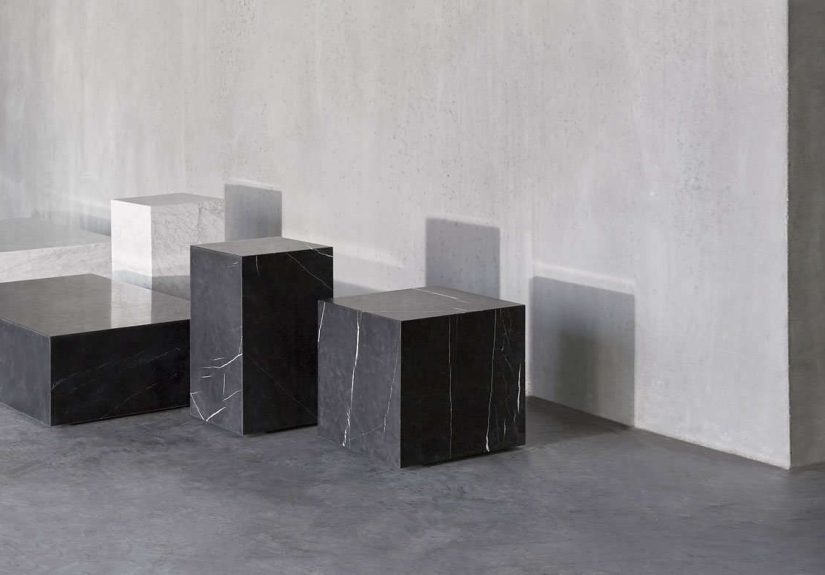
A plinth is basically a block that acts as a basethink “pedestal for statues,” except the
statue is now your matcha latte or a dramatic vase you bought after watching one (1) interior design video.
A marble plinth table takes that idea and turns it into furniture: a table supported by a
substantial, architectural base (often a solid-looking cube or rectangular block), sometimes with a matching
marble top so the whole thing reads like one sculptural piece.
In the wild, you’ll also see them labeled as marble pedestal tables, marble block tables,
monolithic side tables, or plinth coffee tables. Translation: same vibe, slightly different
marketing team.
Why Marble Plinth Tables Have “Main Character Energy”
1) They’re sculptural without being fussy
Marble already brings natural dramaveining, depth, and that “I belong in a gallery” glow. Put it into a clean,
blocky plinth shape and you get a statement piece that still plays nicely with modern, minimal, transitional,
and even eclectic rooms.
2) They anchor a room (literally and visually)
Plinth tables are great at giving a seating area a “center of gravity.” A thin-legged table can feel like it’s
floating away when the room gets busy. A marble plinth is the opposite: it grounds the space and makes everything
around it feel more intentionaleven if you’re still using a throw blanket to hide mystery stains.
3) They pair beautifully with warm materials
Marble can lean cool, but it shines when balanced with warmer textureswood, leather, boucle, woven rugs,
aged brass, or even soft matte ceramics. That contrast keeps the stone from feeling sterile and makes your room
feel layered rather than “new showroom on a Tuesday.”
Choosing the Right Marble Plinth Table for Your Space
Start with function: coffee table, side table, or accent plinth?
- Marble plinth coffee table: Lower and larger surface area; best for seating zones.
- Marble plinth side table: Taller and compact; ideal next to a sofa or bed.
- Display plinth / pedestal table: More “stage” than “table”made for a lamp, sculpture, or plant.
Get the proportions right (your shins will thank you)
A plinth table looks best when it feels deliberately sized, not randomly placed like a leftover moving box.
For a coffee table, aim for a height that lines up with your seating (often around the high teens in inches),
and leave enough clearance to walk comfortably. In tighter living rooms, a smaller, chunkier piece can actually
feel less cluttered than a spindly table with a busy basebecause the silhouette is so simple.
Rule-of-thumb spacing that tends to work:
- Distance from sofa: enough room to pass through comfortably while still reaching your drink.
- Length: substantial enough to serve the seating area, but not so long it dominates the rug.
- Pathways: plan for people carrying snacks (and opinions).
Pick a finish: polished vs. honed
Finish changes the entire personality of marble.
-
Polished marble is glossy, reflective, and glam. It shows off veining and color beautifully,
but can highlight etches, fingerprints, and water spots more. -
Honed marble is matte/satin. It feels softer, more modern, and tends to disguise small marks
bettergreat for everyday living. (Still use coasters, unless you enjoy unnecessary stress.)
Understand the stone: not all “white marble” behaves the same
Common marble looks you’ll see in plinth tables:
- Carrara-style: softer gray veining, classic and versatile.
- Calacatta-style: bolder veining with higher contrast; tends to read more dramatic.
- Arabescato-style: swirling, energetic veininggreat if you want the table to be the art.
- Colored marble: green, red, and deep tones are trending for “quiet luxury” with a twist.
Because marble is a natural material, every top and base will vary. That’s not a defectit’s the whole point.
If you want identical, marble is going to laugh softly and walk away.
Construction details that matter (even if you don’t want them to)
Some plinth tables are carved from solid stone; others use a strong internal frame with marble cladding.
Both can be excellent if built well. What to look for:
- Edge protection: softer profiles or slightly rounded edges reduce chipping risk.
- Stability: plinth bases are usually very stable, but check for wobble on your floor type.
- “Floating” look: some designs recess the base so the table appears to hover.
- Weight planning: confirm how it ships, where it can be safely lifted, and whether stairs are involved.
How to Style a Marble Plinth Table Like You Didn’t Panic-Buy It
Use the “intentional clutter” formula
Marble is visually strong, so it doesn’t need much. A simple styling approach that works in most homes:
- One anchor (a tray, a book stack, or a bowl).
- One living thing (flowers, a branch, a plantsomething with organic movement).
- One personal detail (a candle you actually like, a quirky object, a framed photo).
Mix textures so the stone feels warm
If your room is already full of sleek surfaces (glass, metal, polished lacquer), a marble plinth can feel cold.
Warm it up with:
- textured pottery or matte ceramics
- woven coasters (bonus: they protect the marble)
- linen or boucle nearby (pillows, throws, upholstered seating)
- wood tones (especially medium or darker woods for contrast)
Make it practical without ruining the vibe
You can have nice things and still live your life. Try:
- A tray to corral remotes (aka the modern family heirloom).
- Coasters you don’t hate so people actually use them.
- A shallow bowl for keys if the table lives in an entryway.
- A lamp on a side plinth to create height and softness.
Marble Care: Keep It Beautiful Without Becoming a Full-Time Stone Butler
Daily (or “whenever you notice it”) cleaning
For everyday cleanup, keep it boring:
a soft cloth or microfiber + warm water + a small amount of mild dish soap or a pH-neutral stone cleaner.
Then dry it. Yes, dry itmarble can show water marks like it’s keeping receipts.
What not to use on marble (even if someone on the internet insists)
- Vinegar or lemon juice: acids can etch marble.
- Ammonia-based glass cleaner: can damage finishes and sealers.
- Abrasive scrubbers/powders: scratches are forever (emotionally and physically).
- Bleach: too harsh and can degrade stone or finishes.
Stains vs. etching: know your enemy
Marble has two common “oops” scenarios:
-
Stains happen when a pigment or oil sinks in (wine, coffee, grease).
These may need a targeted approach (and patience). -
Etches happen when acid reacts with the surface (citrus, wine, cola).
This often looks like a dull spot on polished marbleeven if you clean perfectly.
If you get a stubborn mark, start gentle. When in doubt, test any method in an inconspicuous spot.
Deep stains or widespread etching may be worth a professional stone restorerespecially on a big, high-visibility piece.
Sealing: helpful, not magical
Sealers can add protection by slowing absorption, but they don’t make marble invincible.
Many households reseal periodically depending on use. A simple water test can help:
if water darkens the stone quickly, it may be time to reseal.
Protection strategies that don’t look like plastic wrap
- Coasters + trivets: especially for acidic drinks and hot items.
- Felt pads: under decor objects to prevent micro-scratches when you rearrange.
- Lift, don’t drag: marble hates friction the way cats hate closed doors.
- Mind the floor: a heavy plinth needs proper floor pads, especially on wood.
Cost, Value, and Why These Tables Aren’t Cheap
Marble plinth tables can range widely in price, and the “why” is usually a mix of materials and logistics:
stone quality, thickness, fabrication, edge finishing, andbig oneshipping.
Stone is heavy, fragile at corners, and expensive to move safely. You’re also paying for something
that’s both furniture and a small architectural element.
The value question to ask yourself isn’t just “Is it pretty?” It’s:
Will I enjoy living with it? If you host often, have kids/pets, or prefer a relaxed home,
consider honed finishes, rounded edges, and realistic maintenance habits.
If you’re more “museum mood lighting” than “nacho night,” polished can be spectacular.
Alternatives If You Want the Look Without the Marble Commitment
Love the plinth shape but not the marble lifestyle? You’ve got options:
- Travertine plinth tables: similar natural-stone character, often softer and warmer in tone.
- Quartzite: typically harder than marble and may be more stain-resistant (still needs care).
- Concrete blends: plinth form, modern vibe, often more forgiving and sometimes eco-conscious.
- Marble-look surfaces: easier upkeep, consistent patterning, less “natural variation” surprise.
Conclusion: The Table That Does the Most While Doing the Least
A marble plinth table is one of the easiest ways to add architectural weight to a room.
It reads sculptural, feels timeless, and makes even simple styling choices look elevated.
The trade-off is that marble rewards a little respect: gentle cleaners, quick spill habits, and coasters that
don’t mysteriously vanish when company arrives.
Choose a size that suits how you actually live, pick a finish that matches your tolerance for fuss,
and treat the table like what it is: a beautiful slab of nature that decided to become furniture.
Honestly, that’s a glow-up we can all aspire to.
Real-World Experiences With Marble Plinth Tables (The Part You Learn After You Buy One)
Marble plinth tables are stunning in photos, but real life has crumbs, condensation, and that one friend who
insists “I don’t need a coaster” with the confidence of someone who has never paid for a stone refinishing.
Here are the most common experiences homeowners and renters tend to run intoplus how they make peace with them.
1) The “wow” factor is immediateand it doesn’t fade
People notice a marble plinth table the way they notice a good haircut: they might not know why it works,
but they feel the upgrade. The blocky silhouette reads intentional and high-end, even if the rest of the room
is still “I just moved” chic. Many owners say it becomes the visual anchor they build the room aroundsuddenly
the sofa looks more expensive, the rug looks more deliberate, and the lamp stops feeling like it’s freeloading.
2) You will think about weight more than you ever wanted to
A marble plinth table is not the kind of item you casually “shift a few inches.” Owners often develop a new
respect for leverage, furniture sliders, and asking for help. If you’re in an apartment, the stair situation
matters. So does the doorway width. The most practical advice people share:
plan the route before delivery, protect corners, and don’t underestimate how heavy “solid-looking”
can be. The table will win that argument every time.
3) The coaster negotiation becomes a household policy
One of the funniest “adulting” moments is realizing you now own a table that comes with rules.
The easiest workaround owners use is making protection feel like decor:
a handsome coaster set on a tray, a pretty stone board for hot mugs, or a small cluster of coasters placed
exactly where drinks naturally land. If coasters are hidden in a drawer, people won’t use them.
If coasters are part of the styling, everyone suddenly understands the assignment.
4) Honed finishes are a favorite for real-life households
A lot of owners who live with kids, pets, or frequent hosting end up preferring honed marble. It has a softer,
matte look that doesn’t spotlight every fingerprint or water halo. That doesn’t mean honed marble can’t stain
or etchit canbut the day-to-day “I’m seeing everything” anxiety tends to be lower.
Polished marble is still beloved, especially for formal spaces, but people often admit it makes them slightly
more vigilant. (Not necessarily a bad thing. Just… a lifestyle.)
5) The patina debate is real (and personal)
Many marble owners eventually face a fork in the road:
do you want your marble to look perfect forever, or do you accept a gentle patina as proof you have
a life and friends? Some people treat every mark like a crisis; others consider subtle etching “character.”
The happiest owners tend to pick a philosophy early:
either commit to maintenance (sealing schedules, fast cleanup, careful use),
or commit to charm (and stop zooming into the surface with a flashlight like a detective).
6) It changes how you decorateusually for the better
Because marble plinth tables are visually strong, they push people toward simpler, more curated styling.
Owners often say they stopped over-decorating the coffee table and started choosing fewer, better pieces:
one great tray, a small stack of books, a vase that feels special. It’s less clutter, more intention.
Unexpected side effect: cleaning gets easier because you’re not moving 27 tiny objects every time you wipe down.
Your future self will be delighted.
7) The table becomes a “moment” in photos (yes, even yours)
Whether you’re posting a holiday snapshot or just taking a quick photo of your cat being weird,
a marble plinth table tends to make the background look styled. It’s a strong geometric element with natural
veiningbasically the interior-design equivalent of good lighting. Owners mention that it makes their space
look more polished in everyday photos, even when the room is not, technically, “company ready.”
The table is doing the most. Quietly. Like a professional.
In short: marble plinth tables are equal parts sculpture and workhorse. If you like the idea of a piece that
elevates your room instantly, feels architectural, and can handle real life with a bit of care, it’s a strong
choice. Just remember: the table is stone. You are not. Lift with your legs, use the coasters, and let the
marble be gorgeous at its own pace.