Table of Contents >> Show >> Hide
- What Is Malaria?
- Causes of Malaria: The Parasite, the Mosquito, and the (Unlucky) Bite
- Malaria Symptoms: What It Feels Like (and Why It’s Easy to Miss)
- How Malaria Is Diagnosed
- Malaria Treatment: What Doctors Use and Why It Depends
- Recovery, Complications, and What to Expect
- Malaria Prevention: How to Avoid Becoming a Mosquito’s Favorite Snack
- When to Seek Medical Care
- Experiences: What Malaria “Looks Like” in Real Life (About )
- Conclusion
- SEO Tags
Malaria is one of those illnesses that sounds like a history-book problemright up until it shows up in real life.
It can start like “just a flu,” then turn into a true medical emergency if it isn’t recognized and treated fast.
The tricky part? Malaria doesn’t always read the script. Symptoms can be vague, fevers can come and go, and the
parasite can hide out in your body in ways that make you think you’re “fine now”… until you’re very much not.
This guide breaks down the causes of malaria, the most common malaria symptoms,
and what malaria treatment typically looks likeplus prevention tips that can save your trip (and your health).
What Is Malaria?
Malaria is an infection caused by Plasmodium parasites. Most cases happen after a bite from an infected
Anopheles mosquito. Once inside the body, the parasite follows a two-phase plan:
- Phase 1 (Liver): It heads to the liver to matureoften quietly.
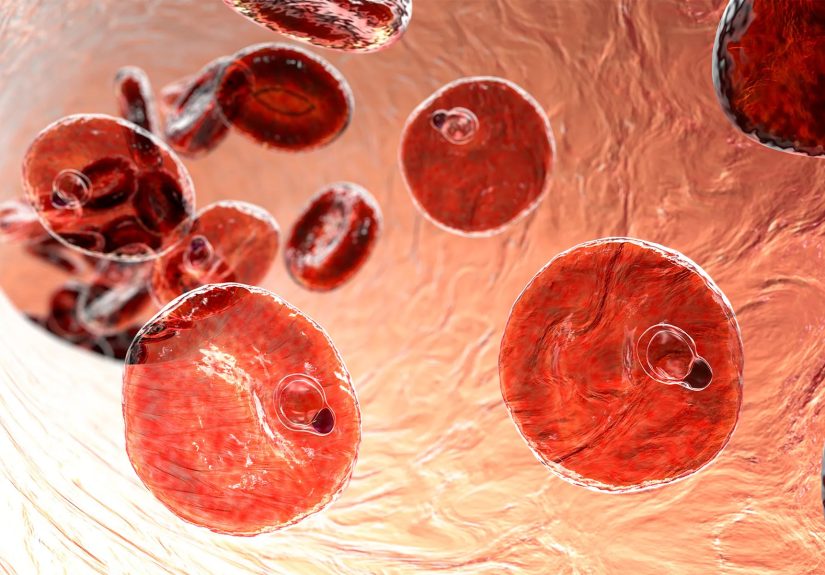
- Phase 2 (Blood): It enters the bloodstream, infects red blood cells, and triggers symptoms like fever, chills, and anemia.
Some types of malaria can also “reboot” later. Infections from Plasmodium vivax and Plasmodium ovale
can leave dormant forms in the liver (often called hypnozoites) that may reactivate weeks to months later.
That’s why certain cases need treatment aimed not just at what’s in the blood right now, but also what’s lurking in the liver.
Causes of Malaria: The Parasite, the Mosquito, and the (Unlucky) Bite
The real culprit: Plasmodium parasites
Several Plasmodium species infect humans. The biggest names you’ll hear include:
- P. falciparum (most likely to cause severe disease)
- P. vivax (can relapse because of dormant liver stages)
- P. ovale (also can relapse)
- P. malariae (often longer-lasting, typically less severe)
- P. knowlesi (more common in parts of Southeast Asia; can become serious quickly)
How malaria spreads
The usual route is straightforward: an infected mosquito bites a person and passes along the parasite.
But “mosquito-borne” doesn’t mean “mosquito-only.” Malaria can rarely spread through:
- Blood transfusions or organ transplants
- Shared needles or accidental needle sticks
- Pregnancy (mother-to-baby transmission)
Why symptoms can cycle
Once the parasites are in red blood cells, they multiply and rupture cells in repeating waves. That rhythm can produce
fever patterns (sometimes classic “every 48–72 hours,” sometimes not-so-classic). Real life isn’t always textbook,
so don’t rely on a perfectly timed fever to “confirm” malaria.
Malaria Symptoms: What It Feels Like (and Why It’s Easy to Miss)
Malaria symptoms can look a lot like other illnesses, especially early on. The most common include:
- Fever (often sudden)
- Chills and sweating
- Headache, body aches, and fatigue
- Nausea, vomiting, or diarrhea
- Cough or general “I got hit by a truck” malaise
As malaria progresses, it can cause anemia (from red blood cell destruction) and sometimes
jaundice (yellowing of the skin/eyes) depending on severity and complications.
When do symptoms start?
Symptoms often appear within 1–4 weeks after a bite, but timing varies by species, immunity, and whether someone took
preventive medication. Some infections (especially those with dormant liver stages) can show up later.
If you’ve traveled to a malaria-risk area and develop a fevereven if it’s been weeks or monthsmalaria should be on the checklist.
Red flags: Signs of severe malaria
Severe malaria can develop rapidly and is considered a medical emergency. Get urgent care immediately if malaria is possible and any of these occur:
- Confusion, extreme drowsiness, fainting, or seizures
- Trouble breathing or rapid breathing
- Severe weakness or inability to keep fluids down
- Dark urine, marked jaundice, or signs of severe dehydration
- Evidence of shock (very low blood pressure, cold/clammy skin)
How Malaria Is Diagnosed
Diagnosing malaria is a “don’t-wait-and-see” situation. Clinicians usually combine:
- History: recent travel, location, timing, prevention meds, and exposures
- Symptoms: especially fever plus systemic illness
- Lab testing: blood tests that detect parasites and identify species
The gold standard has traditionally been microscopy (examining blood smears), which can also estimate how many parasites are in the blood.
Rapid diagnostic tests may be used in some settings, but follow-up testing is often needed to confirm species and guide treatment.
If initial tests are negative but suspicion is high, repeating testing can be important because parasite levels may rise over time.
Malaria Treatment: What Doctors Use and Why It Depends
Malaria is treatable, and many people improve quickly once the right medication starts. The catch is that
the “right” treatment depends on detailsincluding the Plasmodium species, where the infection was acquired
(drug resistance varies by region), how sick the person is, and certain health factors (like pregnancy or enzyme deficiencies).
Treating uncomplicated malaria
For many cases, treatment is oral antimalarial medication. In places where resistance is common (especially for P. falciparum),
clinicians often use artemisinin-based combination therapies (ACTs).
Combination therapy helps clear the infection and reduces the chance of resistance winning the arm-wrestling match.
In some regions, certain infections may still respond to older medications (for example, chloroquine-sensitive malaria),
but choosing correctly is crucialthis is not a DIY aisle at the pharmacy. Treatment recommendations are updated based on resistance patterns,
so clinicians typically follow current clinical guidance tables.
Preventing relapse: “radical cure” for P. vivax and P. ovale
Here’s the plot twist: with P. vivax and P. ovale, clearing parasites from the blood may not be enough.
Dormant liver forms can later reactivate and cause relapse. To prevent that, treatment may include medication that targets
liver-stage parasites (often called anti-relapse therapy or “radical cure”).
These liver-targeting drugs require special caution because they can cause serious problems in people with
G6PD deficiency, a genetic enzyme condition. That’s why clinicians typically perform
G6PD testing before prescribing them. Some options also have age limits and pregnancy restrictions,
so a personalized plan matters.
Treating severe malaria
Severe malaria is treated in a hospital because it can escalate quickly. Standard care generally includes:
- Intravenous antimalarial therapy (commonly IV artesunate in many guidelines)
- Supportive care (fluids, glucose monitoring, managing seizures, respiratory support if needed)
- Follow-on oral medication after stabilization to fully clear parasites
After certain severe-malaria treatments, clinicians may monitor for delayed complications (like delayed anemia)
because the body can keep processing the after-effects even when the parasites are gone. Translation:
you can feel better and still need follow-up.
Special situations that change the plan
Some cases need extra expertiseespecially malaria in:
- Pregnancy (both illness risks and medication choices differ)
- Young children
- People with immune compromise
- People with G6PD deficiency (affects relapse-prevention medication options)
If malaria is suspected or confirmed in any of these groups, clinicians often consult infectious disease or travel medicine specialists.
Recovery, Complications, and What to Expect
With prompt, appropriate therapy, many people improve within daysfever drops, appetite returns, and the world stops spinning.
But malaria can still have a long tail. Fatigue may linger, and certain species can relapse if liver-stage parasites aren’t addressed.
Potential complicationsmore likely with severe malariainclude cerebral malaria (brain involvement), severe anemia,
kidney injury, respiratory distress, and pregnancy complications. These risks are why malaria is treated as time-sensitive,
not a “let’s see how you feel tomorrow” kind of illness.
Malaria Prevention: How to Avoid Becoming a Mosquito’s Favorite Snack
Prevention is a two-part strategy: avoid bites and, when recommended, take preventive medication.
If you’re traveling, start planning before you pack your chargers.
1) Know your risk and talk to a clinician before travel
Malaria risk varies by country and even by region within a country. Travel health guidance is often specific about where prophylaxis is recommended.
Preventive medications are typically started before travel, continued during the trip, and taken for a period after leaving the risk area.
2) Block bites like it’s your side quest
- Use EPA-registered insect repellent on exposed skin
- Wear long sleeves and pants, especially from dusk to dawn
- Sleep under bed nets when appropriate
- Choose lodging with screens or air conditioning when possible
- Consider permethrin-treated clothing/gear (used as directed)
What about a malaria vaccine?
Malaria vaccines exist and are being used in some malaria-endemic settings (particularly to protect children),
but there isn’t a malaria vaccine currently available in the U.S. for routine use in travelers.
For now, prevention for most travelers still relies on bite avoidance and recommended preventive medication.
When to Seek Medical Care
Seek medical care urgently if you have a fever and any of the following apply:
- You traveled to a malaria-risk area in the past year (even if it was “a while ago”)
- You have severe symptoms (confusion, trouble breathing, seizures, severe weakness)
- You are pregnant, immunocompromised, or caring for a child with symptoms
If malaria is even a possibility, it’s worth saying so out loud when you seek care. It helps the healthcare team prioritize the right tests fast.
Experiences: What Malaria “Looks Like” in Real Life (About )
Because malaria symptoms can resemble flu, stomach bugs, or “that weird thing I caught on the plane,” people often describe the early phase as
confusing rather than dramatic. A common experience (especially among travelers) goes like this: you get home, you unpack, you’re proud of yourself
for surviving airport lines… and then you wake up one night with chills so intense you feel like your bones are trying to shiver out of your body.
By morning, the fever breaks, and you think, “Maybe it’s nothing.” Then it comes backharder.
Another pattern people report is the emotional whiplash of “I’m sick, then I’m okay, then I’m wrecked again.” That cycle can make it tempting to delay
care. In travel clinics and emergency departments, clinicians often hear: “I felt better yesterday, so I didn’t come in.” The problem is that malaria
can turn severe quickly, particularly with P. falciparum. People are often surprised how fast the conversation shifts from “viral illness?”
to “we need to test you for malaria now.”
Diagnosis can feel oddly anticlimacticjust blood workuntil you realize what those results mean. Patients frequently describe relief when there’s an
answer, mixed with anxiety about severity. If the infection is uncomplicated and treatment starts promptly, many people feel noticeably better within
a couple of days. That improvement can be dramatic: the fever stops spiking, the headaches ease, and food becomes appealing again. But fatigue can
linger, and some describe a “battery stuck at 20%” feeling for a few weeks.
For people with P. vivax or P. ovale, a particularly frustrating experience is relapse. Someone may finish treatment, feel normal,
then weeks later develop the same fever-and-chills story again. That’s often the moment the “liver stage” finally makes sense. Patients also commonly
remember the G6PD test conversationbecause it’s a reminder that malaria treatment isn’t one-size-fits-all, and safety checks matter.
People who live in or frequently travel to malaria-endemic areas often talk about prevention as a daily routine, not a one-time choice:
repellent after dusk, sleeping arrangements that reduce mosquito exposure, and taking prevention meds when advised. Many also describe the “I wish I’d known”
momentslike not realizing certain areas within a country have higher risk, or assuming short trips don’t count. The biggest shared takeaway tends to be simple:
malaria is treatable, but it rewards speed. If fever follows travel to a risk area, getting tested quickly can be the difference between a rough week and a
true emergency.
Conclusion
Malaria is caused by Plasmodium parasites, usually spread through infected Anopheles mosquitoes. The symptoms can start like a flufever, chills,
headache, stomach upsetbut malaria can become severe fast, so prompt diagnosis and appropriate antimalarial treatment are essential. Treatment depends
on the species, severity, and region-specific drug resistance, and some infections require relapse-prevention therapy with extra safety testing.
The best defense is prevention: avoid mosquito bites, follow travel medicine guidance, and seek care quickly if fever appears after travel to risk areas.