Table of Contents >> Show >> Hide
- What a Mail Organizer Really Does (And What It Doesn’t)
- Pick the Right Mail Organizer for Your Space
- The 5-Minute Mail Routine That Actually Sticks
- Set Up Your Mail Organizer Like a Pro
- Stop Junk Mail at the Source (So You Don’t Have to Wrestle It Later)
- Shred Smart: What to Shred vs. What to Keep
- Create a Filing System That Won’t Collapse in Three Weeks
- Make It Household-Proof: Command Center Tricks That Help Everyone
- Common Mail Organizer Mistakes (And Quick Fixes)
- How to Keep the System Going Without Becoming a “Paper Person”
- Real-World Experiences: What It’s Like When You Finally Use a Mail Organizer (500+ Words)
- Wrap-Up: Your Mail Organizer Plan in One Sentence
Mail is the only “guest” that shows up uninvited, brings a pile of paper, and somehow convinces your countertops to host it indefinitely. One day it’s a harmless envelope. Two days later it has recruited catalogs, school flyers, and that mysterious postcard that looks important but smells like a timeshare pitch. If your home has a “mail pile,” you don’t need more willpoweryou need a mail organizer and, more importantly, a simple system that makes the organizer actually get used (instead of becoming a very fancy paper-holding sculpture).
The best mail organizer isn’t the one with the most pockets. It’s the one that fits your space, matches your habits, and supports a routine you can do on a busy Tuesdaywhen you’re hungry, your phone is buzzing, and your brain refuses to do taxes “real quick.” This guide breaks down the organizer options, the easiest workflow pros recommend, and the small tweaks that keep mail from multiplying like it has a group chat.
What a Mail Organizer Really Does (And What It Doesn’t)
A mail organizer is a landing zone that makes sorting mail automatic. It helps you:
- Intercept mail before it hits a kitchen counter.
- Separate action items (bills, forms, invitations) from junk instantly.
- Store time-sensitive papers so they don’t vanish under a cereal box.
- Protect personal info by creating a clear “shred” path.
What it doesn’t do: magically “organize your life” by itself. The organizer is the stage. The routine is the show. The goal is a system that takes minutes, not a weekend-long craft project that ends with you hot-gluing your patience to a pegboard.
Pick the Right Mail Organizer for Your Space
Start with one question: Where does your mail naturally enter your home? Most people do best with an organizer in the entryway, kitchen, or home officewhere you already walk every day. Once you choose the spot, match it to the organizer type below.
Wall-Mounted Mail Organizer (Best for Small Surfaces)
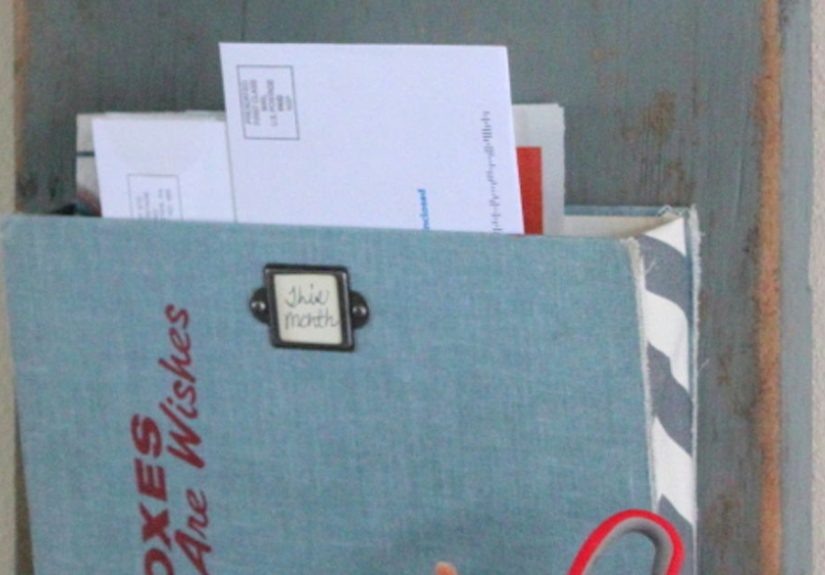
If counters are scarce or sacred, go vertical. A wall-mounted organizer with a few labeled slots keeps mail visible and off the “horizontal doom zones” (kitchen islands, console tables, the piano you don’t play but do decorate). Wall files, magazine-style holders, or wire baskets work especially well because you can see what’s inside at a glance.
Great for: apartments, narrow entryways, busy families, anyone who forgets what they can’t see.
Desktop Letter Tray or Tiered Sorter (Best for Home Offices)
If you open mail near a desk, a simple tiered sorter (2–4 levels) is a no-drama solution. It’s easy to label, easy to move, and doesn’t require drilling holes. The key is keeping the categories few and obviousso you don’t spend more time “organizing” than you would just dealing with the mail.
Great for: WFH households, students, bill-paying HQs, small-space offices.
Entryway “Command Center” Setup (Best for Households With Schedules)
If your home runs on calendars, permission slips, and “Wait, what time is practice?” a command center is your best friend. Think: mail slots + hooks for keys + calendar/whiteboard + a place for forms. It doesn’t have to be huge. It has to be functional and in a spot everyone actually passes.
Great for: families, roommates, couples who share responsibilities.
Drawer-Based Mail Station (Best if You Hate Visual Clutter)
If seeing paper stresses you out, put the system in a deep drawer: file rails or folders for “To Do,” “To File,” and “To Shred.” This is also a good option if you have pets or toddlers who believe paper is a snack category.
Great for: minimalists, small kids/pets, people who need calm surfaces.
The 5-Minute Mail Routine That Actually Sticks
Many professional organizers recommend a quick daily routine that keeps mail from becoming a weekend project. The most workable version is a three-bucket triage you can do in under five minutes:
- Recycle: flyers, catalogs you didn’t ask for, “current resident” mystery mail, envelopes you don’t need.
- Shred: anything with personal info (more on what counts below).
- Action: bills, RSVP cards, school forms, medical statements, returns, anything requiring a decision.
Here’s the secret sauce: handle anything that takes under two minutes immediately. That includes scanning a QR code to pay a bill, signing a form, or adding a date to your calendar. Fast wins reduce the pile and keep “Action” from turning into “Someday (aka Never).”
Suggested Labels That Keep You Honest
If you want labels that work for real humans (not perfectly curated homes), use:
- IN: mail you haven’t opened yet (yes, this is allowedbriefly).
- ACT THIS WEEK: bills, forms, appointments, returns.
- FILE: tax forms, warranties you’re keeping, official documents.
- SHRED: anything sensitive you don’t need.
- OUT: outgoing mail, returns, packages ready to drop off.
That’s it. Five categories is plenty. If you create twelve slots, your brain will treat it like a museum exhibit: look, admire, walk away.
Set Up Your Mail Organizer Like a Pro
The best setups follow a simple rule: make the right action the easiest action. That means placing the tools for sorting exactly where you’ll use them.
The “Mail Toolkit” You’ll Actually Use
- Recycling bin directly below or beside the organizer.
- Shredder nearby (or a “To Shred” folder if your shredder lives elsewhere).
- Letter opener or scissors (optional, but satisfying).
- Pen + permanent marker for quick forms and labeling.
- Stamps (if you mail anything) stored with the “OUT” slot.
Example Setups for Real Homes
Small apartment entryway: wall-mounted organizer with 3 slots (IN / ACT / OUT) + small recycle bin underneath.
Family command center: wall baskets labeled KIDS / BILLS / INVITES + hooks for keys + calendar/whiteboard.
WFH desk station: tiered sorter labeled ACT THIS WEEK / FILE / SHRED + a slim folder for receipts.
Stop Junk Mail at the Source (So You Don’t Have to Wrestle It Later)
Sorting junk is fine. Getting less junk is better. If you live in the U.S., you can reduce unwanted mail by using reputable preference services and opting out of certain prescreened offers. A few practical steps:
- Use a mail preference service to reduce unsolicited marketing mail. Some services help manage promotional mail volume over time.
- Opt out of prescreened credit/insurance offers using the official industry opt-out process (temporary or permanent options may exist).
- Unsubscribe from catalogs you don’t read (or that keep showing up like they have a key).
- Go paperless for statements when you canmany banks, utilities, and insurers let you switch to digital delivery.
Also: if you get mail for previous residents, write “Not at this address” on the envelope and put it back in outgoing mail. It’s not instant magic, but it helps reduce the “current resident” confusion over time.
Shred Smart: What to Shred vs. What to Keep
Shredding isn’t just for spy movies. It’s a practical way to reduce identity theft risk. As a rule: if it has personal, financial, medical, or account-related information and you don’t need it, shred it.
Shred These Common Items
- Prescreened credit card or insurance offers
- Bank statements you don’t need to keep on paper
- Medical statements with personal info
- Old receipts tied to accounts (especially if they show more than a total)
- Anything with your full name + address + a barcode/account number combo
Keep (and File) These
- Tax documents and year-end statements (store by year)
- Insurance policies, warranties you actively use
- Legal documents, titles, and official records
- Home-related paperwork you reference regularly (repairs, manuals, permits)
Don’t have a shredder? Many communities and office-supply services offer shredding options or shred events. If you do buy one, a cross-cut or micro-cut style is generally preferred for privacy. (No need to memorize modelsjust avoid anything that turns your data into long, readable confetti strips.)
Create a Filing System That Won’t Collapse in Three Weeks
Filing doesn’t have to mean a full cabinet, color-coded tabs, and a label maker that becomes your entire personality. A simple approach works best:
The “Active vs. Archive” Rule
- Active papers: anything you’ll need within the next 30–90 days (current bills, ongoing claims, school forms).
- Archive papers: documents you keep for records (tax years, home purchase docs, warranties you still need).
Keep Active items close to your mail organizerone folder or a small file box. Store Archive items elsewhere (a drawer, file bin, or closet shelf). This prevents your daily organizer from becoming the entire history of your adult life.
Easy Categories That Cover Most Homes
- Home: repairs, appliances, utilities
- Medical: insurance, EOBs you’re tracking, receipts
- Finance: taxes, banking, investments
- School/Kids: forms, schedules, notices
- Auto: registration, service records
If you’re overwhelmed, start with just two: Action and Archive. You can refine later. The goal is retrieval: “Can I find this in under 60 seconds without sighing dramatically?”
Make It Household-Proof: Command Center Tricks That Help Everyone
A mail organizer works best when it’s part of a bigger “grab-and-go” zone. A few high-impact add-ons:
- Hooks for keys, bags, dog leashes (less searching, fewer late exits).
- A calendar or whiteboard for deadlines and school dates tied to the “Action” slot.
- A small basket for return labels, tape, and a marker if you ship items often.
- A pegboard if you like customizable storage that can shift with seasons and schedules.
Pro tip: if multiple people handle mail, give each person one clear role. Example: one person sorts daily, another does a weekly 15-minute “Action” session. Systems fail when everyone assumes someone else did it.
Common Mail Organizer Mistakes (And Quick Fixes)
Mistake: Too Many Categories
If you need a flowchart to file a coupon, the system is too complex. Fix: reduce to 3–5 labels and add detail only if you consistently need it.
Mistake: The Organizer Is in the Wrong Place
If your organizer is beautiful but you keep dropping mail on the counter, your home is telling you the truth. Fix: move the organizer to the “natural path” (front door, kitchen landing zone, desk).
Mistake: “Action” Becomes a Forever Folder
This is the most common problem. Fix: set a weekly appointment (10–20 minutes) for admin tasks. Keep the “Action” slot small so it forces decisions.
Mistake: No Shred Plan
If shredding is inconvenient, sensitive paper stacks up. Fix: keep a small “To Shred” envelope or bin and shred in batches, or use a reliable community/service option.
How to Keep the System Going Without Becoming a “Paper Person”
The goal is not perfection. The goal is consistent, low-effort maintenance. Try this rhythm:
- Daily (2–5 minutes): triage into Recycle / Shred / Action, handle quick tasks immediately.
- Weekly (10–20 minutes): clear “Action,” file what matters, shred the sensitive pile.
- Monthly (10 minutes): unsubscribe, opt out, and remove anything that’s sneaking back into your life.
If you miss a day, don’t restart your life as a new person with a new identity and a new label maker. Just start again tomorrow. The system is supposed to support younot audition you for the role of “Most Organized Human Alive.”
Real-World Experiences: What It’s Like When You Finally Use a Mail Organizer (500+ Words)
People often assume the biggest benefit of a mail organizer is a cleaner counter. That’s trueyour kitchen will stop looking like a paper parade route. But the bigger change is how it feels to walk into your home when mail has a designated job instead of a free-range lifestyle.
In many households, the first week is the “wow” phase. You bring the mail in, stand at the organizer, and suddenly your brain stops negotiating with itself. Flyers go straight to recycling. Anything with a name, account number, or barcode goes into the shred path. The important stuff lands in “Action.” You’re done in minutes. There’s a weird little burst of satisfactionlike you just beat a tiny boss level in a video game called Adulting: Paper Edition.
Then comes week two, where reality tests the system. A couple of busy days hit. Maybe you come home tired, hungry, and mildly offended that you’re expected to sort anything at all. This is where the organizer either becomes your best tool or your next decorative regret. The difference is whether the routine is truly simple. When the organizer is near the door, with a recycling bin right there, it’s easier to do the right thing than to drop mail “for later.” And if “Action” is a small slot instead of a bottomless basket, you can’t ignore it foreveryour organizer gently forces a decision, which is surprisingly helpful.
By week three, a lot of people notice a hidden benefit: fewer “paper surprises.” You don’t find an overdue notice under a coupon. You don’t panic-search for a school form five minutes before leaving. You start trusting that if something is important, it will be in one predictable place. That trust is a big deal. It lowers background stressthe kind you don’t always realize you’re carrying until it’s gone.
Another common experience is how a mail organizer changes shared responsibility. In families or roommate situations, mail often becomes “someone else’s problem” because it’s ambiguous: Who opens it? Who sorts it? Where does it go? When the organizer has clear labels, the ambiguity disappears. One person can do the quick sort; another can handle the weekly “Action” session. The system becomes a neutral tool instead of a silent argument sitting on the counter.
People also report that reducing junk mail feels like getting time back. Once you opt out of certain offers and cancel unwanted catalogs, the daily sort becomes almost laughably fast. Instead of sifting through a stack, you’re dealing with a few real items. Your organizer shifts from “paper wrangling station” to “quick check-in spot,” and that’s the dream. Less paper means less shredding, less filing, less decision fatigue, and fewer “why do we still get this?” moments.
The most realistic outcome isn’t a life with zero paper. It’s a life where paper no longer controls your surfacesor your mood. You still get mail. You just stop letting it move in rent-free. And once you’ve lived with that calm for a while, it’s genuinely hard to go back to the old way. Your counters will feel too valuable for random envelopes. Your brain will expect order. And when you do have a chaotic week, you’ll know exactly how to resetbecause your mail organizer isn’t a one-time project. It’s a small habit with a surprisingly big payoff.
Wrap-Up: Your Mail Organizer Plan in One Sentence
Put a mail organizer where mail naturally lands, keep categories simple, add a recycling bin and shred path, and commit to a quick daily triage plus one weekly “Action” sessionso paper stays manageable instead of multiplying.