Table of Contents >> Show >> Hide
- Why Marble Scraps Are the Smartest Shortcut to Affordable Luxury
- Before You Start: How to Shop for Marble Remnants
- 15 High/Low Hacks for Using Marble Scraps
- 1. Turn Marble Scraps Into Chic Bookends
- 2. Make a Radiator Look Like a Sideboard
- 3. Create a Marble Windowsill
- 4. Frame a Sink With a Marble Backsplash
- 5. Add a Marble Shelf in the Bathroom
- 6. Upgrade a Nightstand or Small Tabletop
- 7. Use Marble as a Serving Board
- 8. Design a Marble Tray
- 9. Make a Fireplace Hearth or Surround Accent
- 10. Add a Marble Ledge Behind the Stove
- 11. Replace a Basic Threshold
- 12. Turn Scraps Into Coasters
- 13. Create Plant Stands and Pedestals
- 14. Build a Marble Desk Pad
- 15. Use Irregular Marble Pieces as Sculptural Decor
- High/Low Styling Tips That Make Marble Scraps Look Expensive
- How to Care for Marble Scraps
- Where Marble Scraps Work Best
- Common Mistakes to Avoid
- Budget Breakdown: What Might Cost Money?
- Experience Notes: What I Learned Using Marble Scraps in Real Homes
- Conclusion: Small Marble, Big Mood
- SEO Tags
Marble has a funny way of making a room stand up straighter. Add a marble island, and suddenly everyone behaves as if they know what “honed Calacatta” means. The problem, of course, is that full slabs can cost enough to make your wallet quietly pack a suitcase and leave town. That is where marble scraps come in: those leftover pieces, stone-yard remnants, offcuts, broken bits, and oddly shaped slices that are too small for a kitchen counter but perfect for turning everyday corners into tiny luxury moments.
Inspired by the clever, high/low spirit of the Remodelista archives, this guide explores how to use marble scraps in practical, stylish, and surprisingly affordable ways. The beauty of the idea is simple: you do not need a palace, a designer budget, or a dramatic renovation montage. You need a good eye, a patient stone fabricator, maybe a felt pad or two, and the courage to ask, “Do you have any leftover marble pieces in the back?”
Below are 15 marble remnant ideas that bring elegance to kitchens, bathrooms, bedrooms, entryways, and even neglected radiators. Some are almost free if you already have scraps from a renovation. Others require a small cut, polish, or edge finish from a local fabricator. Either way, the result is the same: high-end style without the full-slab financial cardio.
Why Marble Scraps Are the Smartest Shortcut to Affordable Luxury
Marble scraps are leftover pieces from larger countertop, vanity, backsplash, fireplace, or flooring projects. Fabricators often keep remnants because they are still valuable, but they may be too small or irregular for a large job. For homeowners, renters, decorators, and DIY fans, that “problem” is an opportunity in a very handsome disguise.
Using leftover marble is also a more sustainable design move. Construction and renovation projects generate large amounts of debris, and salvaging or reusing materials can help reduce waste, conserve resources, and give perfectly good materials a second life. Marble is heavy, durable, beautiful, and naturally varied, which makes it ideal for small decorative upgrades. Even a modest scrap can look intentional when placed well.
Before You Start: How to Shop for Marble Remnants
Ask Local Fabricators First
The best place to find marble scraps is often a local stone yard or countertop fabricator. Ask about remnants, offcuts, discontinued slabs, broken corners, or leftover pieces from previous jobs. Be specific about your dimensions. A fabricator is more likely to help if you say, “I need a 12-by-24-inch piece for a shelf,” instead of, “I would like something glamorous, but emotionally affordable.”
Check the Finish
Marble usually comes polished, honed, or leathered. Polished marble is glossy and formal. Honed marble has a matte, velvety finish that hides small scratches more gracefully. Leathered finishes add texture and are less common for small scraps, but they can be striking. For trays, shelves, and side tables, honed marble is often the sweet spot because it feels relaxed and design-forward.
Plan for Weight
Marble is heavy. That is part of its charm and also why you should not casually balance a slab on a wobbly bookshelf and hope for the best. For shelves, tabletops, radiator covers, and wall-mounted pieces, use proper supports. When in doubt, ask a professional. Gravity has no sense of humor.
15 High/Low Hacks for Using Marble Scraps
1. Turn Marble Scraps Into Chic Bookends
A pair of marble blocks can become instant bookends. This is one of the easiest high/low hacks because it requires very little fabrication. Look for two small, heavy pieces with clean edges. Add felt pads underneath so they do not scratch wood shelves. The look is quiet, architectural, and much more refined than using that random candle you keep pretending is decor.
High look: Matching honed marble blocks with softened edges. Low hack: Two small offcuts from a fabricator’s scrap pile.
2. Make a Radiator Look Like a Sideboard
Old radiators are useful, but visually they can feel like an industrial accordion having a bad day. A slim marble remnant placed securely over a radiator can create a beautiful display ledge for art, a vase, or a stack of books. Leave enough clearance for safe airflow and heat movement, and never block the radiator in a way that creates a hazard.
This idea works especially well in apartments where built-in furniture is limited. Suddenly, the radiator becomes a feature instead of a design apology.
3. Create a Marble Windowsill
A narrow marble strip makes a practical and elegant windowsill. It is ideal for kitchens, bathrooms, and laundry rooms because stone handles moisture better than painted wood when properly maintained. Use it to hold a small plant, soap dish, candle, or tiny vase. If your room lacks architectural detail, this little upgrade can make the window feel finished.
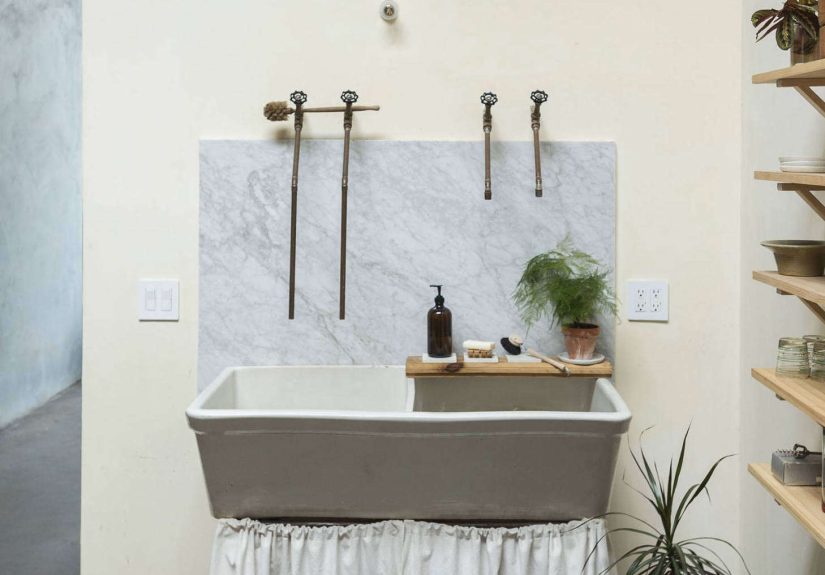
4. Frame a Sink With a Marble Backsplash
You do not need a full marble bathroom to enjoy the look. A small remnant can become a backsplash behind a powder-room sink, laundry sink, or kitchenette basin. This is one of the best uses for marble scraps because the piece can be small while still making a major visual impact. A four- to six-inch backsplash looks tidy; a taller slab feels more dramatic.
For a custom look, match the width of the backsplash to the vanity or sink. It will feel designed, not leftover.
5. Add a Marble Shelf in the Bathroom
A marble shelf instantly makes a bathroom feel boutique-hotel polished. Use a small slab above a sink, beside a tub, or in a shower niche if it is properly installed and sealed. It can hold perfume bottles, folded washcloths, a plant, or the fancy soap guests are allowed to look at but apparently never use.
Pair the shelf with brass brackets for warmth, black brackets for contrast, or hidden supports for a minimalist look.
6. Upgrade a Nightstand or Small Tabletop
If you have an inexpensive side table, a marble remnant can turn it into something that looks collected rather than purchased during a panic-scroll. Measure the tabletop carefully and have the marble cut to size. A rounded corner or eased edge will make the piece safer and more polished.
This hack works beautifully with vintage metal bases, simple wood stools, or even basic flat-pack furniture. The marble does the heavy style lifting.
7. Use Marble as a Serving Board
A small polished or honed slab can become a cheese board, dessert board, or pastry board. Marble stays cool, which is one reason bakers love it for dough work. For food use, make sure the stone is properly cleaned, sealed if appropriate, and not treated with anything unsafe. Add felt or rubber feet underneath so the board does not slide.
One warning: acidic foods like lemon, vinegar, and tomato can etch marble. If your charcuterie board includes pickles and citrus, use small dishes. Marble enjoys drama, but not acid.
8. Design a Marble Tray
Attach two simple handles to a rectangular marble scrap, and you have a tray that looks far more expensive than it is. Use it on a coffee table for candles and books, in the bathroom for skincare, or in the kitchen for oils and salts. If drilling into stone feels intimidating, skip the handles and use the slab as a stationary tray.
A marble tray is the design equivalent of good lighting: it makes everything around it look more intentional.
9. Make a Fireplace Hearth or Surround Accent
For small fireplaces, marble remnants can work as a hearth slab, surround strip, or mantel accent. This is a job where professional installation matters, especially around heat and weight. The payoff is big: marble around a fireplace brings old-world character, even if the rest of the room contains a very modern television and at least one mysterious remote.
10. Add a Marble Ledge Behind the Stove
A narrow marble ledge behind a range can hold salt, pepper, olive oil, or small cooking tools. It creates a European kitchen feeling without requiring a full marble backsplash. Because cooking zones involve heat, grease, and spills, use a remnant that is properly finished and easy to wipe down. Keep oils and flammable items safely away from burners.
11. Replace a Basic Threshold
Door thresholds are often overlooked, which is exactly why upgrading one can feel so satisfying. A marble threshold between a bathroom and hallway, or between tile and wood flooring, creates a crisp transition. It is small, durable, and practical. White Carrara is classic, but darker marble can make the detail feel more dramatic.
12. Turn Scraps Into Coasters
Small square scraps can be cut into coasters. This is a great way to use the tiniest leftover pieces from a renovation. Add cork or felt backing to protect furniture. Coasters also make excellent gifts, especially if you want to say, “I am thoughtful,” without saying, “I spent my entire Saturday at a stone yard.”
13. Create Plant Stands and Pedestals
Place a round or square marble piece under a plant to elevate it visually and physically. This works for small indoor plants, orchids, herbs, and sculptural branches. Marble adds weight and contrast, especially against terracotta, ceramic, or matte black planters. Use a saucer to protect the stone from standing water and soil stains.
14. Build a Marble Desk Pad
A thin marble remnant can become a desk pad, writing surface, or monitor riser. It brings calm, structure, and a little “creative director energy” to a workspace. Just make sure the edges are softened and the underside is protected. If you type aggressively, consider using the marble as a decorative zone rather than directly under your keyboard.
15. Use Irregular Marble Pieces as Sculptural Decor
Not every scrap needs to be cut into a perfect rectangle. Irregular marble pieces can become sculptural objects, wall accents, or layered tabletop decor. A jagged remnant leaning against a shelf backdrop can look surprisingly artistic. The trick is restraint. One unusual piece feels curated; seven unusual pieces may look like your living room is slowly becoming a quarry.
High/Low Styling Tips That Make Marble Scraps Look Expensive
Keep the Palette Calm
Marble already has movement, veining, and personality. Let it breathe. Pair it with simple materials such as white walls, oak, walnut, linen, brushed nickel, aged brass, or matte black metal. Too many competing patterns can make the space feel busy.
Use Repetition
If you use a marble tray in the bathroom, consider a matching windowsill or small shelf nearby. Repetition makes remnants feel intentional. It tells the eye, “This was a design choice,” not “There was a leftover rock and we panicked.”
Mix High and Low Materials
Marble pairs beautifully with humble materials. A scrap marble top on a flea-market table base can look better than an expensive piece from a showroom. Try marble with plywood, iron, cane, plaster, or painted furniture. The contrast keeps the room from feeling too precious.
How to Care for Marble Scraps
Marble is gorgeous, but it is not indestructible. It is softer and more porous than some other stones, so it can scratch, stain, or etch. That does not mean you should avoid it. It means you should treat it like a beautiful dinner guest who cannot tolerate lemon juice.
- Use coasters and trays: Especially under citrus drinks, wine, oils, and anything acidic.
- Clean with mild soap and water: Use a soft cloth and avoid abrasive scrubbers.
- Avoid vinegar and lemon cleaners: Acid can dull or etch the surface.
- Use trivets: Even though stone can handle heat better than many materials, protection is still smart.
- Seal when needed: Ask your fabricator whether your specific marble piece should be sealed and how often.
- Embrace patina: Marble changes over time. Tiny marks can become part of its charm.
Where Marble Scraps Work Best
Marble remnants shine in small areas where they can act like jewelry for the room. Bathrooms, powder rooms, kitchens, entryways, shelves, and tabletops are perfect candidates. They also work well in rentals if you use them as movable pieces: trays, boards, bookends, plant stands, and desk accessories.
If you own your home, consider more permanent upgrades such as thresholds, backsplashes, shelves, and fireplace accents. These projects may require installation, but they can add lasting character without the cost of a major renovation.
Common Mistakes to Avoid
Choosing a Piece That Is Too Thick
Thick marble can be beautiful, but it gets heavy quickly. For shelves, trays, and small tabletops, ask about a practical thickness. A piece that looks elegant in the showroom may feel like a medieval weapon when you carry it upstairs.
Ignoring Edge Finishing
Raw edges can chip or feel sharp. An eased, beveled, bullnose, or polished edge makes a remnant look finished. Edge work can cost extra, but it is often what separates “custom detail” from “construction leftover.”
Forgetting the Underside
If a marble piece will sit on furniture, add felt, cork, or rubber pads underneath. This protects both surfaces and prevents sliding. Small detail, big difference.
Expecting Perfection
Remnants may have odd shapes, limited dimensions, or small flaws. That is part of the deal. The smartest approach is to design around what the stone wants to be rather than forcing it to act like a full slab.
Budget Breakdown: What Might Cost Money?
The marble scrap itself may be inexpensive, especially if it is small or left over from your own project. The real costs often come from cutting, polishing, edging, drilling, delivery, and installation. A simple coaster project may cost very little. A custom shelf, tabletop, or backsplash will cost more because it requires professional fabrication.
To save money, choose standard shapes, avoid complicated curves, and use existing dimensions whenever possible. If a fabricator has a remnant that is already close to your desired size, you may save on cutting. Also, be flexible about the marble type. Carrara, Calacatta, Danby, Nero Marquina, and other varieties all have different looks and price points. The “best” piece is the one that fits your project, your budget, and your tolerance for dramatic veining.
Experience Notes: What I Learned Using Marble Scraps in Real Homes
The first thing you learn when working with marble scraps is that the stone yard is basically a treasure hunt for adults who pretend they are “just browsing.” You arrive thinking you need one small piece, and then suddenly you are emotionally attached to a green remnant shaped like the state of Nevada. The second thing you learn is that dimensions matter. A scrap that looks huge leaning against a warehouse wall can become suspiciously tiny once you imagine it behind a sink. Always bring exact measurements, photos of the space, and a tape measure. Your memory will lie to you. The tape measure will not.
One of the easiest wins is the marble tray. A rectangular remnant on a bathroom vanity instantly gathers all the little bottles, jars, and tubes that normally wander around like unsupervised tourists. The tray makes clutter look curated. Even drugstore hand soap looks slightly more expensive when it stands on marble. Another surprisingly successful project is the plant pedestal. A small round marble piece under a fern or orchid gives the plant height and presence, and it protects the surface below from moisture if you use a proper saucer.
For bigger impact, a marble backsplash behind a small sink is hard to beat. In a powder room, even a modest slab can become the focal point. The secret is to keep everything else simple: plain mirror, clean faucet, soft towel, done. Marble likes a supporting cast, not a marching band. I also love marble shelves, but they require respect. Use strong brackets, mount them properly, and do not overload them. A narrow shelf with perfume, a candle, and a tiny vase looks elegant. A shelf holding twelve hardcover books and a ceramic bust of someone’s uncle is a structural negotiation.
The most important lesson is to accept patina. Marble will not behave like plastic laminate or engineered quartz. It may develop small marks, softened spots, or subtle changes in tone. That is not failure; it is character. In fact, a slightly lived-in marble piece often looks better than a perfect one because it feels like it belongs to the house. The goal is not to preserve it in a museum state. The goal is to use it, enjoy it, and let it add depth to everyday routines.
Finally, do not underestimate the power of asking. Many fabricators have scraps that never make it to a website or showroom. Be polite, clear, and flexible. Tell them the size you need, the finish you prefer, and whether the edges must be polished. You may not find the exact marble you imagined, but you might find something better: a discounted piece with a wild vein, a soft gray remnant perfect for a shelf, or a creamy offcut that turns a basic table into the best-looking thing in the room. Marble scraps reward curiosity. They also reward people who bring snacks, because stone yards take longer than expected.
Conclusion: Small Marble, Big Mood
Using marble scraps is one of the smartest ways to add luxury without committing to a full renovation. A remnant can become a shelf, tray, tabletop, backsplash, windowsill, threshold, coaster, plant stand, or sculptural accent. It can make a rental feel more personal and a renovated home feel more layered. Best of all, it gives leftover material a useful second life.
The high/low magic comes from contrast: an affordable scrap paired with thoughtful placement, simple styling, and proper care. You do not need a mansion-sized slab to enjoy marble. Sometimes all you need is one beautiful leftover piece and the good sense to put it where everyone will notice.