Table of Contents >> Show >> Hide
- What Is a Low Profile Deck-Mounted Lavatory Faucet?
- Why Low Profile Faucets Are So Popular
- Key Features to Look For
- Single-Hole, Centerset, or Widespread: Which One Is Best?
- Best Bathroom Styles for a Low Profile Faucet
- Installation Considerations Before You Buy
- Pros and Cons of a Low Profile Deck-Mounted Lavatory Faucet
- How to Maintain a Low Profile Bathroom Faucet
- Buying Tips: How to Choose the Right Faucet
- Real-Life Experiences With a Low Profile Deck-Mounted Lavatory Faucet
- Conclusion
- SEO Tags
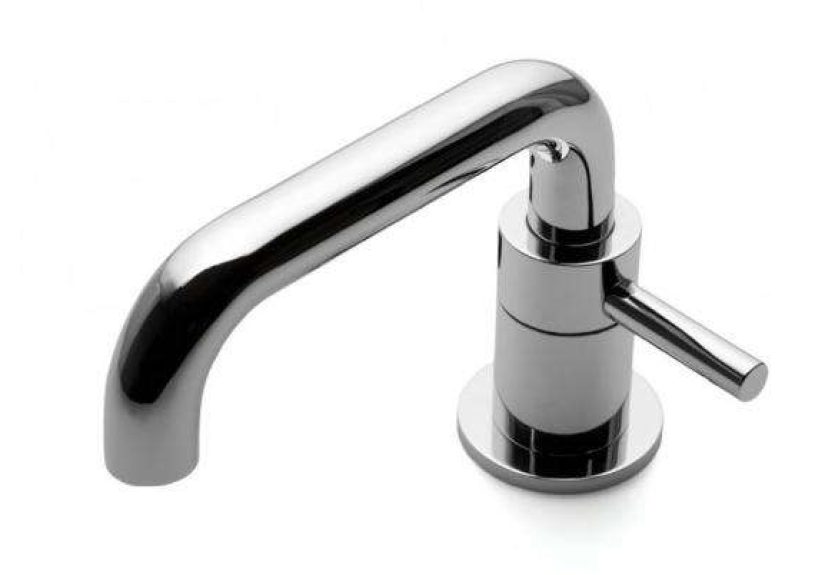
A low profile deck-mounted lavatory faucet is the quiet overachiever of bathroom design. It does not shout from across the room, wave a dramatic gooseneck spout in the air, or demand a sink the size of a koi pond. Instead, it sits neatly on the sink deck or countertop, delivers water where you need it, and gives the vanity a clean, tailored look. Think of it as the bathroom equivalent of a well-fitted blazer: simple, polished, and surprisingly powerful.
For homeowners, remodelers, designers, and anyone trying to make a bathroom feel more intentional, this faucet style offers a smart balance of form and function. It works especially well in powder rooms, compact vanities, modern bathrooms, guest baths, and minimalist interiors where every inch matters. But choosing the right one is not just about finding a pretty finish. You need to consider sink depth, deck thickness, faucet height, water flow, handle style, installation holes, drain compatibility, cleaning needs, and long-term durability.
This guide breaks down what a low profile deck-mounted lavatory faucet is, why it is popular, how to choose one, and what real-life use feels like after the shiny showroom moment is over.
What Is a Low Profile Deck-Mounted Lavatory Faucet?
A deck-mounted lavatory faucet is installed directly on the sink rim, vanity top, or countertop rather than on the wall. “Lavatory” simply means bathroom sink in plumbing language. So yes, it sounds fancy, but we are still talking about the faucet you use to wash your hands, brush your teeth, rinse a razor, or splash water on your face while pretending that counts as a full skincare routine.
The “low profile” part refers to the faucet’s shorter height and more compact silhouette. Compared with high-arc or vessel sink faucets, a low profile bathroom faucet stays closer to the sink deck. It may have a short spout, a modest rise, or a flat, streamlined design that keeps the vanity visually calm.
Common low profile configurations
Low profile deck-mounted faucets come in several layouts. A single-hole lavatory faucet uses one opening and usually has one lever handle. A centerset faucet fits three holes spaced 4 inches apart, with the spout and handles joined on one base. A widespread lavatory faucet uses three separate pieces, usually with handles spaced 8 inches or more apart. Some luxury designs also use one-hole or three-hole layouts with cross handles, lever handles, or minimalist knobs.
The best choice depends on your sink or countertop drilling. Before falling in love with a faucet, measure the holes first. Romance is nice, but plumbing is brutally practical.
Why Low Profile Faucets Are So Popular
The appeal of a low profile deck-mounted lavatory faucet is partly visual and partly practical. Bathrooms have become more design-focused, but most people still want fixtures that are easy to clean, simple to use, and not fussy. Low profile faucets check those boxes.
They create a clean, modern look
Low profile faucets are often associated with contemporary and transitional bathrooms because they reduce visual clutter. Their compact shape pairs beautifully with floating vanities, undermount sinks, stone countertops, slim mirrors, and simple cabinet hardware. In a small powder room, a tall faucet can feel like it wandered in from a hotel lobby. A low profile faucet usually looks better scaled to the space.
They help reduce splashing
Faucet height and spout reach affect how water lands in the sink. If the spout is too tall for a shallow basin, water can splash onto the counter, mirror, wall, and possibly your shirt. A low profile lavatory faucet can reduce that problem when it is properly matched with the sink bowl. The key is to make sure the water stream lands near the drain or slightly forward of it, not on the back wall of the sink.
They fit compact vanities
Many bathrooms, especially guest baths and half baths, do not have generous countertop space. A low profile deck-mounted bathroom faucet preserves room for soap, a small tray, or that decorative candle nobody lights but everyone respects. Centerset and single-hole models are especially useful for smaller sinks because they occupy less deck space.
Key Features to Look For
Not all low profile faucets are created equally. Some are sturdy little workhorses. Others look charming online but become annoying once installed. Use these features as your checklist before buying.
1. Proper spout height and reach
Spout height is the vertical distance from the deck to the outlet. Spout reach is how far the water extends into the sink. With low profile faucets, reach matters even more than height. A spout that is too short can force your hands against the back of the basin. A spout that extends too far may splash near the front edge.
As a practical rule, the stream should land comfortably inside the bowl, usually near the drain area. If you have a shallow rectangular sink, choose a faucet with a controlled aerated flow. If you have a deeper undermount sink, you may have more flexibility.
2. WaterSense efficiency
A modern WaterSense bathroom faucet can reduce water use while still feeling comfortable for everyday handwashing. Many efficient lavatory faucets use 1.2 to 1.5 gallons per minute, depending on the model and local code. A good aerator makes the stream feel fuller by mixing air with water, so you are not left with a sad trickle that feels like the faucet is judging your life choices.
Water-saving faucets are especially helpful in family bathrooms, rental properties, offices, and busy guest baths. Over time, lower flow can reduce water use and may also reduce energy costs when less hot water is used.
3. Durable valve construction
The cartridge or valve controls water flow and temperature. Ceramic disc valves are common in quality bathroom faucets because they are durable, smooth to operate, and resistant to dripping when properly made. A faucet may look sleek on the outside, but the valve is where the long-term relationship happens.
4. Lead-free and certified materials
For faucets that contact drinking water, look for products that meet relevant U.S. lead-free requirements and recognized plumbing safety standards. Brass bodies are common in higher-quality faucets, while zinc or mixed-metal components may appear in lower-cost models. A well-made brass faucet typically feels heavier, installs more securely, and holds up better over years of use.
5. Finish that matches your lifestyle
Chrome is bright, classic, and often budget-friendly. Brushed nickel hides fingerprints better and works with many bathroom styles. Matte black is bold and modern, though it may show toothpaste splatter more than people admit. Polished nickel feels warm and elegant. Brass can look vintage, modern, or luxurious depending on the design.
If your bathroom is used by children, guests, or anyone who treats toothpaste like confetti, choose a finish that is easy to wipe clean. Beauty is wonderful. Low-maintenance beauty is better.
Single-Hole, Centerset, or Widespread: Which One Is Best?
The right faucet configuration depends on your sink, vanity top, and design goals.
Single-hole low profile faucet
A single-hole deck-mounted faucet is ideal for a clean, modern bathroom. It usually has one handle that controls both temperature and flow. This design saves space and simplifies cleaning because there are fewer seams around the base. Many single-hole faucets also include an optional deck plate, allowing them to cover unused holes on a 4-inch sink.
Centerset low profile faucet
A centerset lavatory faucet is practical, compact, and common in many American bathrooms. It fits three-hole sinks with 4-inch spacing. Because the handles and spout sit on a shared base, installation is often straightforward, and cleaning is relatively easy. This is a solid choice for rental updates, family bathrooms, and budget-friendly remodels.
Widespread low profile faucet
A widespread bathroom faucet has separate hot and cold handles, giving the vanity a more custom look. It works well on larger sinks and countertops with 8-inch or wider spacing. Widespread faucets can be easier to clean around because the pieces are separated, but installation usually takes more time than a centerset model.
Best Bathroom Styles for a Low Profile Faucet
A low profile deck-mounted lavatory faucet is versatile, but it shines in certain design styles.
Modern bathrooms
In modern bathrooms, choose a faucet with straight lines, a slim handle, and a simple finish such as chrome, matte black, or brushed nickel. Pair it with a rectangular undermount sink, flat-panel vanity, and minimal hardware for a crisp look.
Transitional bathrooms
For transitional spaces, look for a low profile faucet with soft curves and lever handles. This style bridges traditional and contemporary design without feeling stuck in either camp. It is the faucet version of being able to attend both a wedding and a casual brunch without changing shoes.
Vintage-inspired bathrooms
Low profile does not always mean ultra-modern. Cross handles, polished nickel, unlacquered brass, and bridge-inspired details can create a charming vintage look. These faucets work beautifully with marble counters, console sinks, beadboard walls, and classic medicine cabinets.
Installation Considerations Before You Buy
Installing a low profile deck-mounted faucet can be a manageable project for experienced DIYers, but careful measuring is essential.
Measure the faucet holes
Check how many holes your sink or countertop has and measure the distance between them. A single-hole faucet needs one opening. A centerset faucet typically needs three holes spaced 4 inches apart. A widespread faucet usually requires three holes spaced 8 inches or more apart.
Check deck thickness
Every faucet has a maximum deck thickness. If your countertop is thick stone, quartz, concrete, or a layered vanity top, make sure the mounting hardware can reach through it. This detail is easy to miss and very annoying to discover while lying under the sink with a flashlight in your mouth.
Confirm drain compatibility
Many lavatory faucets include a pop-up drain, push drain, or lift-rod drain assembly. Make sure the drain works with your sink type. Sinks with overflow holes usually need drains designed for overflow. Vessel-style or specialty sinks may require a different drain setup.
Leave room behind the faucet
Low profile faucets still need clearance for handles, lift rods, backsplashes, mirrors, and wall trim. Before installation, confirm that the handle can move fully without hitting the backsplash. This is especially important for compact powder rooms and narrow vanity tops.
Pros and Cons of a Low Profile Deck-Mounted Lavatory Faucet
Pros
A low profile faucet saves visual space, fits many compact sinks, reduces the chance of splash when properly paired, and offers a clean design that works in multiple bathroom styles. It is also easier to coordinate with modern vanities, small mirrors, and streamlined hardware.
Cons
The main drawback is clearance. If the spout is too low or too short, washing hands can feel cramped. It may also be less convenient for filling tall containers, rinsing large items, or washing hair in the sink. For those tasks, a taller faucet or wall-mounted option may be more practical.
How to Maintain a Low Profile Bathroom Faucet
Maintenance is simple if you stay ahead of mineral buildup and soap residue.
Clean the aerator
If water pressure starts to feel weak or uneven, the aerator may be clogged with mineral deposits. Unscrew it carefully, rinse the screen, and soak it in vinegar if needed. This small part has a big job, so treat it with respect.
Wipe the finish regularly
Use a soft cloth and mild soap for routine cleaning. Avoid abrasive pads, harsh chemicals, and mystery cleaners from the back of the cabinet. They may damage special finishes, especially matte black, brass, or living finishes designed to patina over time.
Watch for leaks early
A small drip can waste water and stain the sink. If you notice moisture around the base, under the vanity, or near the supply lines, address it quickly. Tightening connections, replacing a cartridge, or resealing a base is much easier before water damage joins the party.
Buying Tips: How to Choose the Right Faucet
Start with function, then move to style. The best faucet is one that fits your sink, feels comfortable to use, meets water-efficiency expectations, and looks good with the rest of the bathroom.
Match the faucet to the sink depth
A shallow sink needs a carefully controlled spout angle and moderate flow. A deep sink can handle slightly more height or reach. If possible, review technical drawings before buying. Product photos are helpful, but dimensions tell the truth.
Choose handles for real users
Lever handles are easy for most people to operate and may be preferable for accessible design. Cross handles look beautiful but can require more grip and turning. For a guest bath or aging-in-place remodel, ease of operation should carry more weight than decorative drama.
Think about the whole vanity
The faucet should coordinate with cabinet pulls, towel bars, mirror frames, lighting, and shower trim. It does not need to match everything perfectly, but it should look intentional. Mixed metals can work beautifully when repeated thoughtfully. Random metals, however, can make the bathroom look like it was assembled during a clearance sale thunderstorm.
Real-Life Experiences With a Low Profile Deck-Mounted Lavatory Faucet
Living with a low profile deck-mounted lavatory faucet is different from admiring one in a product photo. In daily use, the biggest benefit is how tidy the vanity feels. A shorter faucet does not dominate the sink area, so the countertop looks cleaner even when there is a soap dispenser, toothbrush cup, hand towel, and one mysterious bottle nobody remembers buying.
In a small powder room, the difference can be dramatic. A tall faucet may look elegant in isolation, but once installed on a narrow vanity, it can feel oversized. A low profile faucet keeps the room balanced. Guests can wash their hands comfortably, the mirror area stays visually open, and the sink does not look like it is wearing a hat two sizes too big.
Another real-world advantage is easier cleaning around the sink. Because many low profile faucets have fewer dramatic curves and less vertical height, wiping the area takes less effort. Single-hole designs are especially convenient because there are fewer bases where toothpaste, hard water, and soap can collect. Widespread designs still require cleaning around three pieces, but the spacing can make it easier to get a cloth between the handles and spout.
The main experience to watch for is hand clearance. A beautiful low faucet can become irritating if the spout sits too close to the back of the sink or too low above the basin. Adults with larger hands may feel cramped, and children may splash more if they push their hands directly under the stream at odd angles. This is why checking spout reach and sink depth matters more than choosing the trendiest finish.
Water flow also shapes the experience. A well-designed 1.2 GPM or 1.5 GPM faucet can feel smooth and efficient, especially with a good aerator. But a poor-quality aerator may create a narrow stream that feels weak or splashes unpredictably. If the faucet is for a busy bathroom, choose a model with strong reviews for flow comfort, not just appearance.
In family bathrooms, finishes matter more than expected. Chrome is easy to clean but shows water spots. Matte black looks sharp but can reveal mineral marks, soap residue, and toothpaste freckles. Brushed nickel is forgiving and practical. Brass can be gorgeous, but unlacquered finishes will change over time, which is either “beautiful patina” or “why is my faucet aging faster than I am?” depending on your personality.
For homeowners replacing an old faucet, the upgrade often feels bigger than expected. A low profile deck-mounted lavatory faucet can make an older vanity look fresher without replacing the cabinet, countertop, or sink. It is one of those bathroom changes that seems small on the invoice but noticeable every morning. And unlike trendy wallpaper or dramatic tile, a well-chosen faucet quietly improves the room every single day.
The best experience comes from matching the faucet to real habits. If the sink is mostly for handwashing, a low profile model is excellent. If you frequently fill vases, rinse delicate clothing, bathe a small pet, or wash hair in the basin, consider a slightly taller spout. A faucet should support your life, not audition for a design magazine while making basic tasks awkward.
Conclusion
A low profile deck-mounted lavatory faucet is a smart choice for homeowners who want a bathroom faucet that is stylish, space-conscious, water-efficient, and easy to live with. It works especially well in small bathrooms, modern vanities, powder rooms, and streamlined remodels. The best model is not simply the prettiest one; it is the one that fits your sink holes, deck thickness, basin depth, handle preferences, water-efficiency goals, and cleaning habits.
Before buying, measure carefully, review the technical specifications, and think through everyday use. When selected well, this faucet type can make the bathroom feel cleaner, calmer, and more polished without requiring a full renovation. Small fixture, big impact. Bathroom design loves that kind of plot twist.
Note: This article is written for general home improvement and SEO publishing purposes. Always follow local plumbing codes and manufacturer installation instructions when selecting or installing a lavatory faucet.