Table of Contents >> Show >> Hide
- What Is Liver Pain?
- Where Do You Feel Liver Pain?
- What Does Liver Pain Feel Like?
- Symptoms That May Come With Liver Pain
- Common Causes of Liver Pain
- When Is Liver Pain an Emergency?
- How Doctors Diagnose the Cause
- What You Can Do to Support Liver Health
- Experiences Related to Liver Pain: What People Often Notice
- Conclusion
Medical note: This article is for educational purposes only and does not replace medical advice, diagnosis, or treatment. If you have severe abdominal pain, yellowing of the skin or eyes, confusion, vomiting blood, black stools, fainting, fever with abdominal pain, or pain that will not go away, seek medical care promptly.
What Is Liver Pain?
Liver pain is often described as discomfort in the upper right side of the abdomen, just under the ribs. Some people call it a dull ache. Others say it feels like pressure, fullness, burning, or a deep soreness that seems to hide behind the rib cage like a shy raccoon with a medical degree. The tricky part is that the liver itself does not usually “feel” pain the way skin or muscles do. Instead, pain may come from swelling, inflammation, stretching of the capsule around the liver, nearby bile ducts, the gallbladder, or other digestive organs in the same neighborhood.
The liver is a hard-working organ. It filters blood, processes nutrients, helps digest fats through bile production, stores energy, breaks down certain medicines, and clears toxins. Basically, it is the body’s chemical processing plant, warehouse, recycling center, and night-shift supervisor. When something irritates or injures it, symptoms can be vague at first. That is why liver pain should not be ignored, especially when it appears with fatigue, jaundice, dark urine, pale stools, swelling, nausea, fever, or unexplained weight loss.
Where Do You Feel Liver Pain?
Most people notice possible liver pain in the upper right abdomen. It may sit under the right rib cage, spread toward the center of the belly, or travel to the right shoulder blade or back. Referred shoulder pain can happen because nerves in the upper abdomen and diaphragm share communication routes with the shoulder area. In plain English: the body’s wiring sometimes sends the complaint to the wrong customer service desk.
However, pain in this area does not automatically mean the liver is the culprit. Gallstones, acid reflux, ulcers, muscle strain, rib irritation, pneumonia, kidney problems, pancreatitis, and intestinal issues can also cause discomfort near the liver. That is why doctors usually consider the exact location, timing, severity, related symptoms, medical history, medications, alcohol use, infections, and test results before naming the suspect.
What Does Liver Pain Feel Like?
Liver-related discomfort can vary depending on the cause. It may be mild and nagging, sharp and sudden, or more like pressure than pain. Some people feel worse after eating fatty meals, drinking alcohol, or lying on one side. Others notice no pattern at all. In many liver conditions, pain is not the first symptom. Fatigue, nausea, appetite changes, itching, or abnormal blood tests may appear before pain becomes obvious.
Common descriptions of liver pain include:
- Dull ache under the right ribs
- Pressure or fullness in the upper right abdomen
- Sharp pain that comes and goes
- Pain that radiates to the right shoulder or back
- Discomfort with bloating, nausea, or loss of appetite
- Tenderness when pressing the upper right belly
If pain is severe enough that you cannot sit still, stand up straight, sleep, eat, or function normally, it deserves medical attention. Your liver may be dramatic, but your response should be practical.
Symptoms That May Come With Liver Pain
Liver pain often appears with other symptoms, especially when inflammation, bile flow problems, infection, cirrhosis, or liver failure is involved. The symptoms may be subtle at first. Some people shrug them off as stress, bad sleep, a heavy meal, or “maybe I just need a vacation.” While vacations are lovely, they do not diagnose liver disease.
Possible liver-related symptoms include:
- Jaundice: yellowing of the skin or whites of the eyes
- Dark urine: urine that looks tea-colored or cola-colored
- Pale or clay-colored stools: a possible sign of bile flow problems
- Itchy skin: especially without a visible rash
- Fatigue: deep tiredness that does not match your activity level
- Nausea or vomiting: sometimes worse after meals
- Loss of appetite: food may suddenly feel unappealing
- Abdominal swelling: fluid buildup can cause tightness or discomfort
- Easy bruising or bleeding: the liver helps make clotting proteins
- Swelling in the legs or ankles: often linked with advanced liver disease
- Confusion or sleepiness: a serious sign that toxins may be affecting the brain
- Unexplained weight loss: especially with appetite changes or ongoing pain
Not everyone gets all of these symptoms. In fact, some liver diseases are quiet for years. That silence is not kindness; it is the liver being annoyingly professional while trouble builds in the background.
Common Causes of Liver Pain
Many conditions can cause pain or discomfort around the liver area. Some are short-term and treatable. Others are chronic and need long-term medical care. The most important step is identifying the cause instead of guessing based on pain location alone.
1. Hepatitis
Hepatitis means inflammation of the liver. It can be caused by viruses, alcohol, medications, toxins, autoimmune disease, or fat buildup in the liver. Viral hepatitis includes hepatitis A, B, C, D, and E. In the United States, hepatitis A, B, and C are especially important public health concerns.
Acute hepatitis may cause fever, fatigue, nausea, vomiting, abdominal pain, dark urine, pale stools, joint aches, and jaundice. Chronic hepatitis B or C may cause few or no symptoms for years while slowly damaging the liver. This is one reason routine screening matters for people with risk factors. A liver can be in trouble long before it sends a strongly worded email.
2. Fatty Liver Disease
Fatty liver disease occurs when excess fat builds up in liver cells. Today, many experts use terms such as MASLD for metabolic dysfunction-associated steatotic liver disease and MASH for the inflammatory form that can damage the liver. Risk factors include obesity, type 2 diabetes, high cholesterol, high triglycerides, high blood pressure, insulin resistance, and metabolic syndrome.
Fatty liver disease often has no symptoms. When symptoms do occur, they may include fatigue, discomfort in the upper right abdomen, or a feeling of fullness. If inflammation and scarring progress, it can lead to cirrhosis, liver failure, or liver cancer. The good news is that early lifestyle changes and medical management of metabolic risk factors can make a meaningful difference.
3. Alcohol-Associated Liver Disease
Heavy or long-term alcohol use can injure the liver. Alcohol-associated liver disease may progress from fatty liver to alcohol-associated hepatitis and eventually cirrhosis. Symptoms can include upper abdominal pain, fatigue, nausea, weakness, weight loss, jaundice, fever, swelling, and easy bruising.
The liver can recover from some alcohol-related injury if the damage is caught early and alcohol is stopped. But once severe scarring develops, the situation becomes more serious. Think of it like repeatedly spilling soda into a laptop. At first, maybe it still works. Eventually, the keyboard starts writing its own tragic poetry.
4. Cirrhosis
Cirrhosis is severe scarring of the liver. It can result from chronic hepatitis, alcohol-associated liver disease, fatty liver disease, autoimmune liver disease, inherited conditions, bile duct disease, and other long-term injuries. Early cirrhosis may not cause symptoms. As it progresses, it may cause fatigue, itching, swelling, jaundice, abdominal fluid buildup, confusion, bleeding problems, and mild pain or discomfort over the liver.
Cirrhosis is not just “a tired liver.” It changes the structure of the organ and affects blood flow, digestion, clotting, immune function, and toxin clearance. People with cirrhosis need regular medical follow-up, monitoring for complications, and sometimes screening for liver cancer.
5. Gallbladder and Bile Duct Problems
Gallbladder pain is often mistaken for liver pain because the gallbladder sits under the liver. Gallstones can block bile flow and trigger sudden pain in the upper right abdomen, often after a fatty meal. The pain may spread to the right shoulder or back and may come with nausea, vomiting, fever, or jaundice.
Bile duct disease can also cause pain, itching, dark urine, pale stools, and yellowing of the skin or eyes. When bile cannot flow properly, it backs up like traffic on a holiday weekendexcept the traffic jam is inside your digestive system, which is much less festive.
6. Liver Abscess or Infection
A liver abscess is a pocket of infection in the liver. It may be caused by bacteria, parasites, or fungi. Symptoms can include fever, chills, upper right abdominal pain, nausea, weakness, and sometimes jaundice. This condition needs prompt medical treatment because infection inside an organ is not something to “walk off.”
7. Liver Cysts or Benign Tumors
Many liver cysts and benign liver tumors cause no symptoms and are found by accident during imaging tests. Larger cysts or growths can sometimes cause pressure, fullness, or pain in the upper right abdomen. Most are not cancer, but they should be evaluated by a healthcare professional to confirm what they are and whether they need monitoring or treatment.
8. Liver Cancer
Liver cancer may not cause symptoms in its early stages. When symptoms appear, they can include pain in the upper right abdomen, pain near the right shoulder blade, abdominal swelling, unexplained weight loss, loss of appetite, nausea, fatigue, fever, jaundice, or a lump under the right ribs. People with chronic hepatitis B, chronic hepatitis C, cirrhosis, or certain metabolic liver diseases may have higher risk and may need regular screening.
Most upper right abdominal pain is not cancer, but persistent pain with weight loss, jaundice, swelling, or worsening fatigue should be checked. The goal is not to panic; the goal is to stop guessing and get useful information.
9. Medication or Toxin-Related Liver Injury
Some medicines, supplements, and toxins can injure the liver. Acetaminophen overdose is a well-known cause of acute liver injury, but prescription drugs, herbal products, bodybuilding supplements, and contaminated products can also create problems. Symptoms may include nausea, vomiting, upper abdominal pain, jaundice, confusion, or extreme fatigue.
Always tell your doctor about everything you take, including over-the-counter pain relievers, vitamins, teas, powders, and supplements. The liver reads the whole ingredient list, even when the marketing label says “natural” in a calming font.
10. Autoimmune and Genetic Liver Diseases
Autoimmune hepatitis happens when the immune system attacks liver cells. Other conditions, such as primary biliary cholangitis, primary sclerosing cholangitis, hemochromatosis, Wilson disease, and alpha-1 antitrypsin deficiency, can also damage the liver. Symptoms vary but may include fatigue, itching, jaundice, abdominal pain, joint pain, abnormal liver tests, or signs of cirrhosis.
These conditions may require specialized testing and long-term treatment. Family history, age, lab results, imaging, and sometimes liver biopsy help guide the diagnosis.
When Is Liver Pain an Emergency?
Some symptoms suggest a need for urgent evaluation. Do not wait around hoping the pain will politely resign from your abdomen. Seek emergency care if liver-area pain comes with severe intensity, fainting, confusion, vomiting blood, black stools, high fever, rigid abdomen, trouble breathing, severe weakness, or yellowing of the skin and eyes that appears suddenly.
You should also contact a healthcare professional if pain lasts more than a few days, keeps returning, worsens after meals, appears with unexplained weight loss, or comes with abnormal liver blood tests. Pain is information. It may not tell the whole story, but it is a headline worth reading.
How Doctors Diagnose the Cause
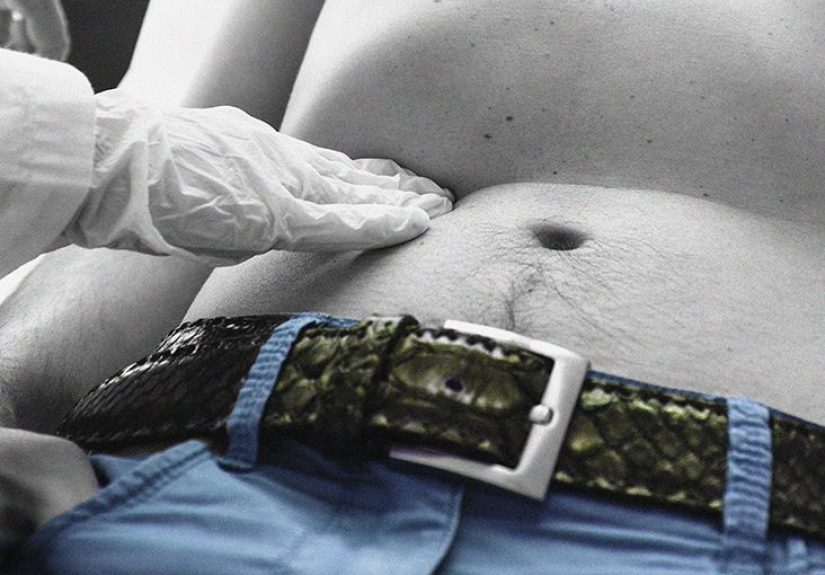
To evaluate possible liver pain, doctors may start with a physical exam and questions about symptoms, alcohol use, medications, supplements, travel, family history, sexual exposure, injection drug exposure, diet, weight changes, and previous liver tests. This is not nosiness; it is detective work with a stethoscope.
Common tests may include:
- Liver function tests: blood tests such as ALT, AST, alkaline phosphatase, bilirubin, albumin, and clotting markers
- Viral hepatitis tests: screening for hepatitis A, B, C, and sometimes other infections
- Imaging: ultrasound, CT scan, MRI, or elastography to look at the liver, gallbladder, bile ducts, and surrounding organs
- Metabolic tests: cholesterol, triglycerides, glucose, and A1C
- Autoimmune or genetic testing: depending on risk factors and blood test patterns
- Liver biopsy: sometimes used to confirm diagnosis or stage liver damage
The right test depends on the situation. Mild, short-lived discomfort after a heavy meal is different from persistent pain with jaundice and weight loss. Context matters, and so does follow-through.
What You Can Do to Support Liver Health
Healthy liver habits cannot cure every liver condition, but they can reduce risk and support treatment. The basics are not glamorous, but they work harder than most wellness trends.
- Limit or avoid alcohol, especially if you already have liver disease.
- Use acetaminophen and other medicines only as directed.
- Avoid mixing alcohol with medications unless your doctor says it is safe.
- Get vaccinated for hepatitis A and hepatitis B if recommended.
- Ask about hepatitis screening if you have risk factors.
- Maintain a balanced eating pattern with fiber-rich foods, lean proteins, and healthy fats.
- Manage diabetes, high blood pressure, cholesterol, and triglycerides.
- Choose gradual, sustainable weight loss if weight loss is recommended.
- Avoid sharing needles, razors, or toothbrushes.
- Use protective practices to reduce exposure to bloodborne infections.
- Tell your healthcare provider about supplements before taking them.
Liver health is not about perfection. It is about reducing repeated injury and giving the organ fewer fires to put out. Even small changes can matter when they become consistent.
Experiences Related to Liver Pain: What People Often Notice
People who experience possible liver pain often describe the beginning as confusing. The discomfort may not feel dramatic at first. It may show up as a strange pressure under the right ribs after dinner, a dull ache after drinking alcohol, or a tight feeling that seems to come and go. Because the pain is not always sharp, many people assume it is gas, posture, a pulled muscle, or “just one of those body glitches.” Sometimes it is. Sometimes it is not.
One common experience is uncertainty about the location. A person may press under the right rib cage and wonder, “Is that my liver, my gallbladder, my stomach, or did I sleep like a folding chair?” This confusion is normal because several organs share the same region. Gallbladder attacks, for example, can mimic liver pain and may feel worse after greasy meals. Muscle strain can also feel suspiciously organ-like, especially after exercise, coughing, lifting, or sitting twisted at a desk for hours.
Another experience is fatigue that feels out of proportion. Some people with liver inflammation or chronic liver disease say they are not just sleepy; they feel drained, heavy, or mentally foggy. This can be frustrating because fatigue is a common symptom with many causes. It may be blamed on school, work, parenting, stress, poor sleep, or too much screen time. Those things can absolutely contribute, but fatigue plus upper right abdominal discomfort, dark urine, itching, nausea, or yellowing eyes should raise the level of concern.
People with fatty liver disease often report surprise because they may have few symptoms or none at all. A routine blood test or ultrasound may reveal the issue before pain becomes noticeable. Others feel a vague fullness in the upper right abdomen and worry that something serious is happening. In many cases, metabolic factors such as insulin resistance, high triglycerides, high blood pressure, and weight changes are part of the picture. The emotional experience can be a mix of fear, guilt, and motivation. The helpful response is not shame; it is a practical plan with a healthcare professional.
People with hepatitis may have a different story. Some experience flu-like symptoms, appetite loss, nausea, abdominal pain, and jaundice. Others, especially with chronic hepatitis B or C, may feel fine for years. That “fine” feeling can be misleading. It is one reason screening is important for people with risk factors. Finding a silent liver infection early can prevent serious complications later.
There is also the experience of anxiety. Searching symptoms online can turn a mild ache into a midnight spiral involving rare diseases, dramatic forums, and a sudden desire to inspect one’s eyeballs under three different lamps. A better approach is to track symptoms clearly: when the pain started, where it is, how long it lasts, what makes it better or worse, what foods or medicines were involved, and whether symptoms like fever, jaundice, vomiting, itching, or weight loss are present. This information helps a clinician move faster from guessing to testing.
The most important lesson from real-world experiences is this: liver pain is not a diagnosis. It is a clue. Sometimes the cause is minor. Sometimes it signals inflammation, bile blockage, infection, or chronic liver disease. Paying attention without panicking is the sweet spot. The liver may be quiet, but when symptoms appear, listening early is usually better than negotiating with your abdomen like it is a moody roommate.
Conclusion
Liver pain usually refers to discomfort in the upper right abdomen, but the cause is not always the liver itself. Hepatitis, fatty liver disease, alcohol-associated liver disease, cirrhosis, gallbladder problems, bile duct disease, infections, cysts, tumors, medications, toxins, autoimmune disease, and genetic conditions can all play a role. Because many liver diseases are silent at first, symptoms such as jaundice, dark urine, pale stools, itching, swelling, confusion, easy bruising, persistent fatigue, or unexplained weight loss should be taken seriously.
The best next step is not fear; it is evaluation. A healthcare professional can use history, blood tests, imaging, and targeted screening to identify the cause and recommend treatment. Your liver does a lot without asking for applause. When it sends signals, give it the attention it has definitely earned.