Table of Contents >> Show >> Hide
- What Is a Linen Pendant Lamp?
- Why Linen Pendant Lamps Are So Popular
- Best Rooms for a Linen Pendant Lamp
- How to Choose the Right Linen Pendant Lamp
- Lighting Performance: Bulbs, Brightness, and Color Temperature
- Design Styles That Work With Linen Pendant Lighting
- Common Mistakes to Avoid
- Maintenance and Cleaning Tips
- Shopping Checklist Before You Buy
- Real-Life Experience: Living With a Linen Pendant Lamp
- Conclusion
A linen pendant lamp is one of those home upgrades that looks calm, expensive, and effortlessthree words most of us would also like applied to our lives, but let’s start with the ceiling. With its soft fabric shade, natural texture, and warm glow, a linen pendant lamp can turn a plain room into a space that feels layered, relaxed, and intentionally designed.
Unlike shiny metal fixtures or clear glass pendants that put the bulb on full display, linen softens the light before it reaches your eyes. The result is gentler illumination, fewer harsh shadows, and a cozy atmosphere that works beautifully in dining rooms, bedrooms, breakfast nooks, entryways, and even kitchens. It is lighting with manners: bright enough to help, soft enough not to shout.
In today’s interiors, linen pendant lighting fits several popular styles at once. It can lean coastal, modern farmhouse, Scandinavian, transitional, organic modern, or quietly luxurious. The secret is balance. Linen adds texture without clutter, warmth without heaviness, and personality without demanding its own fan club.
What Is a Linen Pendant Lamp?
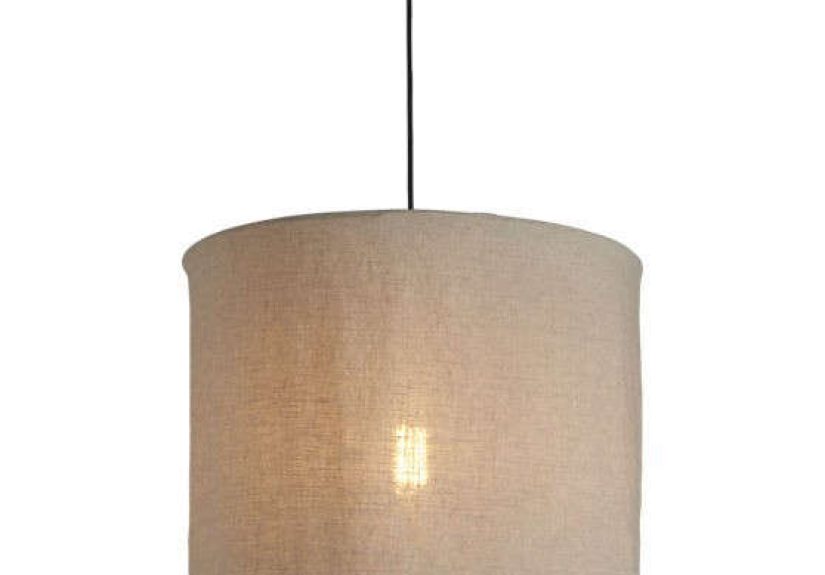
A linen pendant lamp is a hanging light fixture with a shade made from linen or a linen-blend fabric. The shade may be drum-shaped, bell-shaped, cone-shaped, tapered, pleated, scalloped, cylindrical, or wrapped around a metal frame. Most linen pendant lamps are hardwired into the ceiling, although some plug-in versions exist for renters or flexible layouts.
The defining feature is the fabric shade. Linen is made from flax fibers and is known for its natural weave, subtle slubs, and breathable texture. In lighting, that texture matters. A linen shade filters light in a way that feels softer and more organic than many synthetic materials. Instead of producing a spotlight effect, it creates a comfortable wash of ambient light.
Why Linen Pendant Lamps Are So Popular
They Make Light Feel Softer
The biggest reason homeowners choose a linen pendant lamp is the quality of light. Linen diffuses brightness, reducing glare and creating a more flattering glow. This is especially helpful above dining tables, kitchen islands, bedside areas, and reading cornersplaces where people gather, talk, eat, or attempt to look awake before coffee.
They Add Texture Without Visual Noise
Interior designers often talk about texture because it keeps a room from feeling flat. Linen is excellent for this. A white wall, wood table, stone counter, and smooth sofa can all look beautiful, but a linen pendant lamp adds a woven, tactile layer that makes the room feel finished. It is subtle, but it works.
They Fit Many Decorating Styles
A linen shade pendant can look casual or refined depending on its frame, finish, and shape. Pair cream linen with aged brass for a warm traditional look. Choose black metal and a simple drum shade for modern contrast. Use natural linen with light wood for coastal or Scandinavian style. Select a pleated linen shade if you want a slightly vintage, boutique-hotel mood.
Best Rooms for a Linen Pendant Lamp
Dining Room
A linen pendant lamp over a dining table creates a soft focal point. It frames the table, makes meals feel more intimate, and helps the room look styled even when dinner is just takeout in a heroic disguise. For dining rooms, drum pendants, oversized fabric shades, and lantern-style linen fixtures are especially popular.
For most dining tables, the bottom of the pendant should sit about 30 to 36 inches above the tabletop. This height usually gives enough light while keeping conversation lines open. If the ceiling is taller than 8 feet, the fixture can often hang slightly higher for better proportion.
Kitchen Island
Linen pendant lamps can work beautifully over a kitchen island, especially when the kitchen already has strong task lighting from recessed lights or under-cabinet lighting. Because linen shades diffuse light, they are excellent for ambiance. However, if the island is used heavily for chopping, cooking prep, homework, or detailed tasks, choose a fixture with enough lumen output and consider multiple pendants for even coverage.
A common guideline is to hang pendants about 30 to 36 inches above the counter. When using two or three pendants, spacing them roughly 24 to 30 inches apart often creates a balanced look. Leave enough room at the ends of the island so the fixtures do not look like they are trying to escape the counter.
Bedroom
In bedrooms, linen pendant lamps are a stylish alternative to table lamps. Hanging a pendant on each side of the bed frees up nightstand space and creates a boutique feel. Smaller linen pendants work best here because the goal is comfort, not interrogation-room brightness.
For bedside use, place the shade low enough to provide reading light but high enough that nobody bumps into it while reaching for their phone at 2 a.m. A dimmable bulb is highly recommended. Bedrooms deserve lighting with emotional range.
Entryway
An entryway linen pendant lamp offers a welcoming first impression. Instead of a cold flush mount, a fabric pendant brings softness right at the door. For small foyers, a compact drum or globe-inspired linen shade works well. For tall entryways, a larger pendant with a longer drop can help fill vertical space.
Living Room
In a living room, a linen pendant lamp can serve as the central ambient light or as a decorative layer above a seating area. It pairs beautifully with floor lamps, table lamps, and wall sconces. The goal is not to make one fixture do everything. Good lighting is like a good playlist: layered, flexible, and not just one song on repeat.
How to Choose the Right Linen Pendant Lamp
Start With Size
Scale is everything. A pendant that is too small can look lost, while one that is too large can make the room feel crowded. For dining tables, the fixture should usually be narrower than the table, leaving breathing room on all sides. A good visual rule is to choose a pendant that is about one-half to two-thirds the width of the surface below it.
For open rooms where the pendant is not centered over a table or island, consider the room’s overall dimensions. Larger rooms can handle wider drum shades, tiered linen fixtures, or multi-light pendants. Smaller rooms usually look better with a simple linen pendant that adds softness without blocking the view.
Choose the Right Shape
Different shapes create different effects. A drum linen pendant lamp feels classic and versatile. A cone shade looks clean and modern. A bell-shaped linen shade has a softer traditional feel. A pleated shade brings charm and a slightly nostalgic detail. A linear linen pendant is great over rectangular dining tables and kitchen islands because it follows the shape of the surface below.
Pick a Shade Color Carefully
White linen gives the brightest, cleanest light. Cream linen adds warmth and works well with brass, bronze, oak, and natural stone. Oatmeal or natural linen creates a relaxed, earthy look. Dark linen shades can be dramatic, but they absorb more light, so they are best for mood lighting rather than primary illumination.
Match the Finish to the Room
The metal finish around the linen shade affects the entire personality of the fixture. Aged brass feels warm and elegant. Matte black adds contrast and a modern edge. Bronze works well in rustic, farmhouse, and traditional rooms. Polished nickel or brushed nickel can make the pendant feel cleaner and more contemporary.
Lighting Performance: Bulbs, Brightness, and Color Temperature
A beautiful linen pendant lamp still needs the right bulb. Otherwise, you get a gorgeous fixture that lights the room like a sleepy firefly. LED bulbs are the best choice for most homes because they use far less energy than incandescent bulbs and last much longer. Look for bulbs that fit the fixture’s socket type and wattage limits.
For warm, comfortable rooms, choose a color temperature around 2700K to 3000K. This gives a soft white glow that flatters linen and makes wood, paint, and textiles look inviting. Cooler temperatures can feel too sharp for fabric pendant lighting, especially in dining rooms and bedrooms.
Dimming is another smart feature. A dimmable linen pendant lamp gives you flexibility: brighter light for cooking or cleaning, softer light for dinner, and very low light for pretending the laundry pile does not exist. Always confirm that the fixture, bulb, and dimmer switch are compatible.
Design Styles That Work With Linen Pendant Lighting
Coastal
Natural linen, white walls, rattan accents, pale wood, and breezy curtains create a coastal look that feels fresh without becoming themed. The trick is to avoid going overboard with shells, anchors, and “Beach Life” signs. A linen pendant lamp already whispers coastal. It does not need to shout from a souvenir shop.
Modern Farmhouse
For modern farmhouse interiors, choose a linen shade with black, bronze, or aged brass hardware. A drum or lantern-style pendant works well over a farmhouse table. Pair it with warm wood, simple ceramics, and neutral textiles for a look that feels cozy but not cluttered.
Scandinavian
Scandinavian rooms love simplicity, natural materials, and functional beauty. A linen pendant lamp fits naturally in this style, especially when paired with light wood, soft gray, white walls, and minimal furniture. Choose clean silhouettes and avoid overly ornate frames.
Traditional and Transitional
In traditional spaces, linen pendants with pleated shades, brass details, or curved frames add timeless appeal. Transitional rooms can use linen lighting to bridge classic and modern pieces. For example, a white linen drum pendant above a dark wood table feels polished without being stiff.
Common Mistakes to Avoid
Choosing a Shade That Blocks Too Much Light
Some linen shades are lined or tightly woven, which can reduce brightness. This is not necessarily bad, but it matters. If the pendant is your main light source, choose a lighter shade color or a fixture with multiple bulbs. If the lamp is mostly decorative, a thicker shade may be perfectly fine.
Hanging the Pendant Too Low
A pendant should create atmosphere, not forehead drama. Over tables and islands, make sure the shade does not block sightlines or interfere with daily use. In walkways and entryways, leave enough clearance so people can pass underneath comfortably.
Ignoring the Ceiling Height
Ceiling height changes everything. A pendant that looks perfect in a showroom may hang too low in an 8-foot room or look tiny in a vaulted space. Adjustable rods, chains, or cords are helpful because they allow the fixture to fit your actual home, not an imaginary mansion with perfect proportions.
Skipping Layered Lighting
A linen pendant lamp is wonderful, but it should not be the only light in most rooms. Combine it with recessed lighting, sconces, table lamps, or under-cabinet lighting depending on the space. Layered lighting gives you control and keeps the room useful throughout the day.
Maintenance and Cleaning Tips
Linen shades need gentle care. Dust them regularly with a microfiber cloth, soft brush, or vacuum brush attachment on low suction. For small marks, use a barely damp cloth and blot carefully. Avoid soaking the fabric because water can stain or warp the shade. Also avoid harsh cleaners, which can discolor linen or damage the backing.
If the pendant is in a kitchen, grease and dust can build up faster. Choose a fixture placed far enough from the range or cooktop, and clean it more often. Linen shades near heavy cooking zones may require extra care, so they are usually better over islands, breakfast nooks, or dining spaces than directly above a stove.
Shopping Checklist Before You Buy
Before purchasing a linen pendant lamp, measure the room, ceiling height, table or island size, and desired hanging height. Check the fixture width, minimum and maximum hanging length, bulb requirements, dimmer compatibility, location rating, and installation type. If the space is humid, such as a bathroom or covered area, confirm whether the fixture is rated for damp locations.
Also think about the underside of the shade. Some linen pendant lamps have a diffuser at the bottom, which helps reduce glare and hides the bulbs. Others are open, which can provide stronger downward light but may reveal the bulb from certain angles. Neither option is automatically better; it depends on how and where you plan to use it.
Real-Life Experience: Living With a Linen Pendant Lamp
The first thing people usually notice after installing a linen pendant lamp is not the fixture itselfit is the mood. A room that once felt bright but flat suddenly feels warmer and more finished. The change can be surprisingly dramatic, especially in dining areas where overhead lighting often has to work hard. A linen shade turns that hard-working light into something softer, like switching from a loud ringtone to a jazz playlist.
In a dining room, the experience is especially noticeable at night. A clear glass pendant can look beautiful during the day, but after sunset it may create glare or harsh reflections. A linen pendant lamp feels gentler. The table becomes the center of attention, faces look softer, and the room feels more relaxed. Guests may not say, “What excellent diffusion quality your shade has,” because normal people do not talk like lighting catalogs, but they will often say the room feels cozy.
In a kitchen, the experience depends on placement. Over an island, linen pendant lighting works best when paired with practical task lighting. The linen shade creates a pleasant glow for casual meals, coffee, homework, and late-night snacks. However, if you rely only on linen pendants for detailed food prep, you may want brighter bulbs or additional recessed lights. Linen is excellent at softening light, but softening is not the same as spotlighting a diced onion.
Bedrooms are where linen pendants quietly become heroes. Hanging one on each side of the bed can make a small room feel custom-designed. It frees the nightstand from bulky lamp bases and adds symmetry. With warm LED bulbs and a dimmer, the room can shift from reading mode to sleepy mode without changing fixtures. This is where linen’s texture really shines because it looks calm even when the rest of the room contains evidence of real life, such as books, chargers, and one sock that has chosen independence.
Maintenance is usually simple, but the fabric does ask for respect. Dust shows more on dark shades, while white or cream linen can reveal stains if touched with oily hands. In homes with pets, ceiling fixtures are safer than floor lamps, but airborne dust and fur still exist because pets are generous like that. A quick dusting every couple of weeks keeps the shade looking fresh.
The biggest lesson from living with a linen pendant lamp is that it rewards thoughtful choices. Size, height, bulb temperature, and room function all matter. When those details are right, the fixture does not just light the space; it improves how the space feels. That is why linen pendant lamps remain popular in homes that aim for comfort, elegance, and everyday usability. They are not flashy. They are better than flashy. They are quietly good, which is often the hardest design trick to pull off.
Conclusion
A linen pendant lamp is a practical and stylish way to bring warmth, texture, and soft ambient lighting into your home. Whether you choose a white linen drum pendant for a dining room, a natural linen shade over a kitchen island, or a pair of small fabric pendants beside the bed, the right fixture can make a space feel more inviting and complete.
The best linen pendant lighting is chosen with proportion, placement, brightness, and style in mind. Measure carefully, use warm LED bulbs, consider dimming, and choose a shade that supports the room’s purpose. When done well, a linen pendant lamp does not simply hang from the ceiling. It pulls the room together with the quiet confidence of someone who definitely read the instructions.