Table of Contents >> Show >> Hide
- What Is a Leviton Porcelain Keyless Fixture?
- Why the Leviton Version Gets So Much Attention
- Common Use Cases in Real Homes
- How to Choose the Right Leviton Porcelain Keyless Fixture
- Installation Mindset: Safety Before Speed
- LED Pairing Strategy: Get Better Light With Lower Running Cost
- Common Problems and Practical Fixes
- Cost, Value, and Why This Fixture Is Still Relevant
- Who Should Use a Leviton Porcelain Keyless Fixture?
- Who Might Prefer Something Else?
- Final Takeaway
- Experience Section (Extended 500+ Words): Living With Leviton Porcelain Keyless Fixtures
Some home upgrades are glamorous. This is not one of them. The Leviton porcelain keyless fixture is the blue-collar legend of lighting: simple, sturdy, affordable, and strangely satisfying when you install it and everything just works. No chandelier drama. No tiny decorative screws that disappear into another dimension. Just a dependable light holder that shows up, does its job, and asks for absolutely no applause.
This guide is a full, practical deep dive into what a Leviton porcelain keyless fixture is, why electricians still trust it, how to choose the right one, where to install it, how to pair it with modern LED bulbs, and what real homeowners learn after living with one for years. It is written for actual humans with garages, utility rooms, and to-do listsnot for people who frame product manuals and read them by candlelight.
What Is a Leviton Porcelain Keyless Fixture?
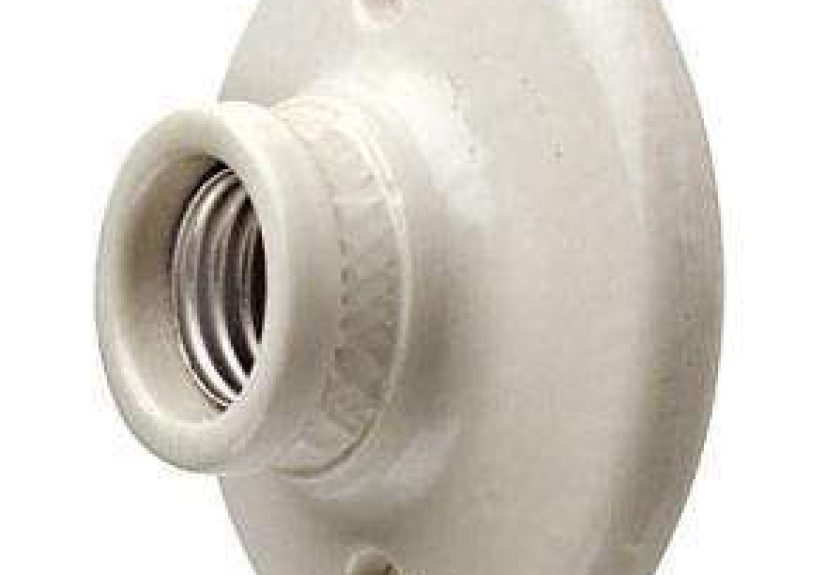
A porcelain keyless fixture is a basic lampholder (typically medium-base/E26 style) made from glazed porcelain. “Keyless” means there is no pull-chain or rotary switch built into the socket. Instead, the bulb is controlled by a wall switch, timer, occupancy sensor, or circuit control upstream.
In plain English: it is a straightforward bulb holder that can handle utility-duty lighting in spaces where function matters more than decorative style. Think basements, garages, attics, closets (where code allows), workshops, and storage areas.
Why Porcelain Instead of Plastic?
Porcelain has long been valued in lamp-holder construction because it handles heat and wear well, especially in spaces that run dusty, hot, or busy. It also tends to feel more substantial during installation. If you have ever squeezed a brittle old socket and felt it creak like a haunted staircase, porcelain feels like the opposite experience.
Why the Leviton Version Gets So Much Attention
Leviton has been a major U.S. electrical device brand for decades, and its porcelain lampholders are widely available through big-box stores, electrical suppliers, and hardware retailers. That accessibility matters. If a fixture fails on a weekend, being able to replace it quickly is half the battle.
1) Utility-Grade Simplicity
These fixtures are intentionally uncomplicated: mount, wire, bulb in, done. Fewer moving parts can mean fewer failure points over time, especially versus fixtures with integrated switches or decorative components that collect dust and loosen.
2) Broad Compatibility
Most homeowners use these with standard medium-base bulbs, and today that usually means LED A19 lamps. You get modern efficiency without needing a fancy smart fixture. If your bulb can screw in and it stays within rating limits, you are in good shape.
3) Ratings You Can Verify
One practical advantage of shopping Leviton and major U.S. retailers is that key specs are clearly listed: wattage/voltage limits, base type, mounting style, and listing information. That makes apples-to-apples comparison easier and helps you avoid the mystery-socket problem.
Common Use Cases in Real Homes
Basements and Utility Rooms
You want bright, reliable light when changing filters, doing laundry, or finding that one storage bin labeled “holiday stuff???” in handwriting no one can decode. A porcelain keyless fixture with a high-quality LED bulb is often the most cost-effective setup.
Garages and Workshops
In garages, reliability beats decoration every time. These fixtures are easy to service and pair well with high-output LED bulbs for task visibility. If you are doing tool work, seeing clearly is not optional.
Attics and Mechanical Areas
These are spaces where you want durable, straightforward components and minimal maintenance. When you are balancing on joists, you do not want to troubleshoot a moody fixture with seven trim pieces.
Closets and Storage Areas
Some retailers even position these fixtures as closet/basement utility options, but placement rules can vary by local code and closet type. Treat code compliance as a requirement, not a suggestion.
How to Choose the Right Leviton Porcelain Keyless Fixture
Not all porcelain lampholders are identical. The right pick depends on where and how you plan to use it.
Check the Rating Label First
- Wattage and voltage: Stay within the fixture’s marked limits.
- Bulb base: Most are medium-base; confirm before buying.
- Environment: Verify whether the location is dry, damp, or otherwise restricted.
Match the Mounting Style
Some models are designed for outlet-box mounting. If your current setup uses a different plate, strap, or geometry, verify compatibility before checkout. Ten extra minutes of measuring can save a second trip to the store and a deeply unnecessary argument with your ladder.
Understand “Keyless” Behavior
No built-in pull chain means you need switched control elsewhere. If your existing space has no wall switch and you do not plan to add one, you may need a pull-chain lampholder instead of a keyless unit.
Installation Mindset: Safety Before Speed
This article is educational, not a substitute for licensed electrical work. If you are unsure about wiring condition, box integrity, conductor identification, or code requirements, call a qualified electrician.
Minimum Safety Checklist
- Turn power off at the breakernot just the wall switch.
- Verify absence of voltage with an appropriate tester.
- Inspect box stability and conductor condition before reinstalling.
- Use properly sized wire connectors and secure all terminations.
- Never exceed the fixture’s rated wattage.
If any part of that list sounds uncertain, pause. There is no prize for “fastest fixture replacement of the year,” and electricity does not grade on effort.
LED Pairing Strategy: Get Better Light With Lower Running Cost
A porcelain keyless fixture is old-school hardware that works perfectly with modern LED bulbs. This combo is one reason it remains popular: low upfront cost plus lower ongoing energy use.
Pick Lumens, Not “Equivalent Watts” Alone
For workspaces, many people prefer roughly 800 to 1600 lumens depending on room size and task detail. In practical terms, choose brightness first, then confirm the bulb and fixture remain within safe limits.
Choose Color Temperature by Function
- 2700K–3000K: Warmer, softer utility lighting.
- 3500K–4000K: Balanced neutral for general work.
- 5000K and up: Crisp “daylight” feel for detail tasks.
Add Controls for Extra Savings
Motion sensors, timers, or vacancy switches can reduce lights accidentally left on in garages and storage spaces. It is one of the easiest energy-saving upgrades you can add to a basic fixture setup.
Common Problems and Practical Fixes
“The bulb is new, but the light still flickers.”
Start with the obvious: bulb fit, switch quality, and connection tightness. If the socket is worn, overheated, or physically damaged, replacement is usually smarter than “just one more tightening attempt.”
“The socket feels too hot.”
Overheating risk rises when bulb wattage exceeds rating, airflow is restricted, or old wiring is compromised. Move to appropriately rated LED bulbs and verify all specs. If heat remains concerning, stop use and have the circuit inspected.
“Broken bulb base stuck in the socket.”
De-energize at breaker, confirm no voltage, then use a safe extraction method (or a professional). Never attempt removal with bare hands on an energized or uncertain circuit.
Cost, Value, and Why This Fixture Is Still Relevant
The Leviton porcelain keyless fixture sits in a rare sweet spot: low cost, high utility, easy replacement, and broad bulb compatibility. In many U.S. retail channels, these fixtures are generally inexpensive enough to keep one on hand as a spare. That alone can be a lifesaver on a Sunday evening when a utility-room light decides to retire without notice.
From an ROI perspective, the hardware cost is small; the long-term value comes from reliability and pairing it with efficient LEDs. If your goal is “good light, low fuss, fewer callbacks,” this fixture earns its keep.
Who Should Use a Leviton Porcelain Keyless Fixture?
- Homeowners who want durable utility lighting without decorative complexity
- Landlords standardizing maintenance-friendly fixtures across units
- DIYers upgrading tired sockets in basements, garages, and storage spaces
- Anyone who values “works every time” over “looks expensive in photos”
Who Might Prefer Something Else?
- People who need integrated dimming, smart controls, or decorative trim
- Spaces where enclosed fixtures are required by environment or code
- Rooms where aesthetics matter more than straightforward utility performance
Final Takeaway
The Leviton porcelain keyless fixture is not trendyand that is exactly the point. It is a practical, proven lighting component that performs reliably in real-world utility spaces. If you match the model to your box and rating needs, pair it with the right LED bulb, and install it with proper safety discipline, you get one of the most dependable low-cost lighting upgrades in home improvement.
If your lighting philosophy is “no drama, no nonsense, no mystery failures,” this fixture belongs on your shortlist.
Experience Section (Extended 500+ Words): Living With Leviton Porcelain Keyless Fixtures
Let’s talk about the part most product pages skip: what this fixture feels like after months and years in the real world. I have seen homeowners install one of these in a laundry area as a “temporary fix,” then forget about it for a decade because it simply keeps working. That may not sound romantic, but in home maintenance, quiet reliability is basically poetry.
One common story starts in a dim garage where every project takes twice as long because you cannot see what you are doing. Someone swaps an aging socket for a Leviton porcelain keyless fixture, screws in a bright LED, and suddenly finding a 10mm socket wrench becomes possible again. Nothing magical happenedjust better light and a socket that makes solid contact. But the daily quality-of-life improvement feels big.
Another recurring experience is confidence during maintenance. With decorative fixtures, people often avoid touching anything because parts feel fragile or complicated. A porcelain keyless fixture is refreshingly honest. You can inspect it quickly, clean around it, and replace bulbs without feeling like you are disarming a museum artifact. It is easy to understand, and that clarity reduces user error.
Landlords and property managers also tend to appreciate consistency. When multiple units use similar lampholders, maintenance becomes predictable: same basic parts, same replacement logic, same service process. That standardization cuts downtime and keeps lighting problems from becoming tenant headaches.
In older homes, the biggest lesson is respect for wiring conditions. People often assume the fixture is the only variable, but many performance issues trace back to legacy wiring, tired junction boxes, or weak connections upstream. Homeowners who approach replacement with a safety-first mindsetbreaker off, voltage verified, wiring inspectedreport smoother outcomes and fewer “mystery flicker” callbacks. The fixture can be excellent, but it still depends on the health of the circuit around it.
There is also an aesthetic surprise people mention: utility spaces feel more “finished” when lighting is clean, bright, and intentional. No, a keyless porcelain fixture is not decorative in the traditional sense. But a neat installation plus the right bulb color temperature can make a workshop feel organized and a basement feel less like a scene from a disaster movie.
A lot of users start with one fixture, then replicate the setup elsewhere. Why? Because success breeds repeat behavior. If a garage install goes well and the light quality is noticeably better, the same homeowner may update the attic and utility room next. It becomes a pattern: replace old, unreliable sockets with durable porcelain units and efficient bulbs, then move on to the next space.
The funniest recurring comment is some version of: “I didn’t realize how bad the old light was until this one went in.” That is the hidden value of practical upgradesyour baseline improves so much that you forget the old frustration existed.
Final real-world lesson: the fixture is simple, but decisions still matter. Pick the correct rating, use the right bulb, verify control method (keyless means no pull chain), and do not wing electrical safety. When those basics are respected, the Leviton porcelain keyless fixture delivers exactly what people hope for: dependable light, low fuss, and one less thing on the never-ending home maintenance list.