Table of Contents >> Show >> Hide
- What Makes Great Lemon Dessert Bars?
- Ingredients for Classic Lemon Bars
- Equipment You’ll Want
- Step-by-Step Lemon Bars Recipe
- How to Know When Lemon Bars Are Done
- Troubleshooting: Common Lemon Bar Problems (and Fixes)
- Flavor Boosters and Variations (Without Ruining the Classics)
- Make-Ahead, Storage, and Freezing
- Serving Ideas
- Bonus: Lemon Bars in Real Life ( of Kitchen Experiences)
- Conclusion
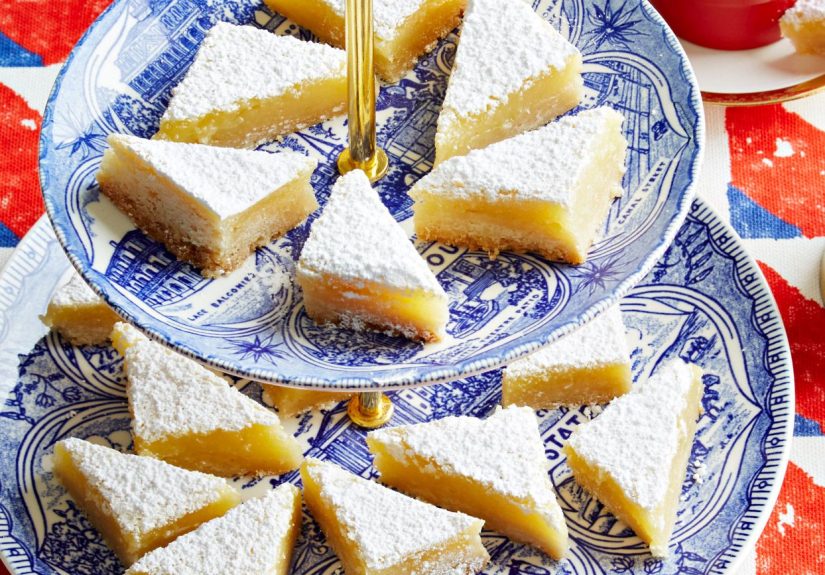
Lemon bars are the dessert equivalent of turning on a lamp in a gloomy room: suddenly everything feels brighter, more optimistic, and suspiciously like you might start humming a happy song. They’re simple on papershortbread crust plus lemon fillingbut the best ones hit a very specific target: buttery and crisp on the bottom, tangy-sweet and silky on top, with clean slices that don’t ooze like a science project.
This in-depth guide gives you a reliable, bakery-style lemon bars recipe, plus the “why” behind each step, troubleshooting for common lemon-bar drama (soggy crust! bubbles! wobbly filling!), storage tips, and a bonus section of real-world lemon bar experiences from the kinds of kitchens where people actually bake (a.k.a. the ones with mismatched measuring spoons).
What Makes Great Lemon Dessert Bars?
The magic is the contrast. The crust is essentially shortbread: flour, sugar, butter, salt. The topping is a lemon custard: eggs, sugar, lemon juice, zest, and a little flour (and/or cornstarch) to help it set into neat, sliceable bars.
Great lemon squares have three non-negotiables:
- A sturdy shortbread crust that’s crisp at the edges and tender in the middle (not greasy, not crumbly-dusty).
- Bright lemon flavor from fresh juice plus zest, not “lemon-ish vibes” from a bottle.
- A custard that setsno puddles, no scrambled egg corners, and no gummy layer where the filling meets the crust.
You’ll also notice this recipe leans on a couple of small pro moveslike pouring the filling over a warm crust and using zest in a way that actually tastes like lemon (not like you waved a lemon near the oven and hoped for the best).
Ingredients for Classic Lemon Bars
This is written for a standard 9×13-inch pan (the “feeds a crowd” size). If you want a smaller batch, you can halve it for an 8×8-inch pan and start checking earlier.
For the shortbread crust
- 2 cups (250g) all-purpose flour
- 2/3 cup (80g) powdered sugar (for tenderness)
- 1/4 cup (30g) cornstarch (optional but helpful for a crisp bite)
- 3/4 teaspoon fine salt
- Zest of 1 lemon (optional, but lovely)
- 1 cup (226g) unsalted butter, cold and cut into cubes
- 1 teaspoon vanilla extract (optional)
For the lemon filling
- 6 large eggs (room temperature is ideal)
- 1 large egg yolk (extra richness and smoother texture)
- 2 1/2 cups (500g) granulated sugar
- 2 tablespoons finely grated lemon zest (about 2–3 lemons)
- 1 cup (240ml) fresh lemon juice (from about 5–6 lemons, depending on size)
- 1/2 cup (60g) all-purpose flour
- 2 tablespoons cornstarch (helps set cleanly without tasting “bready”)
- 1/2 teaspoon fine salt
- 2 tablespoons heavy cream (optional, for a silkier custard)
For topping
- Powdered sugar, for dusting right before serving
Equipment You’ll Want
- 9×13-inch metal baking pan (metal browns more evenly than glass)
- Parchment paper sling (for lifting and clean slicing)
- Food processor (helpful) or a bowl + pastry cutter/fork
- Microplane or fine grater for zest
- Whisk and mixing bowls
- Fine-mesh strainer (optional but great for ultra-smooth filling)
If you’ve ever tried lifting lemon bars out of a pan with a regular spatula, you already know why the parchment sling is a life upgrade.
Step-by-Step Lemon Bars Recipe
1) Prep the pan and heat the oven
- Preheat oven to 350°F.
- Line a 9×13-inch pan with parchment paper, leaving overhang on the long sides (a “sling”). Lightly grease the parchment if you want extra insurance.
2) Make the shortbread crust
Food processor method (fast + consistent): Add flour, powdered sugar, cornstarch, salt, and lemon zest. Pulse to combine. Add cold butter cubes and pulse until the mixture looks like damp sand and holds together when you pinch it. If using vanilla, drizzle it in and pulse a couple more times.
No food processor: Whisk dry ingredients in a bowl. Cut in cold butter using a pastry cutter or fork until crumbly. You want small pieces of butter throughoutthis is what bakes into a tender shortbread texture.
- Press the crust mixture firmly into the pan in an even layer (use a flat-bottomed measuring cup to pack it down).
- Bake for 18–22 minutes, until the edges are lightly golden and the top looks dry set (not shiny-wet).
Why this matters: Underbaked crust is the #1 reason people end up with “lemon bar pudding on a sad cookie.” A lightly golden crust can actually support the filling.
3) While the crust bakes, build flavor into the filling
In a large bowl, combine granulated sugar and lemon zest. Rub them together with your fingertips for about 20 seconds until the sugar feels slightly damp and smells loudly lemony. (Yes, loudly. Lemon should announce itself.)
4) Mix the lemon filling (gently)
- Add eggs and the extra yolk to the lemon sugar. Whisk until combinedsmooth but not foamy.
- Whisk in lemon juice and (optional) heavy cream.
- In a separate small bowl, whisk flour, cornstarch, and salt, then whisk that into the wet mixture just until no dry streaks remain.
- Optional: Strain the filling through a fine-mesh strainer for a super-silky top (especially helpful if you got zest clumps or eggy bits).
Why gentle whisking matters: Over-whisking adds air bubbles. Those bubbles rise and bake into a top that looks like the surface of the moon (which is cool, but not the vibe for lemon squares).
5) Pour, bake, and don’t panic
- When the crust comes out, leave the oven on. Pour the filling over the warm crust.
- Bake for 20–26 minutes at 350°F, until the center is set but still has a slight jigglelike gelatin, not like a latte.
6) Cool completely for clean slices
- Cool the pan at room temperature for about 1 hour.
- Chill in the refrigerator for 2–3 hours (or overnight) before slicing.
- Lift out using the parchment sling. Slice with a long knife wiped clean between cuts.
- Dust with powdered sugar right before serving.
How to Know When Lemon Bars Are Done
- Edges: set and slightly puffed
- Center: set but with a small jiggle (it firms as it cools)
- Top: glossy and smooth, not wet-liquid
If you bake until the center is rock-solid in the oven, you risk overbakingleading to a rubbery texture or cracked top. Think “custard,” not “brownie.”
Troubleshooting: Common Lemon Bar Problems (and Fixes)
Problem: Soggy crust
- Cause: crust underbaked, or filling too wet without enough structure.
- Fix next time: bake crust until lightly golden; add cornstarch; pour filling over warm crust.
- Pro move: if you want maximum insurance, reduce oven time variability by using a metal pan and fully preheating.
Problem: Runny filling
- Cause: underbaked center or too little thickener for your egg/juice ratio.
- Fix next time: bake a few minutes longer; chill longer before slicing; keep measurements accurate.
Problem: Bubbles or foamy top
- Cause: over-whisking the eggs and trapping air.
- Fix next time: whisk gently; strain the filling; tap the pan lightly before baking to pop surface bubbles.
Problem: Bitter lemon flavor
- Cause: zesting into the white pith (the bitter layer), or using old lemons.
- Fix next time: zest only the bright yellow skin; use fresh lemons; balance with a pinch of salt (already included).
Problem: Filling tastes “eggy”
- Cause: too hot/too long baking or too little lemon/zest.
- Fix next time: don’t overbake; use enough zest; consider straining; add the extra yolk for rounder texture.
Flavor Boosters and Variations (Without Ruining the Classics)
Make it extra lemony
The zest-sugar rub is your best friend. It releases lemon oils so the filling tastes like real citrus instead of plain sweet-tart.
Brown butter crust
Brown the butter, cool it until opaque but still spreadable, then use it in the crust. The bars get a nutty, caramel note that plays surprisingly well with tart lemon.
Pink lemonade vibe
Swap 2–3 tablespoons of lemon juice for raspberry puree (strained). You’ll get a gentle berry note and a blush color without turning the bars into candy.
Lime or grapefruit bars
Replace lemon juice and zest with lime for a sharper punch, or grapefruit for a more grown-up citrus bitterness (zest carefully to avoid pith).
“Fancy pantry” lemon bars
Add a small splash of good olive oil to the crust or filling for depth, or sprinkle chopped pistachios on top after dusting with sugar. The lemon stays the star, but now it’s wearing a better outfit.
Make-Ahead, Storage, and Freezing
- Make ahead: Lemon bars are actually better after chilling overnight. The flavor settles and slicing gets cleaner.
- Refrigerator: Store in an airtight container in the fridge for up to 7 days. Layer parchment between slices to prevent sticking.
- Freezer: Freeze (undusted) bars up to 4 months. Wrap well. Thaw in the fridge overnight or at room temp for about 30 minutes, then dust with sugar right before serving.
Powdered sugar tends to melt into the top if you dust too early, especially after refrigeration. Save the snow-drift look for the last minute.
Serving Ideas
- Classic: powdered sugar and a cup of coffee or tea
- Spring party: fresh berries on the side
- Hot weather: serve chilled, straight from the fridge, for maximum refresh
- Potluck strategy: cut smaller squarespeople take “just one” and then… also one more
Bonus: Lemon Bars in Real Life ( of Kitchen Experiences)
Lemon bars have a funny way of showing up at the exact moments people want something cheerful but not fussy. They’re the dessert someone brings to a school event because cupcakes feel too expected, cookies feel too casual, and a layer cake feels like a cry for help when you still have homework or a busy week staring you down. In a lot of homes, lemon bars are also the “first fancy-looking dessert” a new baker triesbecause the steps feel manageable and the payoff looks impressive. You cut neat squares, dust with powdered sugar, and suddenly you’ve got a tray that looks like it belongs in a bakery window.
One common experience: the confidence boost of a crust that behaves. The first time you press shortbread into a pan, it can feel like you’re making a sandcastle indoors. But once it bakes, it transforms into something sturdy and buttery, and that moment is when many bakers realize shortbread is basically a superpower. People also learn quickly that “firmly press the crust” isn’t a polite suggestion. A well-packed crust becomes the foundation for clean slices and keeps the lemon layer from seeping into cracks. It’s the difference between bars you can stack on a plate and bars you have to eat with a fork while pretending that was the plan.
Another real-life lemon bar moment is discovering how much lemon zest matters. Lots of folks start with lemon juice alone and wonder why the bars taste sweet-tart but not truly lemony. Then they try a batch with generous zest and suddenly the kitchen smells like bright citrus, and the flavor tastes “bigger” without being more sour. The zest is where the aromatic oils livethe part your brain reads as “fresh lemon” even before you take a bite. Many bakers also end up adopting the “zest + sugar rub” trick because it’s oddly satisfying and it makes the whole pan taste like you used higher-quality lemons (even if your lemons came from the same grocery store as everyone else’s).
Lemon bars also teach patiencespecifically, cooling patience. Plenty of people have tried to cut them warm (because the smell is persuasive), only to watch the lemon layer slump and smear like it’s trying to escape. The next time, they chill the pan, slice with a wiped-clean knife, and experience the deeply satisfying feeling of making crisp-edged squares that look professionally done. That’s usually when lemon bars become a repeat recipe: they’re reliable, they travel well, and they’re one of the few desserts that can feel both nostalgic and “special occasion” at the same time.
And finally: lemon bars are social. They’re the kind of treat people ask for again. At gatherings, you’ll see folks do a slow lap around the dessert table, take one lemon square “to balance out the chocolate,” then come back for another because the tartness feels refreshing. They’re also the dessert that makes people say, “Wait, you made these?” which is the unofficial baker’s badge of honor. The best part is you don’t need fancy tools to earn itjust good lemons, a solid crust, and the self-control to let the pan chill before you slice.
Conclusion
Lemon bars are proof that a simple recipe can still feel like a tiny celebration. Nail the shortbread crust, treat the filling like the custard it is, chill before slicing, and you’ll get bright, buttery lemon squares that look sharp and taste even better. Keep this as your “anytime sunshine” dessertbecause honestly, we could all use a little more of that.