Table of Contents >> Show >> Hide
- What Is a Large Brown Betty Teapot?
- The History Behind the Brown Betty
- Why Choose the Large Size?
- What Makes a Brown Betty Different From Other Teapots?
- How to Choose the Best Large Brown Betty Teapot
- How to Brew Tea in a Large Brown Betty Teapot
- Caring for Your Brown Betty
- Who Should Buy a Large Brown Betty Teapot?
- Final Thoughts on the Large Brown Betty Teapot
- Experiences With a Large Brown Betty Teapot
- SEO Metadata
Ready-to-publish body HTML. SEO metadata is included in JSON format at the end.
If you have ever looked at a large Brown Betty teapot and thought, “Well, that’s a charming little time traveler,” you are not wrong. The Brown Betty has been around for centuries, and yet it still manages to look right at home on a modern kitchen shelf. It is simple, round, unfussy, and somehow gives off the energy of a teapot that has seen things. Good things. Mostly involving strong tea and better conversation.
A large Brown Betty teapot is more than a decorative piece for tea lovers who enjoy British-style charm. It is a practical brewing vessel known for its rounded body, heat-holding clay, and classic brown glaze. While smaller teapots are great for solo sipping, the larger version is built for people who mean business. Or at least people who mean refills. It is ideal for family breakfasts, afternoon tea with friends, weekend brunch spreads, and those long workdays when one mug is simply adorable but wildly insufficient.
This guide explains what makes a large Brown Betty teapot special, how it compares with other teapots, what size to choose, how to brew with it, and what to look for if you want the real thing rather than a random brown pot pretending to be royalty. We will also talk about care, cleaning, and the little details that separate a good tea ritual from a tragic over-steeped disaster.
What Is a Large Brown Betty Teapot?
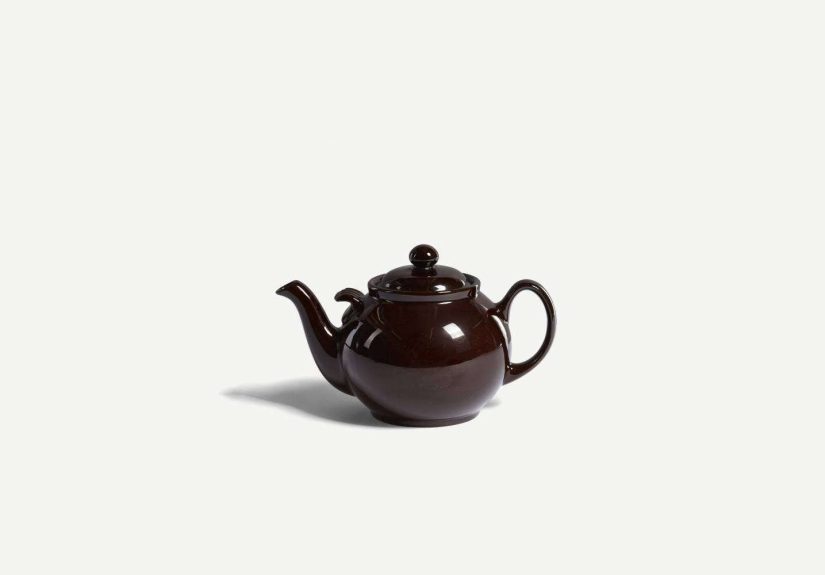
A Brown Betty teapot is a traditional English teapot style associated with red clay, a rounded body, and a glossy brown finish often described as Rockingham glaze. The design became famous because it was practical rather than flashy. Tea leaves have room to move, hot water circulates well, and the pot keeps heat better than many flimsy alternatives. In other words, it is not trying to be trendy. It is trying to make a solid pot of tea, and that mission has aged beautifully.
When people search for a large Brown Betty teapot, they are usually looking for a pot that can serve several cups at once. In today’s market, that often means a 6-cup or 8-cup size, though cup measurements can be a little sneaky. Some brands count smaller teacup servings instead of giant American coffee-mug servings. A so-called large teapot may hold around 32 to 48 ounces, which is generous enough for a small group but may still disappoint anyone who drinks tea out of a mug the size of a soup bowl.
The main appeal of the larger size is simple: you get the same classic Brown Betty performance, but with more room for tea leaves, more heat retention, and fewer trips back to the kettle. That last point alone deserves a standing ovation.
The History Behind the Brown Betty
The Brown Betty is not some recent “heritage-inspired” product cooked up by a branding team after one too many mood boards. It has a genuine history rooted in English pottery traditions. The style is linked to Staffordshire, England, where red clay became central to the teapot’s identity. Over time, the Brown Betty evolved into the rounder shape we recognize today, and it gained a reputation for making excellent tea.
Part of that reputation comes from the pot’s shape. The broad, rounded belly allows tea leaves to swirl more freely as water is poured in. That movement helps extract flavor without making the brew harsh too quickly. It is one of those cases where humble design beats overengineered nonsense. The Brown Betty is not full of gimmicks, compartments, or “smart” features. It is just well designed.
Its brown glaze also became iconic. It gives the pot warmth, visual depth, and a distinctly traditional look. Better yet, the darker finish tends to be forgiving. A Brown Betty can age with grace instead of screaming at you every time a tiny tea stain appears. That is not just practical. That is emotional support pottery.
Why Choose the Large Size?
It is made for sharing
A large Brown Betty teapot is perfect when tea is part of a social ritual. If you host brunch, book club, holiday mornings, or casual afternoon catch-ups, the larger pot makes everything smoother. You brew once, pour several cups, and spend more time talking instead of hovering over the stove like a worried Victorian butler.
It helps maintain temperature
A bigger earthenware pot tends to hold heat well, especially when you pre-warm it before brewing. That means your second cup still tastes like tea, not lukewarm regret. Pair it with a tea cozy and you can stretch that comfort even farther.
It works well with loose-leaf tea
Larger pots give tea leaves more space to expand. That matters if you enjoy full-leaf black teas, flavored blends, or herbal infusions that need room to open up. Loose leaves trapped in tiny infusers often brew like they are being punished. A roomy pot gives them a better chance to do their job.
It looks substantial on the table
Yes, performance matters. But so does presentation. A large Brown Betty teapot has visual presence. It anchors a tea tray, looks cozy in a farmhouse kitchen, and brings an old-school, collected feel to the table. It is the sort of piece that makes people assume you know what you are doing, even if five minutes earlier you were Googling the difference between steeping and brewing.
What Makes a Brown Betty Different From Other Teapots?
Not all ceramic teapots are created equal, and not every brown teapot deserves the Brown Betty name. The real appeal of this style comes from the combination of material, shape, and tradition.
First, there is the clay. Brown Betty teapots are typically associated with red earthenware clay, which has long been praised for retaining heat well. That gives the pot a practical advantage for black tea and other blends that benefit from consistent warmth. Compared with thin glass teapots, it feels sturdier and less delicate. Compared with cast iron, it is usually lighter and less dramatic. Compared with generic ceramic, it often has more character.
Second, there is the shape. The classic rounded body is not just cute. It encourages the leaves to move freely, which can help create a richer, fuller infusion. A large Brown Betty especially shines here because more capacity means even more room for the tea to circulate.
Third, there is the personality factor. A Brown Betty does not feel sterile or overly polished. It feels lived-in, familiar, and dependable. Some teapots look like museum pieces you are afraid to touch. A Brown Betty looks like it wants to be used on a rainy Tuesday. That is a compliment.
How to Choose the Best Large Brown Betty Teapot
Check the true capacity
Always look at ounces as well as cup count. A large model may be sold as 6-cup or 8-cup, but actual capacity can vary. If you want a pot for four adults using standard mugs, aim for the higher end of the range. If your household prefers smaller teacups, a 6-cup pot may be plenty.
Look for authentic markings
If authenticity matters to you, inspect the product description and base markings. Genuine Brown Betty teapots are often identified as being made in England and tied to traditional makers or recognized importers. A generic brown ceramic teapot may still work fine, but it is not automatically the same thing. The phrase “Brown Betty style” is doing a lot of work in some listings, so read carefully.
Pay attention to the finish
Some buyers love the classic glossy Rockingham-style brown. Others prefer variations that reveal more of the clay’s warmth. If you want the traditional look, go for the deep brown glaze. If you care more about rustic charm, you may enjoy subtle handmade variation. Small imperfections can be part of the appeal rather than a defect.
Think about your strainer setup
Some teapots include a built-in filter or mesh insert. Others are designed for brewing loose leaves directly in the pot and pouring through a separate strainer. Neither method is wrong. It depends on how traditional you want to be and how much patience you have before caffeine enters the chat.
How to Brew Tea in a Large Brown Betty Teapot
Using a Brown Betty is refreshingly straightforward, which is one reason people stay loyal to it. Start by warming the teapot with hot water, then pour that water out. This step helps the pot hold temperature more effectively during brewing.
Next, add your tea. A simple rule of thumb is about 1 teaspoon of loose-leaf tea for every 6 to 8 ounces of water, though the exact amount depends on the style of tea and your preferred strength. Black tea usually likes hotter water and a 3- to 5-minute steep. Green tea prefers cooler water and a shorter steep to avoid bitterness. Herbal teas can handle more time and heat.
Pour the water over the leaves, cover the pot, and let the tea steep. Then decant or pour promptly so the brew does not continue extracting into something that tastes like bad decisions. If you are serving several people, a tea cozy can help maintain warmth between pours.
The large Brown Betty is especially good for breakfast teas, Assam, English Breakfast, Irish Breakfast, Earl Grey, and many herbal blends. It handles robust tea beautifully. Delicate teas can also work, but you will need to pay more attention to temperature and steep time.
Caring for Your Brown Betty
The good news is that Brown Betty care is not fussy. The better news is that it rewards basic common sense instead of elaborate rituals involving twelve specialty brushes and a spoken oath.
In most cases, warm water and gentle hand washing are enough. Many tea drinkers simply rinse the pot well after use and let it dry completely. If buildup appears, mild dish soap and a soft cloth can help. For stubborn stains, some tea experts recommend mild vinegar solutions or similar gentle cleaning methods. The key is to avoid aggressive scrubbing that could damage the finish.
Do not put a traditional Brown Betty directly on the stovetop, and do not assume it is microwave safe unless the maker explicitly says so. This is a teapot, not a dare. Boil water separately in a kettle, then use the pot only for brewing and serving.
When storing it, make sure the teapot is fully dry. Leaving moisture trapped inside is a terrible hobby. Some people store the lid slightly ajar to encourage airflow, which is a smart move if the pot will sit unused for a while.
Who Should Buy a Large Brown Betty Teapot?
A large Brown Betty teapot is a great choice for anyone who drinks tea regularly and wants a blend of beauty, tradition, and usefulness. It makes sense for households with multiple tea drinkers, people who entertain often, and anyone who prefers loose-leaf tea over tea bags. It is also a thoughtful gift for Anglophiles, collectors of classic kitchenware, and the sort of person who says “Let’s put the kettle on” with sincere emotional commitment.
It may be less ideal if you only brew a single quick mug in the morning or prefer highly temperature-sensitive teas that benefit from glass or thinner porcelain. But for black tea lovers especially, the large Brown Betty remains one of the most appealing traditional choices around.
Final Thoughts on the Large Brown Betty Teapot
The large Brown Betty teapot has lasted this long for a reason. It is handsome without being flashy, historic without being precious, and practical without being boring. In a world full of trendy kitchen gadgets that promise revolution and then end up haunting a donation bin, the Brown Betty feels wonderfully stable. It knows exactly what it is: a reliable teapot designed to brew a satisfying pot of tea.
If you want a teapot that looks charming on the shelf but also earns its keep on the table, this is an easy favorite. A large Brown Betty gives you enough capacity for sharing, enough heat retention for comfort, and enough character to make tea feel like an occasion rather than just a beverage pit stop. It is not trying to be the future. It is too busy being excellent.
Experiences With a Large Brown Betty Teapot
Living with a large Brown Betty teapot feels a little different from owning a teapot that is merely functional. It has presence. You notice it when you reach for it in the morning, and not just because it is larger than average and occupies shelf space with the confidence of a beloved family dog. It changes the pace of tea-making in a good way. You stop thinking in terms of one rushed cup and start thinking in terms of a proper pot.
One of the best experiences people describe with a large Brown Betty is how naturally it fits into slow mornings. You warm the pot, spoon in the tea, pour the water, and suddenly the day feels less chaotic. Even before the first sip, the routine does some emotional heavy lifting. It is oddly grounding. A stainless travel tumbler says, “We are late.” A Brown Betty says, “Sit down. Your email can wait three minutes.” Honestly, more kitchenware should have that energy.
It also shines when guests are around. A large pot changes the mood at the table because it invites lingering. People pour one cup, then another, then suddenly someone is telling a story that should have taken two minutes but now includes side characters, weather conditions, and a strong opinion about scones. The teapot becomes part of the furniture of hospitality. You are not just serving tea. You are making it easier for people to stay a little longer.
There is also something satisfying about the way a Brown Betty ages. The lid becomes familiar in your hand. The handle feels right. The pot develops tiny signs of use that make it feel personal rather than worn out. Unlike gadgets that look worse the second they are unboxed, a well-used Brown Betty often becomes more charming over time. It starts to feel less like an object and more like a reliable ritual partner.
Of course, the large size has its own personality. It is fantastic when you want multiple servings, but it also gently encourages generosity. You brew more, so you tend to share more. It is the kind of pot that makes you ask if anyone else wants tea before you even realize you are doing it. That simple habit can change the rhythm of a home. Tea becomes less solitary and more communal.
Another common experience is learning how much better some teas feel in a roomy pot. Strong breakfast teas, malty black teas, and comforting herbal blends often taste fuller and more rounded when they have space to move. The ritual becomes less about caffeine delivery and more about flavor, warmth, and atmosphere. You start noticing details: the aroma when the lid lifts, the sound of tea being poured, the way steam curls over the spout on a cold day. It is all very cozy, in the best possible way.
In the end, a large Brown Betty teapot is memorable not because it is flashy, but because it quietly improves ordinary moments. It turns tea into a pause, a gesture, and sometimes a tiny ceremony. That may sound dramatic for a pot, but good kitchen objects earn a little drama. Especially when they keep the tea coming.