Table of Contents >> Show >> Hide
- Why the Aisle Seat Turns Grown Adults Into Cartoon Villains
- Assigned Seats Aren’t a VibeThey’re a System
- Seat Squatting vs. Seat Swapping: Same Stage, Different Play
- What To Do When Someone Is in Your Seat (Even If They’re ‘Asleep’)
- 1) Confirm you’re in the right row and letter
- 2) Start with a calm, normal voice
- 3) Show your boarding pass (briefly)
- 4) If they pretend to be asleep, don’t touch them
- 5) Use the flight attendant shortcut
- 6) Keep your tone neutral while the crew handles it
- 7) Don’t accept a worse seat unless you truly want to
- Polite Scripts for Saying “No” Without Starting a Feud
- If You’re the One Asking for a Swap, Here’s How to Not Be That Person
- When Seat Switching Is Reasonable (and Crew Might Actually Help)
- Families, Kids, and the Myth That Strangers Must Fix Your Seating Plan
- Can a Seat Fight Get You Kicked Off the Plane?
- Real-World Experiences and Lessons from the Aisle Seat Wars
- Conclusion
- SEO Tags
There are two kinds of people on an airplane: the ones who quietly follow their boarding pass like it’s sacred parchment, and the ones who treat seat
assignments like a friendly suggestionsomething the airline printed for “vibes,” not rules.
And then there’s this third, rarer species: the Aisle Seat Opportunist. You know the type. They want your aisle seat so badly they’ll try a bold
strategy: sliding into it early, closing their eyes, and auditioning for the role of “Defenseless Sleepy Angel Who Definitely Belongs Here.”
If you’ve ever walked down the aisle, found someone parked in your seat, and realized they’re pretending to be asleep like a toddler who
“can’t hear you” because they put a blanket over their headwelcome. This article breaks down what’s actually going on, what airlines and regulators expect,
what your rights realistically are, and how to handle it without getting pulled into a mid-boarding soap opera titled “Seat 12C: The Reckoning.”
Why the Aisle Seat Turns Grown Adults Into Cartoon Villains
The aisle seat is the Swiss Army knife of economy travel: bathroom access without performing Olympic-level contortions, the ability to stand up and stretch
without negotiating with strangers, and a little more breathing room for anyone who’s claustrophobic or just not in the mood for shoulder-to-shoulder
bonding.
Add modern airline pricing, and the aisle seat becomes even more… coveted. Many travelers now pay extra to choose seats in advanceespecially aisle seats,
extra-legroom rows, or “preferred” seats closer to the front. When someone grabs your aisle seat, it doesn’t feel like a harmless mix-up. It feels like
someone casually walking away with something you planned for (and possibly paid for).
That’s why seat drama has exploded in the era of basic economy, seat-selection fees, and “You can sit together… emotionally” fare types.
When people don’t pre-select seats (or can’t), they sometimes try to fix the problem at the last possible moment: right when you show up with your boarding
pass and your last thread of patience.
Assigned Seats Aren’t a VibeThey’re a System
On most U.S. carriers, your boarding pass shows your current assigned seat. That assignment can change for operational reasons (aircraft
swaps, weight-and-balance, accommodating disabilities, crew needs, family seating efforts, or other logistics). But here’s the key point: the airline (via
gate agents and cabin crew) runs that systemnot random passengers doing live negotiations over your kneecap space.
In plain terms: other passengers don’t get to “reassign” themselves to your seat just because they prefer it. Even if they do it quietly. Even if they do
it with their eyes closed. Even if they do it while sighing like they’re the victim in a Victorian novel.
Airlines also rely on accurate seat information for practical reasons: service flow (meals, special requests), safety processes, and knowing who is seated
where. That’s why flight attendants generally want seat changes to be visible, orderly, and approvedespecially during boarding when everything is already
moving at the speed of mild chaos.
Seat Squatting vs. Seat Swapping: Same Stage, Different Play
Seat squatting
This is when someone sits in a seat that’s not assigned to themoften hoping you’ll accept a downgrade (“Oops! I’m in 12C… but you can take my 19B middle
seat by the lavatory!”). The “fake sleeping” move is the deluxe edition of seat squatting: it tries to eliminate the conversation entirely.
Seat swapping
This is a request: “Would you be willing to switch?” It can be totally reasonable when done politely and fairly. But it stops being a request the moment it
becomes pressure, guilt, or a stealthy takeover.
The distinction matters because you’ll handle them differently. A fair swap can be a friendly conversation. Seat squatting is a boundary issueand the
cleanest solutions usually involve crew support.
What To Do When Someone Is in Your Seat (Even If They’re ‘Asleep’)
The goal is simple: get to your seat with minimal drama and zero escalation. Here’s a practical, airline-friendly playbook.
1) Confirm you’re in the right row and letter
It sounds obvious, but boarding makes everyone temporarily illiterate. Double-check row number and seat letter. If you’re wrong, you want to discover that
privatelybefore you become the main character.
2) Start with a calm, normal voice
Try something like: “Hisorry, I think you’re in my seat. I’m 12C.” Keep it boring. Boring is powerful.
3) Show your boarding pass (briefly)
Don’t shove it like you’re serving legal papers. Just show the seat number so they can correct course without turning it into a pride contest.
4) If they pretend to be asleep, don’t touch them
No tapping shoulders, no shaking, no “gentle escalating nudges.” Aside from being invasive, it risks turning a dumb situation into a safety issue.
Instead, step into the aisle (or slightly back to let others pass) and move to the next step.
5) Use the flight attendant shortcut
Make eye contact with a flight attendant and say, “Hithis passenger is in my assigned seat. Can you help us sort it out?” That’s it. No speech. No
monologue. Let the crew do the job that is literally theirs.
6) Keep your tone neutral while the crew handles it
Even if the other person is auditioning for “Sleeping Beauty: Cabin Edition,” you stay calm. Flight attendants have authority onboard, and your best
outcome usually comes from looking like the reasonable adult who simply wants to sit where the boarding pass says.
7) Don’t accept a worse seat unless you truly want to
You’re allowed to say, “No thanksI’d like my assigned seat.” You don’t owe a speech, and you don’t need to “justify” why you want the aisle seat you
picked (or paid for).
Polite Scripts for Saying “No” Without Starting a Feud
Sometimes people ask nicely. Sometimes they ask like a raccoon trying to bargain for your snacks. Either way, simple phrases work best:
- Simple no: “No thanksI’m going to keep this seat.”
- Practical no: “I chose this seat for a reason, so I’m going to stay here.”
- Redirect to crew: “I can’t switch, but the flight attendant might be able to help.”
- Broken-record method: “No thanks.” (Repeat as needed. Like a calming mantra.)
Notice what’s missing? A long explanation. The longer you explain, the more you accidentally open a debate. You’re not hosting a podcast. You’re trying to
sit down.
If You’re the One Asking for a Swap, Here’s How to Not Be That Person
Asking isn’t automatically rude. The method is what separates a normal human request from a story that ends up on the internet with dramatic
background music.
Offer equal or betternever worse
The golden rule of seat swaps: don’t ask someone to downgrade. If you want an aisle seat, offer an aisle seat (or something better). If you want someone’s
extra-legroom seat, be prepared to offer extra legroom or a meaningful upgrade. Otherwise it’s not a “swap,” it’s a “donation.”
Ask early (ideally before the person is trapped)
The worst time to negotiate is when someone has already stowed their bag, settled in, and mentally entered “airplane mode.” If you must ask, do it during
boarding and keep it quick. Better yet, handle it with a gate agent before you ever step onto the plane.
Accept “no” the first time
A polite request becomes rude the moment you push. Guilt trips, sighs, eye-rolling, and “But it’s just a seat” speeches are how you end up being the
villain in someone else’s travel story.
Never take the seat first
Sitting in someone’s seat to “start the conversation from a position of strength” is not a negotiation tactic. It’s seat squatting. And it forces the crew
to stop boarding to untangle your personal chess match.
When Seat Switching Is Reasonable (and Crew Might Actually Help)
Flight attendants aren’t anti-swap. They’re anti-chaos. There are legit reasons they may approve moving seatsespecially if it improves safety, resolves a
real comfort issue, or fixes something broken.
Common reasonable reasons
- Mobility needs or a seat location that makes access difficult.
- Medical or anxiety issues where a different seat reduces distress.
- Broken seat features (belt, recline, monitor, tray table).
- Service animal logistics or other seating accommodations.
- Family seating needs involving young childrenhandled best through staff, not passenger pressure.
What generally doesn’t work? “I just like aisle seats more,” followed by strategic napping in someone else’s spot. That’s not a need; that’s a preference
wrapped in theatre.
Families, Kids, and the Myth That Strangers Must Fix Your Seating Plan
Let’s say it plainly: traveling with kids can be hard, and sitting next to your child matters. But it’s still not the responsibility of a stranger in 12C
to solve a seating problem created by late booking, restrictive fares, or the seat map running out of adjacent seats.
In the U.S., regulators have pushed airlines to do better on this. The Department of Transportation has highlighted which airlines commit to seating a young
child next to an accompanying adult without extra fees, and it has proposed rules aimed at making family seating more reliable. That directionmore clarity,
fewer junk-fee surprisesreduces pressure on passengers to do awkward trades mid-boarding.
The most effective family-seating strategy is boring (and therefore excellent): book early, choose seats as soon as you can, avoid the most restrictive
fares when possible, and talk to the airline before you’re standing in the aisle trying to bargain with a stranger who just wants to watch a movie
and eat pretzels in peace.
Can a Seat Fight Get You Kicked Off the Plane?
Yesespecially if it escalates into refusing crew instructions, yelling, or creating a disruption during boarding. U.S. aviation rules and enforcement
policies emphasize that passengers must comply with flight crew instructions, and interference with crew duties can carry serious consequences.
Most seat disputes never get anywhere near that level. Usually it’s a misunderstanding, a seat map glitch, or one person testing boundaries. Still, the
safest move is to keep your own behavior calm and cooperative. Let the crew be the authority. Your job is to be the person who looks like they belong on
this flight.
Real-World Experiences and Lessons from the Aisle Seat Wars
To make this less abstract, let’s talk about the kinds of “seat moments” travelers repeatedly describeand what each one teaches you. Consider this a
survival guide written in the language of real life: awkward, slightly funny, and best handled with a plan.
Experience #1: The Fake Nap Seat Squatter
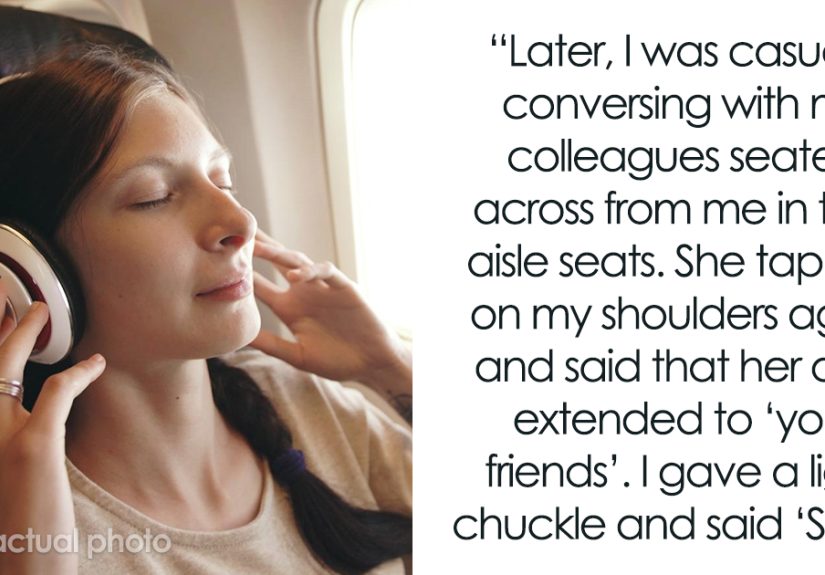
You arrive at your row and find someone already sitting in your aisle seat, eyes closed, headphones on, giving you the energy of “I have always lived
here.” You politely say, “Hi, I’m 12C,” and they don’t respond. Maybe they “sleep” harder. Maybe they adjust their neck pillow like it’s a shield.
Lesson: don’t escalate physically or emotionally. This is the moment to involve the flight attendant. Crew intervention removes the
personal tug-of-war and replaces it with a clear authority: “Ma’am, you need to sit in your assigned seat.” Fake sleeping tends to disappear the instant
the request comes from someone in uniform.
Experience #2: The ‘Trade Me Your Premium Seat’ Proposal
Another common story: someone asks you to switch from a more expensive or more desirable seat to a worse onesometimes with a straight face, sometimes with
a guilt trip, sometimes with the confidence of a person ordering for the table when it’s not their birthday.
Lesson: you can say no without negotiating. If the request involves a downgrade (class, legroom, location), it’s reasonable to refuse.
When people push, redirect to crew: “I’m not able to switchplease ask the flight attendant if there are options.” A fair swap is a conversation; an unfair
swap is a boundary.
Experience #3: The ‘I Swear This Is My Seat’ Mix-Up
Sometimes it’s genuinely accidental. The other person shows you their boarding pass and it’s the same seat numberjust a different flight segment, a
different date, or the same row but a different letter. Travel days scramble brains.
Lesson: assume confusion first, malice second. A calm “Let’s double-check our seat letters” solves many disputes in ten seconds. And if it
doesn’t, the crew can verify assignments quickly.
Experience #4: The Family Tetris Attempt
A parent boards, realizes seats aren’t together, and starts asking nearby passengers to reshufflesometimes politely, sometimes with visible panic. The
problem is real: nobody wants a young child separated from their adult. The method is where things go sideways: pressuring strangers once boarding is
underway, or targeting the “best” seat in the row to minimize their own inconvenience.
Lesson: family seating is best solved by staff (gate agents and flight attendants), not by social pressure on passengers. If you’re asked,
you can choose to helpbut you’re not obligated to fix it, especially if it costs you comfort, access, or money. If you’re the parent, the best move is to
involve the airline early and let the crew coordinate swaps that are fair and safe.
Experience #5: The Gate Agent Miracle
The happiest seat swap stories usually happen before anyone boards. A traveler explains the situation at the gate“My partner and I are split” or
“I need an aisle for mobility reasons”and the agent reassigns seats cleanly, without asking a captive audience of passengers to volunteer their comfort.
Lesson: the earlier you handle seating, the more options exist. Once boarding starts, options shrink, emotions rise, and the aisle becomes
a traffic jam. If you learn anything from seat drama online, let it be this: gate agents are the real-life “undo” buttonuse them.
Put all these experiences together, and a pattern emerges: the best outcomes come from calm communication, fair offers, and letting airline staff do their
job. The worst outcomes come from entitlement, stealth tactics (like fake sleeping), and turning a seating issue into a public showdown. Your aisle seat is
not worth becoming the reason everyone misses their connection.
Conclusion
Airplane seating can bring out the best in people (“Sure, take my seat so you can sit with your kid”) and the weirdest (“If I pretend to sleep, the seat
becomes legally mine”). The good news is you don’t need to be loud, aggressive, or endlessly polite to handle it. You just need a plan.
If someone is in your assigned aisle seat, start calm, show your boarding pass, and involve the flight attendant quicklyespecially if the other person
won’t respond. If someone asks you to swap, you’re allowed to say no without guilt. And if you’re the one who needs a different seat, handle it early and
offer an equal or better exchange. Basically: treat seat swaps like adult communication, not a hostage negotiation conducted with a neck pillow.