Table of Contents >> Show >> Hide
- What Is Kundalini Yoga?
- Why So Many Beginners Are Curious About Kundalini Yoga
- Benefits of Kundalini Yoga
- Kundalini Yoga Poses for Beginners
- Steps for Beginners: How to Start Kundalini Yoga Safely
- Step 1: Check in With Your Body (and Doctor if Needed)
- Step 2: Choose a Beginner-Friendly Class
- Step 3: Bring the Right Setup
- Step 4: Start With Breath Before Poses
- Step 5: Learn a Short Beginner Sequence
- Step 6: Add Meditation in Tiny Doses
- Step 7: Practice 3 Times a Week
- Step 8: Watch for Red Flags
- Beginner Mistakes to Avoid
- Who Should Be Extra Cautious?
- What Beginners Commonly Experience in the First 30 Days (Experience Notes)
- Final Thoughts
Kundalini yoga is the yoga style that feels like it showed up wearing white, carrying a playlist, and asking your nervous system how it’s doing. It blends movement, breathwork, meditation, mantra, and focused attention into one practice. In other words, it is not just “stretch and go home.” It is more like a full-body, full-mind tune-up with a spiritual flavor and a beginner-friendly on-ramp when taught well.
If you are new to yoga, Kundalini can look mysterious at first. There may be chanting. There may be hand positions (mudras). There may be a teacher asking you to breathe in a way that makes you wonder whether your lungs just signed up for a gym membership. But beneath the unfamiliar parts, the beginner experience is often simple: sit, breathe, move gently, rest, and notice how you feel.
This guide breaks down the basics in plain English: what Kundalini yoga is, what benefits are realistic (and what to be cautious about), which poses are beginner-friendly, and a step-by-step starter plan you can actually follow. No pretzel poses required.
What Is Kundalini Yoga?
Kundalini yoga is a style of yoga that combines physical postures (asanas), breath practices (pranayama), meditation, mantra chanting, and mudras (hand gestures). In many classes, these elements are organized into a kriya, which is a specific sequence designed for a particular purpose, such as energizing the body, calming the mind, or improving focus.
Compared with a typical gym-style yoga class, Kundalini often places more emphasis on:
- Breath awareness (how you breathe matters as much as what pose you do)
- Repetition (some movements repeat rhythmically)
- Meditation and sound (silent or spoken mantra, humming, or chanting)
- Nervous system regulation (many practices are aimed at calming or balancing your stress response)
A classic beginner class usually follows a pattern: tune in (short opening), warm up the spine, move through a short kriya, rest, meditate, and close. That structure is one reason many beginners like itonce you understand the format, it starts to feel predictable in a good way.
Why So Many Beginners Are Curious About Kundalini Yoga
Because it does not only target muscles. A lot of people come to Kundalini yoga because they feel “wired and tired.” They are not just stiff; they are mentally overloaded. Kundalini classes often address that by combining slow or rhythmic movement with breathing and mindfulness. It can feel less like “exercise punishment” and more like “reset mode.”
It is also flexible for beginners. Many teachers offer modifications, chair support, or shorter holds. You do not need to be super flexible, super spiritual, or super coordinated. You only need a willingness to try a few unfamiliar things and laugh a little when your brain says, “Wait, we’re humming now?”
Benefits of Kundalini Yoga
Let’s keep this evidence-based and realistic: Kundalini yoga is not magic, and it is not a replacement for medical care. But it can be a useful practice for many people, especially when taught by a qualified instructor and practiced consistently.
1) Stress Relief and Better Nervous System Regulation
One of the most common reasons people try Kundalini yoga is stress. That makes sense because the practice heavily emphasizes breath control, exhalation, and mindful attention. These are all tools that can support a calmer “rest-and-digest” state.
For beginners, this benefit often shows up first as small changes:
- You feel less “buzzing” after practice
- Your shoulders stop living in your ears
- Your mind is still busy, but less chaotic
- You recover from stress faster during the day
Important note: if you have a history of trauma, panic attacks, or mental health conditions, go slowly and work with a trained teacher (and your clinician if needed). Some breathwork and meditation techniques can feel intense, especially at first.
2) Anxiety Support (With a Big Asterisk)
Research on yoga and anxiety is promising, and Kundalini has been studied in anxiety settings. In one well-known trial on generalized anxiety disorder (GAD), Kundalini yoga helped reduce anxiety compared with a stress-education control. However, it was not found to be as effective as cognitive behavioral therapy (CBT), which remains the first-line treatment. That is a super important takeaway for beginners: yoga can be helpful, but it is not a substitute for evidence-based mental health treatment when you need it.
Think of Kundalini yoga as a possible supportive tool in your wellness routine, not a cure-all.
3) Flexibility, Posture, and Body Awareness
Even gentle yoga can improve flexibility, mobility, and the way your body feels in daily life. Kundalini classes often include spinal warmups, seated movements, and light backbends that help you move better without needing advanced poses.
For beginners, the early wins are often practical:
- Less stiffness after sitting all day
- Better posture awareness at your desk
- Easier breathing when your chest and shoulders are less tight
- Improved balance and coordination over time
4) Sleep and Mood Support
Yoga in general is often linked with better sleep quality and mood support, and Kundalini’s breathing plus meditation focus may be especially helpful if your mind gets noisy at bedtime. Many beginners report they fall asleep faster on days they practice, particularly if they do a short evening routine with gentle movement and quiet breathing instead of doom-scrolling.
Will one class solve your sleep schedule? Probably not. But a consistent practice can help create a better wind-down ritual.
5) Brain Health and Focus
Some studies involving older adults and memory concerns have explored Kundalini yoga and found encouraging results related to mood, resilience, and certain cognitive measures. There is also emerging research connecting yoga-based practices with brain regions involved in stress and memory. For beginners, the most noticeable “brain” benefit is usually simpler: improved focus and less mental static after practice.
This is also why short Kundalini routines can work well before studying, writing, or any task that requires attention. A few minutes of breathing and spinal movement can feel like clearing browser tabs in your brain.
6) Chronic Pain and General Wellness Support
Yoga is frequently used as a complementary practice for chronic pain, stress-related tension, and general wellness. Kundalini may be especially appealing because many classes can be adapted for different ages and mobility levels. If pain is part of your story, start with a gentle or therapeutic-focused class and tell the instructor before class begins.
Bottom line: the benefits are real for many people, but they are usually the result of regular, moderate practice, not one dramatic class.
Kundalini Yoga Poses for Beginners
You do not need 40 poses to start. A small set of simple movements is enough. Below are beginner-friendly poses and movements often used in Kundalini-inspired practice or beginner yoga sequences that support the same goals (breath, spinal mobility, focus, and relaxation).
1) Easy Pose (Sukhasana)
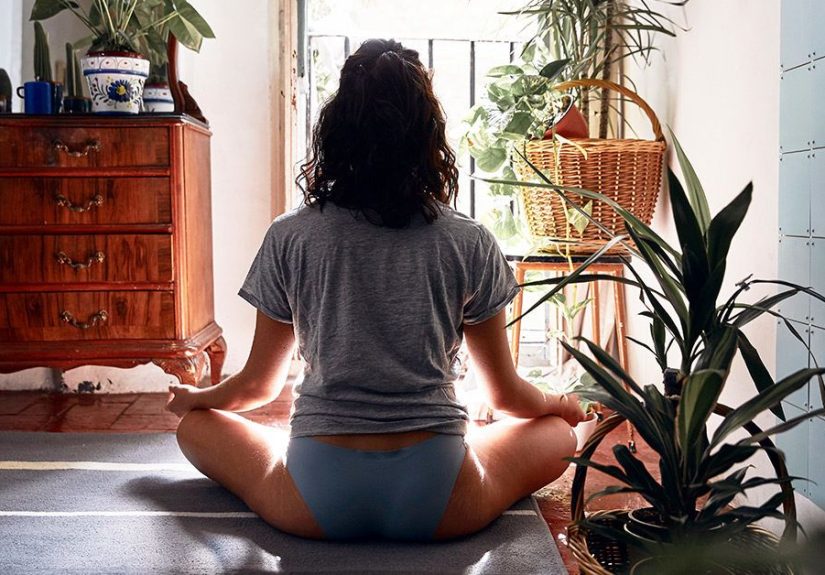
How to do it: Sit cross-legged on a folded blanket or cushion so your hips are slightly higher than your knees. Rest your hands on your knees. Lengthen your spine and soften your shoulders.
Why beginners like it: This is a common starting position for breathing, mantra, and meditation. It teaches posture without forcing flexibility.
2) Seated Spinal Flex
How to do it: Sit comfortably. Hold your shins or rest your hands on your knees. Inhale as you gently lift the chest forward. Exhale as you round the spine back. Move slowly with your breath.
Why beginners like it: It warms up the spine and helps you feel how breath drives movementa core Kundalini skill.
3) Cat-Cow Pose
How to do it: Come to hands and knees. Inhale, drop the belly slightly and lift the chest (Cow). Exhale, round the spine and draw the navel in (Cat). Repeat slowly.
Why beginners like it: It is one of the best ways to improve spinal mobility and reduce desk-body stiffness.
4) Cobra Pose (Bhujangasana)
How to do it: Lie on your belly, hands under shoulders, elbows close to your ribs. Press lightly into your hands and lift your chest. Keep the neck long and shoulders down.
Why beginners like it: Cobra opens the chest, strengthens the back, and counters hunching over phones and laptops.
5) Archer Pose
How to do it: Step one foot forward into a lunge-like stance. Extend the front arm forward and draw the back arm as if pulling a bowstring. Gaze over the front hand. Switch sides.
Why beginners like it: It builds stability, leg strength, and focus. It also feels powerful in a “main character” kind of way.
6) Lotus Pose (or a Supported Cross-Legged Variation)
How to do it: Full lotus is advanced for many people. Beginners should use a comfortable cross-legged seat instead, with cushions under the hips and knees as needed.
Why beginners like it: It supports meditation and breath practice without straining. Comfort is the goal, not looking fancy.
7) Legs-Up-the-Wall
How to do it: Sit beside a wall, roll onto your back, and bring your legs up the wall. Arms relax by your sides. Stay 3-10 minutes.
Why beginners like it: Great for winding down, easing mental overload, and ending a practice calmly.
8) Savasana (Corpse Pose)
How to do it: Lie on your back with arms and legs relaxed. Let your breathing settle naturally. Use a blanket under the knees if your low back is uncomfortable.
Why beginners like it: This is where your body absorbs the practice. Also, yes, it can feel like a nap. That is not a bug.
Steps for Beginners: How to Start Kundalini Yoga Safely
If you are brand new, start simple. Here is a realistic beginner roadmap.
Step 1: Check in With Your Body (and Doctor if Needed)
If you are pregnant, recovering from surgery, dealing with chronic pain, dizziness, high blood pressure, or a mental health condition, talk to your healthcare provider first. Yoga is generally safe when practiced appropriately, but some poses and breathing techniques need modification.
Step 2: Choose a Beginner-Friendly Class
Look for a teacher who clearly labels classes for beginners and offers modifications. Gentle, accessible, or therapeutic classes are great places to start. If a class feels intense or confusing, that does not mean you are bad at yogait just means you need a better fit.
Step 3: Bring the Right Setup
You only need a mat, comfortable clothes, and maybe a cushion or folded blanket. Ignore the idea that you need a perfect outfit or “yoga aesthetic” to begin. Your nervous system does not care if your leggings match.
Step 4: Start With Breath Before Poses
Spend 2-3 minutes noticing your natural breath. Then try a simple breathing pattern like:
- Inhale for 4 counts
- Exhale for 6 counts
- Repeat for 1-3 minutes
This alone can make your practice feel more grounded.
Step 5: Learn a Short Beginner Sequence
Use a 10-15 minute format:
- Easy Pose + breathing (2 minutes)
- Seated Spinal Flex (2 minutes)
- Cat-Cow (2 minutes)
- Cobra Pose (1 minute total, with rests)
- Archer Pose (1 minute each side)
- Legs-Up-the-Wall or Savasana (3-5 minutes)
Step 6: Add Meditation in Tiny Doses
Start with just 2 minutes. You can silently repeat a simple phrase like “I am calm” or “Sat Nam” if you want a traditional mantra. The goal is not to “empty your mind.” The goal is to practice returning your attention when it wanders.
Step 7: Practice 3 Times a Week
Consistency beats intensity. Three short sessions a week will usually do more for you than one heroic 60-minute class followed by six days of “I’ll start again Monday.”
Step 8: Watch for Red Flags
Stop or modify if you feel pain, dizziness, panic, or breath strain. A little challenge is fine. Feeling overwhelmed is a sign to slow down. Kundalini yoga should be energizing and grounding, not alarming.
Beginner Mistakes to Avoid
- Trying advanced breathwork too soon: Start with gentle breathing before faster techniques.
- Forcing flexibility: Props are your friends, not a sign of failure.
- Skipping rest: The rest phase is part of the practice, not filler.
- Copying everyone else: Your pace and range of motion are your own.
- Treating yoga like a performance: Kundalini works best when you pay attention to how you feel, not how you look.
Who Should Be Extra Cautious?
Kundalini yoga can be adapted for many people, but beginners in these groups should start slowly and get guidance:
- People with injuries, chronic pain, or recent surgery
- Pregnant beginners (some poses and breathing methods may need changes)
- People with panic disorder, trauma history, or intense anxiety
- Older adults with balance issues (chair-supported options can help)
A qualified instructor should be willing to modify poses, shorten breath practices, and make the class safer for your body and experience level.
What Beginners Commonly Experience in the First 30 Days (Experience Notes)
The section below is based on common beginner patterns and coaching observations, not a one-size-fits-all promise. Your experience may be different, and that is completely normal.
Week 1: “This is calmer than I expected… and also we’re chanting?”
Most beginners walk into their first Kundalini yoga class expecting either a fitness workout or something ultra-mystical. What they usually get is a mix: a few gentle movements, breathing cues, and a surprisingly honest encounter with their own attention span. In practical terms, Week 1 often feels like learning a new language. You may forget the breathing count, mix up left and right, or wonder whether everyone else knows exactly what “engage your navel center” means. (Spoiler: many people are also figuring it out.)
The biggest experience in the first week is often awareness. You notice how shallow your breathing gets when you are stressed. You notice where you hold tension. You notice that sitting still for two minutes can feel longer than a group project. That awareness is not a failureit is the start of the practice.
Week 2: “I feel better after class, but I’m not magically enlightened yet”
By the second week, beginners often report a simple but meaningful shift: they feel noticeably calmer after practice. Maybe not “floating through life in perfect peace,” but calmer. Shoulders drop. Jaw unclenches. Sleep improves a little. One common experience is that you start using mini-tools from class in real life, like lengthening your exhale before a stressful conversation or doing Cat-Cow after sitting too long.
This is also when people discover that Kundalini yoga can be more physically engaging than it looks. Repetitive arm movements, held postures, and focused breathing can create a real challenge. You may sweat. You may shake a little in Archer Pose. You may finish class thinking, “How was that both relaxing and hard?” Welcome to the club.
Week 3: “My focus is better, and I’m less reactive”
Around Week 3, many beginners notice benefits outside the class itself. You may feel less reactive in daily stress. You may catch yourself before spiraling. You may concentrate longer at work or school. This is usually not because your life became easier overnight. It is because you practiced pausing, breathing, and returning your attentionover and overin class.
Another common experience in Week 3 is emotional variety. Some sessions feel amazing. Others feel restless. Some days meditation feels smooth; other days your brain replays every embarrassing thing you have done since kindergarten. Totally normal. Kundalini yoga is not about having a perfect inner experience every time. It is about building steadiness through whatever shows up.
Week 4: “I finally found my version of the practice”
By the end of the first month, beginners often stop trying to “do Kundalini yoga correctly” and start doing it sustainably. That is a big win. Maybe your version is a 15-minute morning routine with spinal flex, breathwork, and a short meditation. Maybe it is one class a week plus Legs-Up-the-Wall before bed. Maybe you learned that chanting out loud is not your thing, but silent mantra works beautifully. Great. Personalizing the practice is part of becoming consistent.
The most encouraging experience at this stage is usually confidence. Not confidence in advanced posesconfidence in your ability to regulate yourself. You know a few tools that help. You know how to start small. You know how to modify. And you know that even on chaotic days, five minutes of conscious breathing can change the tone of your day.
That is the real beginner milestone in Kundalini yoga: not touching your toes, not memorizing Sanskrit, not looking serene in white clothes. It is realizing you can build a practice that supports your body, your mood, and your focus in a way that fits real life.
Final Thoughts
Kundalini yoga can be a powerful beginner practice because it goes beyond poses. Yes, you will move your bodybut you will also train your breath, attention, and stress response. Start slow, choose a qualified teacher, and keep your routine simple enough that you can actually repeat it. If you do that, the benefits tend to show up where you need them most: calmer mornings, steadier moods, better focus, and a body that feels a little more like home.
And if your first class feels weird? That is okay. Every yoga beginner has had a “what is happening right now?” moment. The trick is to come back for class two.