Table of Contents >> Show >> Hide
- What Makes the John Julian Ball Pestle & Mortar Special?
- The Design: Sculpture Meets Supper
- Material Matters: Why Porcelain?
- Best Uses for a John Julian Ball Pestle & Mortar
- How to Use the Ball Pestle Correctly
- John Julian Ball Pestle & Mortar vs. Traditional Mortar and Pestle
- Care and Cleaning Tips
- Who Should Buy It?
- Is It Worth the Price?
- Buying Tips Before You Choose
- Experience Notes: Living With a John Julian Ball Pestle & Mortar
- Conclusion
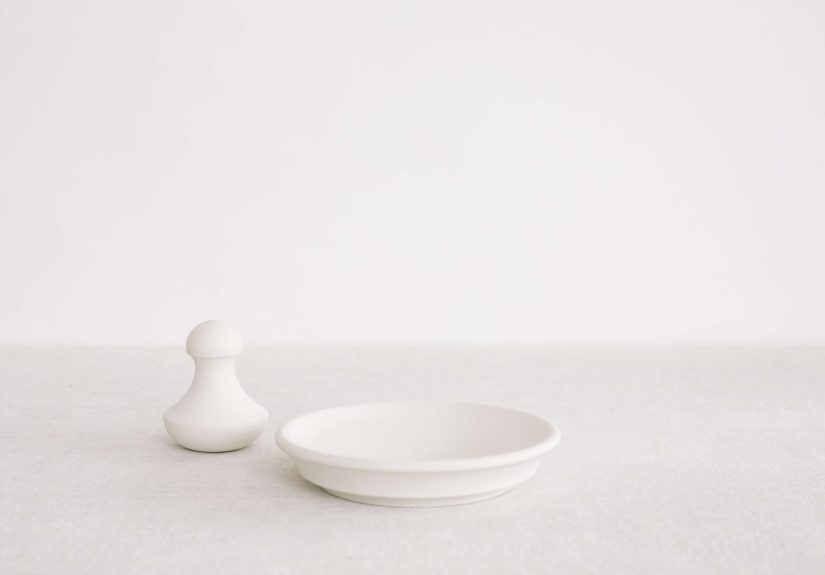
The John Julian Ball Pestle & Mortar is the kind of kitchen object that makes people pause mid-sentence and say, “Wait, is that a tool or a tiny sculpture?” The answer, happily, is yes. It is both a functional porcelain grinding set and a piece of handmade design with enough quiet confidence to sit on a countertop without begging for attention. No neon gadgetry. No ten-speed motor. No instruction manual that looks like it came with a spacecraft. Just a shallow mortar, a rounded ball pestle, and the old-school promise that good food often begins with crushing something fragrant by hand.
Designed by sculptor and ceramicist Julian Sainsbury for John Julian, this pestle and mortar has become a favorite among cooks who care about texture, ritual, and beauty. It is especially known for its porcelain construction, hand-thrown form, and unusual ball-shaped pestle, which is intended to be used with a rocking motion rather than the more familiar pounding style. In a world full of countertop appliances that whirr, beep, and occupy the emotional space of a small printer, the John Julian Ball Pestle & Mortar feels refreshingly human.
What Makes the John Julian Ball Pestle & Mortar Special?
Most mortar and pestle sets follow a predictable formula: a deep bowl, a baton-shaped pestle, and enough weight to make your kitchen counter nervous. The John Julian version takes a different route. The ball pestle sits comfortably in the palm, encouraging a gentle rocking, pressing, and grinding motion. The mortar is often shallow or bowl-shaped depending on the model, giving ingredients space to spread out as they are worked into pastes, rubs, dressings, or spice blends.
The result is a tool that feels less like brute force and more like controlled pressure. Garlic becomes creamy instead of merely smashed. Herbs bruise and release their oils. Toasted seeds crack open. Salt becomes an abrasive helper, the culinary equivalent of a tiny personal trainer shouting, “One more grind!”
The John Julian Ball Pestle & Mortar is not trying to replace every granite molcajete or marble mortar in the world. Instead, it offers a more refined experience for cooks who want a handmade porcelain tool that looks elegant, feels good in use, and performs beautifully for everyday pastes, pestos, dressings, spice mixes, and small-batch kitchen magic.
The Design: Sculpture Meets Supper
The first thing people notice is the silhouette. The ball pestle is round, tactile, and almost pebble-like. It looks simple, but that simplicity is doing real work. A traditional pestle often asks you to grip and pound. The John Julian ball pestle asks you to hold, press, roll, and rock. That change matters. It gives the cook more surface contact and more control, especially when turning garlic, anchovies, herbs, mustard seeds, or nuts into something smooth and aromatic.
The mortar itself is equally important. The flat or shallow shape is adapted for grinding and paste making. Instead of ingredients hiding at the bottom of a deep bowl like shy party guests, they stay more visible and accessible. You can see what is happening, scrape the surface easily, and adjust the texture as you go. For cooks who enjoy precision, this is satisfying. For cooks who simply want dinner to taste better, it is also satisfying. Fancy people and hungry people can finally agree on something.
Material Matters: Why Porcelain?
Porcelain gives the John Julian Ball Pestle & Mortar a different personality from granite, marble, cast iron, or volcanic stone. It is hard, durable, and visually clean. It does not have the dark, rugged drama of a molcajete, but it has its own charm: smooth, sculptural, and quietly luxurious. In practical terms, porcelain works well for cooks who want a non-rustic look and an easy-to-clean surface.
Stone mortars with rough interiors are often praised for their aggressive grinding power, especially for hard spices and large batches of salsa or guacamole. That does not make porcelain inferior; it simply makes it different. The John Julian Ball Pestle & Mortar excels when used with the right technique: controlled pressure, a rocking motion, and ingredients that benefit from being crushed rather than blitzed. It is particularly appealing for pesto-style sauces, garlic pastes, herb dressings, spice rubs, and finishing blends.
Best Uses for a John Julian Ball Pestle & Mortar
1. Garlic Paste That Behaves Itself
Garlic is one of the best ingredients to test any mortar and pestle. Add a pinch of coarse salt, press the garlic against the mortar, and use the ball pestle to grind it into a creamy paste. The salt helps break down the cloves while the porcelain surface gives enough resistance to transform sharp chunks into something mellow and spreadable. Stir it into vinaigrette, yogurt sauce, mayonnaise, soup, mashed potatoes, or anything that needs to taste like you made an effort.
2. Fresh Pesto With Real Texture
A food processor makes fast pesto. A mortar and pestle makes pesto with personality. Basil, garlic, pine nuts, salt, cheese, and olive oil gradually become a sauce that is fragrant, glossy, and textured. With the John Julian ball pestle, the rocking motion helps bruise the basil leaves gently so they release their oils without turning into a sad green smoothie. The result can taste brighter and more layered than a machine-blended version.
3. Spice Blends for Small Batches
For whole spices such as coriander, fennel, cumin, peppercorns, or mustard seeds, the John Julian Ball Pestle & Mortar works best when the spices are toasted first. Toasting wakes up the essential oils; grinding releases them. Suddenly your kitchen smells like you know exactly what you are doing, even if you are still wearing pajama pants at 6 p.m.
4. Dressings, Rubs, and Marinades
Crush garlic, herbs, citrus zest, salt, and spices, then loosen the mixture with olive oil or vinegar. This method creates dressings with a deeper flavor than simply whisking chopped ingredients together. The mortar becomes both mixing bowl and flavor engine. Use the mixture on roasted vegetables, grilled chicken, fish, beans, grain bowls, or bread.
5. Nuts and Seeds for Texture
Walnuts, almonds, sesame seeds, pumpkin seeds, and pine nuts can be lightly crushed for toppings, sauces, and pastes. The key is not to overload the mortar. Work in small batches and let the ball pestle do its slow, steady thing. This tool is not a bulldozer; it is more like a very persuasive ceramic therapist.
How to Use the Ball Pestle Correctly
The biggest mistake is treating the ball pestle like a hammer. It is not designed for dramatic pounding. The better method is to press downward and rock the pestle across the ingredients. Use circular motions when working herbs and garlic, and shorter back-and-forth movements for seeds or spices. Think of it as grinding, not attacking.
Start with the driest or toughest ingredients first. Garlic and salt can become a base paste. Then add herbs gradually. Nuts and seeds should be introduced in modest amounts so they crush evenly. Liquids should usually come later, after the ingredients have begun to break down. If you add oil too early, you may end up chasing slippery basil leaves around the mortar like a tiny green rodeo.
John Julian Ball Pestle & Mortar vs. Traditional Mortar and Pestle
A traditional deep mortar is excellent for pounding and containing ingredients. A granite or basalt mortar can be fantastic for hard spices, salsa, curry paste, and guacamole. The John Julian Ball Pestle & Mortar is more specialized. It favors elegance, control, and paste-making over heavy-duty impact.
That distinction is important for buyers. If your main goal is crushing large batches of dried chiles, making party-size guacamole, or pulverizing tough spices every day, a heavier textured stone mortar may be more practical. If your goal is a beautiful handmade kitchen tool for pesto, garlic paste, herb sauces, dressings, spice finishing blends, and countertop-worthy design, the John Julian piece makes a persuasive argument.
Care and Cleaning Tips
Porcelain is generally easier to care for than many porous stone mortars, but good habits still matter. Wash the pestle and mortar with warm soapy water and a soft sponge after use. Rinse thoroughly and let both pieces dry completely before storing. Strongly colored spices such as turmeric can leave temporary staining, but this is part of cooking life. Anyone who has cooked with turmeric knows it has the confidence of permanent marker wearing a golden cape.
Avoid harsh scouring pads unless the maker’s care instructions specifically allow them. Do not drop the pestle into the mortar, especially from a height. Handmade porcelain is durable, but it is not immortal. Store the ball pestle inside the mortar only if it sits securely and will not roll off the counter. Gravity is not your sous-chef.
Who Should Buy It?
The John Julian Ball Pestle & Mortar is ideal for cooks who appreciate handmade objects, tactile cooking, and beautiful tools that earn their space. It is also a strong gift choice for design lovers, home cooks, professional chefs, food stylists, and anyone whose kitchen aesthetic leans toward “quiet luxury” rather than “drawer full of mystery gadgets.”
It may not be the cheapest mortar and pestle available, and that is part of the point. This is not a bargain-bin tool you buy because your recipe said “crush garlic” and you panicked. It is a crafted piece made in small batches, with a distinctive design language and a practical purpose. The value is not only in what it does, but in how it makes cooking feel.
Is It Worth the Price?
Whether the John Julian Ball Pestle & Mortar is worth it depends on how you cook. If you rarely make sauces, never grind spices, and believe garlic powder is a complete personality, this may be more object than necessity. But if you enjoy the physical rhythm of cooking, use fresh herbs often, make pestos or dressings, and like tools that look as good as they perform, it can be a joy to own.
Compared with mass-produced mortar and pestle sets, the John Julian version stands out because of its handmade porcelain construction, sculptural form, and ergonomic ball pestle. It is less about maximum force and more about deliberate, sensory cooking. You do not merely use it; you interact with it. That may sound dramatic, but so is paying eight dollars for a coffee and calling it “mouthfeel.” At least this tool lasts longer.
Buying Tips Before You Choose
Before buying a John Julian Ball Pestle & Mortar, consider size, shape, and intended use. Larger versions are better for pesto, dressings, and sauces. Smaller versions are easier to store and more suitable for garlic, spices, and compact tasks. A flat mortar is especially useful for grinding pastes with a rocking motion, while a bowl mortar gives a little more containment for looser mixtures.
If you cook often, choose the size that matches your usual batch. A too-small mortar can feel frustrating when herbs start escaping. A too-large one can make tiny amounts of spice feel lonely. The sweet spot is the one you will leave out, use often, and clean without sighing like you have been personally betrayed by dinner.
Experience Notes: Living With a John Julian Ball Pestle & Mortar
The experience of using a John Julian Ball Pestle & Mortar is surprisingly different from using a standard pestle. The first few minutes may feel unfamiliar because your hand expects a handle. Instead, you get a rounded porcelain form that rests in the palm. Once you stop trying to pound and start rocking, the tool begins to make sense. Garlic spreads. Salt drags across the surface. Basil darkens and releases its scent. The whole process feels slower than a food processor, but not in a bad way. It is the difference between sending a text and writing a note by hand. Both communicate; one has more presence.
In everyday cooking, the tool shines when placed within reach. If it disappears into a high cabinet behind the waffle maker you used once during a burst of optimism, it will not change your cooking. But leave it on the counter, and suddenly it becomes easy to crush pepper with lemon zest, make a quick herb oil, or turn garlic and salt into the beginning of dinner. The beauty of the piece helps here. Because it looks good, it earns countertop space. Because it stays visible, it gets used.
One practical lesson is to respect batch size. A handful of basil works better than a mountain. Two garlic cloves behave better than eight. Toasted cumin seeds grind more willingly than untoasted ones. Add ingredients in stages, and the John Julian Ball Pestle & Mortar rewards patience with better texture. Dump everything in at once, and you may find yourself pushing ingredients around like a tired parent trying to organize children at a birthday party.
The ball pestle is especially enjoyable for people who dislike the jarring impact of pounding. It feels gentler on the wrist and more controlled in small movements. For a quick vinaigrette base, crush garlic with salt, add mustard, grind again, then stir in vinegar and oil. For a green sauce, start with garlic and salt, then add parsley, basil, or cilantro in small amounts before loosening with olive oil. For a dessert twist, crush toasted nuts with a little sugar and citrus zest to sprinkle over yogurt or fruit. The tool is not limited to savory cooking; it simply asks for ingredients that benefit from pressure and texture.
Cleaning is also part of the experience. Warm soapy water and a soft sponge usually do the job. The porcelain feels less intimidating than porous stone, and there is no long seasoning ritual for ordinary use. Still, strong pigments can temporarily mark the surface, especially turmeric or deeply colored spice pastes. That is not failure; that is proof the tool has entered the real kitchen, where things splash, stain, and occasionally smell like garlic until Thursday.
Over time, the John Julian Ball Pestle & Mortar becomes more than a utensil. It becomes a habit-forming object. It encourages fresher spices, better dressings, and sauces with texture. It also slows cooking down just enough to make you notice aroma, sound, and feel. In a kitchen culture obsessed with speed, that may be its most genius feature. It reminds you that flavor is not always produced by pressing a button. Sometimes it begins with a ball of porcelain, a pinch of salt, and five quiet minutes at the counter.
Conclusion
The John Julian Ball Pestle & Mortar is not merely a pretty object pretending to be useful. It is a thoughtfully designed handmade porcelain tool that turns grinding, crushing, and paste-making into a tactile pleasure. Its sculptural look, ball-shaped pestle, and shallow working surface make it especially appealing for pesto, garlic paste, herb sauces, dressings, spice blends, and small-batch cooking. It may not replace every heavy stone mortar, but it does something many kitchen tools forget to do: it makes the cook want to cook.
For anyone seeking a beautiful, functional, and conversation-starting mortar and pestle, the John Julian Ball Pestle & Mortar deserves attention. It belongs in kitchens where design matters, flavor matters, and garlic is treated with the seriousness it deserves. In other words, it is for people who know that the best tools do not always plug in.
Note: This article is written for web publication in standard American English and is based on real product details, cooking use cases, care guidance, and practical kitchen experience.