Table of Contents >> Show >> Hide
- Why This Jimmy Fallon Hashtag Was So Funny So Fast
- 30 Hilarious Responses That Absolutely Wrecked Perfectly Good Book Titles
- Which Responses Work Best, and Why?
- What This Says About Jimmy Fallon, Books, and Viral Humor
- The Secret Sauce: Why Book Humor Never Gets Old
- Jimmy Fallon’s Real Book Connection Makes the Bit Better
- What We Learn From a One-Word Wrecking Ball
- Related Experiences: Why This Kind of Joke Feels So Familiar in Real Life
- Final Thoughts
Some internet jokes fade faster than a New Year’s gym membership. Others keep coming back like a beloved paperback with a cracked spine and a coffee stain on page 47. Jimmy Fallon’s “ruin a book with one word” challenge belongs in the second category. It is simple, fast, shamelessly silly, and almost suspiciously effective: take a famous book title, add one word, and suddenly literature trips over its own shoelaces.
That is exactly why the bit exploded. Fallon has spent years turning social media into a late-night comedy writers’ room, and when he tossed out the #AddAWordRuinABook prompt, readers, casual scrollers, pun lovers, and people who have not opened a novel since high school all piled in. The result was a glorious mess of ruined classics, derailed bestsellers, and enough book-title chaos to make an English teacher laugh and cry at the same time.
What made this particular Jimmy Fallon hashtag game stand out was the combination of literary familiarity and low-effort brilliance. Everyone knows enough book titles to play. Everyone understands the rules in two seconds. And everyone secretly enjoys watching serious works of literature get whacked with a frying pan labeled “one extra word.” In the world of viral humor, that is what experts might call “catnip,” though in this case the cat is holding a library card.
Why This Jimmy Fallon Hashtag Was So Funny So Fast
Fallon’s best hashtag bits usually work because they invite participation without requiring homework. This one also had a built-in bonus: books already come with dramatic, poetic, mysterious, or prestigious titles. Add one weird word and the mood collapses beautifully. A sweeping fantasy epic becomes a snack. A literary classic becomes office drudgery. A children’s book turns into a mild workplace violation.
That collision is the joke. Book titles are designed to sound meaningful. The hashtag challenged people to puncture that seriousness with one extra detail. Not a paragraph. Not a rewrite. Just one little verbal banana peel.
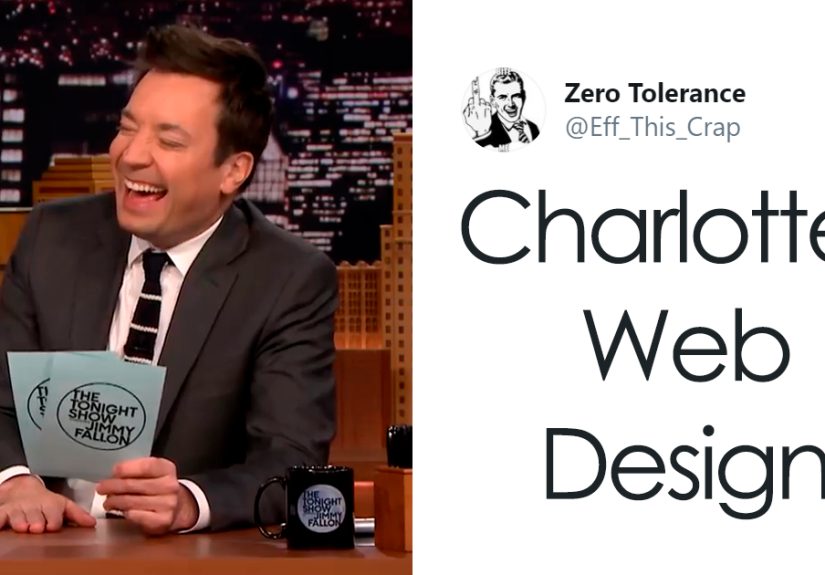
The Tonight Show audience loved it for another reason too: Fallon was not just randomly poking at books. He has built a real book-friendly lane around his brand, from his long-running reading segments and Fallon Book Club picks to his own bestselling children’s books. That gave the joke some extra sparkle. It was not “television host discovers books exist.” It was more like “bookish chaos arrives from someone who genuinely knows the territory.”
30 Hilarious Responses That Absolutely Wrecked Perfectly Good Book Titles
Below are 30 standout examples from the viral wave around Fallon’s challenge and its later revivals. Read them slowly. Some hit instantly. Others sneak up on you like a dad joke in a trench coat.
- Catch-22 Pokemon
- Charlotte’s Web History
- The Conference Call of the Wild
- Charlie Manson and the Chocolate Factory
- Jane Eyre Pods
- This Is Baby Yoda
- Yertle the Turtle Soup
- Fifty Shades of Grey Poupon
- Jurassic Trailer Park
- A Game of Porcelain Thrones
- Pillow Fight Club
- Asian Persuasion
- Charlotte’s Website
- Harry Potter and the Philosopher’s Kidney Stone
- End Your Best Life Now
- The Old Man and the Sea Monkeys
- Catch 22 Diseases
- The Sea Horse Whisperer
- Oh, the Places You’ll Go Missing
- The Secret Olive Garden
- Harry Potter and the Amazon Order of the Phoenix
- The Cat Crapped in the Hat
- Charlotte’s Web Cam
- The Lion, the Witch and the Wardrobe Malfunction
- The Taco Bell Jar
- Finnegans Wakeboard
- War and Peace Out
- Of Mice and Baha Men
- The Catcher in the Rye Bread
- Harry Potter and the Sorcerer’s Kidney Stone
Which Responses Work Best, and Why?
Not all ruined book titles are created equal. The funniest ones usually fall into three categories.
1. The Gourmet Disaster
Food jokes hit hard because they drag a dignified title into the snack aisle. The Secret Olive Garden, The Taco Bell Jar, and Yertle the Turtle Soup feel ridiculous because they instantly replace symbolism with lunch. Literature says, “ponder the human condition.” The joke says, “breadsticks.”
2. The Office-Worker Meltdown
The Conference Call of the Wild is painfully funny because it swaps rugged adventure for soul-draining modern work life. Same thing with Charlotte’s Website. The joke lands because it forces a classic into the spreadsheet era. You can practically hear a printer jamming in the background.
3. The Franchise Collision
Some responses win by smashing two giant cultural references together. Catch-22 Pokemon and Harry Potter and the Amazon Order of the Phoenix are both funny because they sound wrong and weirdly possible at the same time. That tension is internet comedy in its purest form: nonsense with suspiciously good timing.
What This Says About Jimmy Fallon, Books, and Viral Humor
The clever part of Fallon’s prompt is that it transforms reading culture into a community game. People who love books get to flex their knowledge. People who barely read still recognize enough famous titles to participate. And because the format is built on brevity, the joke spreads at social-media speed.
This is exactly the kind of late-night content that thrives online. It is interactive, highly shareable, and easy to remix. Fallon has leaned into that formula for years, and that strategy helped turn The Tonight Show into a steady engine for viral participation. One week it is embarrassing family stories. Another week it is odd roommate behavior. Then suddenly, the internet is messing with Hemingway and Dr. Seuss like they all signed up for open mic night.
There is also something oddly affectionate about the whole thing. Nobody ruins a title they do not recognize. Most of the funniest responses depend on people knowing the original and loving it enough to nudge it off a cliff. That is why the bit feels less mean than playful. It is literary teasing, not literary vandalism.
The Secret Sauce: Why Book Humor Never Gets Old
Book humor works because reading still carries a little prestige. Books feel thoughtful. Books feel important. Books sit on shelves looking accomplished while the rest of us eat chips in sweatpants. So when a joke comes along and turns The Catcher in the Rye into The Catcher in the Rye Bread, the contrast is delicious. It takes something culturally elevated and pulls it into everyday nonsense.
That dynamic also explains why this kind of joke travels so well across age groups. Teen readers get the fantasy and YA references. Adults enjoy the classics and self-help spoofs. Parents laugh at the kid-book entries. Office workers instantly adopt The Conference Call of the Wild as a cry for help. There is a lane for everybody, which is rare on the modern internet, where most people are either arguing or pretending to enjoy cold brew more than they really do.
And unlike a lot of viral comedy, this joke format rewards actual language instinct. You need rhythm. You need precision. You need the exact wrong word. Too random, and the joke dies. Too clever, and it feels like homework. The best responses sound effortless, which means they are often annoyingly brilliant.
Jimmy Fallon’s Real Book Connection Makes the Bit Better
One reason this challenge had more staying power than a throwaway meme is that Fallon lives in both worlds. He is a late-night host built for fast audience games, but he is also tied to the book world through reading promotions, book club picks, and his own successful children’s titles. That overlap matters.
It means the joke does not feel like someone parachuting into literary culture for an easy laugh. It feels like a host who understands that readers can be both passionate and incredibly unserious. One minute they are debating narrative structure. The next minute they are yelling because someone invented A Game of Porcelain Thrones and now they can never unsee it.
That is part of the charm of the Fallon Book Club ecosystem too. The same audience that will vote on a summer read is perfectly willing to spend an afternoon turning beloved titles into punch lines. Reading and joking are not opposites. For a lot of people, they are roommates.
What We Learn From a One-Word Wrecking Ball
The bigger lesson here is that humor does not always need a giant setup. Sometimes it just needs structure. Fallon provided the frame, the audience supplied the jokes, and the internet did what it does best when it is in a good mood: collaborated like a sugar-hyped improv group with Wi-Fi.
That is why this challenge keeps resurfacing. The formula is endlessly renewable. New books arrive. New fandoms explode. New generations discover old classics. And somewhere, inevitably, someone looks at a perfectly noble title and thinks, “What if I added one very stupid word to this?” That person is doing important work.
Related Experiences: Why This Kind of Joke Feels So Familiar in Real Life
Anyone who has ever spent time in a book club, a classroom, a group chat, a family dinner, or an office break room has probably seen a version of this joke happen in real time. It usually starts with one person trying to be clever and another person accidentally being funnier. Somebody says a famous title out loud, someone else bends it by one word, and suddenly the whole room is contributing like unpaid comedy interns. That is the real-life magic behind the Jimmy Fallon book-title challenge: it feels like a game people were already half-playing before the internet gave it a uniform and a whistle.
There is also a specific joy in watching different kinds of readers participate. Serious readers tend to aim for layered wordplay. Casual readers go straight for chaos. Parents gravitate toward children’s books because they know those titles by heart. Coworkers weaponize anything that can be turned into a joke about meetings, deadlines, email, or the printer that only jams when someone important is around. The game works because it lets everyone bring their own experience into the punch line. A fantasy fan hears A Game of Porcelain Thrones and laughs at the absurd visual. An exhausted office worker hears The Conference Call of the Wild and laughs like it hit a nerve. A parent hears This Is Baby Yoda and immediately thinks, “Yes, I would buy that for a child who already owns six plush toys and no sense of moderation.”
What is especially funny is how quickly the mood changes when the game begins. People who were quiet five minutes earlier suddenly become deeply competitive. They start scanning shelves, phone screens, and old reading lists like detectives. They are no longer chatting. They are hunting. The challenge pulls people into language in a sneaky way. You start thinking about rhythm, surprise, and how one small change can tilt meaning sideways. It is wordplay, but it is also social glue. People are not just telling jokes; they are showing each other how their brains jump from one association to another.
That is why the Fallon prompt still feels fresh. It captures an everyday experience and turns it into a public event. Most of us know the pleasure of making one dumb joke that lands way harder than expected. This challenge industrialized that feeling. It gave the internet permission to be playful, collaborative, and just a little book-nerdy without demanding a dissertation. And in a digital landscape that often feels loud, cynical, or exhausting, there is something weirdly comforting about watching thousands of people gather around literature for the sole purpose of making it slightly dumber. Honestly, that might be one of the healthiest relationships the internet has with books.
Final Thoughts
Jimmy Fallon did not just ask people to ruin a book title with one word. He accidentally reminded the internet how much fun language can be when nobody is trying too hard. The best responses were quick, goofy, smart, and irresistibly shareable. They worked because they balanced recognition with surprise, affection with absurdity, and literary knowledge with pure nonsense.
In other words, this was peak internet humor at its best: communal, creative, and delightfully stupid in the most intelligent way possible. If that sounds contradictory, congratulations. You already understand the joke.