Table of Contents >> Show >> Hide
- The Big Answer: Is There a Cure for Dry Eyes?
- Dry Eye FAQs
- 1) What exactly is dry eye disease?
- 2) What causes dry eyes?
- 3) Why are my eyes watering if they’re “dry”?
- 4) What are the most common dry eye symptoms?
- 5) How do doctors diagnose dry eye?
- 6) What treatments actually help dry eyes?
- 7) Can lifestyle changes really make a difference?
- 8) How long does dry eye treatment take to work?
- 9) Can dry eye cause vision damage?
- 10) When should I see an eye doctor right away?
- What a Realistic Dry Eye Relief Plan Looks Like
- Extended Experiences: What Living With Dry Eye Can Feel Like (Illustrative Examples)
- Conclusion
If your eyes feel like they’ve been marinated in sand, welcome to the dry eye clubwhere the membership is huge and nobody asked to join. Dry eye disease is extremely common, and while it can feel like a small annoyance at first, it can also affect reading, driving, screen time, sleep, and overall quality of life.
The big question people ask is simple: Is there a cure for dry eyes? The honest answer is a little annoying but helpful: sometimes the cause can be corrected, but many cases are chronic and managed rather than permanently cured. The good news? Modern dry eye treatment options are much better than they used to be, and many people get real, lasting relief.
This FAQ-style guide explains what dry eye is, why it happens, what treatments actually help, and when it’s time to stop guessing and see an eye doctor.
The Big Answer: Is There a Cure for Dry Eyes?
Usually, there isn’t a single one-and-done cure for chronic dry eye disease. Think of dry eye more like high-maintenance skin or seasonal allergies: it often needs a treatment plan, not a magic wand.
That said, some people do have dry eye symptoms that improve dramaticallyor even go awaywhen the underlying trigger is addressed. For example:
- A medication side effect is identified and changed (with a doctor’s help)
- Eyelid inflammation (like blepharitis/meibomian gland dysfunction) is treated
- Post-surgery dryness settles over time
- Environmental triggers (dry air, direct fan/AC, smoke) are reduced
- Contact lens habits are adjusted
So the best answer is: there may not be a permanent cure for every case, but there are many effective ways to treat dry eyes and improve comfort, vision, and daily life.
Dry Eye FAQs
1) What exactly is dry eye disease?
Dry eye happens when your tears don’t keep the surface of your eyes properly lubricated. That can happen because:
- You don’t make enough tears
- Your tears evaporate too quickly
- Your tear film is poor quality and unstable
- You have a mix of all the above (very common)
Tears aren’t just “water.” A healthy tear film includes watery, oily, and mucus components that work together like a tiny protective coating. When that coating becomes unstable, your eyes can burn, sting, blur, and feel irritated even if they look “fine” to other people.
2) What causes dry eyes?
There isn’t one single cause. Dry eye is often a “team effort” of biology, environment, and lifestyle. Common causes and risk factors include:
- Age: Tear production often decreases with age
- Hormonal changes: Especially around menopause
- Meibomian gland dysfunction (MGD): Oil glands in the eyelids don’t work well, so tears evaporate faster
- Screen time: You blink less while staring at screens
- Contact lenses: They can worsen irritation in some people
- Medications: Some antihistamines, antidepressants, blood pressure meds, and others may contribute
- Environment: Wind, smoke, dry air, AC, heaters
- Health conditions: Autoimmune disorders (including Sjögren’s syndrome), thyroid disease, diabetes, and more
- Eye surgery history: LASIK and other procedures may temporarily or sometimes persistently worsen dryness
In other words, your eyes may be dry because of your tear glands, your eyelids, your environment, your medications, your immune systemor a very rude combination of all five.
3) Why are my eyes watering if they’re “dry”?
This is one of the most confusing dry eye symptoms, and it makes people say, “How can my eyes be dry if they’re literally dripping?” Fair question.
When the tear film is unstable (especially when the oily layer is weak), tears evaporate too fast. Your eyes react by making more watery tears as an emergency response. But these reflex tears don’t fix the underlying problem, because they often don’t have the right balance of oil and mucus. Result: watery eyes and dry eye at the same time. Yes, your eyes can be dramatic and under-lubricated simultaneously.
4) What are the most common dry eye symptoms?
Symptoms can vary from mild irritation to severe discomfort. Common ones include:
- Burning or stinging
- Gritty, sandy, or scratchy feeling
- Redness
- Light sensitivity
- Fluctuating or blurry vision
- Watery eyes (reflex tearing)
- Mucus/stringy discharge
- Eye fatigue, especially with reading or screens
- Discomfort with contact lenses
If symptoms are frequent or affect work, driving, or sleep, it’s time to move beyond random pharmacy shopping and get a proper evaluation.
5) How do doctors diagnose dry eye?
There’s no single “one test and done” dry eye test for everyone. Eye doctors typically diagnose dry eye using a combination of your symptoms, exam findings, and targeted testing.
Common dry eye tests may include:
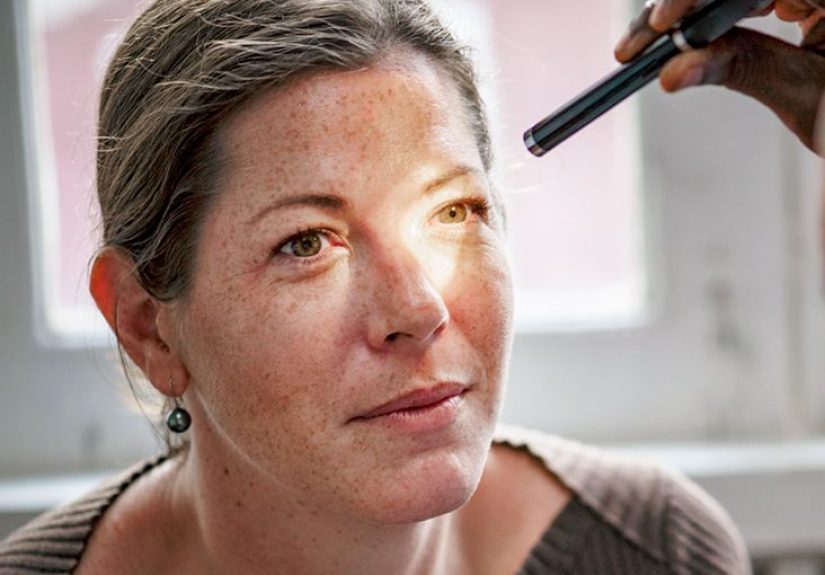
- Slit lamp exam: A microscope exam to inspect the eye surface, tear film, and eyelids
- Schirmer test: Measures tear production using a tiny paper strip
- Tear breakup time (TBUT): Checks how fast tears evaporate after a blink
- Staining tests: Dyes may be used to look for dry spots or eye surface damage
- Eyelid/meibomian gland evaluation: Especially important in evaporative dry eye
Your doctor may also ask about dry mouth, autoimmune symptoms, medications, and environmental triggers. That’s not small talkit helps identify the root cause.
6) What treatments actually help dry eyes?
The best dry eye treatment depends on your type of dry eye and what’s driving it. Most people do best with a combination plan.
Over-the-counter options (often first line)
- Artificial tears: Great for mild symptoms and flare-ups
- Preservative-free artificial tears: Often preferred if you use drops frequently
- Gels and ointments: Thicker, longer-lasting (often helpful at bedtime)
- Warm compresses: Can help unclog eyelid oil glands (especially with MGD)
- Eyelid hygiene: Lid scrubs/sprays for blepharitis and oil gland problems
Prescription dry eye treatments
If OTC products aren’t enough, an eye doctor may prescribe treatments that target inflammation or help improve tear production. Common examples include:
- Cyclosporine eye drops (various brands/formulations)
- Lifitegrast
- Short-course steroid eye drops (for selected cases, with supervision)
- Other prescription therapies for specific dry eye types, including evaporation-related disease
Some newer therapies also target tear evaporation or stimulate natural tear production (including nasal-spray and prescription-drop options). This is an area of active change, so your eye doctor’s current treatment list may be broader than what you remember from a few years ago.
In-office procedures and advanced options
- Punctal plugs (punctal occlusion): Help keep tears on the eye longer
- Prescription scleral lenses / PROSE-type devices: Can protect and hydrate the eye surface in severe cases
- Serum tears: Specially prepared drops (used in more severe or complex cases)
- Thermal/meibomian gland treatments: For evaporation-related dry eye and MGD
- Eyelid correction procedures: When lid anatomy contributes to tear drainage or exposure
The key takeaway: dry eye relief is real, but it often takes matching the right treatment to the right cause.
7) Can lifestyle changes really make a difference?
Yesespecially when dryness is triggered by screens, airflow, contact lenses, or low humidity. Lifestyle changes won’t replace medical treatment for everyone, but they can make a huge difference.
- Blink more often during screen time (set reminders if needed)
- Take regular visual breaks when reading or working on a computer
- Use a humidifier in dry rooms
- Avoid direct air from fans, car vents, and heaters blowing into your face
- Wear wraparound sunglasses outdoors in wind/sun
- Review medications with your doctor if dry eye started after a new prescription
- Stay consistent with warm compresses and lid hygiene if you have MGD
- Ask about contact lens fit/material changes if lenses worsen symptoms
Dry eye management is one of those situations where tiny habits matter. A humidifier may not look exciting, but neither does corneal irritation.
8) How long does dry eye treatment take to work?
It depends on the treatment and your dry eye type.
- Artificial tears: Often help within minutes, but temporary relief
- Gels/ointments: Can help quickly, especially overnight dryness
- Warm compresses/lid hygiene: Usually need days to weeks of consistency
- Prescription anti-inflammatory drops: Often take several weeks (sometimes longer) for full benefit
- Procedures like punctal plugs: Some people notice improvement quickly; others need additional therapies
This is why follow-up matters. If you quit a treatment too earlyor stick with one that clearly isn’t helpingyou can end up frustrated and still miserable.
9) Can dry eye cause vision damage?
Yes, severe or untreated dry eye can affect the eye surface and vision. Many people experience temporary blurry or fluctuating vision, especially with prolonged reading or screens. In more serious cases, dry eye can contribute to corneal damage, infection risk, ulcers, or scarring.
This doesn’t mean every dry eye case is an emergency. It does mean chronic symptoms should be taken seriouslyparticularly if vision changes are becoming more frequent.
10) When should I see an eye doctor right away?
Schedule an eye exam if your symptoms are persistent, worsening, or interfering with daily life. Seek urgent care sooner if you have any of the following:
- Sudden vision loss or major vision change
- Severe eye pain
- Significant light sensitivity with redness/pain
- Eye injury or chemical exposure
- Heavy discharge, swelling, or signs of infection
- Contact lens pain that doesn’t improve after removing the lens
- A new symptom pattern after starting a medication or treatment
“Dry eye” can overlap with other eye problems, so don’t self-diagnose forever. Your eye doctor has better tools than your bathroom mirror and a random coupon for eyedrops.
What a Realistic Dry Eye Relief Plan Looks Like
For many people, a good plan looks like this:
- Get diagnosed (what type of dry eye? what causes?)
- Start with basics (artificial tears, environment changes, blink habits)
- Add targeted treatment (lid care, prescription drops, punctal plugs, etc.)
- Follow up and adjustbecause dry eye treatment is often personalized
- Stay consistent even after symptoms improve
If your current approach is “I buy a different bottle every two weeks and hope for the best,” no judgment. But a structured plan usually works betterand wastes less money.
Extended Experiences: What Living With Dry Eye Can Feel Like (Illustrative Examples)
Note: The examples below are composite, educational scenarios based on common patient experiences and clinical patternsnot individual medical cases.
Example 1: The Screen-Time Spiral. A 34-year-old designer starts noticing burning eyes and blurry vision by mid-afternoon. She assumes she just needs “better sleep” and buys a random redness-relief drop. It helps for 20 minutes, then the dryness seems worse. After an eye exam, she learns her blink rate drops dramatically when she works, and her tear film breaks up quickly. Her plan includes preservative-free artificial tears, scheduled blink breaks, adjusting her monitor height, and a humidifier near her desk. Within a few weeks, she’s not “cured,” but she stops dreading 3 p.m. spreadsheets and can work more comfortably.
Example 2: The “Why Are My Eyes Watering?” Mystery. A 52-year-old teacher feels embarrassed because her eyes tear up in the wind and during class, yet they also sting and feel dry at night. She assumes watery eyes mean allergies only. Her eye doctor explains reflex tearing and finds meibomian gland dysfunction. Warm compresses, lid hygiene, and prescription treatment for inflammation make a noticeable difference. The surprise for her wasn’t just symptom reliefit was understanding that watering and dryness can happen together.
Example 3: Contact Lens Frustration. A college student who has worn contacts for years suddenly can’t tolerate them for long study sessions. His eyes feel sandy, lenses shift, and vision fluctuates. He thinks the brand changed or the lenses are “bad.” Instead, it’s dry eye plus long screen hours and dorm heat. With a lens refit, lubrication strategy, and better environment habits, he’s able to wear lenses more comfortably againthough he still uses glasses more often during finals week. (Honestly, his eyes and GPA both benefit.)
Example 4: The Chronic Dryness That Needed More Than OTC Drops. A 61-year-old retiree has tried five brands of artificial tears and is still miserable. Reading, driving, and even watching TV feel harder. An eye specialist identifies chronic dry eye with inflammation and starts a step-up plan that includes prescription drops, nighttime ointment, and in-office treatment. Progress is slow at first, then steady. Her biggest lesson: dry eye treatment sometimes works like physical therapyconsistency beats intensity.
Example 5: The Emotional Side No One Talks About. Many people with dry eye feel dismissed because the condition sounds minor. But when your eyes hurt every day, it can affect mood, productivity, and social life. Several patients describe relief not only from treatment, but from finally hearing, “Yes, this is real, and yes, we can help.” That validation matters. Dry eye may be common, but living with it can be exhausting. A good diagnosis and a personalized plan can make everyday life feel normal again.
Conclusion
So, is there a cure for dry eyes? For chronic dry eye disease, usually not a universal curebut there are many effective treatments that can control symptoms, improve tear quality, protect your eye surface, and help you feel like yourself again.
The smartest move is to stop thinking of dry eye as “just irritation” and start thinking of it as a condition that deserves a proper diagnosis. Once you know your dry eye type and triggers, treatment becomes much more effective (and much less random).
If your symptoms keep returning, get an eye exam. Your future selfand your overworked eyeballswill thank you.