Table of Contents >> Show >> Hide
- What Are Raw Oats?
- Raw Oats Nutrition: What Do You Actually Get?
- Is Eating Raw Oats Healthy?
- Top Health Benefits of Eating Raw or Soaked Oats
- Potential Downsides of Eating Raw Oats
- Should You Soak Raw Oats Before Eating?
- Best Ways to Use Raw Oats
- Who Should Be Careful With Raw Oats?
- Raw Oats vs. Cooked Oats: Which Is Better?
- Simple Raw Oat Meal Ideas
- Practical Experiences With Eating Raw Oats
- Conclusion: Are Raw Oats Worth Eating?
Raw oats have become the quiet superstar of modern breakfast: affordable, filling, shelf-stable, and somehow capable of turning into overnight oats while you sleep. That is the kind of kitchen productivity most of us can only dream about. But a common question still pops up: is eating raw oats healthy, or should oats always be cooked before they meet your spoon?
The short answer is yes, eating raw oats can be healthy for most people, especially when the oats are soaked first. Rolled oats, quick oats, and instant oats are usually steamed during processing, so they are not completely “raw” in the same way raw wheat berries or uncooked beans are. However, they are still uncooked when you pour them into a jar of milk, yogurt, or a smoothie. That matters because dry oats can be harder to digest, may cause bloating in some people, and contain naturally occurring compounds that can reduce mineral absorption when eaten in very large amounts.
Still, oats are one of the most useful whole grains you can keep in your pantry. They provide fiber, plant-based protein, complex carbohydrates, vitamins, minerals, and a special soluble fiber called beta-glucan. Whether you enjoy them as overnight oats, in smoothies, blended into energy bites, or sprinkled into yogurt, raw oats can be a smart part of a balanced diet when prepared properly.
What Are Raw Oats?
When people say “raw oats,” they usually mean dry oats that have not been cooked at home. The most common types include rolled oats, quick oats, instant oats, oat bran, and sometimes steel-cut oats. Each type starts as an oat groat, which is the whole oat kernel after the outer hull has been removed.
Rolled oats
Rolled oats, also called old-fashioned oats, are oat groats that have been steamed and flattened. They soften well in milk, yogurt, or plant-based alternatives, making them the best choice for overnight oats and no-cook oatmeal recipes.
Quick oats and instant oats
Quick oats are rolled thinner and cut smaller, so they absorb liquid faster. Instant oats are even more processed and may come in flavored packets. Plain instant oats can still be nutritious, but sweetened packets often bring along extra sugar, sodium, and artificial flavorsthe breakfast equivalent of inviting a marching band into a library.
Steel-cut oats
Steel-cut oats are chopped oat groats. They have a chewy texture and a nutty flavor, but they do not soften as easily without cooking. You can soak them, but they often remain firm unless soaked for a long time or briefly cooked.
Raw Oats Nutrition: What Do You Actually Get?
Oats are nutrient-dense because they keep the bran, germ, and endosperm of the grain. A typical half-cup serving of dry rolled oats contains roughly 150 calories, 5 grams of protein, 4 grams of fiber, and around 27 grams of carbohydrates, depending on the brand and cut. Oats also provide manganese, phosphorus, magnesium, iron, zinc, copper, selenium, and B vitamins such as thiamine.
The most important nutrient in oats is beta-glucan, a soluble fiber that forms a gel-like texture in the digestive tract. This is one reason oats feel so satisfying. Beta-glucan slows digestion, supports steadier blood sugar, feeds beneficial gut bacteria, and helps lower LDL cholesterol when eaten regularly as part of a heart-healthy diet.
Oats are also naturally low in sugar. The problem usually begins when plain oats are buried under brown sugar, chocolate chips, syrup, and enough whipped cream to qualify as a weather event. The oats are not the villain. The toppings may need a polite conversation.
Is Eating Raw Oats Healthy?
For most healthy adults, eating raw oats is safe and nutritious, especially when they are soaked in liquid before eating. Soaking oats softens their texture, improves digestibility, and makes them easier to chew. It also helps the oats absorb moisture before they reach your stomach, which can reduce the chance of bloating or discomfort.
Eating dry oats straight from the container is not dangerous for most people, but it is not ideal. Dry oats absorb water as they move through the digestive tract. If you eat a large amount without enough fluid, you may feel overly full, gassy, or uncomfortable. Think of oats as tiny sponges with a health halo. They do good work, but they need liquid.
Raw oats also contain phytic acid, a natural compound found in whole grains, legumes, nuts, and seeds. Phytic acid can bind minerals such as iron, zinc, calcium, and magnesium, reducing how much your body absorbs from that meal. This does not make oats unhealthy. In a varied diet, the effect is usually not a major concern. However, soaking oats can help reduce phytate levels and make minerals more available.
Top Health Benefits of Eating Raw or Soaked Oats
1. They support heart health
Oats are famous for their cholesterol-friendly fiber. Beta-glucan can help reduce LDL cholesterol, often called “bad” cholesterol, by binding with bile acids in the gut and helping remove cholesterol from the body. A daily habit of oats will not replace medication if your doctor has prescribed it, but it can be a powerful food-based strategy for supporting cardiovascular health.
2. They may help stabilize blood sugar
Because oats contain soluble fiber and complex carbohydrates, they digest more slowly than many refined breakfast foods. This can help prevent sharp blood sugar spikes, especially when oats are paired with protein and healthy fats. A bowl of overnight oats with Greek yogurt, chia seeds, and berries will usually be more blood-sugar-friendly than oats mixed only with sweetened milk and maple syrup.
3. They keep you full longer
Oats are satisfying because they combine fiber, protein, and slow-digesting carbohydrates. This makes them useful for people who want a breakfast that does not lead to a snack attack 47 minutes later. Adding nut butter, seeds, yogurt, or protein powder can make raw oat recipes even more filling.
4. They support gut health
The fiber in oats helps support regular bowel movements and nourishes beneficial gut bacteria. Beta-glucan acts like a prebiotic, meaning it helps feed the microbes that support digestion, immune function, and overall gut balance. If your diet is currently low in fiber, increase oats gradually so your digestive system does not file a formal complaint.
5. They are convenient and budget-friendly
Few healthy foods are as practical as oats. They are inexpensive, easy to store, quick to prepare, and endlessly customizable. You can make them sweet, savory, creamy, chewy, warm, cold, simple, or fancy enough to deserve their own tiny breakfast spotlight.
Potential Downsides of Eating Raw Oats
Digestive discomfort
Some people feel bloated after eating raw or soaked oats, especially if they eat a large serving or are not used to high-fiber foods. Start with a small portion, such as one-quarter to one-half cup of dry oats, and drink enough water throughout the day.
Phytic acid and mineral absorption
Phytic acid is not “toxic,” despite what dramatic corners of the internet may claim. It is simply a natural plant compound. Still, if you rely heavily on grains and legumes or have low iron or zinc levels, soaking oats may be a better choice than eating them dry. Pairing oats with vitamin C-rich foods, such as berries, oranges, or kiwi, can also support iron absorption.
Gluten cross-contact
Oats are naturally gluten-free, but they are often grown, transported, or processed near wheat, barley, or rye. People with celiac disease or gluten sensitivity should choose oats labeled gluten-free. Some people with celiac disease may still react to avenin, the protein in oats, so it is best to follow personal medical guidance.
Added sugar overload
Raw oats are healthy. Raw oats turned into a dessert jar with candy, syrup, and sweetened cream are still delicious, but they are no longer the same nutrition story. Keep the base simple and use fruit, cinnamon, vanilla, nuts, and seeds for flavor.
Should You Soak Raw Oats Before Eating?
Soaking is the easiest way to make raw oats more enjoyable and digestion-friendly. When oats sit in liquid for several hours, they soften, thicken, and become creamy without cooking. This is why overnight oats have become so popular: they are breakfast meal prep with almost no effort.
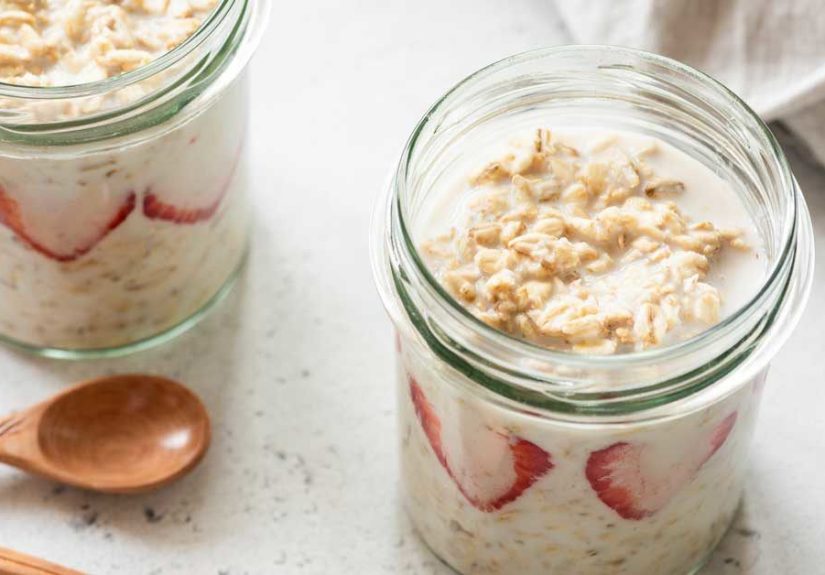
To make basic overnight oats, combine one-half cup rolled oats with one-half cup milk, unsweetened plant milk, or yogurt. Add a pinch of salt, a little cinnamon, and fruit if desired. Refrigerate for at least four hours, though overnight works best. In the morning, stir and adjust the texture with more liquid if needed.
Best Ways to Use Raw Oats
Overnight oats
This is the most popular no-cook oat recipe for good reason. Try oats with Greek yogurt, chia seeds, blueberries, and a spoonful of peanut butter. For a brighter version, use oats with plain yogurt, grated apple, cinnamon, and walnuts.
Smoothies
Add two to four tablespoons of rolled oats to a smoothie for extra thickness and fiber. Oats blend well with bananas, berries, milk, yogurt, protein powder, cocoa, and nut butter. Let the smoothie sit for a few minutes after blending so the oats can soften.
Energy bites
Mix rolled oats with nut butter, ground flaxseed, a small amount of honey, and add-ins such as chopped nuts or unsweetened coconut. Roll into small balls and refrigerate. These are useful for snacks, lunchboxes, or that mysterious 3 p.m. hunger that arrives wearing tap shoes.
Yogurt bowls
Stir oats into yogurt and let the mixture sit for 10 to 20 minutes before eating. Add berries, pumpkin seeds, cinnamon, or sliced banana. This gives you protein, fiber, and healthy fats in one bowl.
Homemade muesli
Muesli is a no-cook mix of oats, dried fruit, nuts, and seeds. For a balanced version, keep dried fruit moderate and add fresh fruit when serving. Soak it briefly or overnight for a softer texture.
Who Should Be Careful With Raw Oats?
Most people can enjoy raw or soaked oats, but a few groups should be more cautious. People with celiac disease should buy certified gluten-free oats and watch for symptoms. People with irritable bowel syndrome may need smaller portions because oats can cause gas or bloating in sensitive digestive systems. Anyone with swallowing difficulties should avoid dry oats because they can be hard to chew and may absorb moisture quickly.
People who have been told to follow a low-fiber diet for medical reasons should ask a healthcare professional before adding oats regularly. Oats are healthy, but “healthy” still depends on the person, the portion, and the overall diet.
Raw Oats vs. Cooked Oats: Which Is Better?
Both raw soaked oats and cooked oats can be healthy. Cooked oats are warm, soft, and often easier to digest for people with sensitive stomachs. Soaked oats are convenient, refreshing, and may preserve a slightly different texture and resistant starch profile. Nutritionally, the difference is usually less important than what you add to them.
If your cooked oatmeal includes fruit, nuts, and plain milk, it is a great choice. If your overnight oats include yogurt, berries, and chia seeds, they are also a great choice. If either version includes a mountain of sugar, the health score drops faster than a phone battery at 2%.
Simple Raw Oat Meal Ideas
Berry almond overnight oats
Combine rolled oats, milk, Greek yogurt, blueberries, sliced almonds, and cinnamon. This gives you fiber, protein, antioxidants, and crunch.
Apple pie oats
Mix oats with milk, grated apple, cinnamon, vanilla, and chopped walnuts. It tastes cozy without needing much added sugar.
Chocolate banana smoothie oats
Blend oats with banana, unsweetened cocoa powder, milk, peanut butter, and ice. It feels like a milkshake but behaves more like breakfast.
Savory yogurt oat bowl
Stir oats into plain Greek yogurt with a pinch of salt, cucumber, herbs, olive oil, and black pepper. It is unusual, but surprisingly satisfying if you prefer savory breakfasts.
Practical Experiences With Eating Raw Oats
People often discover raw oats through overnight oats, and the first experience is usually one of two things: “Where has this been all my life?” or “Why does this taste like cold wallpaper paste?” The difference usually comes down to ratio, texture, and toppings. Raw oats need enough liquid, enough time, and enough flavor. A dry, rushed jar of oats is not a breakfast; it is a construction material with ambition.
One common experience is that soaked oats are much easier to stick with than cooked oatmeal for busy mornings. Someone who skips breakfast because they are short on time may find that overnight oats remove the decision-making. The jar is already in the fridge. No pan, no stirring, no dramatic boil-over on the stove. Add berries, grab a spoon, and breakfast is ready before your coffee has finished judging you.
Another real-world lesson is portion control. Because dry oats look small, it is easy to pour too much. A full cup of dry oats may not seem like a lot in the container, but once soaked, it becomes a very generous meal. Many people feel best starting with one-half cup of dry oats, then adding protein and fruit. This creates a balanced bowl without leaving you feeling like you swallowed a weighted blanket.
Texture also matters. Rolled oats usually work best for raw preparations because they soften into a creamy but still chewy texture. Quick oats become softer and smoother, which some people love, while others find them mushy. Steel-cut oats are more stubborn. They can be soaked, but they stay chewy and may need extra time. If you tried raw oats once and disliked them, the problem may have been the oat type, not oats in general.
Digestive adjustment is another common experience. Someone who rarely eats fiber may feel bloated after suddenly adding oats, chia seeds, flaxseed, berries, and nuts all at once. That does not mean the meal is unhealthy. It may simply be too much fiber too quickly. A gentler approach is to start with a smaller serving of oats, skip extra fiber boosters at first, and drink enough water. Over time, many people tolerate oats better.
Flavor improves dramatically with small details. A pinch of salt makes sweet oats taste more balanced. Cinnamon adds warmth. Vanilla makes plain yogurt feel less plain. Mashed banana sweetens the mixture naturally. Frozen berries release juice overnight, creating a colorful swirl that looks far more impressive than the effort required. In other words, raw oats reward tiny upgrades.
For people managing busy schedules, raw oats can become a dependable meal-prep habit. Make two or three jars at once, change the toppings, and breakfast stops being a daily puzzle. For athletes or active people, adding protein powder, Greek yogurt, or nut butter can turn raw oats into a more substantial pre- or post-workout meal. For families, overnight oats can be customized in small jars so everyone gets a different flavor without turning the kitchen into a breakfast buffet battlefield.
The best experience with raw oats usually comes from treating them as a base, not the whole meal. Oats bring fiber, minerals, and slow-digesting carbohydrates. Add protein, healthy fats, fruit, and flavor, and they become much more satisfying. That is the real secret: raw oats are healthy, but smart raw oats are better.
Conclusion: Are Raw Oats Worth Eating?
Eating raw oats can be healthy, convenient, and delicious when you prepare them the right way. Rolled oats and quick oats work especially well in no-cook recipes because they soften easily in liquid. Soaking oats improves texture, supports digestion, and may reduce the impact of phytic acid. Oats also provide beta-glucan, a valuable soluble fiber linked with heart health, steadier blood sugar, fullness, and gut support.
The healthiest approach is simple: choose plain oats, soak them when possible, add protein and fruit, go easy on added sugar, and use gluten-free oats if needed. Raw oats are not magic, but they are one of the most practical healthy foods around. They are affordable, flexible, and ready to become breakfast while you sleepwhich is more than we can say for most pantry items.
Note: This article is for general nutrition education and should not replace medical advice. If you have celiac disease, digestive disorders, diabetes, mineral deficiencies, or a medically restricted diet, ask a qualified healthcare professional how oats fit your needs.