Table of Contents >> Show >> Hide
- What “Instant Ombre” Really Means (and Why It Works)
- Pick a Color Plan That Blends Like Butter
- Tools & Materials for Instant Ombre Walls
- The Fastest Paint Method: The “Three-Roller Wet Blend”
- Step 1: Prep like you mean it
- Step 2: Base coat (your secret weapon)
- Step 3: Create transition shades before you start
- Step 4: Mark your blend zones (lightly!)
- Step 5: Paint your main zones fast
- Step 6: Blend with “pressure fading” (the instant trick)
- Step 7: Use the “dry brush rescue” for stubborn seams
- Step 8: Edges & corners (where ombre projects go to get dramatic)
- Step 9: Step back, adjust, and stop before you overwork it
- The “Color Wash Ombre” Cheat Code (for People Who Don’t Want to Rush)
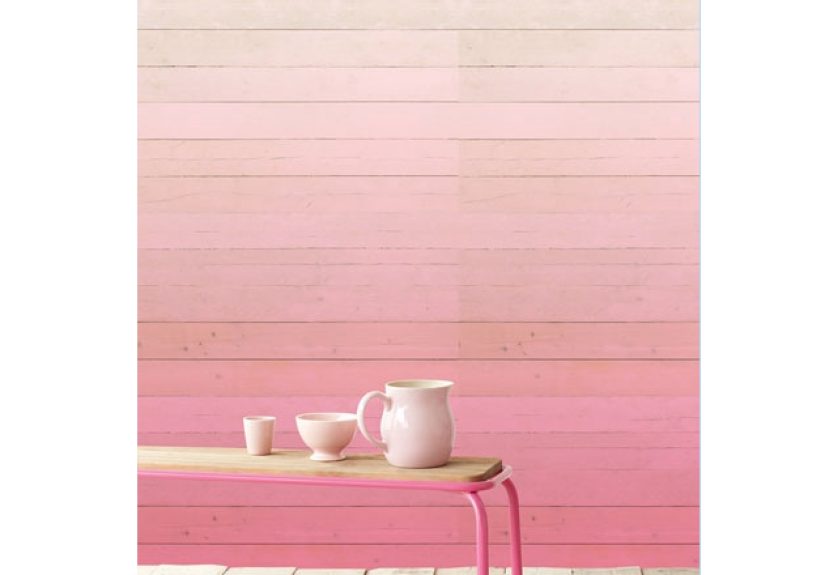
- Truly Instant Ombre: Peel-and-Stick Ombre Murals or Wallpaper
- Common Ombre Wall Mistakes (and How to Fix Them)
- How Much Does an Instant Ombre Wall Cost?
- Design Ideas: Where Ombre Looks Best
- Conclusion
- Real-World Experiences: What “Instant Ombre” Feels Like (500+ Words)
Ombre walls are basically the interior-design version of a good playlist: a smooth transition, no awkward jumps, and somehow everything feels more expensive afterward.
The best part? You don’t need an MFA, a sprayer, or a spirit guide named “Chad the Faux Finish Wizard” to pull it off.
With the right plan, you can create an instant ombre wall in a single afternoon (or go truly instant with peel-and-stick).
In this guide, you’ll get a fast, beginner-friendly approach to gradient wall painting, plus a “slow-dry cheat code” for easy blending, renter-safe options,
common mistakes (and how to fix them), and realistic costs. Let’s make your wall look like a sunsetwithout you having to become the sun.
What “Instant Ombre” Really Means (and Why It Works)
“Instant” doesn’t mean “done in 30 seconds” (unless you count staring at paint swatches as laborwhich honestly, it is).
It means high impact with low complexity. Ombre is forgiving because your eye expects a gradual shifttiny imperfections read as “artsy,” not “oops.”
The trick is to use a system that keeps blending simple: either pre-mixed transition shades or longer open time so paint stays workable.
Pick a Color Plan That Blends Like Butter
Before you paint, decide what kind of ombre you want. Your palette determines how easy this project feelsand how many snacks you’ll need.
Option A: One color, multiple shades (easiest + most calming)
Choose one hue (blue, sage, blush, gray) and create lighter/darker versions by mixing with white (lighter) or adding a deeper coordinating shade (darker).
This gives you the cleanest ombre wall paint look with the least risk of “muddy” transitions.
Option B: Two colors that meet in the middle (medium difficulty)
Think blue-to-green, blush-to-peach, or sand-to-terracotta. The key is a bridge shade (or two) so your transition doesn’t look like a color argument.
If the colors clash, your wall will look… emotionally complicated.
Option C: Sunset / multi-band ombre (highest drama, still doable)
This is the “wow” versionmultiple warm shades blended in horizontal bands. Gorgeous for feature walls, offices, and creative rooms.
It’s also the one most likely to make you say, “Why is my brush suddenly auditioning for chaos?”
Tools & Materials for Instant Ombre Walls
Here’s what you actually needno mystical supplies, no unicorn hair.
Paint + prep
- 2–4 paint colors (or 3 colors + 2 transition mixes)
- Primer (only if the wall is patchy, stained, very dark, or glossy)
- Spackle + sanding sponge (for dents, nail holes, and “life happened” marks)
Application + blending
- 3/8″ nap roller covers (smooth walls) + roller frame
- 2–3 paint trays or tray liners (one per shade is ideal)
- Angled sash brush for edges/corners
- Dry brush (or clean, mostly-dry roller) for feathering
- Optional: sponge for softening transitions
- Painter’s tape, drop cloths, stir sticks, measuring cup
- Optional: paint conditioner/extender (helps keep paint wet longer)
The Fastest Paint Method: The “Three-Roller Wet Blend”
This is the classic fast method used in many ombre tutorials: paint your sections, then blend while the paint is still workable.
It looks fancy, but the workflow is basically: stripe → soften → repeat.
Step 1: Prep like you mean it
Remove outlet covers, patch holes, sand smooth, and wipe dust off the wall. Good prep is the difference between “professional finish” and “my wall has texture now.”
Tape trim if you don’t trust your cutting-in skills (no shamewalls have betrayed better people than us).
Step 2: Base coat (your secret weapon)
Paint the entire wall your lightest shade and let it dry fully. This gives you a consistent background so your gradient looks smoother and your coverage is better.
Bonus: it makes blending feel less frantic because you’re not fighting the previous wall color.
Step 3: Create transition shades before you start
For a three-color ombre, you’ll paint: Light → Mid → Dark, then mix two transitions:
Light+Mid and Mid+Dark. A simple, reliable approach is a 50/50 mix for each transition.
Mix enough upfront so you don’t have to remix later and risk getting “almost the same but not quite” color.
Step 4: Mark your blend zones (lightly!)
Use a pencil to mark where you want the colors to transitionusually in thirds (top/middle/bottom), or in bands if you’re doing a sunset style.
Keep it flexible; you’re building a gradient, not a spreadsheet.
Step 5: Paint your main zones fast
Roll your top section in the mid shade and your bottom section in the dark shade (or vice versaeither direction works).
Don’t obsess over perfect lines where sections meet. Crisp lines are the enemy of ombre.
Step 6: Blend with “pressure fading” (the instant trick)
Load your roller with the transition shade. Then:
- Roll the transition color over the seam (about 6–12 inches on each side).
- Use more pressure on the side you want more color, and lighter pressure as you move away.
- Feather the outer edges with a nearly dry roller or dry brush to soften lap marks.
If your roller is too juicy, you’ll stamp texture instead of blending. Off-load extra paint by rolling it on paper or a spare tray liner first.
Step 7: Use the “dry brush rescue” for stubborn seams
When a seam looks too harsh, lightly drag a dry brush (or clean damp brush) across the edge with quick, soft strokes.
You’re not scrubbingthink “butterfly kisses,” not “power washing.”
Step 8: Edges & corners (where ombre projects go to get dramatic)
Corners are tricky because rollers can’t reach cleanly. Two fast approaches:
- Pre-cut edges: Brush each zone along the edges before rolling the field, then blend carefully with a smaller brush/sponge.
- Tape the adjacent wall: Gives you wiggle room while you focus on blending instead of apologizing to your trim.
Step 9: Step back, adjust, and stop before you overwork it
Ombre looks different from 2 feet away vs. 8 feet away. Step back often. If you keep blending forever, you’ll eventually blend your will to live.
Once it looks smooth from normal viewing distance, let it dry.
The “Color Wash Ombre” Cheat Code (for People Who Don’t Want to Rush)
If you love the watercolor, cloud-soft lookor you’re painting in a warm room where paint dries faster than your patiencetry a color wash approach.
This uses a glaze/conditioner mixed with paint to create a more translucent layer and extend working time.
Why it feels easier
- Longer open time gives you more time to blend.
- Translucency makes transitions naturally softer.
- Overlapping strokes look intentional and “textured,” not “messy.”
Quick method
- Paint a solid base coat (usually the lightest color).
- Mix glaze/conditioner with your mid or darker color to create a semi-transparent blend.
- Apply in loose, overlapping strokes (or sponge/rag) and gently soften edges as you go.
- Build depth in thin layers until you like the gradient.
Pro move: Practice on a scrap board first. A 2′ x 2′ test run can save you from repainting an entire wall out of spite.
Truly Instant Ombre: Peel-and-Stick Ombre Murals or Wallpaper
Want the gradient look without paint trays, drying time, or accidental “custom” footprints on your drop cloth?
Peel-and-stick ombre murals give you fast impact and are especially appealing for renters or commitment-phobes (design-wise, anyway).
Best surfaces for peel-and-stick
- Smooth, clean, dry painted walls
- Minimal texture (heavy orange peel = bubbles and sadness)
- Walls that aren’t dusty, greasy, or freshly painted yesterday
Fast install tips
- Reverse-roll panels to help flatten them before hanging.
- Cut pieces with a bit of extra length so you can trim cleanly.
- Peel the backing a little at a time and smooth as you go.
- If you mess up, lift and repositionthis is the whole point.
If you’re choosing between paint vs. peel-and-stick: paint looks more custom and seamless on textured walls; peel-and-stick is faster and cleaner on smooth walls.
Pick your fighter.
Common Ombre Wall Mistakes (and How to Fix Them)
1) Harsh lines between colors
- Fix: Add a transition shade and re-blend the seam with light pressure. Feather edges with a clean dry roller or dry brush.
2) Lap marks / stripes
- Fix: Keep a wet edge. Work in smaller sections. Consider a conditioner/extender or glaze method.
3) “Muddy” middle color
- Fix: Your colors may be too far apart or fighting undertones. Switch to same-hue tints (Option A) or insert a better bridge shade.
4) Blending looks blotchy up close
- Fix: Evaluate from normal viewing distance first. If it still bugs you, use a thin wash layer to unify the transitions.
How Much Does an Instant Ombre Wall Cost?
Your cost depends on whether you’re doing a single accent wall (most common) or going full-gradient room.
A DIY ombre accent wall can be relatively affordable if you already have toolsespecially if you buy quarts for secondary shades.
Typical DIY budget (accent wall)
- Paint: often falls in a broad range depending on brand/line and finish
- Primer (if needed): additional cost
- Supplies: rollers, trays, tape, drop cloths, brush(es)
- Optional: conditioner/extender or glaze for smoother blending
Coverage reality check
Many interior paints cover roughly 350–400 sq ft per gallon per coat on smooth surfaces.
For one 8′ x 10′ accent wall (80 sq ft), two coats plus blending zones can still stay within a gallon total for the base colorwhile secondary shades may only need quarts.
(Always buy a little extra if you’re custom-mixing; matching a DIY mix later is… a character-building exercise.)
Hiring a pro
Professional painting is commonly priced per square foot and varies widely by region, prep needs, and complexity.
Ombre is more specialized than a standard wall, so expect higher labor than a basic single-color repaint.
Design Ideas: Where Ombre Looks Best
- Nursery: soft gradients (sage, dusty lavender, pale blue) feel calm and intentional.
- Bedroom accent wall: behind the headboard, especially in same-hue tints for a “hotel upgrade” vibe.
- Home office: a sunset or ocean gradient makes video calls look cooler (and distracts from laundry piles).
- Staircase wall: subtle gradient can elongate the space and feel architectural.
- Bathroom: peel-and-stick ombre can add personality without committing paint to humidity battles.
Conclusion
An instant ombre wall is one of the fastest ways to make a room feel designedlike you hired someone with an alphabet soup of credentials.
Whether you choose the three-roller wet blend, the color wash technique for slower blending, or a peel-and-stick ombre mural
for maximum speed, the win is the same: a wall that looks dimensional, modern, and oddly soothing.
Go simple with one hue in multiple shades for the cleanest result, or go bold with a sunset wall if you want drama.
And remember: if the blend isn’t perfect up close, congratulationsyou made art. Museums have been doing that forever.
Real-World Experiences: What “Instant Ombre” Feels Like (500+ Words)
Here’s the honest truth about ombre walls: the first 10 minutes feel like you’re absolutely crushing it… and the next 10 minutes feel like your wall is judging you.
That emotional roller coaster is normal. Most DIYers describe the same patternconfidence during setup, mild panic during blending, and delight once everything dries
and the gradient magically looks smoother than it did while wet.
One of the biggest “aha” moments people report is realizing that ombre is about distance.
Up close, you’ll see roller texture, tiny overlaps, and the occasional “hmm, that area looks slightly more enthusiastic.”
But from across the room, the wall reads as a soft, cohesive transition. It’s like eyebrows: you can obsess in the mirror,
but in real life, everyone just thinks you look put-together.
Another common experience: the speed trap. Tutorials make blending look leisurelylike the painter is sipping iced coffee while whispering “blend, baby, blend.”
In real life, paint can start to tack up faster than expected depending on room temperature, airflow, and how absorbent your wall is.
That’s why so many people end up loving the glaze/conditioner approach after one “why is this drying so fast” moment.
Extending working time turns blending from a sprint into a brisk walkstill purposeful, but less sweaty.
Corners and edges are where “instant ombre” becomes “instant humility.”
Rollers don’t naturally feather into corners, and brushes can leave heavier marks if you’re not careful.
DIYers often solve this by taping adjacent surfaces, pre-cutting edges, or using a sponge to soften transitions.
The key emotional shift is accepting that your corners don’t need to be perfectjust consistent and blended enough that your eye doesn’t stop there.
If the gradient is gorgeous in the middle (the part everyone sees), you’re winning.
Color choice creates another real-world learning moment. People who pick shades with similar undertones (warm-with-warm, cool-with-cool)
tend to have a smoother experience. People who mix undertoneslike a cool gray into a warm beigesometimes discover the dreaded “mystery middle”
that looks vaguely… beige-green-gray. If that happens, most find the fix is simple: add a better bridge shade or shift to same-hue tints.
It’s not failure; it’s color chemistry.
There’s also the “I went too dark” story. A lot of folks love the drama of a deep bottom banduntil the room suddenly feels shorter or heavier.
The nice thing about ombre is that you can adjust easily: lighten the bottom shade, extend the mid-tone, or add an extra transition layer so the deep color
feels like a grounded fade instead of a hard anchor. Ombre is flexible like thatunlike, say, a neon accent wall you regret at 2 a.m.
Finally, the most consistent experience is the post-dry glow-up.
While wet, ombre can look patchy because the sheen and moisture level aren’t uniform.
Once dry, transitions often appear softer, and the wall takes on a calmer, more finished look.
Many DIYers describe that moment as “Oh. Wait. This actually looks amazing.” Which is the exact energy we’re going for.