Table of Contents >> Show >> Hide
- Why This Individual Bread Pudding Recipe Works
- Ingredients for Individual Bread Pudding With Butterscotch Sauce
- How to Make Individual Bread Pudding With Butterscotch Sauce
- Flavor, Texture, and Smart Ingredient Notes
- Best Bread for Bread Pudding
- Tips for the Best Butterscotch Bread Pudding
- Easy Variations to Try
- How to Store and Reheat
- What It Is Actually Like to Make and Serve This Dessert
- Final Thoughts
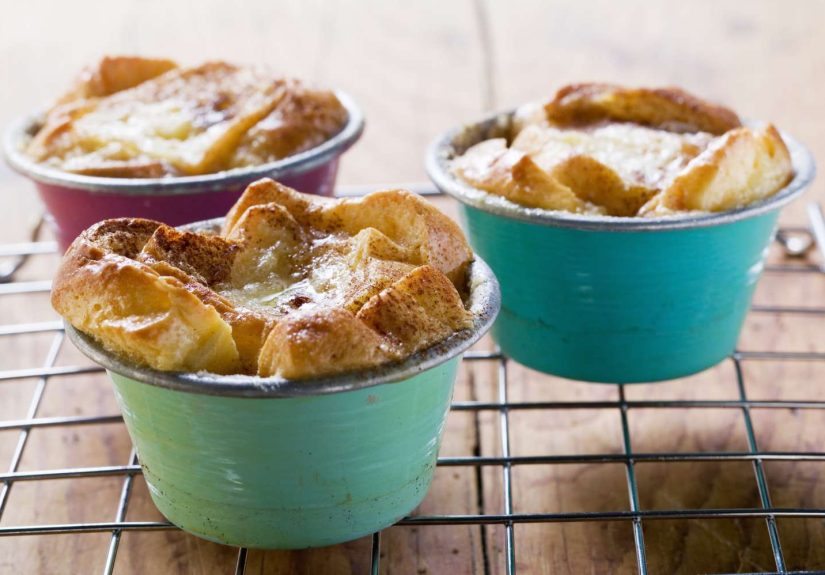
Some desserts whisper politely. Bread pudding does not. It strolls into the room warm, buttery, fragrant with vanilla and brown sugar, then casually reminds everyone why old-school comfort desserts never really go out of style. This Individual Bread Pudding With Butterscotch Sauce Recipe takes that cozy classic and gives it a smarter, prettier twist: personal portions, crisp golden tops, custardy centers, and a glossy butterscotch sauce that tastes like caramel’s more charming cousin.
If large casseroles feel a little too “church potluck at 2 p.m.” for your mood, individual ramekins are the answer. They bake evenly, look dinner-party ready, and save you from the awkward moment when somebody “just wants a little” and then cuts a slice the size of a throw pillow. Better still, these mini bread puddings are simple to make, deeply nostalgic, and rich without tipping into heavy-handed sweetness.
This recipe is built for real kitchens and real cravings. It uses everyday ingredients, rewards a little patience, and turns humble bread into a dessert with serious main-character energy. Whether you are planning a holiday menu, a date-night dessert, or just trying to rescue bread that is one more day away from becoming crouton destiny, this recipe deserves a spot in your dessert rotation.
Why This Individual Bread Pudding Recipe Works
The magic of bread pudding is all about contrast. You want the interior soft and creamy, almost like baked custard, while the top gets lightly bronzed and slightly crisp around the edges. Individual portions make that balance easier to achieve because each ramekin has more surface area per serving. In plain English: more golden corners, fewer soggy mysteries.
The bread matters too. Rich breads like brioche or challah add tenderness, but French bread works beautifully if you want a slightly chewier bite. The key is using bread that is stale or lightly dried out. Fresh bread can collapse into mush faster than your weekend plans. Dry bread drinks in the custard like it has something to prove, which gives you better texture and deeper flavor.
The butterscotch sauce is the finishing move. Made with brown sugar, butter, cream, vanilla, and a pinch of salt, it is silky, warm, and just dramatic enough. Drizzle it over the baked puddings and suddenly dessert goes from “homey” to “where has this been all my life?”
Ingredients for Individual Bread Pudding With Butterscotch Sauce
For the bread pudding
- 4 cups cubed day-old brioche, challah, or French bread
- 2 cups half-and-half
- 3 large eggs
- 1/2 cup packed light brown sugar
- 2 tablespoons unsalted butter, melted
- 1 tablespoon pure vanilla extract
- 1/2 teaspoon ground cinnamon
- 1/4 teaspoon ground nutmeg
- 1/4 teaspoon kosher salt
- 1/3 cup raisins or chopped pecans, optional
- Softened butter for greasing ramekins
For the butterscotch sauce
- 4 tablespoons unsalted butter
- 3/4 cup packed dark brown sugar
- 1/2 cup heavy cream
- 1 teaspoon pure vanilla extract
- Pinch of kosher salt
Optional for serving
- Lightly whipped cream
- Vanilla ice cream
- Toasted pecans
- A tiny pinch of flaky salt
This recipe makes about 6 individual bread puddings, depending on the size of your ramekins. Six-ounce ramekins are ideal. They are large enough to feel generous and small enough to keep everyone from lying on the couch afterward wondering why dessert was a full-contact sport.
How to Make Individual Bread Pudding With Butterscotch Sauce
1. Prep the bread and ramekins
Preheat your oven to 350°F. Butter 6 ramekins generously and place them on a baking sheet. If your bread is not dry enough, spread the cubes on a sheet pan and toast them in the oven for 8 to 10 minutes until lightly dried, not browned. You are aiming for “ready to soak up custard,” not “future breadcrumbs.”
2. Make the custard
In a medium bowl, whisk together the eggs, half-and-half, brown sugar, melted butter, vanilla, cinnamon, nutmeg, and salt until smooth. The brown sugar may look slightly grainy at first, but keep whisking and it will settle down. This is the flavor base, so do not rush it.
3. Soak the bread
Place the bread cubes in a large bowl and pour the custard mixture over them. Add raisins or pecans if using. Toss gently until the bread is evenly coated, then let the mixture sit for 20 to 30 minutes. This soaking step is where good bread pudding becomes great bread pudding. The bread absorbs the custard, softens in the center, and develops that signature creamy texture that makes people close their eyes after the first bite.
4. Fill the ramekins
Spoon the soaked bread mixture evenly into the prepared ramekins. Press lightly so the bread settles, but do not mash it into submission. Pour any remaining custard over the tops so each ramekin gets its fair share of liquid gold.
5. Bake until puffed and golden
Bake for 25 to 35 minutes, depending on your ramekin size and oven temperament. The puddings should look puffed, lightly golden, and set around the edges, with the centers still slightly soft but not wet. A knife inserted near the center should come out mostly clean. Let them cool for 10 to 15 minutes before serving. Warm is best. Lava-hot is a trap.
6. Make the butterscotch sauce
While the puddings bake, melt the butter in a small saucepan over medium heat. Stir in the brown sugar, heavy cream, vanilla, and salt. Bring the mixture to a gentle simmer and cook for 3 to 5 minutes, stirring often, until smooth and slightly thickened. Remove from the heat and let it stand for a few minutes. It will thicken more as it cools.
7. Serve like you mean it
Place each bread pudding on a plate or serve straight from the ramekin. Spoon warm butterscotch sauce generously over the top. Add whipped cream, ice cream, toasted pecans, or all of the above if you are committed to living well.
Flavor, Texture, and Smart Ingredient Notes
Brown sugar is doing double duty here. In the pudding itself, it adds gentle molasses notes that make the custard feel warmer and deeper than plain granulated sugar. In the sauce, it becomes the soul of that butterscotch flavor. Vanilla softens everything, cinnamon adds cozy bakery aroma, and nutmeg gives the kind of quiet support that makes people say, “What is that? It tastes amazing,” without quite knowing why.
The half-and-half keeps the custard rich without tipping into overkill. Heavy cream in the sauce is non-negotiable if you want the texture to be smooth and luxurious. A pinch of salt matters more than it seems. Without it, sweetness can feel flat. With it, the sauce tastes fuller, rounder, and more balanced.
If you want a deeper flavor, use dark brown sugar in the sauce and light brown sugar in the pudding. That combination keeps the dessert layered instead of one-note. If you want more texture, chopped pecans are the easy win. If you want a softer, more classic profile, raisins are traditional and surprisingly excellent here.
Best Bread for Bread Pudding
The best bread for individual bread pudding is bread that can absorb custard without disintegrating. Brioche is rich and tender. Challah is fluffy, slightly eggy, and beautifully absorbent. French bread gives you a firmer structure and a little more chew. Croissants can work too, though they make the pudding more delicate and buttery. In other words, delicious but less tidy. Much like many great life decisions.
Whatever bread you choose, avoid bread that is very fresh. Dry cubes are your friend. You can stale the bread overnight on the counter or dry it in a low oven for a few minutes. That one small step can rescue the entire texture of the finished dessert.
Tips for the Best Butterscotch Bread Pudding
Let the bread soak long enough
If you cut the resting time short, the custard sits on the surface instead of sinking into the bread. That is how you get dry centers and disappointment. Give it at least 20 minutes.
Do not overbake
Bread pudding should be soft and custardy, not dry and firm like a breakfast casserole that lost its way. Pull it when the centers are just set.
Grease the ramekins well
This helps with flavor, cleanup, and that lovely golden edge. Three wins, one swipe of butter.
Serve the sauce warm
Warm butterscotch sauce spreads easily and sinks into the top of the pudding. Cold sauce just sits there like it is waiting for a better invitation.
Balance rich with simple garnishes
Whipped cream, a spoonful of crème fraîche, or a few toasted nuts can make a rich dessert feel more polished and less heavy.
Easy Variations to Try
You can keep this recipe classic or nudge it in a few fun directions. Add chopped apples sautéed in butter for an autumn version. Stir in mini chocolate chips if you want the dessert equivalent of a wink. Add a tablespoon of bourbon to the sauce for a grown-up spin. Swap pecans for walnuts, or use dried cranberries instead of raisins for a brighter flavor. You can even add orange zest to the custard if you want the whole dessert to feel a little more festive and a little less Sunday-afternoon sleepy.
How to Store and Reheat
Store cooled bread puddings covered in the refrigerator for up to 3 days. Store the butterscotch sauce separately in a jar or airtight container. Reheat the puddings in a 300°F oven until warmed through, or use the microwave in short bursts if patience is not your strongest trait. Warm the sauce gently on the stove or in the microwave before serving.
This dessert is best the day it is made, but leftovers are still wonderful. In fact, cold bread pudding eaten from the ramekin while standing at the refrigerator has a surprisingly strong fan base.
What It Is Actually Like to Make and Serve This Dessert
There is a particular kind of satisfaction that comes from making individual bread pudding with butterscotch sauce. It starts before the first bite. It starts when the bread begins soaking and the kitchen smells like vanilla, warm spice, and a future good decision. Then the ramekins go into the oven and suddenly the whole room feels friendlier. Not cleaner, necessarily. But friendlier.
One of the best things about this dessert is how forgiving it feels in real life. You do not need perfect knife skills, advanced pastry training, or a dramatic monologue about tempering sugar. You cut bread, whisk custard, pour, wait, and bake. The process feels cozy instead of stressful, which is rare in dessert territory. Some sweets behave like they expect applause for existing. Bread pudding is more grounded. It shows up, does the job, and still gets the applause.
Serving it in individual ramekins changes the entire experience. People light up when they get their own dessert. It feels thoughtful, a little restaurant-like, and just fancy enough to make dinner feel like an occasion. At holidays, these little puddings solve the classic dessert-table problem of sloppy scooping and collapsing corners. At smaller dinners, they make guests feel looked after. At ordinary Tuesday-night meals, they make everyone wonder whether Tuesday has been quietly underachieving.
The sauce is what pushes the experience over the top. Warm butterscotch has that glossy, golden look that makes people hover near the stove “just to see how it is coming along.” Then you spoon it over the puddings and it runs into every craggy corner of the top like it was born for the job. The first bite usually gets a pause. Not a polite pause. A real pause. The kind where conversation stops for a second because everyone is busy processing butter, brown sugar, custard, and joy.
Texture is a huge part of why this dessert feels so memorable. The top has a little resistance, the middle is soft and creamy, and the sauce adds silkiness without making the whole thing overly sweet. That balance is what makes people go back for another spoonful even after insisting they were full. Bread pudding is sneaky like that. It looks humble. Then it completely takes over dessert.
There is also something deeply practical and satisfying about turning leftover bread into a dessert people genuinely get excited about. It feels resourceful, but not in a grim “waste not, want not” way. More in a “look at us, turning scraps into luxury” way. It is the culinary version of finding money in an old coat pocket, except warmer and covered in butterscotch.
And perhaps that is why this dessert has lasted so long in American kitchens. It is comforting without being boring, elegant without being fussy, and nostalgic without tasting dated. Individual bread puddings make that tradition feel fresh again. They are easy enough for casual baking, special enough for company, and flexible enough to fit whatever bread is hanging around your kitchen waiting to be transformed.
So yes, this recipe is about flavor. It is also about mood. It is about warm ramekins on small plates, a spoon tapping against the side, and the tiny thrill of seeing sauce spill over the edge in the best possible way. It is about the smell of butter and brown sugar drifting through the house and making everybody suddenly very interested in dessert. And it is about discovering, once again, that some of the best recipes are not flashy at all. They are just incredibly good at making people happy.
Final Thoughts
If you want a dessert that feels classic, comforting, and just polished enough to impress, this Individual Bread Pudding With Butterscotch Sauce Recipe delivers. It is rich but balanced, simple but special, and easy to adapt for holidays, dinner parties, or ordinary nights when plain dessert simply will not do. Make it once, and there is a very good chance it will become your official answer to leftover bread, cold weather, and the phrase “I need something amazing but not annoying to make.”