Table of Contents >> Show >> Hide
- Step 1: Choose the Right Shade of Gray for Your Look
- Step 2: Treat Gray Like a Neutral, Not a Main Event
- Step 3: Try a Monochrome Gray Outfit, but Mix the Tones
- Step 4: Use Texture to Keep Gray From Looking Flat
- Step 5: Get the Proportions Right
- Step 6: Build Outfits Around Gray Staples
- Step 7: Let Your Shoes and Accessories Do Some Work
- Step 8: Match Gray to the Occasion
- Common Mistakes to Avoid When Wearing Gray
- Final Thoughts
- Experiences With Wearing Gray in Real Life
- SEO Tags
Gray gets a strange reputation in fashion. People act like it’s the emotional-support color of cloudy Mondays, tax season, and office carpeting. But that’s a terrible misunderstanding. When styled well, gray is elegant, modern, flexible, and quietly expensive-looking. It can read polished like tailored wool, relaxed like faded denim, sporty like a heather sweatshirt, or sleek like a monochrome evening outfit. In other words, gray is not boring. It is the calm, cool friend in your closet who somehow works with everyone.
If you have ever bought a gray sweater, gray blazer, or gray jeans and then wondered why the outfit felt a little flat, the issue probably was not the color itself. The problem was how the pieces were combined. Gray looks best when you pay attention to tone, texture, shape, and contrast. Once you understand those basics, this so-called “safe neutral” becomes one of the most stylish tools you own.
Here is your no-fuss, real-world guide to wearing gray with confidence. These eight steps will help you style gray for work, weekends, date nights, casual outfits, and those mornings when your brain is still loading.
Step 1: Choose the Right Shade of Gray for Your Look
Not all gray is created equal. Light heather gray feels relaxed and easy. Mid-tone gray is versatile and balanced. Charcoal gray feels sharper, dressier, and a little more dramatic. If you start with the wrong shade, the whole outfit can feel slightly off even when the pieces are technically “fine.”
How to use each shade well
- Light gray: Great for T-shirts, sweats, cardigans, spring knits, and casual tailoring.
- Medium gray: The all-purpose MVP for trousers, crewnecks, dresses, and blazers.
- Charcoal: Best for coats, suits, wool pants, evening outfits, and polished office looks.
If you have cool undertones, steel gray and blue-gray can look especially crisp. If you prefer warmer styling, try mushroom gray, taupe-gray, or soft gray pieces paired with brown, cream, or burgundy. The simplest way to start is to pick one gray item that matches your lifestyle. A charcoal blazer for work. A light gray sweatshirt for weekends. Gray jeans if you want denim that feels slightly more refined than blue.
Step 2: Treat Gray Like a Neutral, Not a Main Event
The secret to wearing gray well is understanding that it behaves like a neutral. It plays nicely with black, white, navy, cream, brown, burgundy, soft pink, icy blue, forest green, and even richer statement shades like red or yellow. Gray does not need to scream for attention. It makes the rest of your outfit look more intentional.
For beginners, the easiest pairings are the classics:
- Gray + white for a clean, fresh look
- Gray + black for sharp contrast
- Gray + navy for timeless polish
- Gray + brown for warmth and depth
Once you get comfortable, bring in one accent color. A gray sweater with burgundy loafers. Gray trousers with a soft yellow knit. A gray blazer over an orchid or pale blue blouse. Gray is excellent at making an accent color look grown-up instead of chaotic. It is basically the friend who keeps the group chat from turning into total nonsense.
Step 3: Try a Monochrome Gray Outfit, but Mix the Tones
One of the chicest ways to wear gray is head-to-toe. A monochrome gray outfit looks sleek, thoughtful, and modern. It can also make you appear taller because the eye moves smoothly from top to bottom without a strong color break. The trick is to avoid making everything exactly the same shade and fabric.
How to keep a gray-on-gray outfit interesting
- Combine light, medium, and dark gray in one outfit.
- Use different materials such as knitwear, wool, denim, satin, or leather.
- Add one polished accessory in black, silver, white, or burgundy.
Example: a light gray crewneck, medium gray trousers, charcoal coat, and silver earrings. Or a gray knit dress, darker gray boots, and a structured slate bag. This looks elevated because it feels layered, not flat. Gray works best when it has dimension. Think less “single paint sample” and more “tastefully moody art gallery wall.”
Step 4: Use Texture to Keep Gray From Looking Flat
Gray has a lot of visual potential, but it needs texture to really shine. If you wear the same gray tone in the same smooth fabric from head to toe, the outfit can fall asleep on the job. Texture wakes it up.
Good gray outfits often mix at least two or three different surfaces. Try a fuzzy sweater with tailored trousers. A wool coat with denim. A cashmere knit with leather boots. A ribbed dress with a structured blazer. A satin skirt with a soft heather sweatshirt. Even subtle texture shifts can make a huge difference.
Smart texture combinations
- Casual: Gray sweatshirt + washed gray jeans + suede sneakers
- Office: Gray blazer + crisp cotton shirt + wool trousers
- Evening: Gray knit top + satin midi skirt + metallic accessories
- Cold weather: Gray turtleneck + leather pants + wool coat
When in doubt, add one “touchable” piece. A brushed coat, chunky knit, suede shoe, or soft scarf can make gray look rich instead of dull. Texture is where gray stops being sensible and starts being stylish.
Step 5: Get the Proportions Right
Color matters, but silhouette matters just as much. Many people blame gray when the real issue is proportion. If a gray outfit feels lifeless, check the shape before you blame the shade.
Gray looks especially good in clean, intentional silhouettes. Wide-leg trousers with a fitted knit. An oversized blazer with straight-leg jeans. A slim gray turtleneck under a relaxed coat. A soft sweatshirt with tailored pants. Mixing structure and ease keeps gray from feeling too corporate or too casual.
Easy formulas that work
- Relaxed top + tailored bottom: gray sweater + pleated trousers
- Tailored top + casual bottom: gray blazer + gray jeans
- Long layer + fitted base: charcoal coat + knit dress + boots
- Boxy piece + streamlined piece: oversized cardigan + slim pants
If you are wearing a full gray outfit, make sure at least one piece has a strong shape. A sharp shoulder, defined waist, wide leg, cropped hem, pointed shoe, or structured bag gives the eye something to focus on. Gray is subtle, so the cut has to do part of the talking.
Step 6: Build Outfits Around Gray Staples
You do not need an entire gray wardrobe to make this color work. In fact, one of the easiest ways to start is by building outfits around a few reliable gray staples. Think of these as your closet’s quiet overachievers.
Best gray pieces to own
- Gray crewneck or T-shirt
- Gray blazer
- Gray knit sweater or cardigan
- Gray jeans
- Gray trousers
- Gray coat
- Gray knit dress or matching set
A gray T-shirt can dress down tailored trousers or layer under a blazer. Gray jeans are great if blue denim feels too casual and black jeans feel too stark. A gray blazer can be worn with black pants, blue jeans, white trousers, satin skirts, or even a hoodie if you like a smarter street-style look. And a charcoal coat is one of the easiest outerwear upgrades you can buy because it works with almost every color in your wardrobe.
If you prefer a capsule wardrobe, gray is especially useful because it bridges casual and dressy pieces so easily. It can be sporty at noon and polished by dinner with almost no complaining.
Step 7: Let Your Shoes and Accessories Do Some Work
When you wear gray, accessories matter more than people expect. Since gray is understated, your shoes, bag, belt, jewelry, and coat can either sharpen the outfit or drain the life out of it. This is excellent news, because it means a simple outfit can look far more styled with very little effort.
Shoe colors that work especially well with gray
- Black: classic, sleek, and slightly sharper
- Dark brown: warm and sophisticated
- White: clean and modern
- Burgundy: rich and stylish without shouting
- Gray: tonal and fashion-forward
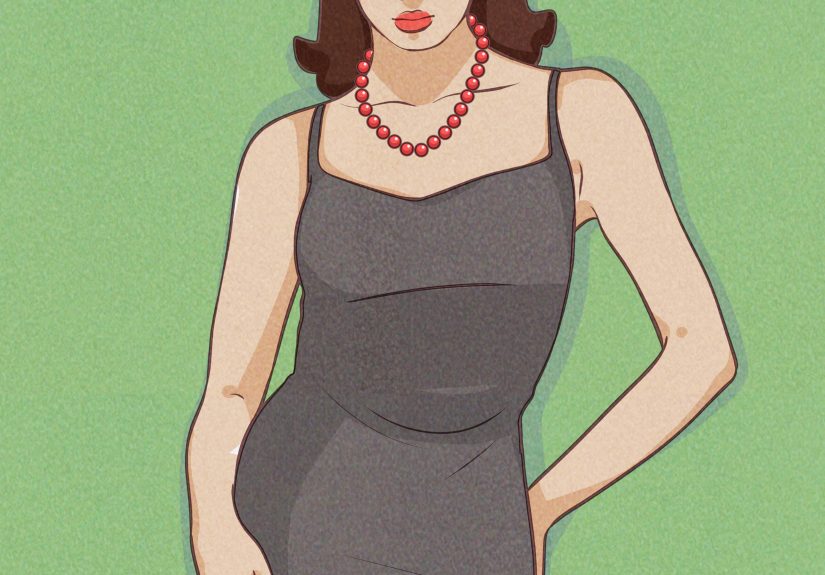
Silver jewelry tends to look especially natural with gray, but gold can work beautifully when you want to add warmth. A brown suede bag can soften a pale gray outfit. A black belt can give structure to a gray dress or oversized blazer. A red lip can make a simple gray knit look intentionally chic. Little details go a long way here.
One of the easiest formulas for beginners is this: keep the clothing mostly neutral, then add one accessory with personality. That might be leopard flats, a burgundy bag, chunky silver earrings, or a sleek watch. Gray is great at making accessories look expensive, even when your budget has very different opinions.
Step 8: Match Gray to the Occasion
Gray is flexible, but the styling should still fit where you are going. The same gray trousers can feel boardroom-ready, brunch-friendly, or date-night appropriate depending on how you style them.
How to wear gray for different settings
For work: Try a gray suit, blazer, or trousers with a white or pale blue shirt, loafers, and a structured bag. Charcoal is especially strong for office settings.
For weekends: Reach for heather gray sweatshirts, gray denim, sneakers, and soft knits. Add one refined piece, like a trench or blazer, so the outfit still looks intentional.
For evening: Choose darker gray, smoother fabrics, and sleeker accessories. A charcoal slip skirt, gray waistcoat, or soft gray suit with pointed shoes works beautifully.
For cold weather: Gray truly shines in layers. Use coats, scarves, knits, tights, and boots to create tonal depth.
For warmer weather: Use lighter gray in breathable fabrics like cotton, linen blends, and lightweight knits. Pair with white, soft brown, or pastel accents for an airy finish.
Once you think in terms of occasion, gray stops feeling vague and starts feeling strategic. It becomes less “What do I do with this?” and more “Perfect, this solves half my outfit.”
Common Mistakes to Avoid When Wearing Gray
- Wearing one flat shade with no contrast: Add depth with texture, accessories, or tonal variation.
- Choosing the wrong undertone: If cool gray washes you out, try warmer gray-brown shades.
- Ignoring fit: Gray can look very polished, but only when the silhouette feels intentional.
- Playing it too safe: Gray loves a pop of burgundy, chocolate brown, red, soft yellow, pink, or blue.
- Using tired basics only: Gray sweats are fine, but gray can also be tailored, elegant, and surprisingly fashion-forward.
Final Thoughts
If you have avoided gray because you thought it might look dull, the good news is that gray was never the problem. Styling was. Gray becomes stylish the moment you give it shape, texture, tonal depth, and one or two smart contrasts. It can be minimalist, cozy, tailored, edgy, elegant, or sporty depending on what you pair it with.
So yes, wear the gray sweater. Buy the gray trousers. Try the gray blazer. Experiment with gray denim. Build a monochrome look. Add burgundy shoes. Throw a camel coat on top. Gray is not the backup singer of your wardrobe. On the right day, it is absolutely the headliner.
Experiences With Wearing Gray in Real Life
One of the most interesting things about learning how to wear gray is that people usually begin with low expectations. They assume gray is practical, maybe a little polished, maybe a little plain. Then they actually start wearing it and realize it behaves more like a styling shortcut than a “safe” color. A person who struggles to build outfits in the morning often finds that gray makes the process easier. A light gray sweatshirt works with black leggings, blue jeans, white sneakers, or tailored trousers. A charcoal coat makes rushed outfits look intentional. A medium-gray knit can calm down louder pieces that felt hard to style before. Gray quietly fixes problems.
Another common experience is discovering that gray makes clothing look more expensive than it really is. A simple T-shirt in gray often appears more refined than the same shirt in a bright color. The same thing happens with trousers, knit dresses, and even sneakers. Gray has a way of highlighting shape and texture, so a basic outfit can suddenly feel deliberate. Many people notice this most when they try a monochrome gray look for the first time. They expect to feel underdressed, but instead they feel pulled together. The outfit looks clean, calm, and subtly confident.
People also learn pretty quickly that not every gray piece behaves the same way. Heather gray reads relaxed. Charcoal reads stronger and dressier. Washed gray denim feels cool in a way that blue denim does not always manage. That experience helps people shop better, too. Instead of buying random gray items, they begin choosing specific gray pieces for specific purposes: a soft gray hoodie for weekends, charcoal trousers for work, a pale gray cardigan for layering, or a structured blazer to sharpen casual outfits.
There is also a confidence factor. Bright colors can feel fun, but they can also feel risky on days when you do not want your clothes to do all the talking. Gray often becomes the answer for those moments. It feels stylish without feeling loud. It feels polished without feeling stiff. For many people, that balance is exactly what they want from everyday clothes. They still look put together, but they do not feel like they are wearing a costume.
Perhaps the most relatable experience of all is realizing gray is far more versatile across seasons than expected. In fall and winter, it looks rich in wool, cashmere, suede, and leather. In spring, it works with white denim, pastel accents, and lightweight knits. Even in summer, pale gray can feel crisp and modern in a tank, T-shirt dress, or loose trouser. Over time, gray stops being the color you wear only when nothing else makes sense. It becomes the color you reach for because it almost always does.