Table of Contents >> Show >> Hide
- What Is a Back Spasm?
- Common Causes of Back Spasms
- How to Treat a Back Spasm at Home
- When to See a Doctor for a Back Spasm
- Medical Treatments That May Help
- Back Spasm Prevention: How to Keep Your Back From Throwing a Tantrum
- Best Sleeping Positions for Back Spasm Relief
- What Not to Do During a Back Spasm
- Experience Section: Real-Life Lessons From Treating a Back Spasm
- Conclusion
- SEO Tags
A back spasm has a flair for drama. One minute you are bending to pick up a sock, twisting out of the car, or bravely reaching for the “just one more” grocery bag. The next minute, your back locks up like it has filed a formal complaint with management. Back spasms can feel sharp, tight, pulsing, or cramp-like, and they often make normal movementsstanding, walking, sitting, coughing, laughing at your own bad luckfeel surprisingly difficult.
The good news: many back spasms improve with simple at-home care, gentle movement, and prevention habits that keep your muscles from staging another rebellion. The not-so-good news: some spasms are a sign that something more serious may be going on, especially when pain comes with weakness, numbness, fever, injury, or bladder and bowel changes. Knowing the difference matters.
Note: This article is for general educational purposes and is not a substitute for medical diagnosis or treatment. If symptoms are severe, unusual, or worsening, consult a qualified healthcare professional.
What Is a Back Spasm?
A back spasm is an involuntary tightening or contraction of the muscles in the back. It may happen suddenly or build gradually after overuse. The muscle may feel hard, knotted, or “grabby,” as if it is trying to protect the area by refusing to let you move. While that protective instinct is well-meaning, it is about as helpful as a smoke alarm that keeps screaming after the toast is already out of the toaster.
Back spasms most often affect the lower back because the lumbar spine handles a lot of daily workload: lifting, bending, twisting, sitting, walking, and keeping you upright while you pretend your posture is better than it is. However, spasms can also occur in the middle or upper back, especially after poor posture, muscle strain, stress, or repetitive motion.
Common Causes of Back Spasms
Back spasms are usually linked to irritated or overworked muscles, but the trigger can vary from person to person. Understanding the cause helps you treat the current flare-up and reduce the chance of another one.
Muscle Strain
A strain happens when muscle fibers are overstretched or mildly torn. This may occur after lifting something heavy, exercising without warming up, twisting awkwardly, or doing a weekend warrior project your body was not invited to vote on. Strains are among the most common reasons for sudden lower back spasms.
Poor Posture and Prolonged Sitting
Sitting for long periods can tighten hip flexors, weaken core muscles, and place extra stress on the lower back. If your daily posture resembles a shrimp typing an email, your back muscles may eventually protest. Poor workstation setup, unsupported chairs, and long drives can all contribute.
Dehydration and Electrolyte Imbalance
Muscles need fluid and minerals such as sodium, potassium, magnesium, and calcium to contract and relax properly. Dehydration may make cramps and spasms more likely, especially after sweating, intense exercise, or illness.
Weak Core Muscles
Your core includes more than the visible abdominal muscles. It also includes deep stabilizing muscles around the spine, hips, and pelvis. When these muscles are weak or poorly coordinated, the back may take on extra work. Eventually, it can tighten up like an overworked employee who has not had a vacation since 2018.
Underlying Spine or Nerve Problems
Sometimes spasms occur alongside disc irritation, arthritis, spinal stenosis, sciatica, or nerve compression. In these cases, the spasm may be part of the body’s response to pain or instability. Pain that travels down the leg, causes numbness, or leads to weakness deserves medical evaluation.
How to Treat a Back Spasm at Home
The first goal is not to become a yoga instructor overnight. The first goal is to calm the irritated muscle, reduce pain, and restore comfortable movement gradually. Here is a practical step-by-step approach.
Step 1: Stop the Triggering Activity
If the spasm started while lifting, exercising, cleaning, or twisting, pause immediately. Do not try to “push through” sharp back pain. Your back is not impressed by motivational speeches during a spasm. Move slowly into a position that feels safer, such as lying on your side with a pillow between your knees or lying on your back with knees bent and supported.
Step 2: Use Ice for a New Injury
For a fresh strain or sudden flare-up, cold therapy may help reduce pain and calm inflammation. Wrap an ice pack or bag of frozen vegetables in a towel and apply it for about 15 to 20 minutes at a time. Avoid placing ice directly on the skin. You can repeat this several times per day during the first day or two, especially if the area feels hot, swollen, or sharply painful.
Step 3: Switch to Heat for Tightness
After the first 24 to 72 hours, or when the pain feels more tight than inflamed, heat may be more soothing. A heating pad, warm shower, or warm bath can relax tense muscles and increase blood flow. Use heat for 15 to 20 minutes at a time, and keep the temperature comfortable. Falling asleep on a heating pad is not a recovery strategy; it is a recipe for a skin burn and a very awkward explanation.
Step 4: Keep Moving Gently
Short rest can help during the worst pain, but prolonged bed rest often makes back stiffness worse. Gentle movement helps circulation, reduces guarding, and teaches the nervous system that movement is safe again. Start with slow walking around the room or hallway. If walking increases pain sharply, reduce the distance and try again later.
Step 5: Consider Over-the-Counter Pain Relief
Nonsteroidal anti-inflammatory drugs, such as ibuprofen or naproxen, may help reduce pain and inflammation for some people. Acetaminophen may help with pain, though it does not treat inflammation. Always follow label directions. Avoid NSAIDs unless your healthcare provider says they are safe if you have kidney disease, stomach ulcers, bleeding risk, are taking blood thinners, have certain heart conditions, or are pregnant. Avoid excessive acetaminophen because too much can harm the liver.
Step 6: Try Gentle Stretches
Once severe pain has eased, gentle stretching can help relax the area. Move slowly and stop if pain becomes sharp, electric, or radiates down the leg. Helpful options may include:
- Knee-to-chest stretch: Lie on your back and gently bring one knee toward your chest. Hold for 15 to 30 seconds, then switch sides.
- Pelvic tilt: Lie on your back with knees bent. Gently flatten your lower back toward the floor, hold briefly, and release.
- Cat-cow stretch: On hands and knees, slowly round your back upward, then gently arch it downward within a comfortable range.
- Child’s pose: Kneel and sit back toward your heels while reaching your arms forward, if this feels comfortable.
The key word is gentle. If your stretch looks like a competitive event, your back may send another memo.
When to See a Doctor for a Back Spasm
Most simple back spasms improve over days to a few weeks. However, some symptoms should not be managed with a heating pad and optimism alone. Seek urgent medical care if back pain or spasms occur with:
- Loss of bladder or bowel control
- Numbness in the groin or saddle area
- Weakness, numbness, or tingling in one or both legs
- Pain after a fall, car crash, or major injury
- Fever, chills, or unexplained illness
- Unexplained weight loss
- Severe pain that does not improve with rest
- Pain that wakes you at night or is worse when lying down
- Back pain with a history of cancer, osteoporosis, infection risk, or long-term steroid use
You should also contact a healthcare provider if the spasm does not improve after about a week of home care, keeps returning, or interferes with work, sleep, or normal daily activities.
Medical Treatments That May Help
If home treatment is not enough, a clinician may recommend additional care based on your symptoms, health history, and physical exam. Imaging such as X-rays or MRI is not always needed for a simple back spasm, but it may be used when red flags, nerve symptoms, trauma, or persistent pain are present.
Physical Therapy
Physical therapy is one of the most useful long-term tools for recurring back spasms. A physical therapist can evaluate movement patterns, muscle weakness, joint stiffness, and posture habits. Treatment may include mobility exercises, core strengthening, manual therapy, and a home exercise plan. The goal is not just pain relief; it is teaching your back that everyday movement is not an emergency.
Prescription Muscle Relaxers
For severe spasms, a healthcare provider may prescribe a short course of muscle relaxers. These medications can reduce painful muscle tightening, but they may cause sleepiness, dizziness, or slowed reaction time. They are generally not a long-term solution and should not be mixed with alcohol or used before driving unless a clinician says it is safe.
Massage, Acupuncture, or Spinal Manipulation
Some people find relief from massage, acupuncture, or spinal manipulation, especially when these are used as part of a broader plan that includes exercise and activity. These approaches may help reduce muscle tension and improve comfort, but results vary. Choose licensed professionals and avoid aggressive treatment during severe acute pain.
Back Spasm Prevention: How to Keep Your Back From Throwing a Tantrum
Once the spasm improves, prevention becomes the main mission. The best strategy is not one magic stretch or one fancy ergonomic chair. It is a combination of habits that reduce strain and improve resilience.
Build a Stronger Core
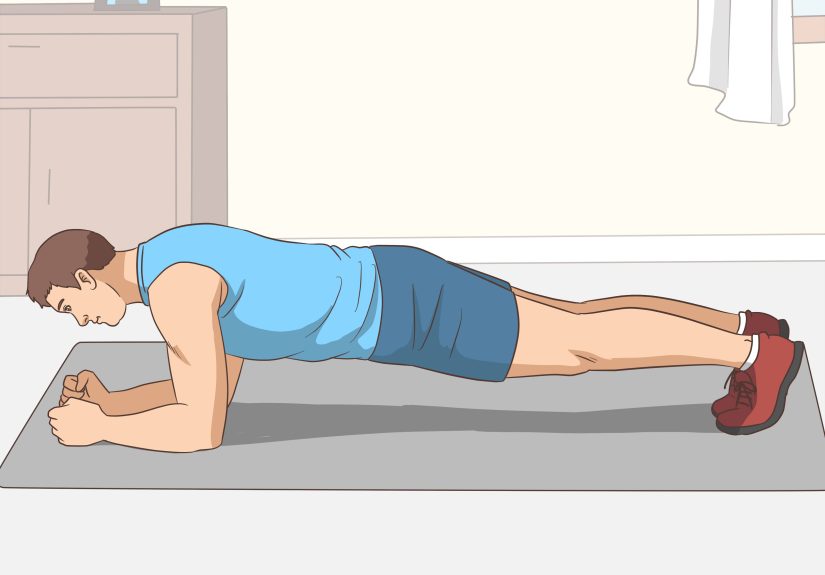
Core strength supports the spine and reduces the workload on the lower back. Start with beginner-friendly exercises such as pelvic tilts, dead bugs, bird dogs, side planks, and bridges. Focus on control, not speed. Two or three short sessions per week can make a meaningful difference over time.
Practice Safer Lifting
When lifting, keep the object close to your body, bend your knees and hips, brace your core, and avoid twisting. Turn your whole body instead of rotating through your lower back. If an item is too heavy, ask for help or use equipment. Your spine does not hand out trophies for solo-moving a couch.
Improve Your Workstation
If you sit for work, adjust your chair so your feet rest flat, your knees are near hip level, and your lower back is supported. Keep your screen at eye level and your keyboard close enough that your shoulders can relax. Stand, walk, or stretch briefly every 30 to 60 minutes.
Warm Up Before Exercise
Cold muscles are less forgiving. Before workouts, yard work, or heavy chores, warm up with five to ten minutes of walking, marching, hip circles, or gentle mobility drills. Save deeper stretching for after the body is warm.
Stay Hydrated and Recover Well
Hydration, sleep, and balanced nutrition support muscle function. If spasms tend to happen after intense sweating, long workouts, or hot weather, pay attention to fluids and electrolytes. Recovery is not laziness; it is maintenance.
Best Sleeping Positions for Back Spasm Relief
Sleep can be tricky during a back spasm. The best position is the one that reduces pain and allows rest. For many people, lying on the side with a pillow between the knees helps keep the spine neutral. Others prefer lying on the back with a pillow under the knees. Stomach sleeping may increase strain for some people, especially if the neck is turned sharply.
A medium-firm mattress often works well for back pain, but comfort matters. If your mattress sags like a hammock with regrets, it may worsen stiffness. You can also try placing a rolled towel under the small of the back or between the knees for support.
What Not to Do During a Back Spasm
Good treatment is partly about avoiding common mistakes. During a back spasm, avoid heavy lifting, sudden twisting, intense exercise, and long periods of complete bed rest. Do not apply extreme heat or ice directly to the skin. Do not take more medication than the label allows. And do not ignore symptoms that suggest nerve problems or a serious medical condition.
Most importantly, do not panic. Pain can make the body feel fragile, but many back spasms are temporary and treatable. Calm, gradual steps usually work better than dramatic ones.
Experience Section: Real-Life Lessons From Treating a Back Spasm
Back spasms have a way of turning ordinary moments into unforgettable life lessons. Many people experience their first serious spasm during something completely unimpressive: tying a shoe, lifting laundry, sneezing, reaching into the trunk, or picking up a child who somehow weighs more when asleep. The pain can feel so sudden that the first thought is, “Did I just break myself?” In many cases, the answer is nobut the fear is real.
One common experience is the instinct to freeze. When a spasm hits, people often stop moving entirely because movement feels risky. That reaction makes sense at first, especially when the pain is sharp. But after the first wave settles, gentle motion usually becomes important. A slow walk to the kitchen, a few careful steps around the room, or changing positions every so often can help the back loosen. The lesson: rest briefly, but do not turn into furniture.
Another lesson is that heat and ice are personal. Some people swear by ice during the first day because it numbs the area and reduces the angry “fresh injury” feeling. Others find that heat relaxes the muscle faster, especially when the back feels locked and stiff. Many people discover that alternating cold and warmth works best. The practical takeaway is to use comfort as a guide while protecting the skin and limiting sessions to reasonable time blocks.
People who deal with recurring spasms often learn that the actual trigger is not always the final movement. The spasm may happen while picking up a pencil, but the setup began days earlier: poor sleep, stress, long sitting, skipped workouts, dehydration, or doing too much too soon. The pencil gets blamed, but the back had been building a case for a while.
A useful real-world prevention habit is the “pause and brace.” Before lifting groceries, moving boxes, or pulling a suitcase, pause for one second, tighten the core gently, bring the object close, and move with the legs. It sounds simple because it is. The hard part is remembering before the back sends a strongly worded message.
Another experience many people share is that recovery is not perfectly linear. The back may feel better in the morning, then tighten again after sitting too long. It may improve with walking but complain after bending. This does not always mean something is wrong; it often means the tissues are still sensitive. Progress may look like fewer spasms, easier movement, better sleep, and less fearnot instant perfection.
Finally, recurring back spasms can be a wake-up call. They encourage better posture, smarter workouts, stronger core muscles, and more respect for recovery. Nobody enjoys a back spasm, but many people come out of the experience with better body awareness. In that sense, the spasm is a rude teacherbut occasionally, a useful one.
Conclusion
Back spasms can be painful, frustrating, and deeply inconvenient, especially when they appear during the least heroic activity imaginable. Fortunately, many cases improve with simple steps: stop the triggering activity, use ice or heat wisely, keep moving gently, consider safe over-the-counter pain relief, and stretch only within a comfortable range.
Prevention is where the real power lives. Stronger core muscles, better lifting habits, improved posture, hydration, warm-ups, and regular movement can lower the chance of future spasms. And while most back spasms are not dangerous, red-flag symptoms such as weakness, numbness, fever, trauma, unexplained weight loss, or bladder and bowel changes should be evaluated right away.
Your back does a lot for you every day. Treat it like a hardworking teammate, not a storage shelf, folding chair, and crane all in one. With the right care, most spasms calm downand with better habits, they may become far less likely to return.