Table of Contents >> Show >> Hide
- Why Frosting Gets Too Thin in the First Place
- 13 Quick & Easy Icing Fixes
- 1. Add Sifted Powdered Sugar
- 2. Add Cornstarch for a Low-Liquid Thickener
- 3. Use Cocoa Powder for Chocolate Frosting
- 4. Chill the Frosting for 10 to 30 Minutes
- 5. Re-Whip After Chilling
- 6. Let It Rest for a Few Minutes
- 7. Add Meringue Powder for Royal Icing
- 8. Make a Small Side Batch of Stiff Buttercream
- 9. Fix Cream Cheese Frosting the Right Way
- 10. Stabilize Whipped Frosting
- 11. Cool Ganache Until It Thickens
- 12. Cook It Longer for Custard-Style or Cooked Frostings
- 13. Cool the Room and Watch the Humidity
- Best Thickening Fix by Frosting Type
- Common Mistakes That Make Frosting Thin
- What I Learned From Real Frosting Disasters
- Conclusion
Every baker has lived through this tiny kitchen tragedy: you make a beautiful batch of frosting, lift the spatula, and instead of fluffy peaks, you get a glossy puddle that slides like it is trying to escape the bowl. The good news is that runny icing is usually not a disaster. It is just a frosting with boundary issues.
Whether you are working with buttercream, cream cheese frosting, royal icing, ganache, whipped frosting, or a simple glaze, there is almost always a way to bring it back to a thicker, spreadable, pipeable consistency. The trick is knowing why it turned thin in the first place. Too much liquid, butter that got too warm, humidity in the kitchen, over-softened cream cheese, or simply not giving the frosting enough time to cool can all turn a dreamy topping into a drippy mess.
This guide breaks down exactly how to thicken frosting using 13 quick and easy icing fixes, plus tips on choosing the right solution for the type of frosting in your bowl. Because not every frosting needs the same rescue plan, and dumping in a mountain of powdered sugar is not always the baking equivalent of wisdom.
Why Frosting Gets Too Thin in the First Place
Before you fix runny frosting, it helps to know what went wrong. Most thin frosting problems come down to one of five causes: too much liquid, ingredients that are too warm, not enough dry structure, humidity, or using the wrong ingredients for that frosting style. For example, cream cheese frosting can turn loose if you use spreadable tub cream cheese instead of full-fat block cream cheese. Buttercream often gets soft if the butter is overly warm or the kitchen feels like a sauna. Glaze and royal icing usually go runny because too much water, milk, lemon juice, or extract got added too fast.
Once you know the cause, the fix becomes much easier. Think of it like diagnosing a cake emergency with less panic and more powdered sugar.
13 Quick & Easy Icing Fixes
1. Add Sifted Powdered Sugar
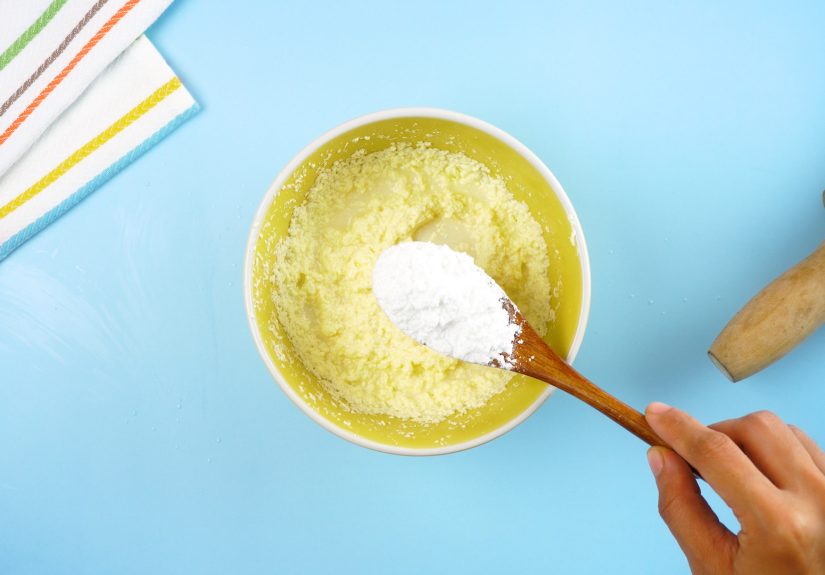
This is the classic fix for a reason. Powdered sugar adds sweetness, structure, and thickness fast, especially for American buttercream, cream cheese frosting, and simple icing. Add it in small amounts, usually 1 tablespoon at a time, then beat well before adding more. Sifting matters because clumps can create a lumpy frosting that looks like it lost a fight with a snowstorm.
This method works best when your frosting is only a little too loose. If it is wildly runny, keep reading. That bowl may need more than a sugar pep talk.
2. Add Cornstarch for a Low-Liquid Thickener
If you want to thicken frosting without making it dramatically sweeter, cornstarch is a smart move. It works especially well in royal icing and powdered sugar-based icing. Start with a small amount, such as 1 teaspoon at a time, and mix thoroughly. Cornstarch helps absorb extra moisture while keeping the icing from becoming tooth-achingly sweet.
This is especially useful when you already like the flavor balance and just need more body. Think of it as the quiet overachiever of frosting rescue tools.
3. Use Cocoa Powder for Chocolate Frosting
If you are thickening chocolate frosting, do not reach for plain powdered sugar first unless you want to dilute the chocolate flavor. Unsweetened cocoa powder adds dry structure and deepens the cocoa taste at the same time. Add a little at a time, mix well, and test the texture.
This is ideal for chocolate buttercream, mocha icing, and some fudge-style frostings. If your chocolate frosting became thin after adding coffee, melted chocolate, or too much cream, cocoa powder often brings it back into line without turning it into vanilla frosting wearing a brown coat.
4. Chill the Frosting for 10 to 30 Minutes
Sometimes the best fix is not adding anything at all. If the frosting got thin because the butter, cream cheese, or whipped cream became too warm, refrigerating it briefly can work wonders. Chill it for 10 to 30 minutes, then stir or re-whip and check the consistency again.
This method is especially helpful for buttercream, cream cheese frosting, and ganache. It is also the fix that makes you feel both patient and superior, which is a rare emotional combo in baking.
5. Re-Whip After Chilling
Chilling alone can make frosting firmer, but re-whipping after chilling usually gives you the best texture. Once the frosting has cooled slightly, beat it again until it becomes smooth, fluffy, and spreadable. This is especially effective for buttercream that looks soft, curdled, or slightly broken.
Why does this work? Temperature affects how fat and sugar hold air. A quick chill resets the structure, and re-whipping helps the frosting come back together. In short, your frosting did not fail. It just needed a nap and a motivational speech.
6. Let It Rest for a Few Minutes
Not every thin icing is truly too thin. Some need a few minutes to hydrate, settle, and thicken naturally. This is particularly true for powdered sugar icing, glaze, and royal icing. Let the bowl sit for 5 to 10 minutes, then stir and reassess before adding more ingredients.
This simple pause can save you from over-correcting. Many bakers keep adding sugar too quickly, only to end up with frosting so thick it could patch drywall.
7. Add Meringue Powder for Royal Icing
If your royal icing is too loose for outlining cookies or piping details, meringue powder can help strengthen and stabilize it. Add a small amount, mix on low speed, and test the consistency. It can give thin icing more body without forcing you to add a huge amount of extra sugar.
This is a great fix for sugar cookie decorators who need icing that holds shape instead of slowly wandering across the cookie like a sleepy snail.
8. Make a Small Side Batch of Stiff Buttercream
If your buttercream is far too soft and you do not want to keep dumping in powdered sugar, make a tiny side batch of very stiff buttercream with butter and powdered sugar, then beat that into the loose frosting. This improves structure while keeping the flavor and mouthfeel more balanced.
This method is especially useful when you are frosting a layer cake and want stability without turning the whole batch overly sweet. It is the smarter cousin of blindly adding sugar until your mixer looks worried.
9. Fix Cream Cheese Frosting the Right Way
Cream cheese frosting is delicious, but it is also dramatic. If it gets runny, chill it first. Then add a small amount of powdered sugar if needed. If the problem started because you used whipped or spreadable cream cheese from a tub, that may be the real culprit. Full-fat block cream cheese creates a much thicker, more reliable frosting.
This matters for carrot cake, red velvet cake, cinnamon rolls, and cupcakes where you want soft swirls that hold, not frosting that slowly migrates off the dessert like it paid no rent.
10. Stabilize Whipped Frosting
Whipped cream frosting needs a different strategy because it can collapse rather than merely thin out. Stabilizers such as cornstarch, gelatin, mascarpone, or similar ingredients help it hold peaks longer. If your whipped frosting is too soft, chill it and whip again gently, or stabilize it before piping.
This is the best move for chantilly frosting, whipped toppings, and lighter cake finishes. If you are taking a cake to a party, stabilized whipped frosting is the difference between elegant swirls and dessert soup.
11. Cool Ganache Until It Thickens
Ganache changes texture as it cools. Warm ganache is thin and pourable; cooler ganache becomes thicker and spreadable. If your ganache is too loose for frosting a cake, let it sit at room temperature a bit longer or chill it briefly, stirring now and then so it thickens evenly.
This is important for drip cakes, chocolate fillings, and whipped ganache frosting. A lot of people think ganache is broken when it is actually just warm and minding its own business.
12. Cook It Longer for Custard-Style or Cooked Frostings
Some frostings, such as ermine frosting, coconut-pecan frosting, caramel-style frosting, or pudding-based frosting, need enough stove time to build thickness. If the mixture is still loose, it may simply not be cooked far enough yet. Continue cooking gently until it reaches the right texture, then cool fully before frosting your cake.
This fix is not for buttercream or royal icing, but it is absolutely the right move for cooked frosting styles. In these cases, patience is not just a virtue. It is an ingredient.
13. Cool the Room and Watch the Humidity
Sometimes the problem is not the recipe. It is the weather. Heat and humidity can soften buttercream, loosen piped decorations, and make frosting behave like it wants a beach vacation instead of a cake stand. Move the bowl to a cooler room, chill the frosting briefly, and avoid adding too much liquid when the air is humid.
If you are decorating in summer, work in shorter sessions and refrigerate as needed. Frosting has feelings about the climate, and those feelings are usually unhelpful.
Best Thickening Fix by Frosting Type
American Buttercream
Start with powdered sugar, then chill and re-whip if needed. If the frosting is still too soft, a small side batch of stiff buttercream can improve structure without making the main batch overly sweet.
Cream Cheese Frosting
Chill first, then add a little powdered sugar. Use full-fat block cream cheese, and avoid over-softening the ingredients before mixing.
Royal Icing
Add powdered sugar, cornstarch, or meringue powder in small amounts. Mix on low speed so you do not whip in a bunch of bubbles that make decorating more annoying than fun.
Whipped Cream Frosting
Use stabilizers, chill, and re-whip gently. Do not expect plain whipped cream to behave like stiff buttercream. That is like asking a cloud to become a brick.
Ganache
Let it cool. That is the secret. Warm ganache is a glaze; cooled ganache is a frosting.
Simple Glaze or Powdered Sugar Icing
Add more powdered sugar or a bit of cornstarch, then let it rest. These icings can go from perfect to puddle with one enthusiastic splash of milk.
Common Mistakes That Make Frosting Thin
- Adding milk, cream, juice, or extract too quickly
- Using melted butter instead of softened butter
- Decorating a cake before it is fully cooled
- Using tub cream cheese instead of block cream cheese
- Ignoring heat and humidity
- Over-thinning glaze or royal icing all at once
- Trying to make every frosting pipeable, even when it is meant to drizzle
The last point matters more than people think. A thin glaze is not a failure if it is supposed to pour over a Bundt cake. A soft ganache is not wrong if it is meant to drip. The real goal is not making every frosting thick. It is making it the right consistency for the job.
What I Learned From Real Frosting Disasters
The first time I tried to fix runny frosting, I attacked the bowl like a person who had never met moderation. I added powdered sugar by the scoop, not the tablespoon, and watched my silky buttercream turn into something suspiciously close to sweet spackle. It spread, technically, but only in the same way cold peanut butter spreads when you are already late and holding a bent knife. That was the day I learned the most important frosting rule of all: small adjustments save desserts, while big dramatic ones create edible life lessons.
Another unforgettable episode involved cream cheese frosting for a carrot cake. The cake layers were perfect, the kitchen smelled amazing, and I was feeling wildly confident. Then I added softened cream cheese that had become a little too soft, plus a splash too much vanilla, and suddenly the frosting looked more like dip than decoration. A short chill in the refrigerator helped, and a small addition of powdered sugar brought it back. Since then, I treat cream cheese frosting like a charming but unpredictable houseguest. Lovely to have around, but you do not leave it unattended in a warm room.
Royal icing taught me a different lesson: not every fix needs more ingredients. Sometimes it just needs less impatience. I once thinned a batch for cookie flooding, panicked because it looked too loose, and started adding sugar right away. Five minutes later, it had thickened on its own and I had overshot the mark. That batch became too stiff for flooding and too messy for detail work, which is a special kind of annoying. Now I let royal icing rest, stir, and then judge it. Frosting, like people, can look unstable when it simply needs a moment.
Whipped frosting humbled me in the most elegant way possible. I made a beautiful whipped topping for cupcakes, piped generous swirls, and then carried them to a warm room where the whole design slowly relaxed into soft blobs. Nobody complained because they still tasted great, but I knew the truth. Since then, I stabilize whipped frosting when I need it to hold shape, especially for parties, holidays, or anything involving travel. There is a big difference between a casual dessert at home and a cupcake that must survive a car ride with dignity.
My favorite frosting recovery, though, was ganache. I thought I had ruined it because it was too thin to spread on a cake. In reality, it was just warm. I let it cool, stirred it occasionally, and watched it transform from glossy glaze to thick, dreamy frosting. That experience permanently changed how I think about icing fixes. Not every problem is a mistake. Sometimes the frosting is doing exactly what it is supposed to do at that temperature, and the smartest move is to stop poking it and wait.
If there is one takeaway from all these frosting adventures, it is this: good bakers are not people who never make messy bowls. They are people who know how to recover from them. A runny frosting is rarely the end of the dessert. More often, it is just the point where the real baking skill begins.
Conclusion
If you have been wondering how to thicken frosting without ruining the flavor or texture, the answer is simple: match the fix to the frosting. Powdered sugar works beautifully for many buttercreams and basic icing recipes, cornstarch helps when you want structure without too much sweetness, chilling can rescue warm frostings, and type-specific solutions like meringue powder, stabilizers, or extra cooling time make all the difference for royal icing, whipped frosting, and ganache.
The next time your icing looks too thin, do not panic and do not start dumping ingredients into the bowl like you are auditioning for a baking disaster reel. Pause, identify the frosting type, choose the right fix, and make small adjustments. Your cake, cookies, cupcakes, and sanity will all be better for it.