Table of Contents >> Show >> Hide
- Introduction: Turning “Junk” Into Cash Without Losing Your Saturday
- What Is Scrap Metal?
- Step 1: Collect Scrap Metal From Legal and Safe Sources
- Step 2: Sort Your Scrap Before You Sell
- Step 3: Identify High-Value Scrap Metals
- Step 4: Clean and Prepare Scrap Metal for a Better Price
- Step 5: Check Local Scrap Metal Prices
- Step 6: Choose a Reputable Scrap Yard
- Step 7: Load and Transport Scrap Safely
- Step 8: Understand the Scrap Yard Process
- How Scrap Metal Prices Are Calculated
- Common Scrap Metal Mistakes to Avoid
- Best Scrap Metals to Sell for Beginners
- How to Get More Money for Scrap Metal
- Environmental Benefits of Selling Scrap Metal
- Extra Experience: Real-World Lessons for Selling Scrap Metal
- Conclusion: Scrap Metal Selling Is Simple When You Sort Smart
- SEO Tags
Note: Scrap metal prices, accepted materials, payment methods, and identification rules vary by location and by recycling yard. Before loading your truck like you are starring in a low-budget treasure-hunting documentary, call your local scrap yard to confirm today’s prices, hours, minimum weight requirements, and paperwork.
Introduction: Turning “Junk” Into Cash Without Losing Your Saturday
Selling scrap metal is one of those oddly satisfying side hustles where yesterday’s clutter can become today’s gas money, project fund, or “I told you that old copper pipe was useful” victory moment. From broken appliances and aluminum siding to copper wire, brass fixtures, steel shelves, and old car parts, scrap metal has value because it can be recycled, processed, and used again in manufacturing.
But here is the catch: scrap metal is not priced like a yard sale lamp. You do not simply point at a rusty pile and say, “How about twenty bucks and a handshake?” Scrap yards pay based on metal type, weight, grade, cleanliness, demand, and sometimes local regulations. A clean bucket of copper can be worth far more per pound than a truckload of mixed steel. A sorted load can earn more than a mystery heap. And a seller who knows the basics usually walks away with a better payout than someone who dumps everything together and hopes the scale has a generous personality.
This guide explains how to sell scrap metal the smart way: how to identify common metals, sort them, prepare them, find a reputable buyer, understand scrap metal prices, stay safe, and avoid rookie mistakes. Whether you are cleaning out a garage, managing renovation leftovers, or starting a small scrap metal side hustle, the goal is simple: get the best fair price without wasting time, damaging your vehicle, or accidentally bringing something the yard cannot accept.
What Is Scrap Metal?
Scrap metal is any unwanted metal item that can be recycled for its material value. It may come from homes, vehicles, construction sites, workshops, farms, offices, or manufacturing operations. Common examples include copper pipe, aluminum cans, brass plumbing parts, stainless steel sinks, steel beams, old appliances, metal shelving, electric motors, car parts, gutters, wire, tools, and machinery pieces.
Not all scrap is equal. Scrap yards usually divide materials into categories and grades. The cleaner, more clearly identified, and more separated your material is, the easier it is for the yard to processand the better your chance of receiving a stronger payout.
Ferrous Metals vs. Non-Ferrous Metals
The first big distinction is between ferrous and non-ferrous metals.
Ferrous metals contain iron. Steel and cast iron are the most common examples. They are usually magnetic, heavy, and lower in price per pound than many non-ferrous metals. Common ferrous scrap includes steel appliances, bed frames, filing cabinets, car body panels, rebar, iron railings, and old lawn equipment frames.
Non-ferrous metals do not contain iron in the same way and are usually not magnetic. These include copper, aluminum, brass, bronze, lead, zinc, and many grades of stainless steel. Non-ferrous metals often bring higher prices because they are valuable in manufacturing and are usually easier to recycle without losing quality.
The simplest test is the magnet test. If a magnet sticks strongly, you probably have steel or iron. If it does not stick, you may have aluminum, copper, brass, or stainless steel. This test is not perfect, but it is a great first step. A small pocket magnet can become your best scrap-selling friend, right after gloves and common sense.
Step 1: Collect Scrap Metal From Legal and Safe Sources
Start by collecting scrap you legally own or have permission to remove. That may sound obvious, but scrap metal theft is a serious issue in the United States, and many states require scrap dealers to record seller information to help prevent stolen material from entering the recycling stream.
Good sources of scrap metal include garage cleanouts, remodeling leftovers, broken household items, old metal furniture, damaged tools, discarded appliances, aluminum cans, plumbing upgrades, electrical project leftovers, and business cleanouts where you have written permission. Never take metal from construction sites, utility areas, railroad property, vacant buildings, dumpsters, farms, or business lots unless the owner clearly allows it. “It looked abandoned” is not a legal strategy; it is how a side hustle turns into a very awkward conversation.
If you are under 18, check local rules and involve a parent or guardian. Many scrap yards require sellers to be at least 18 and to show a valid government-issued photo ID.
Step 2: Sort Your Scrap Before You Sell
Sorting is where many beginners leave money on the table. If you throw copper, brass, aluminum, and steel into one mixed pile, the yard may pay the lowest mixed rate or downgrade the load because it requires more labor to process. Separating metals at home can help you get paid by category instead of by chaos.
Basic Sorting Categories
For a typical household or small-business scrap load, separate materials into these groups:
- Steel and iron: magnetic items such as shelves, frames, sheet metal, appliances, and rebar.
- Copper: reddish-brown pipe, wire, tubing, and clean copper pieces.
- Brass: yellow-gold plumbing fixtures, valves, fittings, and some decorative hardware.
- Aluminum: lightweight silver metal from cans, siding, gutters, window frames, and lawn furniture.
- Stainless steel: sinks, restaurant equipment, some appliances, and certain fixtures.
- Insulated wire: copper or aluminum wire still covered with plastic insulation.
- Electric motors and sealed units: motors from appliances, tools, pumps, and HVAC equipment.
Use buckets, bins, cardboard boxes, or separate areas of your trailer. Labeling containers may feel excessive until you arrive at the yard and realize “mystery bucket number three” is not a recognized metal grade.
Step 3: Identify High-Value Scrap Metals
Knowing what you have helps you avoid accepting a low mixed price for valuable material. Here are the common metals most sellers should recognize.
Copper
Copper is one of the most valuable common scrap metals. It appears in plumbing pipe, electrical wire, roofing materials, HVAC lines, and some motors. Clean, uncoated copper usually pays more than copper mixed with solder, paint, brass fittings, or heavy corrosion. Scrap yards may separate copper into grades such as bare bright copper wire, #1 copper, and #2 copper.
Example: clean copper pipe without soldered joints or attachments may receive a better grade than pipe with brass valves still attached. Removing obvious attachments can improve value, but do not spend three hours chasing an extra nickel unless the quantity justifies the work.
Brass
Brass is often found in faucets, valves, keys, door hardware, plumbing fittings, and decorative items. It usually looks yellow or gold, though old brass may appear dull or dark. Brass is denser than aluminum and often heavier than beginners expect. If you have brass mixed with steel screws, plastic handles, or rubber washers, remove the easy non-brass parts when practical.
Aluminum
Aluminum is lightweight, non-magnetic, and common in cans, siding, gutters, ladders, window frames, storm doors, patio furniture, and some engine parts. Clean aluminum usually pays better than aluminum with plastic, rubber, steel screws, glass, or insulation attached. Aluminum cans are often purchased separately from other aluminum scrap.
Stainless Steel
Stainless steel may be found in sinks, kitchen equipment, restaurant tables, medical carts, grills, and some hardware. Some stainless steel is weakly magnetic, so the magnet test can be tricky. Stainless is usually heavier than aluminum and often has a cleaner, shinier look. Higher nickel stainless grades may be worth more, but the yard will determine the final grade.
Steel and Iron
Steel and iron are common and useful, but they usually pay less per pound than copper, brass, and aluminum. The advantage is volume. A heavy load of steel appliances, shelving, frames, and machinery parts can still be worth a trip if the weight is significant and the yard is nearby.
Step 4: Clean and Prepare Scrap Metal for a Better Price
“Clean” scrap does not mean you polished it until it can see its reflection and question its life choices. In scrap-yard language, clean usually means the metal is separated from other materials. Clean aluminum should not have steel brackets attached. Clean copper should not be mixed with brass fittings. Clean brass should not include plastic handles and rubber pieces.
Easy Preparation That Often Helps
- Remove obvious plastic, rubber, wood, glass, and fabric attachments.
- Separate copper from brass, aluminum from steel, and stainless from regular steel.
- Cut large pieces only if needed for safe transport or yard requirements.
- Drain fluids from approved equipment only when safe and legal to do so.
- Keep aluminum cans clean and separate from food waste or trash.
- Ask the yard whether stripping insulated wire is worth it before spending time on it.
Preparation should be practical. Do not create a full engineering project out of a $12 pile. For example, removing a few steel screws from aluminum window frames may be worthwhile. Spending an entire weekend dismantling a low-value appliance may not be.
What Not to Do
Do not burn insulation off wire. It can release harmful fumes, create pollution, and may be illegal. Do not cut sealed refrigerant lines on refrigerators, freezers, air conditioners, or dehumidifiers. Refrigerants must be handled according to environmental rules. Do not open lead-acid batteries or lithium-ion batteries. Batteries can expose you to acid, toxic metals, fire risk, and other hazards. Sell or recycle batteries through facilities that specifically accept them.
Also, avoid melting scrap into homemade ingots. Many scrap yards dislike or reject homemade ingots because the metal content is harder to verify. A recognizable piece of copper pipe is easier to grade than a mystery muffin of backyard metal.
Step 5: Check Local Scrap Metal Prices
Scrap metal prices change frequently. They are influenced by commodity markets, local demand, transportation costs, yard inventory, metal grade, processing costs, and global manufacturing trends. National averages can give you a rough idea, but the price that matters is the price your local yard will pay today.
Before you load up, call two or three nearby scrap yards and ask for current prices on the materials you have. Be specific. Instead of saying, “What do you pay for metal?” say, “What are you paying today for clean copper pipe, yellow brass, aluminum siding, prepared steel, and insulated copper wire?” Specific questions get better answers.
If you have a large amount, ask whether the yard offers price locks, commercial accounts, pickup service, or better rates for volume. For small loads, ask whether there is a minimum weight. Some yards may accept small quantities, while others prefer larger loads to make the transaction efficient.
Step 6: Choose a Reputable Scrap Yard
The best scrap yard is not always the one with the highest advertised price. You also want accurate scales, clear grading, safe unloading areas, fair customer service, legal compliance, and transparent receipts. A good yard should tell you how your material was classified, what it weighed, what rate was paid, and how the total was calculated.
Questions to Ask Before Visiting
- What metals do you accept?
- What are today’s prices for my materials?
- Do you require a minimum weight?
- Do I need a photo ID?
- Do you pay cash, check, card, or electronic payment?
- Do you accept appliances, batteries, motors, or vehicles?
- Do you require titles for vehicles?
- Do you offer pickup for large loads?
- Are there materials you do not accept?
For vehicles, most yards require proof of ownership, such as a title. For regulated materials like catalytic converters, HVAC coils, or certain utility metals, rules can be stricter. Requirements vary by state, so do not assume last year’s rules still apply.
Step 7: Load and Transport Scrap Safely
Scrap metal is sharp, heavy, awkward, greasy, and surprisingly talented at scratching truck beds. Wear thick gloves, closed-toe shoes or work boots, long pants, and eye protection when handling metal. Secure the load with straps, tarps, or containment so nothing falls out on the road. A flying piece of sheet metal is not “recycling in motion”; it is a hazard.
Place heavier items low and centered. Keep small valuable metals in buckets or bins so they do not scatter. Separate categories before loading, or load them in a way that makes unloading easy. If the yard weighs your vehicle before and after unloading, mixed organization still matters because you may need to unload different grades in different areas.
If an item is too heavy, ask for help or use proper equipment. Back injuries are expensive, and scrap steel is rarely impressed by heroics.
Step 8: Understand the Scrap Yard Process
Every yard works a little differently, but the basic process is usually similar.
- Check in: You may show ID, create an account, or tell the staff what materials you brought.
- Weigh in: Your vehicle or material may be weighed on a scale.
- Unload: You unload in designated areas for different metals or grades.
- Material grading: Staff classify the scrap based on type, quality, and contamination.
- Weigh out: The yard calculates net weight if your vehicle was weighed full and empty.
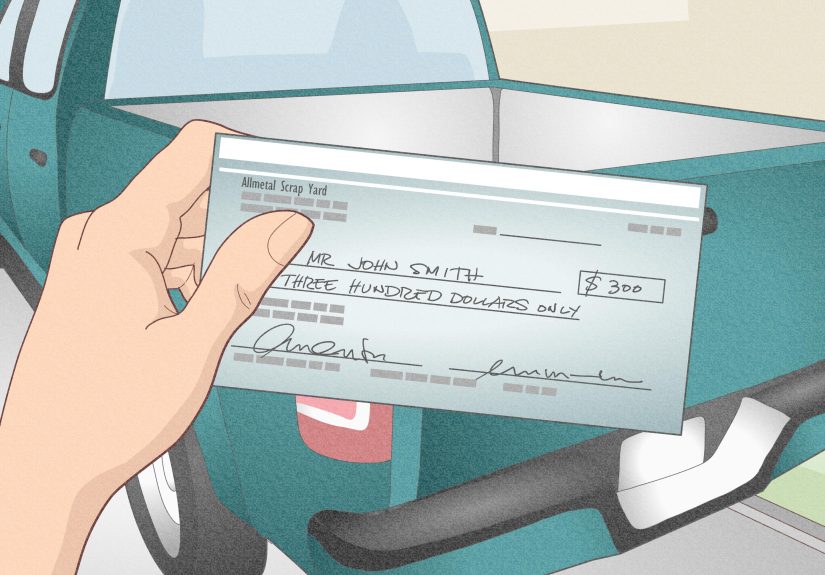
- Payment: You receive payment according to local laws and yard policy.
- Receipt: Keep your receipt for records, especially if you sell scrap regularly.
Do not be shy about asking how a grade was determined. A professional question is fine. Arguing with the scale operator like you are negotiating a hostage release is less effective. If you disagree often, try another reputable yard and compare results.
How Scrap Metal Prices Are Calculated
Scrap yards generally calculate payment using this formula:
Weight × price per pound = payout
However, the “price per pound” depends on several factors:
- Metal type: Copper usually pays more than steel.
- Grade: Clean, separated material usually pays more than mixed or contaminated scrap.
- Market conditions: Commodity prices rise and fall.
- Local demand: Some yards need certain metals more than others.
- Processing cost: Material that requires extra labor may be downgraded.
- Quantity: Larger loads may qualify for better rates.
- Transportation: Distance from mills and buyers can affect local pricing.
Example: Suppose you have 100 pounds of clean aluminum at $0.50 per pound. Your gross payout would be $50. If the same aluminum is mixed with steel screws, rubber, plastic, and glass, it may be downgraded and paid at a lower rate. That is why preparation matters.
Common Scrap Metal Mistakes to Avoid
Mixing Valuable Metals With Low-Value Scrap
Throwing copper and brass into a steel pile is like hiding a twenty-dollar bill in a bag of socks. Keep high-value metals separate.
Failing to Call Ahead
Prices and acceptance rules can change. A quick phone call can save a wasted trip, especially for appliances, batteries, vehicles, insulated wire, and specialty metals.
Ignoring Local Laws
Many states require scrap yards to record seller ID, vehicle information, photos, fingerprints, or payment details for certain materials. Some materials may have payment delays or restrictions. Bring valid identification and be prepared for documentation.
Spending Too Much Time on Low-Value Prep
Preparation helps, but time has value too. If removing tiny screws from a cheap steel item takes an hour, your hourly profit may be less than the loose change in your couch.
Bringing Unsafe or Restricted Items
Some materials need special handling, including pressurized tanks, refrigerant-containing appliances, batteries, electronics, fuel tanks, and items with oil or chemicals. Ask before you bring them.
Best Scrap Metals to Sell for Beginners
If you are just getting started, focus on common materials that are easy to identify and accepted by many yards.
Copper Pipe and Wire
Copper is a favorite because it is valuable, recognizable, and common in plumbing and electrical work. Keep clean copper separate from mixed copper and insulated wire.
Brass Fixtures and Valves
Old faucets, shutoff valves, hose bibs, and fittings can add up. Remove obvious steel, plastic, and rubber when it is easy.
Aluminum Cans
Aluminum cans are simple to collect and easy to sort. They are not usually the highest-paying material by total weight, but they are beginner-friendly.
Aluminum Siding and Gutters
These can be worthwhile after home improvement projects. Remove steel screws, plastic pieces, and insulation where practical.
Steel Appliances
Appliances are heavy and often accepted, but confirm refrigerant rules for refrigerators, freezers, air conditioners, and dehumidifiers. Some yards accept them only if refrigerant has been properly recovered.
How to Get More Money for Scrap Metal
To improve your payout, think like the scrap yard. The yard wants clean, identifiable, process-ready material. The closer your load is to that condition, the easier it is to pay a better grade.
- Separate metals by type before arriving.
- Use a magnet to identify steel and iron.
- Remove easy non-metal attachments.
- Keep copper, brass, aluminum, and stainless steel in separate containers.
- Call multiple yards for current prices.
- Ask how each yard grades your specific material.
- Save high-value metals until you have enough weight to justify the trip.
- Track receipts so you know which yard pays fairly over time.
- Build a relationship with a reputable buyer if you sell regularly.
One practical strategy is to sell bulky low-value steel when you need space, but hold smaller high-value metals such as copper and brass until you have a meaningful amount. This reduces trips and helps you compare rates more effectively.
Environmental Benefits of Selling Scrap Metal
Selling scrap metal is not only about money. Recycling metal reduces the need for mining, saves energy, keeps useful materials out of landfills, and supports manufacturing supply chains. Metals such as aluminum, copper, and steel can be recycled repeatedly, which makes them especially valuable in a circular economy.
When scrap metal is properly collected and processed, it can return to production as new cans, appliances, vehicles, construction materials, wiring, machinery, and countless other products. In other words, the rusty pile behind the shed may eventually become something useful again. That is a pretty good comeback story for an old lawn chair.
Extra Experience: Real-World Lessons for Selling Scrap Metal
After watching how scrap selling works in everyday situations, one lesson becomes clear: the money is usually made before you reach the yard. The sorting, calling, cleaning, and planning you do at home often matter more than the five minutes at the scale. A beginner may see one pile of “metal stuff.” A more experienced seller sees copper, brass, aluminum, stainless, prepared steel, light iron, electric motors, and insulated wire. Same pile, different paycheck.
One useful experience is to keep a small “scrap station” at home if you regularly generate metal waste. This does not need to be fancy. A few buckets, labels, and a magnet can do the job. One bucket for copper, one for brass, one for aluminum, one for stainless, one for insulated wire, and one larger area for steel. When a small piece comes off a repair project, it goes into the correct bucket immediately. That habit prevents the dreaded future task of digging through a dirty mixed bin while wondering why past-you had no respect for present-you.
Another practical lesson is that not every item is worth dismantling. For example, if you have an old appliance, it may contain a motor, copper wiring, aluminum, steel, and other materials. But unless you know what you are doing and can work safely, taking it apart may not be worth the time or risk. Many people earn more by focusing on easy separation: remove a brass fitting from copper pipe, separate aluminum from steel when it is obvious, and keep clean metals away from dirty mixed loads. Simple wins add up.
Calling ahead is also more powerful than beginners expect. Two yards in the same region may offer different prices for the same material on the same day. One may pay better for copper, another may be stronger on aluminum, and another may be more convenient for steel. A five-minute phone call can change where you go. When calling, be polite and specific. Say, “I have about 80 pounds of clean aluminum siding and a bucket of yellow brass. What are you paying today?” That sounds much more informed than, “How much for junk?”
Receipts are underrated. Keep every scrap receipt, even for small loads. Over time, receipts show which yards pay consistently, which grades your materials fairly, and which trips were barely worth the fuel. If you are turning scrap into a small side business, records also help you understand profit after gas, time, tools, and storage.
Safety is another lesson people sometimes learn the hard way. Scrap metal has sharp edges, rusty points, hidden screws, broken glass, oil residue, and awkward weight. Gloves are not optional decoration; they are the difference between a productive Saturday and a tetanus-themed regret. Use bins that will not collapse, secure loads properly, and do not overload your vehicle. A $40 scrap run is not worth damaging a truck suspension or dropping metal on the road.
Finally, reputation matters. Scrap yards deal with many sellers, and they appreciate people who arrive organized, honest, and prepared. If you sell regularly, staff may recognize you, answer questions more clearly, and help you understand grading. Do not bring questionable material, do not argue over every ounce, and do not try to sneak trash into a load. A good reputation will not magically double your payout, but it can make the process smoother and more professional.
The best overall experience-based advice is this: start small, learn your local yards, track your prices, and improve your sorting each trip. Scrap selling is not complicated, but it rewards patience and observation. The more you learn to identify metals, prepare loads, and understand local pricing, the more confident you become. And yes, eventually you may become the person who picks up a random object and says, “That’s brass.” Congratulations. You are now officially fun at garage cleanouts.
Conclusion: Scrap Metal Selling Is Simple When You Sort Smart
Learning how to sell scrap metal is mostly about preparation. Collect only legal materials, separate ferrous from non-ferrous metals, identify high-value items, clean obvious contamination, call local yards, bring proper ID, and keep safety first. You do not need to become a metallurgy professor. You just need to know the difference between a mixed junk pile and a well-sorted load.
Scrap metal prices will always move up and down, but good habits remain valuable. Sort before you sell. Ask questions. Compare buyers. Keep receipts. Avoid unsafe shortcuts. When done correctly, selling scrap metal can clear space, put cash in your pocket, and keep recyclable materials in productive use. Not bad for stuff that was once quietly judging you from the corner of the garage.