Table of Contents >> Show >> Hide
- What Does Perm Damaged Hair Look Like?
- How to Repair Perm Damaged Hair: 14 Steps
- 1. Stop All Chemical Treatments Immediately
- 2. Get a Professional Hair Assessment
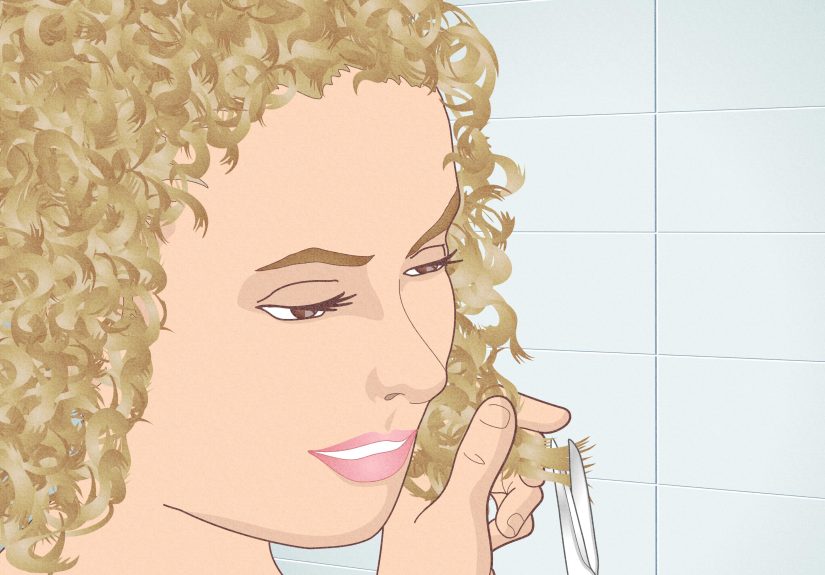
- 3. Trim the Worst Ends
- 4. Switch to a Gentle, Moisturizing Shampoo
- 5. Wash Less Often
- 6. Condition Every Time You Shampoo
- 7. Use a Weekly Deep Conditioning Mask
- 8. Balance Moisture With Protein
- 9. Try a Bond-Building Treatment
- 10. Detangle With a Wide-Tooth Comb
- 11. Dry Hair Without Rough Towel Rubbing
- 12. Avoid Heat Styling While Hair Recovers
- 13. Protect Hair While You Sleep
- 14. Build a Long-Term Recovery Plan
- Best Ingredients for Perm Damaged Hair
- What Not to Do With Perm Damaged Hair
- When Should You See a Dermatologist?
- Real-Life Experience: What Recovering From Perm Damaged Hair Feels Like
- Conclusion
A perm can give your hair dreamy curls, bouncy waves, and “I woke up like this” confidence. But when the chemicals go too far, the dream can quickly turn into frizz, breakage, dryness, and ends that feel like they have personally chosen violence. If your hair feels rough, gummy, brittle, or impossible to style after a perm, you are probably dealing with perm damaged hair.
The good news: damaged permed hair can often look and feel much better with the right routine. The realistic news: hair that has been chemically altered cannot be magically restored to brand-new condition because the visible hair shaft is not living tissue. Think of repair as a smart rescue mission: reduce breakage, restore moisture, smooth the cuticle, trim what cannot be saved, and protect new growth like it is celebrity luggage.
This guide explains how to repair perm damaged hair in 14 practical steps, using gentle hair care, deep conditioning, protein balance, scalp care, and styling changes that help your hair recover without panic-buying every bottle in the beauty aisle.
What Does Perm Damaged Hair Look Like?
Perm damage happens when the chemical process weakens the hair’s internal bonds and roughens the outer cuticle. A healthy cuticle lies flatter and helps hair retain moisture. A damaged cuticle becomes lifted, chipped, and porous, which makes strands feel dry, frizzy, dull, and fragile.
Common signs of perm damaged hair include:
- Frizz that appears even after conditioning
- Hair that feels straw-like, rough, or crunchy
- Breakage around the crown, ends, or hairline
- Split ends that keep traveling upward
- Curls that look uneven, limp, or oddly stretched
- Hair that tangles immediately after brushing
- Gummy, stretchy strands when wet
- Scalp tenderness, itching, burning, or flaking after the service
If your scalp is burned, raw, scabbed, or you notice sudden hair loss, stop using strong products and contact a dermatologist or healthcare professional. Hair drama is one thing; scalp injury deserves real attention.
How to Repair Perm Damaged Hair: 14 Steps
1. Stop All Chemical Treatments Immediately
The first step is simple but emotionally difficult: do not add more chemicals. No color correction, bleach, relaxer, second perm, keratin smoothing treatment, or “just a tiny touch-up.” Damaged hair needs a break, not a sequel.
Perms change the structure of the hair. Adding another chemical service too soon can increase porosity, weaken the cuticle, and cause more breakage. If you want to color, lighten, or re-perm your hair later, wait until your hair is stronger and ask a licensed stylist to evaluate it first. As a general rule, spacing chemical services at least 8 to 10 weeks apart is much safer than stacking them close together.
2. Get a Professional Hair Assessment
Before you start guessing your way through repair products, visit a trusted stylist if possible. A professional can check whether your hair needs moisture, protein, a bond-building treatment, or a trim. This matters because using the wrong treatment repeatedly can make damaged hair feel worse.
For example, hair that is dry and frizzy may need moisture-rich masks. Hair that is mushy, limp, and overly stretchy may need protein or bond support. Hair that is splitting badly may need a strategic cut. A stylist can also tell you whether your curls are salvageable or whether the healthiest plan is to gradually grow out the damaged sections.
3. Trim the Worst Ends
Split ends cannot be permanently repaired. Conditioners and serums can temporarily make them look smoother, but once the hair shaft splits, the split can keep traveling upward. A trim removes the most fragile ends before they create more breakage.
You do not always need a dramatic chop. Ask for a “dusting” or small trim if you want to keep length. If your ends are thin, see-through, crispy, or constantly knotting, trimming even half an inch can make your hair look fuller and healthier. It is not giving up; it is removing the tiny broom bristles at the bottom of your hair.
4. Switch to a Gentle, Moisturizing Shampoo
Perm damaged hair usually does not enjoy harsh cleansing. Choose a gentle, moisturizing shampoo designed for dry, damaged, curly, or chemically treated hair. Look for formulas that cleanse the scalp without leaving the hair squeaky, stiff, or tangled.
When shampooing, focus on your scalp, not the full length of your hair. Massage with your fingertips, then let the suds rinse through the ends. Rubbing shampoo aggressively into the lengths can roughen the cuticle and encourage breakage. Your scalp needs cleaning; your fragile ends need kindness.
5. Wash Less Often
Over-washing can strip natural oils from already dry hair. Many people with perm damaged hair do better washing two or three times per week, while coarse, curly, or very dry hair may need shampoo even less often. The right schedule depends on your scalp oiliness, lifestyle, climate, and product buildup.
If your roots get oily but your ends feel like hay, try washing only the scalp and conditioning the ends generously. Between wash days, refresh curls with a water-based leave-in conditioner or curl spray instead of starting over with shampoo every morning.
6. Condition Every Time You Shampoo
Conditioner is not optional after a damaging perm. It helps reduce friction, smooth the cuticle, improve slip, and make detangling easier. Apply conditioner mainly from mid-length to ends, where damage is usually worst. Let it sit for a few minutes before rinsing.
For fine hair, choose a lightweight conditioner so your curls do not collapse. For thick, coarse, or curly hair, use a richer formula with ingredients such as shea butter, fatty alcohols, glycerin, panthenol, argan oil, avocado oil, or aloe. The goal is soft, flexible hairnot a greasy curtain.
7. Use a Weekly Deep Conditioning Mask
A deep conditioning mask can make perm damaged hair feel softer, smoother, and easier to manage. Use one once a week, or twice a week for very dry hair. Choose a mask made for damaged, curly, or chemically treated hair.
Apply the mask after shampooing, squeeze out excess water, and distribute it evenly with your fingers or a wide-tooth comb. Cover your hair with a shower cap for better absorption. Leave it on according to the product directions. More time is not always better; sleeping in a mask that was meant for 10 minutes can leave some hair limp or coated.
8. Balance Moisture With Protein
Permed hair often needs both moisture and strength. Moisture makes hair feel soft and flexible. Protein treatments help temporarily reinforce weak areas of the hair shaft and improve the feel of fragile strands. The trick is balance.
If your hair feels dry, puffy, and rough, start with moisture. If it feels overly soft, mushy, stretchy, or limp when wet, add a light protein treatment. Look for ingredients like hydrolyzed keratin, hydrolyzed wheat protein, silk protein, amino acids, or bond-building technology. Use protein treatments as directed, usually every few weeks, not every day. Too much protein can make hair feel stiff and brittle, which is rude after everything your hair has already endured.
9. Try a Bond-Building Treatment
Bond-building treatments are popular for chemically damaged hair because they are designed to support weakened internal hair bonds. They are not magic glue, but they can improve the look, feel, and manageability of overprocessed hair when used consistently.
You can ask a salon for a professional bond-repair treatment or use an at-home version. Follow the directions carefully. More product does not mean more repair. With damaged hair, consistency beats chaos. A simple routine used correctly will usually outperform a bathroom shelf that looks like a laboratory having a nervous breakdown.
10. Detangle With a Wide-Tooth Comb
Perm damaged hair breaks easily, especially when wet. After washing, apply conditioner or leave-in conditioner first. Then detangle gently with your fingers or a wide-tooth comb, starting at the ends and working upward.
Do not rip through knots from the roots down. That approach turns tangles into breakage confetti. If your hair is curly or textured, detangling while damp and conditioned is usually best. If your hair is straight or fine, you may prefer letting it partially dry before combing. Either way, patience is cheaper than a haircut you did not want.
11. Dry Hair Without Rough Towel Rubbing
Traditional towel rubbing can rough up the cuticle and snap fragile strands. Instead, gently squeeze out water with your hands, then blot with a microfiber towel or soft cotton T-shirt. You can also wrap your hair loosely to absorb moisture.
Avoid twisting your hair tightly into a heavy towel turban. Wet hair stretches more easily, and damaged wet hair is even more vulnerable. Treat it like delicate fabric. You would not scrub a silk blouse with a bath towel, unless you enjoy regret.
12. Avoid Heat Styling While Hair Recovers
Flat irons, curling irons, hot brushes, and high-heat blow dryers can worsen perm damage. Give your hair a heat break for several weeks if possible. Use heatless styling methods such as foam rollers, satin scrunching, braids, claw clips, curl cream, or air-drying with a leave-in conditioner.
If you must blow-dry, use a heat protectant, the lowest effective heat setting, and a diffuser for curls. Keep the dryer moving and avoid blasting the same section repeatedly. Your goal is gentle drying, not roasting your curls like marshmallows at summer camp.
13. Protect Hair While You Sleep
Nighttime friction can make damaged permed hair frizzier and more tangled. Switch to a satin or silk pillowcase, or wrap your hair in a satin scarf. You can also loosely gather curls on top of your head with a soft scrunchie, often called a pineapple method.
Before bed, apply a small amount of leave-in conditioner or lightweight oil to the driest ends. Do not overdo it. A few drops can help seal moisture and reduce friction; half a bottle can make your pillowcase look like it survived a salad dressing incident.
14. Build a Long-Term Recovery Plan
Repairing perm damaged hair is not a one-wash miracle. Most people need several weeks to see better softness and manageability, and several months to grow out severely damaged sections. Track progress by how your hair feels, how much it breaks, and how easily it detangles.
A strong long-term plan includes gentle cleansing, regular conditioning, weekly masking, occasional protein or bond support, minimal heat, trims as needed, and no overlapping chemical services. Also support hair growth from the inside with enough protein, iron-rich foods, healthy fats, water, and overall balanced nutrition. Hair care starts in the bathroom, but healthy growth starts at the scalp and body.
Best Ingredients for Perm Damaged Hair
When shopping for products, look for ingredients that target dryness, rough texture, and breakage. Helpful options may include:
- Humectants: glycerin, aloe vera, honey, panthenol
- Emollients: shea butter, avocado oil, argan oil, olive oil, jojoba oil
- Proteins: hydrolyzed keratin, silk protein, wheat protein, amino acids
- Cuticle smoothers: silicones, lightweight oils, conditioning polymers
- Bond support: bond-building treatments made for chemically processed hair
Not every ingredient works for every head of hair. Fine hair may prefer lightweight leave-ins and occasional masks. Thick or curly hair may love richer creams and oils. Start small, test one product at a time, and pay attention to how your hair responds.
What Not to Do With Perm Damaged Hair
Some habits can undo your progress quickly. Avoid brushing dry curls aggressively, sleeping on rough cotton pillowcases, using hot tools daily, bleaching over a fresh perm, tying hair tightly, or using clarifying shampoo too often. Also avoid DIY chemical fixes. A box dye or home straightening kit may promise a fresh start, but on fragile hair it can create a fresh disaster.
Be careful with heavy oils, too. Oils can help seal and soften, but they do not replace water-based moisture. If your hair feels dry under a greasy coating, you may need a hydrating leave-in or conditioner rather than more oil.
When Should You See a Dermatologist?
See a dermatologist or healthcare professional if you experience scalp burns, open sores, severe itching, swelling, sudden shedding, bald patches, or pain after a perm. These symptoms may indicate irritation, allergic reaction, chemical injury, or another scalp condition. A stylist can help with cosmetic damage, but a dermatologist is the right expert for scalp health and hair loss concerns.
Real-Life Experience: What Recovering From Perm Damaged Hair Feels Like
Repairing perm damaged hair is part science, part patience, and part emotional negotiation with your mirror. The first week is usually the hardest because the hair still remembers the chemical service, and not in a charming scrapbook way. It may feel rough after washing, expand into frizz by noon, or form curls that point in different directions like they are voting on separate life goals.
A realistic recovery experience often begins with simplifying everything. Instead of using five styling products, many people get better results from a gentle shampoo, a rich conditioner, one leave-in, and a weekly mask. The first big improvement usually comes from reducing friction: no towel rubbing, no aggressive brushing, no tight buns, and no sleeping directly on cotton. These changes sound small, but damaged hair responds dramatically to being handled less like rope and more like antique lace.
During the second and third weeks, deep conditioning can make the hair feel more cooperative. The curls may still not look perfect, but they often become easier to detangle. Breakage may slow down. Ends may stop catching on every sweater, scarf, and passing breeze. This is also when people notice whether their hair needs protein. If the hair feels mushy when wet, a carefully timed protein or bond-building treatment can help. If it feels stiff and crunchy, moisture should take priority.
One common experience is learning that damaged ends are stubborn. You can baby them, mask them, oil them, and speak kindly to them, but some ends simply refuse to rejoin society. A small trim can feel scary when you are trying to keep length, but it often makes the whole style look healthier. Hair that is shorter by half an inch but smoother and fuller usually looks longer than hair that is technically longer but breaking at the ends.
Another lesson is that styling must change. Before damage, you might have been able to blow-dry quickly, brush fast, and use a curling iron to “fix” awkward pieces. After perm damage, heat usually makes everything worse. Heatless styling becomes your best friend. Curl cream, scrunching, a diffuser on low heat, satin wrapping, and soft clips can help create shape without adding more stress.
By the second month, the goal is not perfection. The goal is predictability. Your hair should feel less tangled, less brittle, and less dramatic after wash day. New growth near the roots may look shinier and healthier than the processed lengths, which is normal. That contrast is not failure; it is proof that your routine is protecting the hair that is growing in.
The biggest experience-based tip is this: do not chase instant repair. Damaged permed hair improves through repeated gentle habits. Every careful wash, every heat-free day, every trim, every satin pillowcase night, and every deep-conditioning session adds up. Recovery is not glamorous every morning, but it works. Eventually, your hair stops feeling like a cautionary tale and starts feeling like hair again.
Conclusion
Learning how to repair perm damaged hair is really about learning how to protect fragile strands while healthier hair grows in. You cannot fully reverse chemical damage, but you can greatly improve softness, shine, curl definition, and manageability. Start by stopping chemical treatments, trimming split ends, switching to gentle products, deep conditioning weekly, balancing moisture with protein, avoiding heat, and protecting your hair from friction.
Most importantly, be patient. Hair recovery is slow, but it is not hopeless. With a consistent routine and a little less styling aggression, your curls can look softer, healthier, and far less like they just survived a weather event.
Note: If your scalp is painful, burned, scabbed, or shedding heavily after a perm, seek professional medical advice. Cosmetic routines can help damaged strands, but scalp injuries and sudden hair loss should be evaluated by a qualified professional.