Table of Contents >> Show >> Hide
- What Makes Pansies So Popular?
- When to Plant Pansies
- Where Pansies Grow Best
- How to Plant Pansies Step by Step
- How to Grow Pansies from Seed
- How to Care for Pansies After Planting
- Common Problems and How to Avoid Them
- Best Uses for Pansies in the Garden
- Real-World Experiences Growing Pansies
- Conclusion
Pansies are the overachievers of the flower world. While some plants wait for perfect weather and a handwritten invitation, pansies are out there blooming in chilly air like they have something to prove. If you want a flower that delivers color in early spring, brightens fall beds, and can even keep going through winter in milder climates, pansies are the cheerful little workhorses you want in your garden.
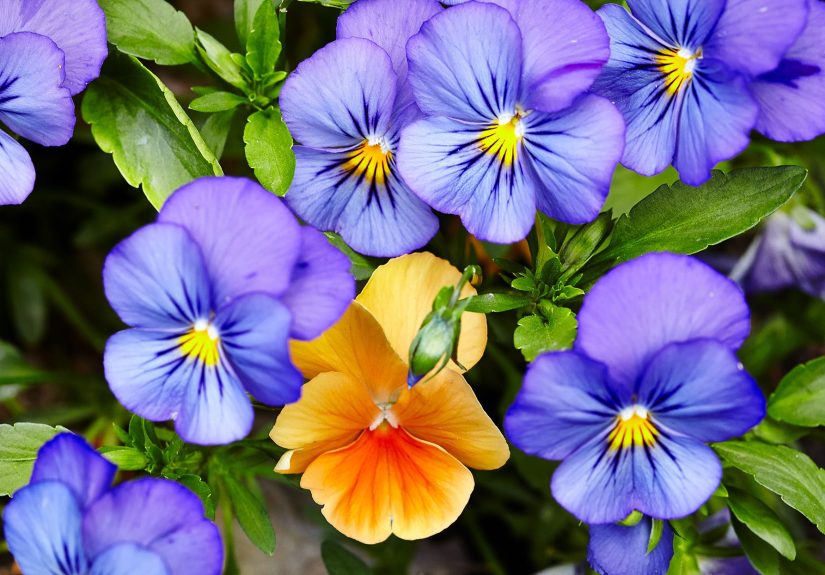
The best part is that learning how to plant and grow pansies is not complicated. They are beginner-friendly, container-friendly, and forgiving enough that even a gardener who has accidentally loved a fern to death can usually succeed. Give them cool temperatures, decent soil, steady moisture, and a little routine care, and they will reward you with a parade of blooms in jewel tones, soft pastels, and those dramatic little “faces” that make them look mildly judgmental in the cutest way possible.
In this guide, you will learn when to plant pansies, where they grow best, how to plant them in beds or containers, how to start them from seed, and how to keep them blooming longer. At the end, you will also find a longer experience-based section packed with practical observations that make the difference between pansies that merely survive and pansies that absolutely show off.
What Makes Pansies So Popular?
Pansies are usually grown as cool-season annuals, though botanically they behave more like short-lived biennials. In plain English, that means gardeners often treat them as seasonal flowers, but they are tougher than they look. They shine when daytime weather is mild, especially in spring and fall, and in many southern or coastal areas they can flower through winter. Once summer heat arrives and humidity starts acting like an overexcited houseguest, pansies usually fade out.
They are especially popular because they are versatile. You can mass them in beds, edge a walkway, tuck them into window boxes, brighten containers by the front door, or weave them among spring bulbs for a layered display. They stay relatively compact, so they do not bully their neighbors, and they come in a staggering range of colors. If you enjoy a flower that looks classy, playful, and just a tiny bit theatrical, pansies are excellent company.
When to Plant Pansies
Plant in Early Spring for a Fast Color Fix
In colder climates, early spring is one of the best times to plant pansies. As soon as garden centers have hardened-off plants available and the soil can be worked, pansies can usually go in. They handle light frost far better than many other bedding plants, which is why they are often the first flowers gardeners grab after winter. If your nights are still brutally cold, wait until conditions are less extreme, but do not assume you need fully warm weather. Pansies prefer cool conditions and often perform best before summer annuals even wake up.
Plant in Fall for the Long Game
If you live in a region with relatively mild winters, fall planting is where pansies really start to flex. Planted in autumn, they can establish roots while temperatures are still comfortable, rest through the coldest part of winter, and then explode with growth in early spring. In many places, fall-planted pansies out-perform spring-planted ones because they have more time to settle in before their big bloom season.
A simple rule helps: plant pansies when the weather is cool, not hot. If you plant them too early during lingering summer heat, they can struggle, stretch, or sulk. If you plant them when cool weather is truly arriving, they tend to establish faster and look much happier.
Where Pansies Grow Best
Pansies like a location with full sun to part shade, but the sweet spot is often morning sun with some protection from hot afternoon rays. Think of them as people who enjoy a bright brunch patio but would rather skip the blazing 3 p.m. parking lot experience. In cooler northern climates, more sun is usually fine. In warmer climates, afternoon shade can help extend their blooming season.
Soil matters, too. Pansies prefer rich, well-drained soil with plenty of organic matter. If your soil is heavy, compacted, or prone to staying soggy, improve it with compost before planting. Wet feet are charming in rain boots, not on pansies. Poor drainage is one of the fastest ways to invite root and crown problems.
They also perform beautifully in containers, raised beds, and window boxes because those spaces usually offer better drainage and easier control over soil quality. If you grow them in pots, choose a container with drainage holes and use a quality potting mix instead of scooping mystery dirt from the yard. Your pansies deserve better than mystery dirt.
How to Plant Pansies Step by Step
- Choose healthy plants. Look for compact, bushy plants with lots of buds and a few open flowers. Avoid overly stretched, floppy, or tired-looking pansies that seem like they already lived through a dramatic season finale.
- Prepare the soil. Loosen the planting area and mix in compost or other organic matter. This improves drainage, fertility, and moisture balance.
- Dig the right hole. Make the hole about twice as wide as the root ball and deep enough so the crown sits level with the soil surface.
- Space properly. Most pansies do well spaced about 6 to 12 inches apart, depending on the size of the variety and the look you want. Closer spacing gives you a fuller show sooner, but a little breathing room improves airflow.
- Backfill gently. Fill in around the root ball, firm the soil lightly, and do not bury the crown too deeply.
- Water thoroughly. Give newly planted pansies a deep drink to settle the soil around the roots.
- Mulch lightly. A light layer of mulch can help moderate soil temperature and preserve moisture, but keep it from smothering the plant crowns.
If you are planting pansies over spring bulbs, that is a smart move. Pansies make an excellent companion planting for tulips and other bulbs because they provide color before, during, and after bulb bloom. It is basically a tag-team performance with better petals.
How to Grow Pansies from Seed
Growing pansies from seed takes a little more patience than buying transplants, but it is rewarding if you like variety and do not mind a head start indoors. For most home gardeners, start pansy seeds indoors at least 12 weeks before your last expected frost date. Pansy seed germinates best in cool conditions, and many growers have better success when the seed is lightly covered or kept in darkness during germination.
Once seedlings sprout, give them bright light right away. Indoor seedlings need strong light for 12 to 16 hours a day to stay compact and healthy. Keep the lights close above the tops of the seedlings so they do not become skinny and leggy. If you have ever grown indoor seedlings that looked like they were desperately reaching for better life choices, weak light was probably the problem.
Before transplanting seedlings outdoors, harden them off gradually over several days by exposing them to outdoor conditions a little at a time. This helps them avoid shock and makes the transition easier. Seed-starting takes more work, but it opens the door to unusual colors and can save money if you want a lot of plants.
How to Care for Pansies After Planting
Watering
Pansies like evenly moist soil, especially right after planting. A good soaking about once a week is often enough in the ground, though rainfall, temperature, and soil type will affect that schedule. Container-grown pansies dry out faster, so check them more often. The goal is moisture, not swamp conditions. If the soil stays soggy, roots can rot. If it dries out repeatedly, the plants may stop blooming well and start looking frazzled.
Fertilizing
At planting time, work in a balanced or low-nitrogen fertilizer, or use a slow-release product according to label directions. Avoid overdoing nitrogen, which can push soft leafy growth at the expense of flowers. In other words, you may end up with lots of leaves and not nearly enough of the part you actually invited to the party.
If your pansies stay in place over a longer season, a light feeding in late fall and again in early spring can help keep them vigorous. Do not turn fertilizing into a competitive sport. Gentle, consistent feeding works better than enthusiastic overfeeding.
Deadheading and Grooming
Deadheading is one of the easiest ways to keep pansies blooming. Remove spent flowers and any seedpods forming behind them. When plants put energy into making seeds, they slow down on producing new flowers. A quick trim every few days or once a week keeps the plants tidier and encourages more blooms.
If the plants get leggy, cut them back by about one-third. It feels rude the first time you do it, but pansies usually respond with fresh growth. Think of it less as punishment and more as a strategic haircut.
Cold Protection
Pansies are cold-tolerant, but repeated freeze-thaw cycles can stress them. If a serious cold snap is coming, protect them with straw, pine boughs, or breathable frost cloth. In containers, move pots to a sheltered spot when possible. Snow itself is not always the villain; poor drainage and drying winter winds can be worse.
Common Problems and How to Avoid Them
Heat Stress
When temperatures climb, pansies often become stretched, stop blooming, and generally behave like they are over summer before summer is over. Afternoon shade can help in warm climates, but once real heat settles in, many pansies are simply done for the season. That is normal, not a personal failure.
Root and Crown Rot
Waterlogged soil is trouble. Crown rot and root rot are among the most common pansy problems, especially in wet conditions. Good drainage, clean planting areas, and not burying the crown too deeply all help reduce risk. If a plant suddenly wilts and the roots look brown and mushy, drainage is the first suspect.
Pests
Slugs, snails, aphids, spider mites, and pansyworms may occasionally show up. Deer can also treat pansies like an all-you-can-eat buffet. Good airflow, healthy growing conditions, hand removal of obvious pests, and basic garden sanitation go a long way. Remove dead flowers and damaged leaves instead of letting them pile up around the plants.
Best Uses for Pansies in the Garden
Pansies are one of the easiest flowers to design with because they play nicely with others. Use them in front borders, mailbox beds, entry planters, porch pots, and window boxes. They are especially effective where people pass close by and can appreciate the details in the blooms. Pansies are not background flowers. They are tiny extroverts.
They pair beautifully with spring bulbs, other cool-season annuals, and compact flowering plants that enjoy similar conditions. In containers, they mix well with trailing accents and upright focal plants. You can even grow them in edible-flower gardens if the flowers are produced without pesticide residue and handled appropriately. A few blossoms can brighten salads, desserts, or drinks, though most gardeners are perfectly happy just admiring them outdoors.
Real-World Experiences Growing Pansies
One of the most useful things I have learned about pansies is that timing matters more than gardeners think. People often focus on fertilizer, flower size, or fancy color mixes, but the biggest difference usually comes from planting them when the weather actually suits them. I have seen average, inexpensive pansies planted at the right moment outperform premium plants that went into the ground during a lingering hot spell. When the air is cool and the soil drains well, pansies settle in fast and start acting like they own the place.
Another lesson is that pansies look best where you can see them up close. From across the yard, they are attractive. From two feet away, they are delightful. The little markings, blended colors, and velvety petals are easy to miss if you tuck them into a distant bed and never walk past them. Some of the happiest pansy plantings I have seen were in front-door containers, along a path, near steps, or beneath a kitchen window. Placement can turn them from “nice flowers” into “why are these tiny faces so charming?”
Containers also reveal just how much pansies appreciate routine care. In a pot, you notice quickly when they need water, when blooms need deadheading, and when a light trim improves the whole planting. Gardeners who swear they are fussy often just planted them in a forgotten corner and expected miracles. Pansies are not high-maintenance, but they do reward attention. Five minutes with a watering can and a quick pinch of old flowers can make a container look refreshed almost instantly.
I have also noticed that many gardeners give up on pansies too early after a cold snap. The foliage may flatten, flowers may look a little rough, and the whole planting can appear discouraging for a few days. Then temperatures moderate, and the plants rebound better than expected. That resilience is part of their appeal. They are not indestructible, but they are tougher than their soft, pretty petals suggest. If the roots are healthy and the drainage is good, a planting that looks temporarily miserable can bounce back with surprising determination.
The opposite is true in warm weather. Once pansies start stretching, producing fewer blooms, and looking tired in late spring or early summer, gardeners often try to rescue them with more fertilizer or more water. Usually that is like offering a winter coat to someone stuck in August traffic. Heat is the real issue. A little afternoon shade may buy extra time, but eventually the season wins. Replacing worn-out pansies with heat-loving annuals is not defeat. It is smart seasonal gardening.
One more practical experience-based tip: color choice changes the entire mood of a planting. Bright yellows and oranges feel cheerful and energetic near an entry. Deep purples, maroons, and blue tones can look rich and elegant in containers. White and pale lavender combinations feel calm and classic. Mixed trays from the garden center are fun, but choosing a color theme on purpose often makes a bed or pot look far more polished. Pansies may be easygoing flowers, but they are capable of delivering serious design impact when you give them a little strategy.
In the end, the gardeners who enjoy pansies most are usually the ones who work with the plant instead of against it. Plant them in cool weather. Give them rich, well-drained soil. Keep them watered but not soaked. Deadhead often. Protect them during extreme cold. And when summer starts throwing elbows, thank your pansies for the show and swap them out. That simple rhythm is the secret to success, and it is a lot easier than trying to turn pansies into something they are not.
Conclusion
If you want months of color without needing a horticulture degree or a motivational speech for your flower bed, pansies are an excellent choice. They thrive when many other flowers are still hesitating, they fit beautifully into beds and containers, and they reward even modest care with generous blooms. Learn their favorite conditions, plant them in the right season, and they will give your garden a cheerful cool-weather glow that feels far more expensive than it is.
For gardeners who love flowers with personality, pansies are hard to beat. They are compact, colorful, adaptable, and surprisingly resilient. Plant them once, and there is a very good chance you will start finding excuses to tuck them everywhere. That is how the pansy habit begins. It starts with one container by the front door, and before you know it, you are planning color schemes like a tiny floral impresario.