Table of Contents >> Show >> Hide
- The Smoothie Blueprint: A Simple Formula That Always Works
- Step 1: Start with Fresh Ingredients (and Keep Them Actually Safe)
- Step 2: Choose a Liquid Base That Matches Your Goal
- Step 3: Master Texture (Without Diluting Flavor)
- Step 4: Balance Flavor Like a Smoothie DJ
- Step 5: Build a Smoothie That Actually Keeps You Full
- Blending Technique: The Order Matters (Yes, Really)
- 5 Fresh-Ingredient Smoothie Recipes (Flexible, Not Fussy)
- Prep Like a Person Who Has Mornings to Survive
- Common Smoothie Mistakes (and How to Fix Them)
- Conclusion
- Experience Notes: The Real-Life Smoothie Lessons You Only Learn by Blending
Smoothies are basically the “choose-your-own-adventure” book of breakfast. You can go fruity and bright, green and virtuous,
coffee-ish and chaotic, or peanut-butter-banana and “I’m definitely an adult who makes responsible choices.” The best part:
you don’t need a culinary degreejust a blender, a few fresh ingredients you actually like, and a simple game plan so you don’t
accidentally invent Spinach Soup à la Regret.
This guide will walk you through a reliable smoothie formula, how to balance flavor and texture, how to keep nutrition on your
side (without turning your blender into a dessert cannon), and a handful of customizable recipes you can remix with whatever’s
fresh in your kitchen.
The Smoothie Blueprint: A Simple Formula That Always Works
When people say, “I just throw stuff in,” what they often mean is: “I threw stuff in and accepted whatever fate delivered.”
Let’s do better. Use this flexible blueprint:
- Liquid base: 3/4 to 1 1/4 cup (milk, soy milk, unsweetened almond milk, kefir, water, iced tea)
- Fruit: 1 to 2 cups (fresh + frozen mix is ideal)
- Thickener: 1/2 banana, 1/2 cup yogurt, 1/4 avocado, or 2–4 tbsp oats
- Protein: Greek yogurt, cottage cheese, tofu, nut butter, or protein powder
- Fiber/boosters: chia, ground flax, oats, leafy greens, beans (yes, really), or berries
- Flavor pop: citrus, cinnamon, vanilla, cocoa, ginger, mint, or a tiny pinch of salt
For green smoothies, one clever approach is keeping the parts balancedgreens, fruit, liquid, and thickener in roughly equal
proportionsso the flavor stays fresh instead of “lawn clippings with ambition.”
Step 1: Start with Fresh Ingredients (and Keep Them Actually Safe)
Pick peak produce (or close enough)
“Fresh ingredients” doesn’t mean you must buy a single perfect strawberry kissed by morning dew. It means you’re using
real foodsfruits, vegetables, dairy or dairy alternatives, herbs, spicesrather than relying on sugary syrups and juice
blends to do the heavy lifting.
Wash produce the right way
If it grew outside, traveled through trucks, bins, hands, and checkout lanes, give it a rinse. Use plain running water and
rub gently with your hands. Skip soap and “produce wash”your smoothie should taste like mango, not like dish detergent.
For firm items (like apples or cucumbers), a clean brush helps. Trim bruised spots before blending.
Step 2: Choose a Liquid Base That Matches Your Goal
Your liquid decides whether your smoothie becomes creamy, light, protein-forward, or secretly a milkshake in a trench coat.
Here are smart options:
- Dairy milk: Classic, creamy, and adds protein.
- Unsweetened soy milk: Often higher-protein than many plant milks; smooth texture.
- Unsweetened almond/coconut milk: Lighter body; good if you already have other protein sources.
- Kefir: Tangy, drinkable yogurt vibe; great with berries and citrus.
- Water or iced tea: Clean, refreshing, and lets fruit shineespecially if you add yogurt or tofu for body.
- Avoid fruit juice as a “base”: It can push sugar up fast without adding much fiber.
Pro move: start with less liquid than you think you need. You can always splash more in, but you cannot un-soup a smoothie.
Step 3: Master Texture (Without Diluting Flavor)
Frozen fruit is your best friend
Fresh fruit brings flavor; frozen fruit brings thickness. Using frozen fruit (or freezing fresh fruit ahead) helps you get a
creamy texture without dumping in a cup of ice that waters everything down.
Easy thickeners that don’t taste “healthy”
- Banana: The classic. Half a banana thickens and sweetens.
- Greek yogurt: Creamy, tangy, and protein-rich.
- Avocado: Makes smoothies silky without shouting “I am avocado.”
- Oats: Add body and fiber. Start with 2 tbsp, then adjust.
- Chia or ground flax: Thickens as it sits; adds fiber and healthy fats.
Fix common texture problems fast
- Too thick: Add liquid 2 tbsp at a time, blend, repeat.
- Too thin: Add frozen fruit, a few ice cubes, or more thickener (banana/yogurt/oats).
- Gritty greens: Blend greens + liquid first until silky, then add the rest.
Step 4: Balance Flavor Like a Smoothie DJ
Great smoothies have balance: sweet, tart, and a little “something.” If your smoothie tastes flat, it usually needs one of
these:
- Acid: A squeeze of lemon/lime or a handful of pineapple perks everything up.
- Warm spice: Cinnamon, ginger, turmeric, or nutmeg adds depth.
- Vanilla or cocoa: Dessert energy without dessert chaos.
- Tiny pinch of salt: Sounds weird; tastes like “wow.” (Use a tiny pinch, not a seafood-boil situation.)
- Herbs: Mint + watermelon, basil + strawberry, cilantro + pineapple (trust the process).
Sweetness tip: use fruit first (banana, mango, dates). If you still want more sweetness, add a date or two before reaching
for honey or syrups.
Step 5: Build a Smoothie That Actually Keeps You Full
A smoothie can be a snack, a light breakfast, or a meal replacementdepending on what you put in it. If your smoothie leaves
you hungry 45 minutes later, it probably needs more protein, fiber, and/or healthy fat.
Protein ideas
- Greek yogurt or skyr
- Silken tofu (blends smooth, neutral taste)
- Nut butter (1–2 tbsp is usually plenty)
- Protein powder (choose a brand with minimal added sugar)
- Milk or soy milk as the base
Fiber boosters
- Chia or ground flax
- Oats
- Berries
- Leafy greens
- Cooked white beans (1/4 cup makes it creamyno bean flavor, just magic)
Also: watch “stealth sugar.” Sweetened yogurts, sweetened plant milks, juice, and dessert-y add-ins can turn a smoothie into
a sugar rocket. If you care about steady energy (or blood sugar), pair fruit with protein, fiber, and fats and choose
unsweetened liquids when you can.
Blending Technique: The Order Matters (Yes, Really)
If you’ve ever shaken your blender like it owes you money, you already know: order matters. A simple sequence helps everything
blend smoothly:
- Liquid first (protects the blades and helps create a vortex)
- Soft ingredients (yogurt, banana, fresh fruit)
- Leafy greens (if using; blend with liquid first if you want it extra smooth)
- Frozen fruit + ice (if needed)
- Seeds, oats, powders (last so they don’t glue themselves to the bottom)
Start low, then increase speed. Blend until smooth. If the blender stalls, stop, stir, add a splash of liquid, and try again.
Don’t just keep blending foreveryour smoothie will get warm and sad.
5 Fresh-Ingredient Smoothie Recipes (Flexible, Not Fussy)
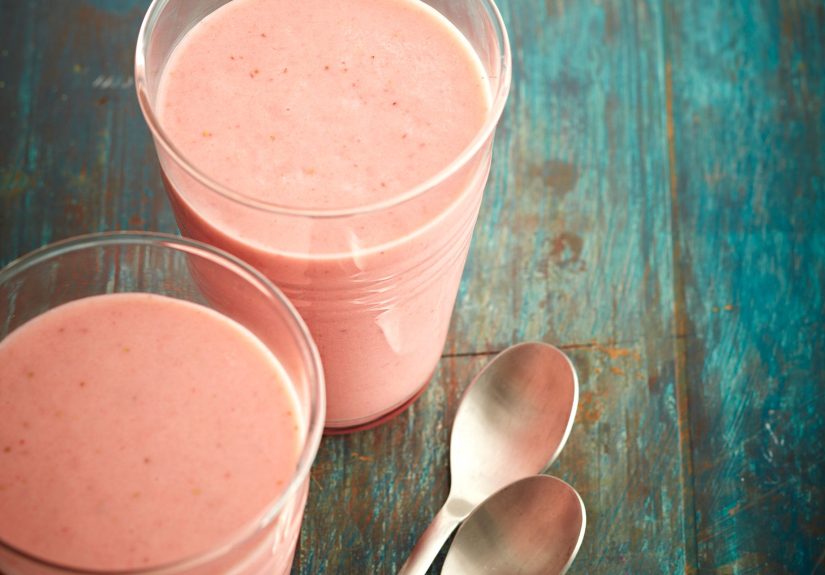
1) The “Classic Strawberry-Banana, But Better”
- 1 cup milk or soy milk
- 1 1/2 cups strawberries (fresh or frozen)
- 1/2 to 1 banana (fresh or frozen)
- 1/2 cup plain Greek yogurt
- 1 tbsp ground flax or chia (optional)
Blend. Taste. Add lemon if it needs brightness. Add a date if you want it sweeter.
2) Green Smoothie That Doesn’t Taste Like a Dare
- 1 cup unsweetened milk (dairy or soy)
- 1 cup spinach (packed)
- 1 cup frozen mango or pineapple
- 1/2 frozen banana
- 1/2 cup plain yogurt or 1/4 avocado
- Fresh ginger (small knob) or a squeeze of lime
Blend liquid + spinach first, then add the rest. This is the difference between “silky” and “salad with feelings.”
3) Berry-Protein Breakfast Smoothie
- 1 cup kefir or milk
- 1 1/2 cups mixed berries (frozen works great)
- 1/2 cup Greek yogurt or 1 scoop protein powder
- 2 tbsp oats
- 1 tbsp peanut butter or almond butter (optional)
- Cinnamon
Thick, filling, and it won’t leave you hunting for snacks at 10:17 a.m.
4) Tropical “Vacation in a Cup”
- 3/4 cup water or coconut water (unsweetened)
- 1 cup frozen pineapple
- 1 cup frozen mango
- 1/2 banana or 1/4 avocado
- Handful of spinach (optional)
- Pinch of salt + squeeze of lime
The salt-lime combo makes the fruit taste brighterlike turning on better lighting.
5) Chocolate-Peanut Butter “I Deserve Nice Things”
- 1 cup milk (dairy or soy)
- 1 frozen banana
- 1–2 tbsp peanut butter
- 1 tbsp cocoa powder
- 1/2 cup plain Greek yogurt or protein powder
- Optional: pinch of cinnamon or vanilla
It’s dessert-adjacent but still packed with real ingredients. Your blender will feel appreciated.
Prep Like a Person Who Has Mornings to Survive
Make “smoothie packs”
Portion fruit (and greens if you like) into freezer bags or containers. In the morning, dump a pack into the blender, add
liquid/protein, blend. This removes decision-making before your brain is fully online.
Storage tips
Smoothies are best fresh, but you can refrigerate one in a sealed container and drink it later (ideally the same day). If it
separates, shake or stir. If it thickens, add a splash of liquid and re-blend.
Common Smoothie Mistakes (and How to Fix Them)
- Mistake: Using juice as the base. Fix: Use milk/soy milk/water and let fruit sweeten naturally.
- Mistake: “All fruit, no balance.” Fix: Add protein + fiber (yogurt, tofu, chia, oats).
- Mistake: Too much ice. Fix: Use frozen fruit for thickness and flavor.
- Mistake: Bitter greens. Fix: Start with baby spinach, add pineapple/mango, blend greens first.
- Mistake: It tastes bland. Fix: Add acid (lemon/lime), spice (cinnamon/ginger), or a pinch of salt.
- Mistake: It’s a calorie bomb. Fix: Measure calorie-dense add-ins (nut butter, granola, sweetened yogurt).
Conclusion
Making smoothies from fresh ingredients is less about a single “perfect” recipe and more about learning a few reliable rules:
choose an unsweetened base, use fruit for flavor, add something creamy for texture, and bring in protein + fiber so it actually
satisfies you. Once you’ve got the formula, you can build smoothies around whatever’s in season, on sale, or begging to be used
before it becomes a science project in the crisper drawer.
And if your first attempt isn’t perfect? Congratswelcome to the smoothie learning curve. The good news is that most mistakes
are fixable with a banana, a squeeze of citrus, and a little less enthusiasm with the ice.
Experience Notes: The Real-Life Smoothie Lessons You Only Learn by Blending
Let’s talk about the part nobody admits: smoothies look effortless right up until you actually start making them consistently.
Then you discover the tiny “gotchas” that separate a dreamy café-style blend from something that tastes like a vitamin aisle
had an argument with your freezer.
First, you’ll learn that texture is mood. A smoothie can have the exact same ingredients and still feel
completely different depending on how frozen your fruit is, how much liquid you poured, and whether you used yogurt versus
banana as the thickener. There’s a very specific moment where “thick and creamy” becomes “spoon required,” and you will cross
that border accidentally at least once. The fix is always the same: add liquid a little at a time. Not a splash that turns it
into strawberry milk. Just enough to get things moving again.
Next, you’ll develop opinions about greens. Some people are kale warriors; others are spinach realists.
Either way, your first “green smoothie” often teaches you that raw greens can dominate flavor if you don’t balance them with a
fruit that has strong personalitythink pineapple, mango, or berries. Over time you’ll notice you don’t need a mountain of
greens to get the benefit. A handful blended well is usually plenty. You’ll also learn the “blend the greens with the liquid
first” trick and feel like you unlocked a secret level.
You’ll probably have a phase where you try to make your smoothie “healthier” by adding everything: chia, flax, oats,
protein powder, spinach, cinnamon, turmeric, ginger, and maybe the hopes and dreams of your ancestors. The result? A thick,
gritty blend that tastes like the inside of a granola bar. That’s when you learn that smoothies are like playlists:
too many features ruin the vibe. Two boosters are plenty most days. If you want more nutrition, rotate add-ins
across the week rather than stacking them all in one cup.
Then comes the “sweetness awakening.” When you stop using juice and sweetened yogurt, the first couple smoothies might taste
less like dessert. But here’s the twist: after a week or two, you start noticing fruit flavors more clearlyberries taste
brighter, mango tastes richer, and cinnamon suddenly feels like a cheat code. You’ll also realize that a tiny squeeze of lemon
can make a smoothie taste sweeter without adding sugar. It’s the same magic that makes lemonade taste more like lemon than
water-with-sadness.
Practical experience also teaches you about cleanup economics. If washing the blender feels like a chore, you
won’t make smoothies as oftensimple as that. The hack most people settle on: rinse immediately, add warm water + a drop of
dish soap, blend for 10 seconds, rinse again. Done. Future-you will thank present-you for not letting berry cement dry onto
the blades.
Finally, you learn that smoothies can be a habit that supports your daynot a strict rule. Some mornings you
want a light fruit-and-water blend. Other days you want a protein-heavy breakfast smoothie that holds you until lunch. Once
you stop forcing every smoothie to be the same “perfect” drink, you start using the blender the way it’s meant to be used:
as a flexible tool for whatever fresh ingredients you actually enjoy. And yes, sometimes that includes peanut butter. Balance,
not punishment.