Table of Contents >> Show >> Hide
- Why Pancakes Work Without Eggs or Milk
- Ingredients for Eggless and Dairy-Free Pancakes
- How to Make Pancakes Without Eggs or Milk: 7 Steps
- Best Substitutes for Eggs in Pancakes
- Best Milk Substitutes for Pancakes
- Troubleshooting Eggless Pancakes
- Flavor Variations for Pancakes Without Eggs or Milk
- How to Store and Reheat Dairy-Free Pancakes
- of Real-Life Pancake Experience: What Actually Helps
- Conclusion
Pancakes without eggs or milk sound like a breakfast emergency at first, the kind of situation where you open the fridge, stare into the empty shelf, and wonder if cereal was invented by someone in this exact crisis. Good news: you can absolutely make soft, golden, satisfying pancakes without eggs, dairy milk, or a dramatic grocery run. In fact, eggless and dairy-free pancakes can be fluffy, tender, budget-friendly, and surprisingly forgiving.
This guide walks you through how to make pancakes without eggs or milk in seven simple steps. The method uses pantry staples like flour, baking powder, sugar, salt, water or plant-based milk, and a little oil. No fancy equipment. No mysterious powder from a wizard’s pantry. Just a bowl, a pan, and a breakfast plan that works.
Whether you are vegan, managing food allergies, cooking for someone with dietary restrictions, or simply out of eggs and milk, this recipe proves that pancakes do not need to be complicated. They only need balance: flour for structure, baking powder for lift, liquid for moisture, fat for tenderness, and patience so the pancakes cook instead of turning into tiny breakfast frisbees.
Why Pancakes Work Without Eggs or Milk
Traditional pancakes often use eggs for binding and milk for moisture, flavor, and browning. But pancakes are much more flexible than they pretend to be. Eggs are helpful, not magical. Milk adds richness, but water or non-dairy milk can still create a smooth batter. The real hero in many pancake recipes is baking powder, which creates the bubbles that help pancakes rise.
In an egg-free pancake recipe, the batter needs enough structure to hold together and enough lift to avoid becoming flat. All-purpose flour provides the base. Baking powder brings the puff. Oil adds softness. Sugar helps with flavor and browning. Salt keeps everything from tasting like wet notebook paper. Together, these simple ingredients create pancakes that are light, golden, and ready for syrup.
You can use water, oat milk, almond milk, soy milk, coconut milk beverage, or another unsweetened plant-based milk. Water makes a clean, simple pancake. Plant-based milk gives a slightly richer texture and flavor. Both work, which is excellent news for anyone standing in pajamas at 8 a.m. with no desire to meet society before breakfast.
Ingredients for Eggless and Dairy-Free Pancakes
Before starting the seven steps, gather the basic ingredients. This recipe makes about 8 medium pancakes, depending on how generous your pancake-pouring personality is.
Basic Ingredients
- 1 1/2 cups all-purpose flour
- 2 tablespoons granulated sugar
- 1 tablespoon baking powder
- 1/2 teaspoon salt
- 1 1/4 cups water or unsweetened plant-based milk
- 2 tablespoons neutral oil, such as canola, vegetable, avocado, or melted coconut oil
- 1 teaspoon vanilla extract, optional but highly recommended
- Extra oil or vegan butter for the pan
Optional Add-Ins
- 1/2 teaspoon cinnamon for cozy flavor
- 1 tablespoon ground flaxseed for extra binding
- 1/4 cup mashed banana or applesauce for moisture
- 1/2 cup blueberries, chocolate chips, or sliced strawberries
- 1 teaspoon lemon juice or apple cider vinegar for a subtle buttermilk-style effect
If you are making pancakes for someone with allergies, check every ingredient label carefully. Some baking powders, chocolate chips, boxed flours, or toppings may be processed in facilities that handle milk, eggs, nuts, or other allergens. Pancakes are fun; surprise allergens are not.
How to Make Pancakes Without Eggs or Milk: 7 Steps
Step 1: Mix the Dry Ingredients
In a large mixing bowl, whisk together the flour, sugar, baking powder, and salt. Whisking matters because it spreads the baking powder evenly through the flour. If the baking powder clumps in one area, one pancake may rise like a balloon while another sits there like it has given up on life.
For extra flavor, add cinnamon at this stage. If you want a heartier pancake, you can replace up to 1/2 cup of all-purpose flour with whole wheat flour. The pancakes will be slightly denser but still delicious. For the fluffiest result, keep most or all of the flour all-purpose.
Step 2: Combine the Wet Ingredients
In a separate bowl or measuring cup, stir together the water or plant-based milk, oil, and vanilla extract. If you want pancakes with a little extra tenderness, use oat milk or soy milk. If you want a lighter, pantry-only version, water works just fine.
The oil replaces some of the richness that eggs and milk usually provide. It also helps keep the pancakes soft after cooking. Without a little fat, eggless pancakes can become rubbery, and nobody wakes up hoping for a stack of breakfast erasers.
Step 3: Make the Batter Gently
Pour the wet ingredients into the dry ingredients. Stir with a spoon or spatula until just combined. The batter should look slightly lumpy, not perfectly smooth. A few lumps are normal and even helpful. Overmixing develops gluten in the flour, which can make pancakes chewy instead of tender.
If the batter looks too thick, add one tablespoon of water or plant-based milk at a time. If it looks too thin, add one tablespoon of flour. The ideal batter should pour slowly from a spoon. It should not run like soup, and it should not sit like bread dough. Somewhere in the middle is pancake paradise.
Step 4: Let the Batter Rest
Let the batter rest for 5 to 10 minutes. This short break gives the flour time to hydrate and the baking powder time to start working. You may see small bubbles appear on the surface, which is exactly what you want. Those bubbles help create a lighter pancake.
Do not let the batter sit for too long at room temperature, especially in a warm kitchen. Pancake batter is best cooked soon after mixing because baking powder loses power over time once it becomes wet. In other words, the bubbles have a schedule, and they are not waiting until noon.
Step 5: Heat and Grease the Pan
Place a nonstick skillet, cast-iron pan, or griddle over medium heat. Let it warm for a few minutes before adding batter. A properly heated pan helps pancakes brown evenly and release cleanly. Lightly grease the surface with oil or vegan butter.
To test the heat, sprinkle a few drops of water onto the pan. If they sizzle gently and disappear, the pan is ready. If they vanish instantly with dramatic steam, the pan is too hot. If nothing happens, give it more time. Pancakes prefer medium heat because it allows the inside to cook before the outside gets too dark.
Step 6: Cook Until Bubbles Form, Then Flip
Pour about 1/4 cup of batter onto the pan for each pancake. Cook for 2 to 3 minutes, or until bubbles form on the surface and the edges look slightly set. Slide a spatula underneath and flip confidently. Pancakes can sense fear, but they also forgive beginners.
Cook the second side for 1 to 2 minutes, until golden brown. Transfer the finished pancakes to a plate and repeat with the remaining batter. Add a small amount of oil between batches if the pan looks dry.
If your pancakes are browning too quickly, lower the heat. If they are pale and taking forever, raise it slightly. The first pancake is often the “test pancake,” also known as the chef’s snack. This is a respected culinary tradition and definitely not a mistake.
Step 7: Serve With Your Favorite Toppings
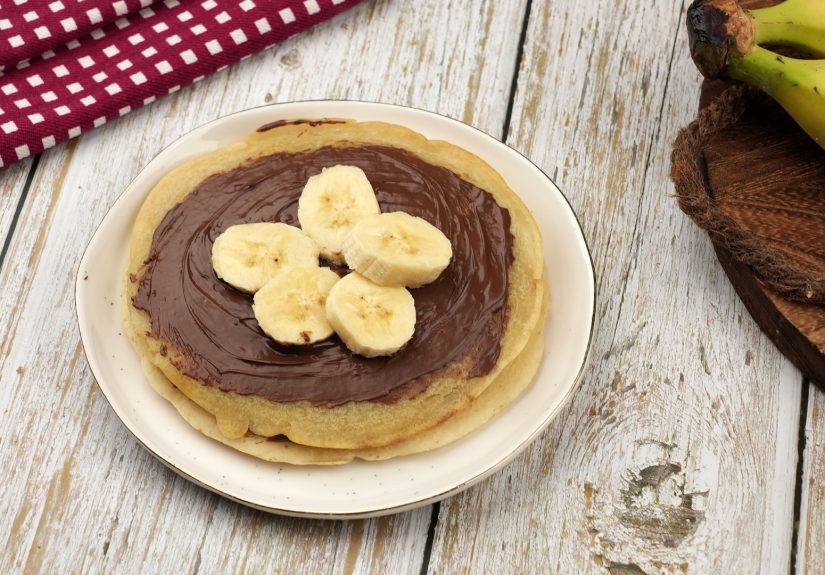
Serve the pancakes warm with maple syrup, fruit, dairy-free butter, peanut butter, jam, powdered sugar, or a spoonful of applesauce. For a dessert-style breakfast, add chocolate chips or a drizzle of melted dairy-free chocolate. For a fresher plate, top with berries and sliced bananas.
These pancakes are best right off the skillet, but leftovers can be stored in an airtight container in the refrigerator for up to three days. Reheat them in a toaster, skillet, or microwave. You can also freeze them with parchment paper between each pancake, then warm them later for a fast breakfast.
Best Substitutes for Eggs in Pancakes
This recipe does not require a specific egg substitute, which keeps it simple. Still, if you want extra moisture or structure, several egg alternatives work nicely in pancakes.
Mashed Banana
Use 1/4 cup mashed ripe banana to replace one egg. Banana adds sweetness and moisture, but it also adds banana flavor. This is wonderful if you like banana pancakes and less wonderful if you were hoping for a neutral taste.
Applesauce
Unsweetened applesauce is a gentle, reliable option. Use 1/4 cup for extra moisture and mild binding. It keeps the pancakes soft without taking over the flavor.
Flaxseed or Chia Seeds
Mix 1 tablespoon ground flaxseed or chia seeds with 3 tablespoons water, then let it sit for 5 minutes until gel-like. This works well for binding, especially in whole grain pancakes. Flax can add a slightly nutty taste.
Aquafaba
Aquafaba, the liquid from canned chickpeas, can help lighten pancake batter. Use about 3 tablespoons to replace one egg. Do not worry; your pancakes will not taste like hummus unless you make several unusual decisions afterward.
Best Milk Substitutes for Pancakes
You can make pancakes with water, but plant-based milk usually gives a richer result. Unsweetened oat milk is creamy and neutral. Almond milk is light and easy to find. Soy milk gives more body and protein. Coconut milk beverage adds a gentle sweetness, though canned coconut milk may be too rich unless diluted.
Avoid strongly flavored plant-based milks unless you want that flavor in your pancakes. Vanilla oat milk can be delicious, but sweetened chocolate almond milk may turn breakfast into a dessert negotiation. That may not be a problem, depending on the morning.
Troubleshooting Eggless Pancakes
Why Are My Pancakes Flat?
Flat pancakes usually happen because the baking powder is old, the batter was overmixed, or the batter sat too long before cooking. Use fresh baking powder and stir only until combined. Let the batter rest briefly, then cook it while the leavening is still active.
Why Are My Pancakes Gummy?
Gummy pancakes may come from too much liquid, low pan heat, or undercooking. Make sure the batter is not too thin and cook over medium heat. The surface should form bubbles and the edges should look set before flipping.
Why Are My Pancakes Burning?
If the outside burns before the inside cooks, your pan is too hot. Lower the heat and give the pan a minute to adjust. Medium heat is the sweet spot. Pancakes need warmth, not a volcanic experience.
Why Do My Pancakes Fall Apart?
Pancakes may fall apart if the batter is too thin, the pan is not greased, or you flip too early. Let the first side cook until bubbles appear and the edges look dry. If needed, add a tablespoon of flour to thicken the batter.
Flavor Variations for Pancakes Without Eggs or Milk
Once you master the basic recipe, you can customize it in dozens of ways. Add blueberries for a classic breakfast. Stir in chocolate chips for a kid-friendly stack. Add cinnamon and diced apples for fall flavor. Mix in lemon zest and poppy seeds for a bright weekend brunch.
For protein-rich pancakes, replace a few tablespoons of flour with a plant-based protein powder, but do not overdo it. Too much protein powder can make pancakes dry. For a cozy version, add pumpkin puree, cinnamon, nutmeg, and a splash of vanilla. For a tropical version, use coconut milk beverage and top with pineapple.
You can also turn these pancakes savory by reducing the sugar to 1 teaspoon and skipping the vanilla. Add chopped scallions, corn, black pepper, or herbs. Serve with avocado, salsa, or a dairy-free yogurt sauce. Pancakes do not always need syrup. Sometimes they want to wear a little dinner jacket.
How to Store and Reheat Dairy-Free Pancakes
Let leftover pancakes cool completely before storing. Place them in an airtight container and refrigerate for up to three days. For longer storage, freeze them in a single layer first, then transfer them to a freezer-safe bag. This prevents them from freezing into one giant pancake brick.
To reheat refrigerated pancakes, use a toaster for crisp edges, a skillet for fresh-off-the-pan texture, or a microwave for speed. Frozen pancakes can go straight into the toaster or oven. If microwaving, cover with a slightly damp paper towel to keep them soft.
of Real-Life Pancake Experience: What Actually Helps
Making pancakes without eggs or milk becomes much easier after you stop trying to make them behave exactly like traditional pancakes. They are close cousins, not identical twins. The first experience many people have with eggless pancakes is a little suspicious: the batter looks too simple, the ingredient list seems too short, and the cook starts wondering if breakfast is about to become a science fair project. But once the first pancake bubbles, flips, and lands on the plate looking perfectly respectable, confidence arrives quickly.
One of the most useful lessons is that batter thickness matters more than fancy ingredients. A slightly thick batter usually makes fluffier pancakes. If the batter spreads too quickly in the pan, the pancakes turn thin and soft. If it barely moves, the centers may stay doughy. The best texture comes from a batter that slowly pours and gently spreads into a circle. It does not have to be perfect. Pancakes are rustic food, which is a polite way of saying circles are optional.
Another experience-based tip is to avoid flipping too early. Egg-free pancakes can be a little more delicate before they set. Wait until bubbles appear across the top and the edges look less shiny. When the pancake is ready, the spatula should slide underneath without a wrestling match. If you have to scrape, plead, or negotiate, wait another 20 seconds.
Plant-based milk can change the final result. Oat milk often creates the softest and most familiar pancake texture because it has natural sweetness and body. Soy milk also works well and gives a sturdy pancake. Almond milk makes a lighter pancake. Water is the most basic option, but it still works when the pantry is doing its best impression of a desert. When using water, vanilla extract and a little extra sugar help round out the flavor.
The cooking surface also makes a big difference. A nonstick skillet is the easiest choice for beginners. Cast iron gives beautiful browning but needs proper preheating and a light layer of oil. Too much oil can fry the edges; too little can cause sticking. A thin, even coating is enough. If the pancakes come out greasy, wipe the pan lightly before the next batch.
The most charming part of making pancakes without eggs or milk is how practical they are. They are inexpensive, quick, and friendly to many diets. They are also a great recipe for kids, college students, new cooks, and anyone who has ever opened the fridge and discovered that yesterday’s grocery optimism did not survive reality. You can make them on a weekday, dress them up for brunch, or freeze them for busy mornings.
Most importantly, do not judge the whole batch by the first pancake. The first pancake is the kitchen’s handshake. It checks the heat, tests the batter, and occasionally sacrifices itself for the greater good. By the second or third pancake, the pan settles, the cook relaxes, and breakfast starts looking like a plan. With a good basic recipe and a little practice, eggless dairy-free pancakes become less of a backup option and more of a reliable favorite.
Conclusion
Learning how to make pancakes without eggs or milk is simple once you understand the basic formula. Flour builds structure, baking powder creates lift, liquid loosens the batter, oil adds tenderness, and gentle mixing keeps everything soft. In seven steps, you can turn everyday pantry ingredients into a warm stack of pancakes that tastes comforting, flexible, and completely breakfast-worthy.
These pancakes are ideal for vegan breakfasts, allergy-friendly meals, tight grocery days, and mornings when the fridge has chosen chaos. Keep the heat moderate, do not overmix, flip when bubbles form, and remember: syrup covers many imperfections, but a good recipe prevents most of them.
Note: This article is written in original, publish-ready American English and synthesizes practical cooking guidance from established recipe and food-safety knowledge without inserting unnecessary source-link elements.