Table of Contents >> Show >> Hide
- What Is a Dollar Bill Rose?
- Why Make a Rose Out of Money?
- Materials You Will Need
- Important Tip: Keep the Money Spendable
- How to Make a Dollar Bill Rose: 7 Steps
- Beginner Tips for a Better Money Rose
- Creative Ways to Gift a Dollar Bill Rose
- How Many Bills Should You Use?
- Common Mistakes to Avoid
- Experiences and Practical Lessons from Making Dollar Bill Roses
- Frequently Asked Questions
- Conclusion
A dollar bill rose is one of those tiny craft miracles that makes people stop, smile, and say, “Wait… is that real money?” It is part origami, part gift wrapping, part floral arrangement, and part harmless showing off. Instead of handing someone cash in an envelope like you forgot their birthday until the driveway, you can turn a few bills into a thoughtful handmade keepsake.
The best part? You do not need to be an origami master with a mysterious drawer full of bone folders and perfectly square paper. A dollar bill already has the right shape, weight, and flexibility for folding. With a little patience, a few crisp bills, and a twist of floral wire, you can create a money rose that looks elegant enough for graduations, weddings, birthdays, Valentine’s Day, Mother’s Day, or any occasion where cash is welcomewhich, let’s be honest, is most occasions.
This guide walks you through how to make a dollar bill rose in 7 steps, with beginner-friendly tips, common mistakes to avoid, styling ideas, and practical advice for keeping the bills usable afterward. Because the only thing better than a beautiful handmade rose is one your recipient can eventually unfold and spend.
What Is a Dollar Bill Rose?
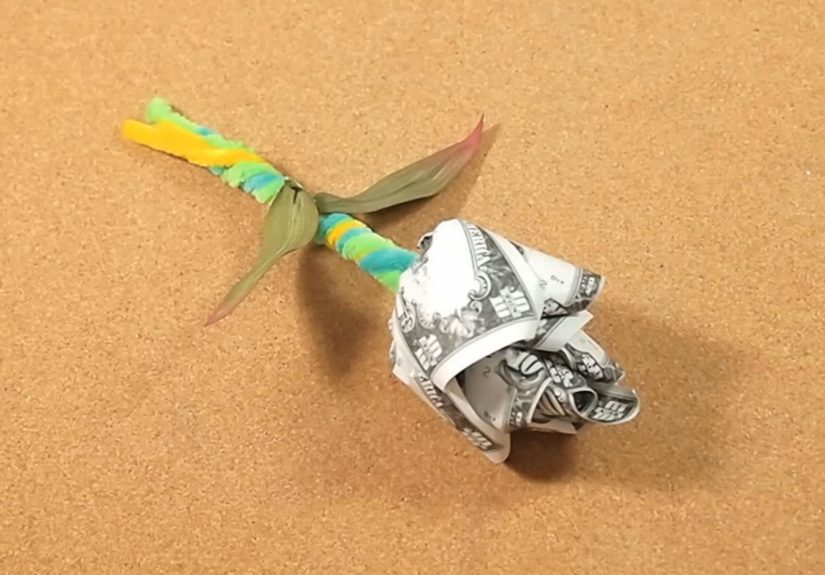
A dollar bill rose is a decorative flower made by folding U.S. dollar bills into petals and arranging them around a center bud. It is often called a money rose, dollar bill flower, cash rose, or money origami rose. Some versions use one bill for a simple bud, while fuller designs use three, five, or even seven bills for a more realistic bloom.
The technique is inspired by origami, but it is not always strict traditional origami. Many money rose designs use floral wire, twist ties, or removable tape to hold the petals together. That makes the craft easier for beginners and helps the finished rose stay in shape long enough to survive gift-giving, transportation, and enthusiastic relatives.
Why Make a Rose Out of Money?
Cash is practical. A rose is romantic. Put them together and you get a gift that says, “I care about you, and I also understand that groceries cost real money.” A dollar bill rose works beautifully when you want to give cash but do not want it to feel cold or last-minute.
It is especially popular for graduation gifts, bridal showers, weddings, anniversaries, quinceañeras, teacher gifts, retirement parties, and creative tips. You can make a single rose with one-dollar bills, a more impressive rose using five-dollar bills, or a luxurious bouquet with twenties if you are feeling generousor if you are trying to become the favorite aunt.
Materials You Will Need
Before folding, gather your supplies. Having everything ready keeps the project smooth and prevents that classic crafting moment where you are holding a half-folded bill with one hand and searching for wire cutters with the other.
Basic supplies
- 3 to 5 crisp dollar bills for one rose
- Floral wire, pipe cleaner, or a clean twist tie
- Green floral tape
- A wooden skewer, pencil, or chopstick for curling petals
- Optional artificial leaves or greenery
- Optional ribbon, gift tag, or small vase
Crisp bills are easier to fold and hold their shape better than soft, wrinkled bills. If your bills look like they survived a laundromat adventure, choose newer ones from the bank. Avoid ironing money directly with high heat. If you want flatter bills, place them inside a book for a day or smooth them gently by hand.
Important Tip: Keep the Money Spendable
When making a dollar bill rose, avoid cutting, gluing, stapling, taping permanently, or writing on the bills. The safest approach is to fold the bills and secure them with removable wire or floral tape around the stem area only. This keeps the money intact, recognizable, and easier for the recipient to unfold later.
U.S. currency is durable because it is made from a cotton-and-linen blend, not ordinary paper. That durability helps it handle folding, curling, and light shaping. Still, treat it gently. Your goal is a rose, not a crime scene for George Washington.
How to Make a Dollar Bill Rose: 7 Steps
This 7-step dollar bill rose tutorial uses five bills for a full-looking flower. You can use three bills for a smaller rose or more bills for a dramatic bouquet-style bloom. Practice first with play money or rectangular paper cut to the size of a dollar bill if you are nervous.
Step 1: Choose and Prepare Your Dollar Bills
Pick five clean, crisp dollar bills. Lay them flat on a table with the same side facing up. This makes the final rose look more consistent. If you want the portrait to show in the petals, place the bills face up. If you prefer the decorative back side, use that side instead.
Lightly smooth each bill with your fingers. Do not overwork the paper. Sharp creases can be useful, but too many random creases make the rose look tired before it has even bloomed.
Step 2: Fold Each Bill Lengthwise
Take one bill and fold it in half lengthwise, matching the long edges. Press the crease gently. Then unfold it. This center crease gives you a guide for shaping the petal.
Next, fold the top and bottom long edges toward the center crease, almost like you are making a long narrow boat. You do not need to be mathematically perfect. Close enough is fine. Flowers in nature are not measured with rulers, and your money rose gets the same grace.
Step 3: Curl the Corners to Create Petals
Use a pencil, skewer, or chopstick to curl the four corners of the bill outward. Roll each corner lightly around the tool, then release it. The curl should be soft and natural, not tight like a party streamer.
This step is what changes the bill from “folded rectangle” to “rose petal.” For a realistic look, curl some corners slightly more than others. Real roses have variation. Perfect symmetry can look stiff, while gentle unevenness looks alive.
Step 4: Pinch the Center of the First Bill
Pick one folded and curled bill to become the center bud. Pinch it in the middle so the curled ends rise upward like small petals. Wrap floral wire or a twist tie around the pinched center and twist it snugly underneath.
Shape the bill into a tight inner bud with your fingers. The center should look compact, like a rose just beginning to open. Do not crush it. A light pinch is enough.
Step 5: Add More Bills Around the Center
Take the second folded bill, pinch it in the center, and place it around the first bud at a slight angle. Secure it with the same wire by wrapping or twisting underneath. Repeat with the third, fourth, and fifth bills, rotating each one around the center so the petals spread evenly.
Think of the arrangement like building a spiral. Each new bill should overlap the previous one a little. This layering creates fullness and gives the rose its classic blooming shape. If the flower looks flat, gently lift the curled edges. If it looks too tight, loosen the petals with your fingertips.
Step 6: Wrap the Stem with Floral Tape
Once all petals are attached, gather the wire ends together to form a stem. Starting just below the bloom, wrap green floral tape around the base and continue down the wire. Stretch the tape slightly as you wrap; floral tape sticks best when it is pulled and warmed by your fingers.
If you want a fuller arrangement, add artificial leaves as you wrap the stem. Place the leaf stem against the wire, then cover it with floral tape. This makes the dollar bill rose look more like a real flower and less like cash wearing a disguise.
Step 7: Shape, Fluff, and Display the Rose
Now comes the fun part: styling. Gently open the outer petals with your fingers. Curl the edges a little more if needed. Rotate the flower and check it from every angle. If one side looks thin, slide a petal slightly outward or adjust the overlap.
You can present the rose in a small vase, attach it to a wrapped gift, place it in a bouquet of silk flowers, or tie it with ribbon. Add a small note explaining that the bills are folded, not glued, so the recipient can unfold and use them later. This is especially helpful because some people will admire the rose so much they may be afraid to touch it.
Beginner Tips for a Better Money Rose
Use the right bills
Newer bills make cleaner petals. Old bills can work, but they may sag or look bulky. If you are making a rose for a formal occasion, ask your bank for fresh bills.
Practice with paper first
Cut regular paper into rectangles about the size of a dollar bill. Practice the folds, curls, and petal placement before using real money. This saves frustration and protects your cash from becoming a wrinkled science project.
Do not over-tighten the wire
The wire should hold the bills securely without tearing or deeply marking them. If you twist too hard, you can crease the center too aggressively. Snug is good. Mechanical-level torque is not.
Vary the petal angles
A rose looks more natural when the petals are layered at different angles. Rotate each bill as you add it, and let the curled corners face outward.
Keep it removable
Use floral wire, twist ties, or pipe cleaners instead of glue. The recipient should be able to take the rose apart without damaging the bills.
Creative Ways to Gift a Dollar Bill Rose
A single dollar bill rose is charming, but you can easily turn it into a showstopper. For a graduation gift, make a bouquet using bills in the graduate’s school colors by adding ribbon and tissue paper. For a wedding, mix money roses with silk white roses and greenery. For a birthday, place one money rose in a cupcake box with a tag that says, “A little dough for your big day.” Yes, it is cheesy. That is why it works.
You can also make a “money garden” by placing several dollar bill roses in a small pot filled with floral foam. Cover the foam with shredded paper or moss, then tuck in a gift card. For Valentine’s Day, use red ribbon and a handwritten note. For Mother’s Day, add a few real flowers around the money rose so the gift feels lush and personal.
How Many Bills Should You Use?
The number of bills depends on the look and value you want. A three-bill rose is simple, lightweight, and beginner-friendly. A five-bill rose looks fuller and more realistic. A seven-bill rose is dramatic, especially if you are making a centerpiece or bouquet.
You are not limited to one-dollar bills. Five-dollar bills, ten-dollar bills, twenties, fifties, or hundreds can all be used. Just remember that the more valuable the bill, the more nervous your hands may become. If you are folding a hundred-dollar rose, practice first. Your wallet deserves respect.
Common Mistakes to Avoid
Using worn-out bills
Soft bills do not hold curls well. They can make the rose look floppy. Choose crisp bills whenever possible.
Making the petals too tight
If every petal is wrapped tightly around the center, the rose may look more like a cabbage than a flower. Open the outer petals and let them breathe.
Using permanent adhesives
Glue and tape can damage bills. They also make it harder for the recipient to use the money later. Removable wrapping is the better choice.
Skipping the note
Always include a small note explaining how to untwist the wire and remove the bills. This prevents the recipient from accidentally ripping the rose apart like they are defusing a tiny cash bomb.
Experiences and Practical Lessons from Making Dollar Bill Roses
The first time you make a dollar bill rose, expect it to look slightly confused. That is normal. Most handmade flowers go through an awkward stage where they look less like a rose and more like money having an identity crisis. The secret is not perfection; it is shaping. Once you curl the corners, rotate the petals, and fluff the outer layers, the flower suddenly comes together.
One of the biggest lessons is that crisp bills make the project dramatically easier. With fresh bills, the folds behave, the petals stand up, and the curls hold their shape. With wrinkled bills, you spend more time persuading the paper than folding it. If you are preparing several roses for a wedding or graduation bouquet, getting clean bills from a bank is worth the extra errand.
Another useful experience is learning how little pressure you actually need. Beginners often pinch too hard, twist the wire too tightly, or over-crease every fold. A rose needs softness. Money origami works best when the structure is firm at the center but relaxed at the edges. Think “secure base, graceful petals.” If the flower looks harsh, gently roll the corners outward again and loosen the outer bills.
Dollar bill roses are also surprisingly good conversation starters. People love receiving cash, but they love discovering cash even more. A folded rose turns a practical gift into a reveal. At graduations, the bouquet usually gets passed around before the graduate even counts it. At birthdays, it becomes a photo prop. At weddings, it can be tucked into a card box or displayed near the guest book as a playful cash gift.
For larger projects, assembly-line folding helps. Fold all bills lengthwise first. Then curl every corner. Then pinch and attach each petal. This is much faster than completing one rose from start to finish before starting the next. It also helps keep the roses consistent in size and shape.
If you are gifting the rose to someone practical, make the design easy to dismantle. Use a twist tie or floral wire that can be untwisted without tools. Avoid hiding tape under the petals. The recipient should not need a tutorial, tweezers, or emotional support to access the money.
Finally, remember that charm beats perfection. A handmade dollar bill rose carries personality. A slightly uneven petal says, “I made this with my own hands.” A perfectly plain envelope says, “The drugstore was on the way.” Both deliver money, but only one gets displayed on the kitchen counter.
Frequently Asked Questions
Can I make a dollar bill rose with only one bill?
Yes. A one-bill rose is usually more like a small bud than a full flower. It is faster and simpler, but it will not have the layered look of a rose made with three to five bills.
Can I use fake money for practice?
Absolutely. Play money or rectangular craft paper is perfect for practice. Just cut it close to the size of a real dollar bill so the folds behave similarly.
Is a dollar bill rose good for beginners?
Yes. This project is beginner-friendly because the folds are simple and the final shape is forgiving. The wire helps hold everything together, so you do not have to rely only on precision folding.
Can the recipient still spend the money?
Yes, as long as you do not cut, glue, staple, or permanently damage the bills. Use removable wire or twist ties and include a note explaining how to unfold the rose.
What occasion is best for a money rose?
Dollar bill roses work well for birthdays, graduations, weddings, anniversaries, Valentine’s Day, Mother’s Day, Father’s Day, teacher appreciation gifts, and creative cash tips.
Conclusion
Learning how to make a dollar bill rose is a simple way to turn cash into a memorable gift. With a few crisp bills, light folding, curled corners, and a wrapped wire stem, you can create a handmade money flower that feels thoughtful, playful, and surprisingly elegant.
The key is to keep the folds clean, the petals soft, and the bills undamaged. Start with three to five bills, practice with paper if needed, and do not worry if your first rose is not florist-window perfect. Handmade gifts are supposed to have character. Besides, even if the rose comes out a little quirky, it is still made of moneyand that is a pretty forgiving flower.