Table of Contents >> Show >> Hide
- Before You Install: Quick Checklist (So You Don’t Get Ambushed Later)
- Method 1: Install Microsoft Teams on iPhone or iPad (iOS/iPadOS)
- Method 2: Install Microsoft Teams on Android (Google Play Store)
- First Launch: Sign In to Microsoft Teams (The Part Everyone “Loves”)
- After Sign-In: Set Up Teams Like a Person Who Enjoys Peace
- Common Installation Problems (and Fixes That Actually Work)
- Safety and Privacy Tips (Because Your Phone Is Basically Your Life)
- Quick “With Pictures” Publishing Checklist
- Real-World Installation Stories & Lessons Learned (Experience)
- Conclusion
Installing Microsoft Teams on your phone should be a “two-minute job” that somehow turns into a 12-minute adventure involving passwords,
app stores, and that one Wi-Fi network that pretends it’s connected but isn’t. Let’s make it actually take two minutes.
In this guide, you’ll learn how to install Microsoft Teams on a mobile device (iPhone/iPad or Android), sign in the right way
(work/school vs personal), and fix the common “Why is this not working?” momentscomplete with picture prompts so you can add
screenshots when publishing.
Before You Install: Quick Checklist (So You Don’t Get Ambushed Later)
1) Confirm your device is supported
Teams on mobile generally works best when your device is on a recent operating system. Microsoft’s guidance commonly focuses on supporting
the most recent major versions of Android and iOS for reliability and security. If your phone is very old, you might see “not compatible”
or you may not get the newest Teams features.
2) Know which account you’re using
- Work or school: you’ll sign in with an organizational email (often through Microsoft 365).
- Personal: you’ll sign in with a Microsoft account (like Outlook.com/Hotmail) for Teams Free/personal use.
3) Have these ready
- Your email and password (or a password manager that actually remembers the password).
- Your second step for sign-in (text code, email code, or an authenticator app) if your org uses two-step verification.
- A stable connection (Wi-Fi is ideal for the initial download).

Method 1: Install Microsoft Teams on iPhone or iPad (iOS/iPadOS)
Step 1: Open the App Store
- Tap the App Store icon.
- Tap Search.
- Type Microsoft Teams.

Step 2: Download and install
- Select Microsoft Teams from the results.
- Tap Get (or the cloud download icon if you’ve installed it before).
- Authenticate if prompted (Face ID/Touch ID/Apple ID password).
- Wait for the download to finish, then tap Open.

Step 3: Allow key permissions (recommended)
Teams may ask for permissions like notifications, microphone, and camera. If you plan to do calls or meetings, you’ll want those enabled.
You can always adjust permissions later in Settings.

Method 2: Install Microsoft Teams on Android (Google Play Store)
Step 1: Open the Google Play Store
- Tap the Play Store app.
- Tap the search bar and type Microsoft Teams.
- Select the official app and confirm the publisher is Microsoft.

Step 2: Install and open
- Tap Install.
- When it finishes, tap Open.

Step 3: Approve permissions (when needed)
Android may request permissions as you use features (camera, mic, notifications). If you deny something accidentally,
don’t panicthis is fixable in Settings > Apps > Teams > Permissions.
First Launch: Sign In to Microsoft Teams (The Part Everyone “Loves”)
Step 1: Choose the right sign-in path
When Teams opens, you’ll see a sign-in screen. The exact wording varies, but the core choice is the same:
work/school account versus personal Microsoft account.

Step 2: Sign in with your work or school account
- Enter your work/school email (example: [email protected] or [email protected]).
- Enter your password.
- If prompted, complete your organization’s security step (code, approval prompt, etc.).
- Follow any on-screen setup prompts (like accepting policies or choosing notification settings).
Pro tip: Some organizations require multi-factor authentication (MFA). If you get asked for a code or an approval prompt,
that’s normal. Keep your phone nearbyyes, you’re using your phone to sign into your phone. Welcome to 2026.
Step 3: Sign in with a personal Microsoft account (Teams Free)
- Enter your Microsoft account email (Outlook.com, Hotmail, etc.).
- Complete any two-step verification if enabled.
- If you already use Teams Free on desktop, you may be able to sign in faster with a QR code option.

After Sign-In: Set Up Teams Like a Person Who Enjoys Peace
1) Turn on notifications (or you’ll miss everything)
Teams notifications are powerful… once they’re allowed. If you want meeting reminders, chat alerts, or channel mentions,
enable notifications at both the device level and inside Teams.
- In Teams, open your profile/account menu.
- Go to Notifications.
- If Teams says notifications are off, use the “Open settings” option (or manually enable in your phone settings).

2) Test your audio and video (before your first meeting, not during)
- Start a test call (if your organization allows it) or join a low-stakes meeting.
- Confirm the correct microphone and camera are selected.
- Use headphones if you don’t want your phone to sound like it’s speaking from inside a coffee can.
3) Add a second account (optional)
Many people use Teams for both work and personal stuff. If your app supports multiple accounts, you can add another account from the
account/profile menu and switch between them. Just remember which hat you’re wearing before you send a message.
Common Installation Problems (and Fixes That Actually Work)
Problem: “This app isn’t compatible with your device”
- Likely cause: Your Android/iOS version is too old for the current Teams release.
- Fix: Update your device OS if possible, then try again. If your phone can’t update, you may need a newer device to run the latest Teams.
Problem: Teams downloads… then stalls forever
- Switch to a stronger Wi-Fi network (or try cellular if Wi-Fi is flaky).
- Check storage spacelow storage can cause silent install failures.
- Restart your phone (the classic move because it works more often than it should).
Problem: Google Play Store won’t install Teams
- Update the Play Store and your Android system components.
- Clear Play Store cache/data if downloads are failing (a common official troubleshooting step).
- Try installing again after restarting.
Problem: Sign-in loops or “Can’t sign in”
- Double-check the account type: work/school vs personal Microsoft account.
- If your org uses MFA, complete the verification step promptly (codes can expire).
- Confirm date/time are correct on your phone (security tokens hate time travel).
- If your organization manages devices, you may need to approve a device management prompt or install a companion security app.
Problem: No notifications (the “Teams ghosted me” issue)
- Enable notifications in the phone’s system settings for Teams.
- Enable notifications inside Teams.
- Check Focus/Do Not Disturb modes and notification summaries (they can delay alerts).
Safety and Privacy Tips (Because Your Phone Is Basically Your Life)
- Install from official stores: App Store on iOS, Google Play on Android. Avoid random download sites.
- Review permissions: Camera and microphone are important for calls, but you can restrict what you don’t use.
- Log out if you share devices: Especially on tablets used by a family or classroom.
- Update regularly: App updates can fix bugs and improve security.
Quick “With Pictures” Publishing Checklist
If you’re adding screenshots to match this article, aim for these moments:
- App Store / Play Store search results
- Teams listing page with Get/Install button
- First sign-in screen
- Permission prompts (notifications/mic/camera)
- Teams notification settings page
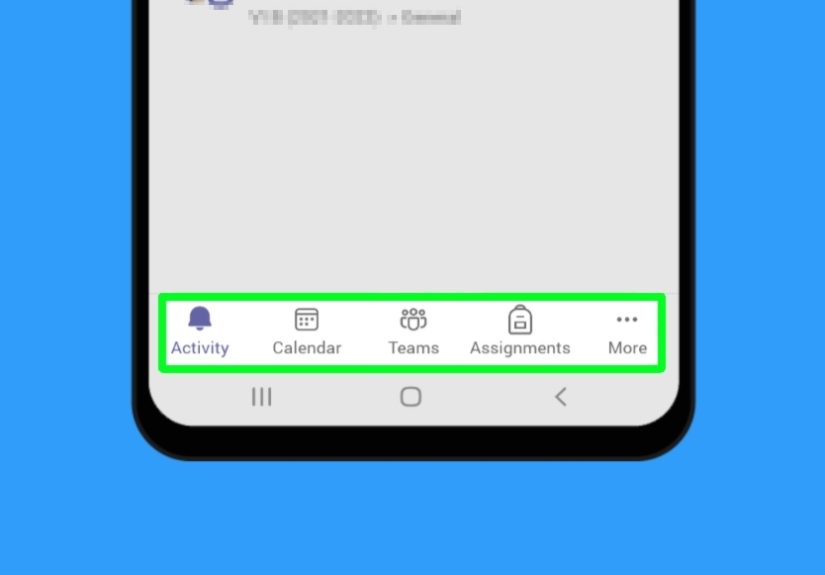
- A successful “You’re in!” home screen (Chat/Teams/Calendar tabs)
Real-World Installation Stories & Lessons Learned (Experience)
Here’s the part nobody tells you: installing Teams isn’t hardinstalling Teams in real life is hard. Real life has weak Wi-Fi,
forgotten passwords, and that one relative who insists their phone “updated yesterday” (it did not).
One of the most common experiences is the “I installed it, why can’t I log in?” moment. The culprit is usually account type confusion.
People have a personal Microsoft account for home stuff and a work/school account for Microsoft 365. On desktop, browsers sometimes remember
the “right” one automatically. On mobile, Teams just asks you to sign in and silently watches you pick the wrong email like it’s a game show.
The fix is simple: back up, use the correct account, and complete whatever security step your organization requires.
Another classic scenario: the download finishes, you open Teams, and then you realize notifications are off. Nothing is “broken,” but it feels
brokenbecause you miss messages and meeting reminders. In practice, the best habit is turning on notifications during the first launch and then
customizing them right away. That way Teams doesn’t interrupt your day for every channel post, but you still get alerts for direct messages,
mentions, and meetings. Think of it as training Teams to be helpful, not clingy.
Android users often run into the “install stuck” problem when storage is low or the Play Store is misbehaving. The real-world fix that works
surprisingly well is a quick cleanup (delete a few huge videos you forgot existed), restart the phone, and try again on a stable Wi-Fi network.
If Play Store downloads fail across multiple apps, clearing Play Store cache/data is frequently the turning point.
For work-managed phones, the experience can feel like installing Teams plus a small parade of security steps. You might be asked to approve a
sign-in prompt, verify with an authenticator app, or accept organizational policies. It can feel annoying, but it’s also why your company can
protect sensitive chats and files if your phone is lost. The best approach is patience: follow the prompts, read the “Allow” screens carefully,
and avoid dismissing pop-ups too quickly (they tend to come back… with friends).
Finally, the most underrated tip: do a “test run” before your first real meeting. Open Teams, check the camera and mic permissions, and join a
low-stakes call or meeting link. The goal is to discover any permission blocks or audio issues when the stakes are lowso you’re not trying to
troubleshoot while 12 people stare at your profile picture like it owes them money.
Conclusion
Installing Microsoft Teams on a mobile device is straightforward when you follow the official path: download from the App Store or Google Play,
sign in with the correct account type, complete any two-step verification, and turn on notifications so Teams can actually do its job. Add a quick
audio/video check and you’re ready for chats, channels, and meetingswithout the “Why can’t anyone hear me?” opening line.