Table of Contents >> Show >> Hide
- Start With the Hamster Rulebook: Fun Must Feel Safe
- How to Bond Before You Try to Play
- 10 Fun Ways to Play With Your Hamster
- How to Make the Habitat More Fun Every Day
- Things That Ruin the Mood Fast
- What Fun Looks Like for Different Hamster Personalities
- Real-World Experiences: What Hamster Fun Often Looks Like in Daily Life
- Final Thoughts
Living with a hamster is a little like living with a tiny, fuzzy comedian who works the night shift. Just when you think the house is calm, your hamster is sprinting on the wheel like it is training for the rodent Olympics, stuffing snacks into its cheeks like a bargain shopper at a warehouse sale, and disappearing into a pile of bedding with the confidence of a magician finishing a grand finale.
If you want to have fun with your hamster, the trick is not to force “fun” the human way. Your hamster is not looking for a dance party, a loud family gathering, or an exciting afternoon of being carried around like a celebrity handbag. Hamster fun usually looks like safe exploration, gentle interaction, food puzzles, tunnels, hideouts, and routines that build trust over time. Once you understand that, everything gets better. Your hamster is happier, you are less likely to get a surprise nibble, and the two of you can actually enjoy each other.
This guide covers how to play with your hamster, how to make hamster bonding feel natural, and how to create enrichment that is fun without being stressful. In other words, we are aiming for “adorable sidekick energy,” not “tiny roommate filing a complaint.”
Start With the Hamster Rulebook: Fun Must Feel Safe
Before you plan games and activities, remember one important truth: a hamster only has fun when it feels secure. If your pet is scared, sleepy, startled, or trapped in an environment that feels too loud or too bright, even the cutest toy in the world will not impress it. In hamster language, trust comes first.
Respect your hamster’s schedule
Hamsters are usually most active in the evening and overnight. That means your best bonding sessions often happen when you are winding down and your hamster is just clocking in. Try interacting when your hamster wakes up on its own instead of pulling it out of its hideout for an unwanted daytime meet-and-greet. Nobody likes being dragged out of bed, and hamsters are especially dramatic about it.
Go slow with handling
If your hamster is new, begin with calm, short sessions. Let it sniff your hand, hear your voice, and connect you with good things like tiny treats. Gentle, predictable handling helps many hamsters become more confident. Sudden grabbing, squeezing, chasing, or scooping from above can feel scary because small prey animals are wired to be cautious. If your hamster seems tense, back off and try again later.
Create a safe play zone
Fun time should happen in a secure, escape-proof area. A playpen, a large dry bathtub with a towel for traction, or a carefully pet-proofed floor space can work well. Remove electrical cords, houseplants, gaps behind furniture, and anything your hamster can chew, climb, or disappear into. Hamsters are cute, but they are also suspiciously talented escape artists.
How to Bond Before You Try to Play
If you are wondering how to have fun with your hamster when it still acts like you are a giant tax auditor, start with bonding instead of games. Trust-based fun lasts longer.
Use your voice
Talk softly near the cage while you replace water, offer food, or spot-clean the habitat. Your hamster will start to recognize your presence as part of a normal, safe routine. No need for a motivational speech. A calm “hey, tiny bean” works just fine.
Offer treats from your fingers
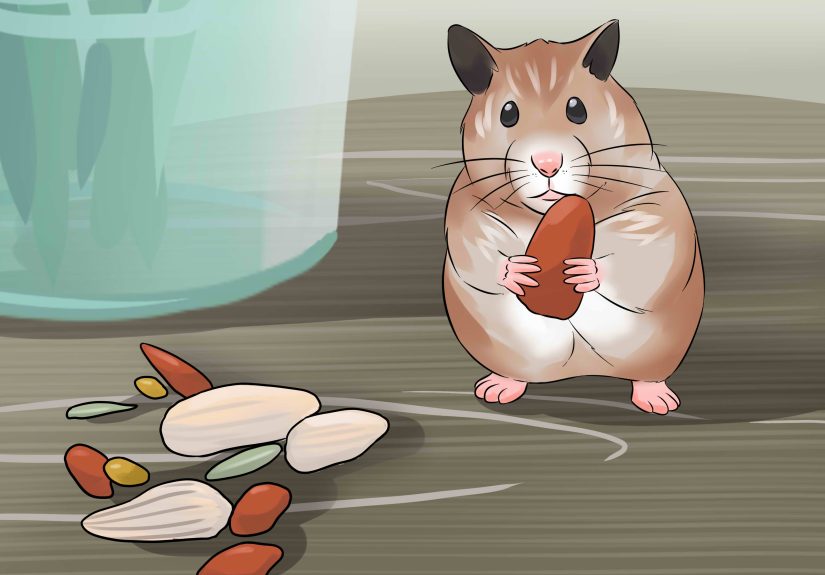
Choose small hamster-safe treats and let your pet come to you. This builds confidence and teaches your hamster that your hand is not a surprise crane machine. Keep portions tiny, because treats should stay treats, not become a full buffet.
Use a cup or tunnel taxi
Some hamsters prefer stepping into a small cup, tunnel, or hideout to be moved rather than being picked up immediately. This is especially helpful for shy pets. Once your hamster is comfortable, you can gradually move toward hand handling.
10 Fun Ways to Play With Your Hamster
1. Build a tunnel city
Hamsters love to explore enclosed spaces. Cardboard tubes, pet-safe tunnels, small boxes, and hideouts can become an entire underground-style adventure map. Rearrange the layout every so often to keep things interesting. You do not need a fancy setup. To your hamster, one cardboard tube placed at a dramatic angle is basically modern architecture.
2. Make a dig box
A dig box is one of the best hamster enrichment ideas because it taps into natural behaviors like burrowing and foraging. Fill a shallow container with hamster-safe bedding or substrate and hide a few treats, bits of food, or chew items inside. Your hamster gets exercise, mental stimulation, and the joy of acting like a tiny archaeologist.
3. Create a treat hunt
Instead of putting every snack in one predictable spot, hide small pieces around the habitat or play area. Tuck them into paper, place them under a bridge, or scatter them lightly through safe bedding. This gives your hamster a chance to search, sniff, and work for its reward. The result is less boredom and more natural, satisfying activity.
4. Set up a simple obstacle course
Use tunnels, low ramps, boxes, and safe platforms to build a mini course. Keep everything low to the ground to avoid falls. The goal is exploration, not athletic humiliation. Let your hamster move at its own pace, and never force it through the course like a tiny contestant on a reality show.
5. Offer supervised free-roam time
In a secure area, let your hamster explore beyond the enclosure for a short session. Add hideouts, tunnels, and a few toys so the space feels exciting but not overwhelming. Supervised out-of-cage exercise is often one of the most rewarding forms of hamster play because it gives your pet more room to move, sniff, and investigate.
6. Rotate toys instead of piling them up
More is not always better. A habitat crammed with every toy you own can become cluttered instead of enriching. Try rotating chew toys, tunnels, houses, and forage items every week or two. Novelty matters. A toy that was ignored last month may become fascinating after a short break.
7. Try hand-walking sessions
Once your hamster is comfortable being handled, let it walk from one hand to the other over a soft surface. This can be a calm and fun way to interact while building trust. Keep your hands low, move slowly, and stop before your hamster becomes restless. The goal is confidence, not acrobatics.
8. Use food puzzles
Stuff a little paper into a cardboard tube with a treat inside, fold a paper bag loosely around food, or use pet-safe enrichment toys designed for foraging. Puzzle-style feeding encourages curiosity and problem-solving. For a hamster, this is dinner plus entertainment, which is honestly the dream.
9. Add safe chew options
Chewing is not rude behavior. It is normal hamster behavior. Pet-safe chew toys, untreated wood pieces, cardboard items, and species-appropriate accessories can keep your hamster occupied while supporting healthy wear on the teeth. A busy hamster is often a happier hamster.
10. Enjoy “watching time” too
Not all fun has to involve direct handling. Sometimes the best way to enjoy your hamster is to sit quietly and watch it do hamster things: organizing bedding with full professional commitment, rearranging food like a tiny warehouse manager, or sprinting through tunnels as if it has very important business downtown. Observation is still bonding, especially for shy animals.
How to Make the Habitat More Fun Every Day
If you want long-term hamster happiness, daily enrichment matters more than occasional fancy play sessions. Think of the enclosure as your hamster’s apartment, gym, snack bar, and entertainment center all rolled into one very small zip code.
Give plenty of bedding depth
Deep bedding encourages burrowing and nest building. Hamsters love making hidden sleeping chambers and tunnels. A shallow layer may look tidy to humans, but it is not nearly as fun for a pet that wants to dig like it is searching for ancient treasure.
Include multiple hideouts
One hideout is good. More than one is better. Different textures and shapes can make the habitat feel more interesting. A hamster that can choose between a wooden house, tunnel, or paper nest often seems more relaxed and curious.
Choose an appropriate wheel
A solid-surface exercise wheel is a classic staple of hamster fun. It should be large enough for your hamster to run with a reasonably straight back. A good wheel supports daily exercise and gives your pet a natural outlet for all that “I have three meetings and zero patience” nighttime energy.
Keep things clean, but do not erase the whole world at once
Cleanliness matters, but a complete habitat overhaul every time can be stressful because it removes familiar scents. Spot-clean regularly, change soiled areas, and do full cleanings thoughtfully. Keeping some familiar bedding or nesting material can help your hamster adjust after cleaning day.
Things That Ruin the Mood Fast
Even loving owners sometimes make hamster play less fun without realizing it. A few small changes can prevent stress.
Do not wake a sleeping hamster for entertainment
This is the hamster version of being yanked out of bed and asked to perform at a party. It rarely ends well.
Do not force physical contact
If your hamster backs away, freezes, chatters, or tries to hide, respect the signal. Pushing through fear does not create bonding. It creates a hamster with opinions, and those opinions may involve teeth.
Do not use loud, chaotic environments
Keep play sessions calm. Blasting music, passing your hamster from person to person, or letting other pets crowd the area turns “fun” into “mild crisis.”
Do not choose unsafe toys
Avoid anything with sharp edges, sticky residue, toxic finishes, loose threads, or gaps where tiny feet can get trapped. Safe hamster toys should be simple, stable, and easy to supervise.
What Fun Looks Like for Different Hamster Personalities
Not every hamster enjoys the same activities, and that is completely normal. Some are outgoing and curious. Others prefer to live like introverts with a strong homebody lifestyle.
The explorer
This hamster loves tunnels, playpens, and anything new. Change the layout often and offer lots of foraging opportunities.
The cautious thinker
This hamster prefers routine and may need more time to warm up. Keep activities short, predictable, and reward-based. Think bonding first, adventure second.
The snack-driven genius
If your hamster would attend business school for sunflower seeds, food puzzles and treat hunts are your best friends. Use that motivation wisely.
The professional home decorator
This hamster may care less about hand play and more about moving bedding, building nests, and redesigning the habitat nightly. For this pet, enrichment inside the enclosure is the best kind of fun.
Real-World Experiences: What Hamster Fun Often Looks Like in Daily Life
Many hamster owners imagine instant friendship on day one. Then reality arrives wearing fluffy pajamas and refusing to come out of the hideout until midnight. That is normal. One of the most common experiences with a new hamster is the slow shift from “You are a giant mystery” to “Fine, you may deliver snacks.” The first week often feels quiet. You refill food, speak softly, and watch your hamster become active when the room is dark. Then one evening it pauses, sniffs your hand, and takes a treat without panicking. That tiny moment can feel like winning an award.
Another very common experience is discovering that hamsters are funniest when you stop trying to make them perform. Owners often plan a perfect play session with tunnels, toys, and elaborate enrichment ideas, only to find that the hamster becomes deeply obsessed with one cardboard tube and spends twenty straight minutes moving bedding into it like a determined interior designer. It is a good reminder that hamster fun is often simple. The best activities usually match natural behavior instead of fighting it.
People also learn quickly that routine matters more than grand gestures. A hamster that seems shy or grumpy during random daytime handling may become relaxed and curious when playtime happens at the same hour each evening. Over time, many pets begin to recognize the sound of a familiar voice, the rustle of a treat bag, or the opening of the habitat door. Some owners notice their hamster coming forward when they approach. Others see a more subtle sign of trust, like grooming in front of them, climbing into a hand voluntarily, or exploring the play area without freezing every few seconds.
There is often a learning curve with out-of-cage time too. The first free-roam session can feel like supervising a popcorn kernel with a secret plan. Your hamster moves fast, changes direction faster, and somehow finds the one corner you forgot to check. Most owners become more confident after creating a better setup: a playpen, several hideouts, low obstacles, and a few foraging spots. Once the environment is secure, playtime gets easier for everyone. The owner relaxes, and the hamster gets to investigate without constant interruptions.
Food-based enrichment tends to be a crowd favorite in real homes. A hamster may ignore an expensive accessory but throw its whole heart into searching for a few hidden bits of food in crinkled paper or digging through substrate to locate a treat. Owners often describe these sessions as the moment they finally understood their pet’s personality. Suddenly the hamster is not just “cute.” It is clever, picky, strategic, stubborn, and hilariously committed to moving one piece of food from one corner to another for reasons known only to itself.
Many people also discover that fun with a hamster includes quiet companionship. Not every bonding session needs a maze or a camera-worthy trick. Sometimes the best experience is sitting nearby in the evening with soft lighting while your hamster runs, burrows, stretches, and settles into its nest. Those calm moments build familiarity. They also help owners notice what their hamster enjoys most, whether that is climbing through tubes, chewing wood, rearranging bedding, or simply taking a snack and vanishing like a tiny furry ghost.
In the end, hamster fun is less about teaching your pet to entertain you and more about learning how your pet already enjoys the world. Once you pay attention to that, playtime becomes easier, bonding becomes more natural, and your hamster starts to feel less like a tiny mystery and more like a very small friend with strong preferences and excellent comedic timing.
Final Thoughts
If you want to have fun with your hamster, think trust, safety, enrichment, and patience. The best hamster activities are the ones that encourage natural behaviors like digging, chewing, exploring, hiding, and foraging. A secure habitat, a calm routine, and short, positive interactions can turn even a shy hamster into a more confident companion over time.
You do not need a giant budget or a social-media-ready setup to make your hamster happy. You just need to pay attention, respect its pace, and create opportunities for it to do what hamsters do best. Add a few tunnels, a dig box, safe chew toys, and some treat hunts, and suddenly your home includes a tiny adventurer with a packed evening schedule.
And honestly, that is pretty fun for both of you.