Table of Contents >> Show >> Hide
- What Are Scented-Leaved Geraniums?
- Why Gardeners Love Scented Geraniums
- Best Growing Conditions for Scented-Leaved Geraniums
- How to Plant Scented-Leaved Geraniums
- How to Prune and Shape the Plant
- How to Propagate Scented-Leaved Geraniums
- Overwintering Scented Geraniums Indoors
- Common Problems and How to Fix Them
- Can You Use Scented Geraniums in the Kitchen?
- Best Ways to Use Scented-Leaved Geraniums in the Garden
- Real-World Growing Experiences With Scented-Leaved Geraniums
- Final Thoughts
- SEO Tags
If your dream plant smells like a lemon grove, a rose bouquet, and a tiny old-fashioned apothecary all at once, scented-leaved geraniums are ready to become your new favorite obsession. These charming pelargoniums are grown more for their fragrant foliage than their flowers, which is great news for gardeners who like a plant with personality. Brush past one on the patio and it releases perfume. Rub a leaf between your fingers and suddenly your afternoon feels much fancier.
Learning how to grow and care for scented-leaved geraniums is not complicated, but there are a few tricks that separate a thriving, lush plant from a sad, floppy one that looks like it needs a pep talk. The good news is that these plants are forgiving, fast-growing, and excellent for containers, sunny windows, porches, herb gardens, and anyone who enjoys telling visitors, “Go ahead, smell this one.”
In this guide, you’ll learn exactly what scented geraniums need: the right light, soil, watering rhythm, pruning routine, propagation method, and overwintering strategy. We’ll also cover common problems, useful varieties, and the real-life growing experiences that make these plants so much fun to keep around.
What Are Scented-Leaved Geraniums?
Scented-leaved geraniums belong to the Pelargonium group, not true hardy geraniums. That botanical mix-up has confused gardeners for ages, but the plants themselves do not seem bothered by the paperwork. They are tender perennials, usually grown as annuals outdoors in colder parts of the United States or kept in pots so they can move indoors before frost.
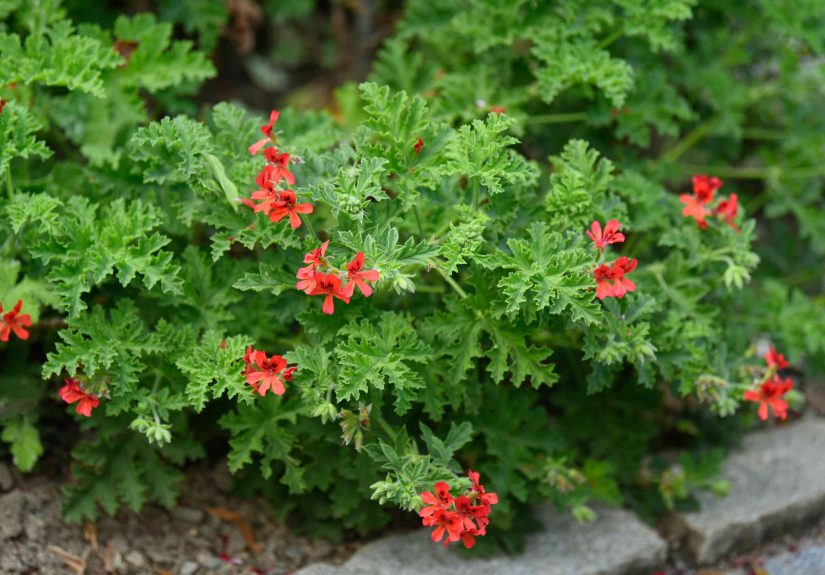
Unlike zonal geraniums that are grown mainly for bright, flashy flowers, scented geraniums are all about the leaves. Their foliage may be fuzzy, frilly, deeply cut, rounded, or velvety, and the fragrance can range from rose, lemon, mint, and orange to coconut, nutmeg, apple, ginger, and even chocolate. In other words, this is the plant family where your garden starts smelling like a dessert cart with excellent taste.
Popular types include rose-scented varieties for classic perfume, lemon-scented forms for fresh citrusy notes, and minty cultivars for a cool, crisp aroma. Some gardeners grow several at once just to create what can only be described as an herb garden with a flair for drama.
Why Gardeners Love Scented Geraniums
There are plenty of reasons these plants have kept their fan club for generations. First, they are versatile. You can grow scented-leaved geraniums in patio pots, window boxes, porch planters, herb gardens, or sunny indoor spots. Second, they are practical. Their fragrant leaves are often used in sachets, potpourri, sugar infusions, simple syrups, and decorative culinary projects when the plants are properly identified and grown without chemical sprays.
Third, they are delightfully interactive. Most plants sit quietly and ask only for water. Scented geraniums invite you to touch, smell, pinch, prune, and propagate. They feel less like background greenery and more like little fragrant roommates that happen to photosynthesize.
Best Growing Conditions for Scented-Leaved Geraniums
Light
Scented geranium care starts with light. These plants perform best in full sun, ideally with at least six hours of direct light a day. In cooler or milder climates, more sun usually means sturdier stems, better branching, and stronger fragrance. In very hot climates, especially where summer afternoons feel like the air is being toasted, a little afternoon shade can help prevent stress.
If your plant becomes lanky, sparse, or generally looks like it is reaching for a better life, low light is often the culprit. Indoors, a bright south- or west-facing window is usually the best seat in the house.
Soil
The next big secret is drainage. Scented-leaved geraniums like soil that drains well and does not stay soggy. Average to sandy or loamy soil works well, while heavy clay tends to hold too much moisture around the roots. In containers, use a quality potting mix and always choose a pot with drainage holes. A stylish pot without drainage is basically a decorative threat.
These plants are not especially needy about rich soil, but they do want airy soil that allows oxygen around the roots. If your mix stays wet forever, your geranium will object in the form of yellowing leaves and sulky growth.
Water
One of the most important lessons in how to grow scented geraniums is this: they prefer being a little dry over being too wet. Water thoroughly, then wait until the top inch or two of the soil dries before watering again. Outdoor containers may need more frequent checks during hot weather, while indoor plants will dry more slowly.
Overwatering is the classic mistake. Gardeners see a droopy plant, panic, and pour on more water, when the plant may already be drowning. Always check the soil first. If it is still moist, step away from the watering can and let the roots breathe.
Temperature and Humidity
Because scented geraniums are tender perennials, frost is not their friend. Outdoors, plant them after the danger of frost has passed. Indoors, they prefer bright light and relatively cool conditions in winter rather than hot, dry air blasting from a vent. If your house turns tropical in January, your plant may get leggy and cranky.
Fertilizer
These plants are light to moderate feeders, not all-you-can-eat buffet regulars. Feed them lightly during the active growing season with a balanced liquid fertilizer or a diluted general-purpose plant food. Too much fertilizer can push lots of leafy growth at the expense of fragrance and compact shape. The goal is healthy growth, not a giant floppy beast with commitment issues.
How to Plant Scented-Leaved Geraniums
Plant scented geraniums in spring once nighttime temperatures stay reliably above the danger zone. In garden beds, space them so air can circulate around the plants. In containers, give the roots enough room without going overboard on pot size. A pot that is far too large can hold excess moisture longer than the plant likes.
Set the plant at the same depth it was growing in its nursery pot. Water it in well, then let the top layer of soil begin drying before the next watering. If you are planting several scented geraniums together, combine fragrances thoughtfully. Lemon, rose, and mint can smell charming together. Ten random fragrances in one pot can smell like a candle store made a reckless decision.
How to Prune and Shape the Plant
Pinching and pruning are essential parts of scented geranium care. These plants naturally want to stretch, branch, and sometimes sprawl like they just remembered they have somewhere else to be. Pinching the growing tips encourages a bushier, fuller shape. If stems get long and bare, cut them back just above a leaf node.
Do not be shy. A good trim often makes the plant look better within weeks. Regular grooming also improves airflow, helps prevent legginess, and gives you fragrant cuttings you can use for propagation or potpourri. It is one of the rare gardening tasks that feels both practical and immediately rewarding.
How to Propagate Scented-Leaved Geraniums
If you want more plants without buying more plants, this is your moment. Scented geraniums are famously easy to propagate from stem cuttings. Take a healthy, non-flowering stem tip about 3 to 4 inches long. Remove the lower leaves, leaving a few at the top, and place the cutting in a loose rooting medium such as perlite, sand, or a light potting mix.
Keep the cutting in bright, indirect light and lightly moist soil, not swamp conditions. Some gardeners root them in water, but a soil-based method often produces stronger transplants. Once roots develop and new growth appears, pot the cutting up and treat it like a young plant. Congratulations, you are now the kind of gardener who casually multiplies scented plants for fun.
Overwintering Scented Geraniums Indoors
One of the best reasons to grow scented-leaved geraniums in containers is that they can come indoors before frost. Move them inside in early fall, ideally before nighttime temperatures get too chilly. Trim the plant back by about one-third if needed, inspect it carefully for pests, and place it in a bright window.
Reduce watering and fertilizer through winter. The plant will slow down, and that is normal. It does not need a spa package in January. It needs bright light, moderate watering, and cooler indoor conditions. If growth becomes thin or floppy, pinch it back and consider adding supplemental grow lights.
Another smart overwintering option is to keep only a few rooted cuttings instead of hauling huge patio pots inside. Smaller plants are easier to manage, and by spring they are often fresher and more vigorous than the older parent plant.
Common Problems and How to Fix Them
Yellow Leaves
Yellow leaves often point to overwatering, especially if the soil stays wet for long periods. Improve drainage, water less often, and make sure the pot can actually drain.
Leggy Growth
Long, weak stems usually mean the plant needs more light or more frequent pinching. Move it to a sunnier location and prune it back to encourage branching.
Leaf Drop or Wilting
This can happen from both overwatering and underwatering, which is wonderfully inconvenient. Check the soil before diagnosing the problem. Dry soil suggests thirst. Wet soil suggests trouble below the surface.
Pests
Watch for whiteflies, spider mites, thrips, and aphids, especially on indoor or greenhouse-grown plants. Catching them early matters. Rinse foliage with water, isolate infested plants, and use an appropriate garden-safe treatment if needed.
Root Rot and Other Moisture Issues
Constantly wet soil can lead to root rot and stress-related disorders. Good drainage, sensible watering, and airflow solve many problems before they begin. Scented geraniums are aromatic, charming, and talented, but they do not want wet feet.
Can You Use Scented Geraniums in the Kitchen?
Many gardeners enjoy using properly identified scented geranium leaves and flowers in sugar, teas, jellies, desserts, butter, and vinegar. Rose-scented leaves are especially popular for flavoring sweets. That said, always be cautious. Only use plants you know are suitable for culinary use, and never eat leaves from plants treated with pesticides or other non-edible garden chemicals.
Also note that while some people handle these plants without issue, the foliage may cause mild skin irritation in sensitive individuals. And if you share your home with pets, keep scented geraniums out of reach because they can be toxic to cats and dogs.
Best Ways to Use Scented-Leaved Geraniums in the Garden
These fragrant plants shine in places where people can brush against them. Tuck them beside a front walk, near a sunny seating area, in porch containers, or beside a door where the leaves release fragrance every time someone passes by. They also make excellent companion plants in herb-themed containers or decorative patio collections.
They are especially effective in containers because you control the drainage, light, and winter survival plan. In a pot, a scented geranium becomes part ornamental, part conversation starter, and part living air freshener. Not bad for a plant with such delicate flowers.
Real-World Growing Experiences With Scented-Leaved Geraniums
In real gardens, scented-leaved geraniums tend to win people over slowly and then completely. At first, someone buys one because the tag says “rose” or “lemon,” and they think it sounds cute. A few weeks later, they are out on the patio rubbing leaves on purpose like a garden sommelier. That is how it starts.
Many gardeners notice that these plants teach patience in a surprisingly pleasant way. They are not instant drama queens with giant blooms every day. Instead, they reward attention to the little things: enough sun, not too much water, a good pinch now and then. When you get the balance right, the plant becomes dense, fragrant, and full of character. When you get it wrong, it gives you useful feedback quickly, often in the form of floppy stems or yellowing leaves. Rude, yes, but helpful.
Container growers often say scented geraniums become part of the daily routine. Morning coffee on the porch? Touch the lemon-scented one. Water the pots? Check whether the rose-scented one needs a trim. Move plants around for better light? Suddenly the whole patio smells like a summer herbal bakery. They are the kind of plants that invite small rituals, and that may be part of their charm.
Indoor overwintering is where experience really kicks in. Nearly every grower learns the same lesson sooner or later: the brightest window in the house is never as bright as you think in January. A plant that was compact and handsome outdoors can become leggy indoors unless it gets enough light and cooler temperatures. But even then, gardeners often keep them anyway because the fragrance is worth the winter fuss. A quick pinch in late winter, a little patience, and by spring the plant usually bounces back.
Another common experience is realizing that one scented geranium is rarely enough. A gardener starts with a lemon type, then adds rose, then something minty, and before long there is a collection. The differences in leaf shape, texture, and fragrance are part of the fun. Some are neat and upright, others tumble a bit, and each one seems to have a slightly different personality. It is one of the few plant hobbies that can make you say, with complete sincerity, “I think I need a coconut-scented one too.”
Gardeners who propagate their own plants often become especially loyal to them. There is something deeply satisfying about snipping a stem, rooting it, and turning one plant into three. It feels thrifty, old-fashioned, and slightly magical. These are the kinds of plants people share with neighbors, bring to family members, or tuck into extra pots just because they can.
Perhaps the most consistent experience, though, is how sensory these plants are. Scented-leaved geraniums are not just something you look at. You smell them, brush past them, harvest them, shape them, and bring them indoors when the weather changes. They ask for a little interaction and give back a lot of atmosphere. In a gardening world full of flashy bloomers and high-maintenance prima donnas, that kind of easy, fragrant companionship feels like a very good deal.
Final Thoughts
If you have been wondering how to grow and care for scented-leaved geraniums, the formula is simple: give them sun, excellent drainage, moderate water, light feeding, and regular pinching. Protect them from frost, keep them in containers if winter is harsh, and propagate backups from cuttings whenever you prune. Do that, and these fragrant pelargoniums will reward you with months of texture, aroma, and old-fashioned charm.
They may not be the loudest stars in the garden, but they are often the plants people remember most. After all, plenty of flowers are pretty. Fewer smell like rose tea and lemon zest when you walk by. That kind of talent deserves a pot of its own.