Table of Contents >> Show >> Hide
- What Makes Poinsettias So Special?
- How to Choose a Healthy Poinsettia
- How to Care for Poinsettias Indoors
- Common Poinsettia Problems and How to Fix Them
- Can You Keep a Poinsettia After Christmas?
- Can Poinsettias Grow Outdoors?
- Are Poinsettias Poisonous?
- Best Practices for Long-Lasting Poinsettias
- Experiences Gardeners Commonly Have With Poinsettias
- Conclusion
Poinsettias have a funny reputation. Every December, they show up looking like the royalty of holiday houseplants, and by January, many people treat them like a one-season fling. That is a little unfair. With the right care, poinsettias can stay beautiful for weeks, sometimes months, and if you are patient enough to play the long game, they can even rebloom next year.
If you have ever brought one home only to watch the leaves drop faster than your motivation after New Year’s Day, do not worry. Poinsettias are not impossible. They are just a bit dramatic. They dislike cold drafts, hate soggy roots, and demand a very specific light routine if you want those colorful bracts back. In other words, they are not difficult so much as opinionated.
This guide covers everything you need to know about how to grow and care for poinsettias, from picking a healthy plant to watering correctly, preventing leaf drop, keeping them alive after the holidays, and coaxing them into reblooming. Whether you want a festive plant for one season or a long-term houseplant challenge, here is how to help your poinsettia thrive.
What Makes Poinsettias So Special?
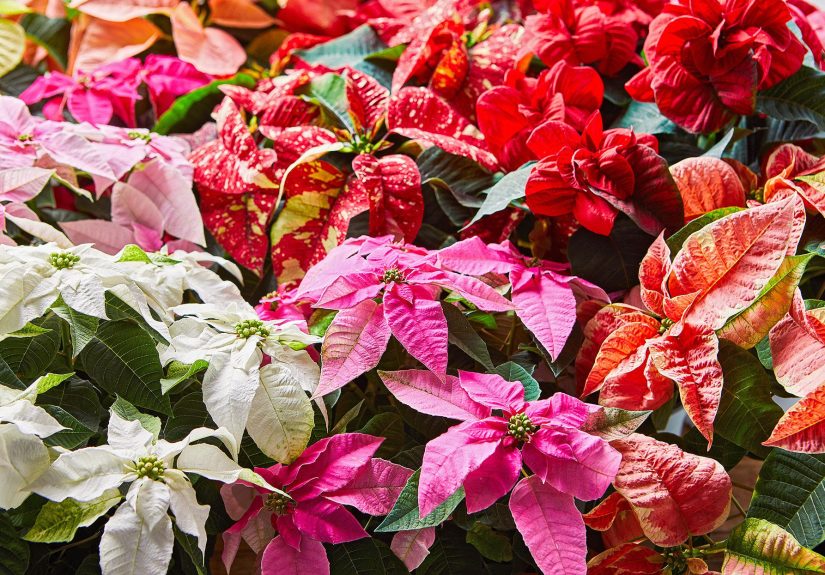
Poinsettias are tropical plants native to Mexico and Central America. Their botanical name is Euphorbia pulcherrima, which sounds fancy because it is. But what most people call the “flowers” are not flowers at all. The bright red, pink, white, cream, or speckled parts are modified leaves called bracts. The true flowers are the tiny yellow structures in the center.
That detail matters because it explains why poinsettias are grown and cared for differently than many flowering houseplants. Their beauty depends on leaf color, plant shape, and overall vigor, not just on blossoms. A healthy poinsettia should have rich green foliage, colorful bracts, and a full, balanced shape rather than a bare, lopsided look that says, “I survived the clearance rack, barely.”
How to Choose a Healthy Poinsettia
Good poinsettia care starts before you even get the plant home. Choosing a strong plant gives you a much better shot at success.
Look for these signs of a healthy plant:
- Deep green leaves all the way down the stems
- Bright, undamaged bracts with strong color
- Tightly clustered yellow flowers in the center
- No wilting, yellowing, or dropped leaves
- No mushy stems, standing water, or insect damage
Try to avoid poinsettias that are sitting near store entrances, drafty loading doors, or outside in cold air. These plants are sensitive to temperature shock. A poinsettia can look fine in the store and then begin dropping leaves after a short ride home if it gets chilled. If it is cold outside, have the plant sleeved or wrapped before transporting it. Yes, your poinsettia needs a coat.
How to Care for Poinsettias Indoors
Light: Bright but Not Brutal
Poinsettias like bright light indoors. A sunny east-, south-, or west-facing window usually works well, as long as the plant is not pressed against cold glass or blasted by harsh heat. Bright indirect light is often the safest choice, especially in a warm room.
If your poinsettia sits in a dim corner because it “looked festive there,” it may stay decorative for a little while, but it probably will not stay happy. Low light encourages leaf drop and weak growth. Give it several hours of good natural light daily, and rotate the pot every few days so it grows evenly instead of leaning like it is trying to escape.
Temperature: Think Cozy, Not Tropical Sauna
Poinsettias do best in typical indoor temperatures, especially when those temperatures stay steady. Aim for days around 60 to 70 degrees Fahrenheit and slightly cooler nights. What they do not enjoy are sudden swings, cold windows, blasting heat vents, fireplaces, space heaters, or drafty doors.
If your home has one room that feels stable, bright, and comfortable in a light sweater, that is probably your poinsettia’s favorite room too. Keep the plant away from spots where the temperature dips suddenly, because cold stress is one of the fastest ways to trigger leaf and bract drop.
Watering: The Most Important Skill
If poinsettias had a personal motto, it would probably be, “Do not drown me, but do not ignore me either.” Improper watering is the number one reason they decline indoors.
Water the plant when the surface of the soil feels dry to the touch or the pot feels lighter than usual. Then water thoroughly until moisture runs through the drainage holes. After that, let the excess drain away completely. Never leave the pot sitting in water, and never let decorative foil or outer sleeves trap water at the bottom. That turns the root zone into a swamp, and poinsettias are not swamp plants.
At the same time, do not let the plant dry out so completely that it wilts. Severe dryness can lead to curling leaves, browning edges, and sudden leaf drop. The goal is evenly moist but never soggy soil.
Humidity: Helpful but Not Complicated
Indoor winter air can be very dry, especially when the heat is running. Poinsettias appreciate a little extra humidity, though they do not need a spa treatment. A pebble tray, nearby humidifier, or simply grouping plants together can help. Avoid crowding the plant into a damp, stagnant corner, though, because good air circulation still matters.
Fertilizer: Wait Until the Show Is Over
Do not rush to fertilize a blooming poinsettia. During the holiday display period, fertilizer is usually unnecessary. Once the blooming period ends and you decide to keep the plant, you can begin feeding with a balanced houseplant fertilizer at reduced strength according to label directions. Light feeding during active growth is helpful. Heavy feeding is not.
Common Poinsettia Problems and How to Fix Them
Leaves Turning Yellow
Yellow leaves usually point to watering issues. Too much water is the most common cause, especially if the pot lacks proper drainage. Check whether water is trapped in the foil or saucer. Let the surface of the soil dry slightly before watering again.
Leaves Dropping Suddenly
This can happen from cold drafts, heat blasts, underwatering, overwatering, or sudden environmental changes. Poinsettias are creatures of habit. Move them gently, keep conditions stable, and do not treat them like a table centerpiece that gets shuffled from room to room every few days.
Wilting Even Though the Soil Is Wet
This is a red flag for root trouble. If the roots stay saturated too long, they can begin to rot. A poinsettia in soggy soil may wilt because damaged roots cannot move water properly. Reduce watering, improve drainage, and make sure the pot is never sitting in standing water.
Bracts Fading Too Fast
Too much heat, too little light, or general stress can shorten the display. Move the plant to a brighter location with cooler, more stable temperatures.
Can You Keep a Poinsettia After Christmas?
Absolutely. A poinsettia can be kept as a houseplant long after the holidays. In fact, many people keep theirs through winter and spring just for the green foliage. The real question is whether you want to keep it alive or make it rebloom. Keeping it alive is manageable. Reblooming it is possible, but it takes planning and a bit of dedication.
Spring Care
When the colorful bracts begin to fade and the plant looks less festive and more like it needs coffee, cut the stems back to about 4 to 6 inches. This encourages fresh new growth. Repot if needed into a container with good drainage and fresh potting mix.
Place the plant in a bright window and resume regular watering when the soil starts to dry. Once you see new growth, begin light fertilizing during the active growing season.
Summer Care
In warm weather, you can move the poinsettia outdoors after all danger of frost has passed. Start it in a protected, partly shaded spot and gradually acclimate it to more light. In many climates, morning sun and afternoon protection work well.
Pinch back the growing tips once or twice in summer to encourage a fuller, bushier plant. Without pinching, poinsettias can become lanky and awkward. Think of this as a haircut with a purpose, not plant bullying.
Fall Reblooming Routine
This is where poinsettia care becomes a commitment. Poinsettias are short-day plants, which means they need long, uninterrupted nights to trigger flowering and bract color.
Starting in early fall, usually around late September or early October, give the plant about 14 hours of complete darkness every night and bright light during the day. Complete means complete. A lamp, hallway light, television glow, or quick peek under the box can interrupt the process. If you are covering the plant, be consistent every single day for about 8 to 10 weeks, or until color develops well.
If this sounds fussy, that is because it is. But it works. Miss the darkness routine repeatedly, and your poinsettia may stay green and stubborn right through the holidays.
Can Poinsettias Grow Outdoors?
In frost-free or very warm climates, poinsettias can be grown outdoors as landscape plants. They prefer well-drained soil, warmth, and plenty of sun, though intense afternoon heat may require a little protection depending on the location. In cooler parts of the United States, they are usually treated as seasonal indoor plants or summer patio plants only.
If you place a potted poinsettia outside for summer, bring it back indoors before cool nights arrive. Temperatures below about 50 degrees Fahrenheit can damage the plant. Poinsettias are tropical by nature, so they do not consider “just a little chilly” to be charming.
Are Poinsettias Poisonous?
This is one of the most persistent myths about the plant. Poinsettias are not considered deadly, but they are not snack food either. Their sap can irritate the mouth, stomach, or skin, and pets may drool or vomit if they chew on the leaves. So while the plant is not the villain of holiday décor, it is still smart to keep it out of reach of curious kids and pets.
Also, if you are sensitive to latex, handle the milky sap with care when pruning. Gloves are a good idea.
Best Practices for Long-Lasting Poinsettias
- Place the plant in bright natural light
- Keep it away from drafts, heaters, and cold glass
- Water only when the soil starts to dry
- Drain thoroughly and never let the pot sit in water
- Skip fertilizer while the plant is blooming
- Prune and repot in spring if keeping long term
- Use pinching and a fall darkness routine for reblooming
Experiences Gardeners Commonly Have With Poinsettias
One of the most common experiences people have with poinsettias is assuming they are fragile, when they are really just sensitive to bad timing and inconsistent care. Someone brings home a gorgeous plant in December, sets it on a table by the front door because it looks perfect there, and then wonders why leaves start dropping a week later. The answer is usually not mystery disease. It is the constant blast of cold air every time the door opens. Poinsettias teach people very quickly that placement matters.
Another common experience is overwatering out of kindness. Many plant owners think more water equals more love, but poinsettias prefer a little discipline. A person sees one yellow leaf, assumes the plant is thirsty, waters again, and accidentally creates a root problem. Then the plant looks worse, which seems to confirm the idea that it needs even more water. This is the classic poinsettia spiral. Once gardeners learn to check the soil instead of watering on a fixed schedule, their success rate usually improves immediately.
People also learn that poinsettias can last much longer than expected. Many first-time growers are surprised when a well-cared-for plant still looks attractive in February or even March. That changes the way they see the plant. It stops being disposable décor and starts feeling like a real houseplant with a long season of interest. That shift is important because it encourages better care and more patience.
Then there is the reblooming experience, which is half gardening project and half personal test of character. Plenty of people decide in January that they are absolutely going to make their poinsettia turn red again next Christmas. By October, they are carrying a box back and forth over the plant every evening like it is a witness protection program for foliage. Some give up. Some forget a few nights. Some succeed and become unbearably proud, which, to be fair, they have earned.
Gardeners who do manage to rebloom a poinsettia often say the most useful lesson is consistency. Not brilliance. Not expensive supplies. Not secret fertilizer. Just consistency. The plant rewards simple routines: bright light, proper watering, timely pruning, steady feeding during growth, and complete darkness during the forcing period. It is a great reminder that many plants do not need dramatic interventions. They need us to stop improvising every three days.
There is also an emotional side to growing poinsettias. Because they are strongly linked with the holidays, people often remember who gave them the plant, what table it sat on, or which family gathering it was part of. Keeping one alive into the next year can feel surprisingly meaningful. It becomes more than a decorative plant. It becomes a living marker of a season, a memory, or a tradition. That may sound sentimental for a potted euphorbia, but plant people understand.
In practical terms, the experience of caring for poinsettias often makes people better indoor gardeners overall. You start noticing light patterns in your home. You learn what proper drainage really means. You become less likely to trust decorative foil and more likely to trust your fingertip in the soil. You also develop a healthy respect for houseplants that look cheerful in public but have very specific private demands.
So if your poinsettia thrives, great. If it reblooms, even better. And if it teaches you not to place tropical plants next to an icy window while watering them like a rice field, that is still a win. Every poinsettia has something to teach, even the dramatic ones.
Conclusion
Learning how to grow and care for poinsettias is mostly about understanding their rhythm. They want bright light, stable temperatures, careful watering, and excellent drainage. They do not want to sit in water, bake beside a heater, or freeze near a door. If you meet those needs, a poinsettia can stay attractive far beyond the holiday season.
And if you want to take the challenge one step further, you can keep it growing through spring and summer, then use a fall darkness routine to encourage fresh color for the next holiday season. It takes effort, but it is one of the most satisfying little victories in indoor gardening. Not bad for a plant many people assume is finished by New Year’s.