Table of Contents >> Show >> Hide
- Can You Really Grow Almonds at Home?
- What Almond Trees Need to Thrive
- Choosing the Right Almond Tree
- How to Plant an Almond Tree at Home
- How to Care for Almond Trees After Planting
- Pollination: The Step People Forget
- Common Pests and Diseases
- When and How to Harvest Almonds
- Common Mistakes Home Gardeners Make
- Is Growing Almonds at Home Worth It?
- Practical Experiences and Lessons from Growing Almonds at Home
- Conclusion
Growing almonds at home sounds wonderfully romantic, doesn’t it? You picture spring blossoms, a sun-drenched yard, and a basket of fresh nuts that somehow makes you feel like a frontier genius with excellent snack habits. The reality is a little less cinematic and a little more horticultural. Almond trees can absolutely be grown at home, but they are not “plant it and forget it” trees. They want sunlight, drainage, smart pruning, decent pollination, and a gardener who understands that early bloom is both their charm and their drama.
The good news is that if your climate cooperates and you choose the right tree, homegrown almonds are possible. Better yet, an almond tree is not just a nut factory. It is a gorgeous landscape tree with pale pink to white blooms, attractive branching, and serious springtime bragging rights. In this guide, you’ll learn how to grow almonds at home, what conditions matter most, how to plant and care for a tree properly, and what mistakes can turn your future almond harvest into a sad lesson in optimism.
Can You Really Grow Almonds at Home?
Yes, but only if you start with realistic expectations. Almonds are closely related to peaches, and they share some of the same strengths and weaknesses. They love warm, sunny conditions, dislike soggy roots, and bloom early enough to make late frosts a real nuisance. In the right location, though, they can be productive, beautiful, and surprisingly manageable for a home gardener.
The biggest question is not whether almonds are “easy.” It is whether your yard matches what the tree wants. If you live in a mild-winter, warm-summer area with good air drainage and low spring frost risk, you have a much better shot. If your springs are wildly unpredictable and your soil behaves like a swamp after every rain, almonds may turn into a hobby that teaches character rather than produces snacks.
What Almond Trees Need to Thrive
Plenty of Sun
If you want to grow almonds at home successfully, start with sunlight. Almond trees need a bright, open site and perform best in full sun. A tree tucked into a shady corner behind a garage is not “cozy.” It is annoyed. Give it at least six to eight hours of direct sun daily, and more is even better.
Well-Drained Soil
Drainage is non-negotiable. Almond roots do not like standing in wet soil, and poor drainage is one of the fastest ways to stress or kill a tree. Loamy soil is ideal, but a range of soils can work if water moves through them reasonably well. Heavy clay can be a problem unless you improve the site and avoid overwatering. The tree does not expect luxury, but it does expect its roots not to marinate.
Enough Space
An almond tree is not tiny. Standard trees need room for canopy spread, airflow, and sunlight penetration. Planting too close to fences, buildings, or other trees creates shade, encourages disease, and makes pruning awkward. If you have a small yard, your best strategy is to look for a grafted tree with a manageable growth habit and commit to regular pruning.
A Climate That Makes Sense
Almonds do best where winters are cool enough for dormancy and summers are warm and relatively dry. The catch is that almonds bloom early, so late frosts can wipe out flowers and reduce nut production. That means a location with good cold-air drainage is helpful. A gentle slope is often better than a frost pocket in a low-lying part of the yard. In plain English, don’t put your almond tree where cold air goes to sulk overnight.
Choosing the Right Almond Tree
Start with a Grafted Tree, Not a Pantry Almond
Could you try growing an almond tree from seed? Technically, yes. Should you rely on that for predictable nut production? Not really. For home gardeners, a grafted nursery tree is the smarter move because it gives you a known variety, a rootstock chosen for performance, and a faster path to production. Seed-grown trees can vary, take longer to bear, and may not deliver the nut quality you expected.
Self-Fertile vs. Cross-Pollinated Varieties
This part matters a lot. Many almond varieties are not self-pollinating, which means you may need a second compatible tree nearby for proper nut set. Some home gardeners choose self-fertile or self-compatible selections to keep things simple. That said, even self-fertile trees often perform better with another compatible bloomer nearby and with healthy bee activity in spring.
When shopping, ask the nursery three very specific questions: Is this variety self-fertile? What pollinator does it need if not? How large will it get on this rootstock? Those three questions can save you years of confusion and one very awkward conversation with a tree that flowers beautifully but never bothers making almonds.
How to Plant an Almond Tree at Home
Step 1: Pick the Best Location
Choose the sunniest site you have with good drainage and enough elbow room. Avoid places where water collects after storms. If the area stays wet long after rain, keep walking. That is not almond territory.
Step 2: Prepare the Soil
Clear weeds and grass from the planting area before planting. Work in organic matter if your soil is poor, but do not go overboard turning the planting hole into a luxury spa. The goal is to support root establishment, not create a little pocket of fluffy pampering that discourages roots from moving outward into native soil.
Step 3: Dig the Hole Properly
Dig a hole that is wider than the root spread or root ball, but not dramatically deeper. When planted too deep, almond trees struggle. Set the tree so the graft union stays a couple of inches above the final soil line. That little detail matters more than many new gardeners realize.
Step 4: Backfill and Water
Backfill with the original soil rather than dumping a buffet of fertilizer into the hole. Water thoroughly after planting to settle the soil around the roots. Add mulch around the root zone to conserve moisture and suppress weeds, but keep mulch pulled back from the trunk. Mulch against the trunk is how good intentions become trunk rot.
How to Care for Almond Trees After Planting
Water Deeply, Not Constantly
Young almond trees need regular watering while they establish. Mature trees are more drought-tolerant than many fruit trees, but they still perform better with thoughtful irrigation. The key is deep, infrequent watering rather than constant shallow sprinkling. Deep watering encourages roots to move downward and outward, while frequent light watering encourages laziness. Trees can be lazy too, apparently.
Watch the soil, not just the calendar. Hot, dry weather increases water demand. Cool periods and heavy soils reduce it. If the top layer looks dry but the deeper root zone is still moist, wait. If the soil dries too deeply during active growth, the tree will let you know through stress, poor nut sizing, and general disappointment.
Feed Carefully
Almond trees usually benefit from nitrogen once they begin active growth, but more fertilizer is not better. Excess nitrogen can push lush growth that is more vulnerable to disease and can complicate tree structure. A soil test is the gold standard, and if you are gardening like a person who enjoys accurate information, that is the move. If not, use a conservative fruit-tree fertilizer plan and avoid late-season overfeeding.
Train and Prune Early
Pruning matters a lot with almonds. Early training helps build a strong framework, often in an open-center or vase-like form that improves light penetration and airflow. That structure makes later maintenance easier and supports better fruiting wood. Mature pruning is less about hacking the tree into submission and more about renewing productive wood, controlling size, removing dead or diseased limbs, and keeping light moving through the canopy.
Skip random panic-pruning. A tree that gets butchered one weekend because it “looked busy” will not send you a thank-you note.
Protect the Blossoms
Because almonds bloom early, frost can be the biggest production spoiler in many home gardens. You cannot control the weather, sadly, but you can reduce risk by planting in a good site, choosing an appropriate variety, and avoiding low spots where cold air settles. A healthy, well-sited tree will always outperform a poorly placed tree that receives motivational speeches.
Pollination: The Step People Forget
If your almond tree flowers but does not set nuts, pollination is a prime suspect. Many almonds need cross-pollination from another variety that blooms at the same time. Even with self-fertile selections, bee activity improves results. That means you want a garden that welcomes pollinators and a spring spray routine that does not sabotage them.
Planting bee-friendly flowers nearby, avoiding unnecessary pesticide use during bloom, and making sure bloom times overlap are all simple, practical steps. Without pollination, those gorgeous blossoms are just floral theater.
Common Pests and Diseases
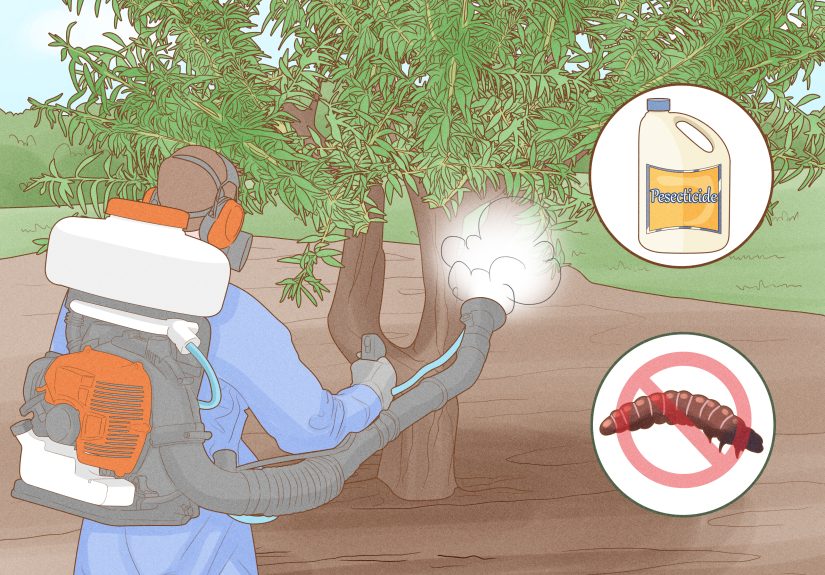
Almond trees can face the usual stone-fruit-style problems: fungal diseases, twig and blossom issues, and insect pressure that increases if trees are stressed or harvest is delayed. Problems such as brown rot, shot hole, hull rot, and worm damage are not unusual in almond-growing regions. Good sanitation, proper pruning, timely harvest, and local Extension guidance go a long way.
The best defense is not panic-buying every spray at the garden center. It is prevention. Keep the canopy open, avoid overwatering, clean up fallen debris, remove mummified nuts, and harvest promptly when nuts are ready. If disease pressure is common in your area, check your local Extension recommendations for home orchard spray timing. That gives you advice tailored to your climate instead of a random internet stranger yelling “Neem!” at everything.
When and How to Harvest Almonds
Almonds are usually ready when the hulls split and the shells inside are exposed. On most trees, hull split begins in the upper parts of the canopy and progresses downward. Once the majority of the hulls have split, it is time to harvest promptly. Waiting too long invites birds, insects, and quality loss.
For a home harvest, spread a tarp under the tree and knock the nuts down with a rubber mallet or a long pole. Remove the hulls, then dry the in-shell nuts in a protected, airy place until they are crisp and fully dry. Proper drying matters because storing nuts with too much moisture is a great way to grow regret instead of snacks.
Once dry, store almonds in a cool, dry place in sealed containers. For longer storage, refrigeration or freezing works well. Future-you will be thrilled.
Common Mistakes Home Gardeners Make
Planting in a Frost Pocket
Beautiful blossoms are useless if a cold snap zaps them every spring. Site selection is half the battle.
Ignoring Pollination Needs
One lonely tree of a non-self-fertile variety is often a decorative object, not a nut producer.
Overwatering
Almonds like moisture, but they do not want wet feet. Chronic overwatering causes more trouble than careful underwatering.
Letting the Tree Get Too Dense
A crowded canopy reduces light, encourages disease, and makes harvest harder. Prune with a plan.
Trying to Grow Almonds in the Wrong Climate
Not every tree belongs in every yard. Gardening becomes much more enjoyable when the plant and the place are actually compatible.
Is Growing Almonds at Home Worth It?
If your climate is suitable and you enjoy hands-on gardening, yes. Almond trees offer spring beauty, edible rewards, and the oddly satisfying feeling of producing a pantry staple in your own backyard. They do require planning and care, but they are not impossible. They are simply specific. And honestly, a tree with standards is often better than a plant that survives on neglect and vague optimism.
The smartest path is to choose a grafted tree, plant it in full sun, keep the soil well drained, manage pollination, prune thoughtfully, and harvest on time. Do those things consistently, and your odds of success go way up. Skip them, and your almond-growing journey may become an emotional support lesson in horticultural humility.
Practical Experiences and Lessons from Growing Almonds at Home
One of the most useful truths about growing almonds at home is that success usually comes from observation more than heroics. Many home gardeners start out thinking the hardest part will be planting the tree. It rarely is. The real challenge is learning the rhythm of the tree over the seasons. In year one, the tree mostly teaches patience. In year two, it teaches restraint. By year three, it starts teaching whether you actually chose a good site or just got emotionally attached to the sunniest-looking corner of the yard.
A common experience among backyard growers is surprise at how early almonds bloom. The flowers arrive looking delicate and optimistic, and for a few days everything feels magical. Then one cold night shows up like an uninvited relative and reminds you that timing matters. Gardeners who succeed long term often say the same thing: they stop thinking only about warmth and start thinking about air movement, frost drainage, and bloom timing. That shift in mindset changes everything.
Another lesson comes from watering. New growers often overdo it because they care, and caring frequently looks like standing outside with a hose and confidence. But almond trees reward consistency, not drama. Deep watering with time in between tends to build a sturdier tree than frequent shallow watering. Many gardeners notice that once they stop pampering the surface and start encouraging deeper roots, the tree becomes more resilient during summer heat.
Pollination is another real-world wake-up call. Plenty of people plant an almond tree because the nursery tag was charming and the blossoms were beautiful. Then the tree blooms, the bees seem moderately interested, and nut set is weak. Only later do they learn that their variety needed a pollinizer or would have produced more with a second compatible tree nearby. It is one of those gardening lessons that is slightly annoying, entirely preventable, and unforgettable once learned.
Pruning also becomes less intimidating with experience. At first, many home growers are afraid to remove too much wood, so they remove almost nothing. Then the canopy thickens, airflow drops, and the tree starts looking more like an unplanned chandelier than a productive fruit-and-nut tree. Over time, gardeners learn that thoughtful pruning is not punishment. It is communication. You are telling the tree where to focus its energy, how to hold light, and how to stay productive without becoming a tangled monument to indecision.
Perhaps the most encouraging experience is the harvest itself. Even a modest home crop feels strangely luxurious. Knocking mature almonds onto a tarp, peeling hulls, and drying the nuts gives the whole project a satisfying, old-school rhythm. It makes the tree feel less like landscaping and more like partnership. That is often the moment people decide the effort was worth it.
So if you decide to grow almonds at home, expect a few mistakes, a few surprises, and at least one season when the weather acts personally offended by your plans. That is normal. The gardeners who do well are not the ones with perfect conditions. They are the ones who keep learning, adjust their care, and understand that good gardening is usually a mix of science, timing, and stubborn hope.
Conclusion
Learning how to grow almonds at home is really about matching the right tree to the right place and then giving it smart, steady care. Almond trees are not ideal for every climate, but where conditions are favorable, they can reward you with spectacular bloom, useful shade, and a truly satisfying harvest. Start with a grafted variety, pay close attention to sun, drainage, pollination, and pruning, and treat the tree like a long-term investment rather than a weekend experiment. Do that, and your backyard may eventually become the source of the most satisfying handful of almonds you have ever eaten.