Table of Contents >> Show >> Hide
- Before You Start: What to Know About DIY Locs
- Method 1: Backcombing and Palm Rolling
- Method 2: Two-Strand Twists for Starter Locs
- How Long Does It Take for Starter Locs to Form?
- How to Maintain Locs After You Start Them
- Common Mistakes to Avoid
- Which DIY Method Should You Choose?
- Final Thoughts
- Real-World Experiences People Often Have When Starting Locs at Home
If you have ever looked in the mirror and thought, “You know what this haircut needs? A little commitment, a little texture, and a lot less brushing,” welcome. This guide walks you through how to give yourself dreadlocks at home using two beginner-friendly methods. And yes, before the internet police arrive, it is worth noting that many people prefer the term locs rather than dreadlocks. Both terms appear online, but “locs” is often considered the more respectful modern term.
The good news: you do not need a salon throne, a ring light, and six different mystical potions to get started. The less-fun news: starting locs takes patience. Lots of it. This is not an instant-noodle hairstyle. It is more like sourdough starter for your hair. You prep it carefully, leave it alone more than your instincts want, and trust the process while it looks slightly weird in the early phase.
Below, you will learn two simple ways to start locs on yourself, how to prep your hair, what tools to use, which method usually works best for different hair textures, and how to avoid the rookie mistakes that make people want to quit after three days and one humid afternoon.
Before You Start: What to Know About DIY Locs
Locs can be started on many hair textures, but they do not all behave the same way. Coily and tightly curled hair usually locks faster because the texture naturally holds onto itself more easily. Wavy or straight hair can absolutely form locs too, but it often takes longer and usually needs more hands-on maintenance in the beginning.
If your hair is very fine, chemically damaged, or breaking easily, slow down before starting. A tight style on fragile hair can make breakage worse. That is especially true around your edges and hairline, where tension tends to show up first. If your scalp already feels irritated, flaky, or tender, handle that first before beginning a loc journey.
Best Hair Length for Starting Locs
Technically, you can begin with shorter hair, but most people find the process easier when hair is at least 5 to 6 inches long. More length gives you more grip for sectioning, twisting, and rolling. It also helps the starter locs stay put instead of springing apart like they have their own agenda.
Supplies You Will Need
- Clarifying or residue-light shampoo
- Rat-tail comb for clean sections
- Sectioning clips
- Small hair ties or bands if needed
- Mirror setup for the back of your head
- Fine-tooth comb for backcombing
- Lightweight locking gel or product with minimal residue
- Satin or silk scarf or bonnet for nighttime protection
How to Prep Your Hair
Start with clean hair. That part is non-negotiable. You want hair that is free of heavy oils, thick creams, and leftover styling products. Product buildup may seem harmless at first, but it can get trapped inside young locs and become annoying later. Wash your hair well, rinse thoroughly, and dry it fully before you begin. Damp hair can make sectioning messy and can encourage uneven formation.
Then decide on section size. Smaller sections create smaller locs and usually give you more styling flexibility later. Larger sections create thicker locs and can look fuller sooner. The big rule is consistency. Random section sizes may feel artistic in the moment, but future-you may have opinions.
Method 1: Backcombing and Palm Rolling
This is one of the most common DIY methods for straight, wavy, and looser curl patterns. If your hair does not naturally coil tightly, backcombing gives the strands a head start by tangling them into a compact shape. Palm rolling then helps smooth and encourage that section into a loc.
Step 1: Create Clean Sections
Part your hair into even squares, rectangles, or diamonds. There is no universal “best” pattern, but neat sections usually make the finished look more intentional. Clip each section away from the others so you are not accidentally building one giant super-loc. That is a different lifestyle.
Step 2: Secure the Section if Needed
If your hair is slippery or loose-textured, use a small band at the root or end to help the section hold while you work. Do not pull it tight enough to hurt. Starter locs should not feel like your scalp is being interviewed under pressure.
Step 3: Backcomb from the Ends Toward the Root
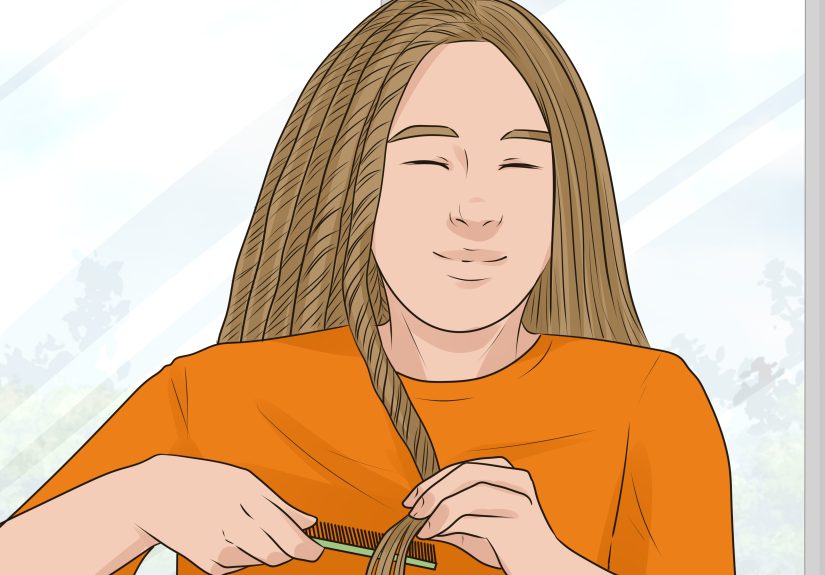
Take one section and hold it firmly. Using a fine-tooth comb, comb backward from the ends toward the scalp in short strokes. You are creating a compact, matted core inside the section. Keep going until the hair starts looking puffier, denser, and less likely to slide apart.
Step 4: Palm Roll the Section
Apply a tiny amount of lightweight product if needed, then roll the section between your palms in one direction. This helps shape the loc and smooth loose strands around the outside. Think “encourage,” not “attack.” Overworking the hair can cause breakage or make the locs unravel faster later.
Step 5: Repeat All Over Your Head
Yes, this takes time. Yes, your arms may become philosophical about it. Work methodically from the nape upward or from front to back so you do not lose track of your sections.
Who This Method Works Best For
- Straight hair
- Wavy hair
- Loose curls
- People who want more immediate visible structure
Pros and Cons
Pros: creates a more instant loc-like shape, works on textures that need extra help, and is easy to understand once you get the rhythm.
Cons: can be time-consuming, may feel rough on fragile hair if done aggressively, and usually requires more maintenance early on.
Method 2: Two-Strand Twists for Starter Locs
If your hair is curly, coily, or kinky, two-strand twists are one of the easiest and most popular ways to begin locs at home. This method gives you a clean starter style and lets the hair gradually mat and swell into locs over time. It is not flashy on day one, but it is beginner-friendly and lower drama.
Step 1: Section the Hair
Part the hair evenly just as you would for Method 1. Your sections become the blueprint for your future loc size, so take your time here. If the base is sloppy, the style usually follows.
Step 2: Add a Small Amount of Product
Use a light locking product only if you need a bit of grip. Avoid slathering on heavy waxes or thick grease. A starter loc should not feel like it was frosted like a cupcake.
Step 3: Split One Section Into Two Pieces
Take the section and divide it into two equal parts. Twist the two pieces around each other from root to end. Keep the tension snug enough to hold, but not so tight that your scalp feels sore.
Step 4: Roll the Ends
Twirl the ends around your finger or palm roll lightly to help the twist stay together. On some hair textures, a small coil naturally forms at the end. On looser textures, the ends may puff or loosen faster.
Step 5: Maintain and Wait
This method becomes locs gradually. At first, you will have twists. Then they begin to frizz, swell, and bud. This is normal. It is not failure. It is the hairstyle becoming itself.
Who This Method Works Best For
- Curly hair
- Coily hair
- Type 3 and Type 4 textures
- People who want a neater starter style
Pros and Cons
Pros: easier on textured hair, cleaner early appearance, simple to maintain, and beginner-friendly.
Cons: may unravel if overwashed or overhandled early on, takes time to mature, and the twist pattern can remain visible for a while.
How Long Does It Take for Starter Locs to Form?
This is the question everyone asks right after, “Why is the back of my head so hard to section?” The starter stage often lasts a few months, and the full journey to mature locs can take around 10 months to 2 years depending on texture, section size, routine, and how often you mess with them when you promised yourself you would not.
Tighter textures usually move faster. Looser textures often need more patience. Frizz, swelling, puffiness, and unevenness are all part of the process. Early locs are not supposed to look perfectly polished all the time.
How to Maintain Locs After You Start Them
Wash Regularly, But Gently
A clean scalp matters. Many experts recommend washing locs regularly rather than avoiding water forever like it is the enemy. The key is gentle cleansing and careful drying. In the very early stage, you may need to be extra cautious to avoid excessive unraveling, but you still want your scalp to stay healthy and free from buildup.
Dry Thoroughly
Locs hold moisture longer than loose hair, especially as they get denser. After washing, squeeze out excess water with a microfiber towel and allow enough time for complete drying. Going to bed with damp locs is a shortcut to that weird musty smell nobody wants.
Sleep Like You Respect Your Work
Use a satin or silk scarf, bonnet, or pillowcase. Cotton creates more friction and can dry the hair out. In plain English: protect your locs at night so you do not wake up looking like you wrestled a storm cloud.
Do Not Retwist Too Often
Neat roots are tempting, but frequent retwisting can stress the hair and scalp. A too-tight routine can lead to thinning, especially around the hairline. If your scalp hurts, looks shiny, or feels tender, that is a sign to back off.
Moisturize Lightly
Use lightweight hydration rather than thick residue-heavy products. A simple mist and a clean routine usually beat layering on ten products that your locs will collect like souvenirs.
Common Mistakes to Avoid
- Starting on dirty or product-coated hair: buildup gets trapped fast.
- Making sections wildly uneven: inconsistent parts lead to inconsistent locs.
- Using too much tension: your scalp should not hurt just because your hairstyle has ambition.
- Over-manipulating starter locs: touching them constantly slows the process and can cause unraveling.
- Ignoring scalp health: itching, flaking, or tenderness should not be brushed off.
- Expecting instant perfection: locs are a process, not a same-day furniture assembly.
Which DIY Method Should You Choose?
Pick backcombing and palm rolling if your hair is straight, wavy, or loosely curled and needs extra help forming a loc shape.
Pick two-strand twists if your hair is curly or coily and you want a lower-stress, more natural-looking starting method.
If you are unsure, consider doing a small test section first. That gives you a preview of how your hair responds before you commit your entire head to an experiment worthy of group-chat commentary.
Final Thoughts
Learning how to give yourself dreadlocks is part technique, part patience, and part accepting that your hair may enter an awkward phase before it becomes glorious. That is normal. The most successful DIY loc journeys usually come down to three things: clean sections, realistic expectations, and resisting the urge to “fix” your locs every five minutes.
Start with the method that fits your hair texture, keep your scalp healthy, avoid pulling too tightly, and give the style time to mature. If you hit a wall, a professional loctician can always help refine your parts, repair tension issues, or set you on a better maintenance schedule. There is no shame in calling in backup. Even superheroes need barbers.
Real-World Experiences People Often Have When Starting Locs at Home
One of the most common experiences people report is surprise at how different starter locs look from mature locs. Someone begins with neat little twists or carefully backcombed sections, expects an instant red-carpet result, and then meets frizz within days. That frizz can feel alarming at first, but it is one of the most normal parts of the process. New locs often expand before they settle, and many beginners say the hardest part is not the sectioning or even the arm workout. It is trusting a style that looks unfinished before it starts looking intentional.
Another common experience is realizing the back of the head is basically its own country. Plenty of people start confident, knock out the front sections beautifully, and then discover the rear sections are uneven, larger than planned, or mysteriously diagonal. That is why mirrors matter so much. Many at-home beginners eventually say they wish they had spent more time planning the parting pattern before they started twisting or backcombing. The shape and size of the sections influence the entire journey.
People with looser textures often describe the first few weeks as a lesson in humility. Hair that looked compact on day one may puff up, loosen at the ends, or seem to unravel right after the first wash. That does not necessarily mean the method failed. It usually means the hair texture needs more time, lighter maintenance, or a bit more structure. Some people end up loving the soft, slightly wild look of early locs. Others decide to get a professional retwist or maintenance session after their DIY start. Both outcomes are normal.
Those with coily or tightly textured hair often report a different challenge: not whether the hair will loc, but how to keep the roots neat without overdoing retwists. Many beginners love the clean look of a fresh root, but they quickly learn that constant manipulation can make the scalp sore or the hairline feel stressed. Over time, the more experienced voices usually say the same thing: healthy locs beat ultra-neat locs. A little frizz is often the price of keeping your hair strong.
Wash day is another big milestone. Some people are afraid to wash starter locs because they think water will undo everything. Then they eventually cleanse the scalp and realize clean hair feels better, smells better, and behaves better than a buildup-heavy routine. The real trick is drying thoroughly and not handling the locs like you are kneading bread dough.
Emotionally, the journey tends to come with a funny mix of pride and doubt. One day you feel iconic. The next day you wonder whether your hair is plotting against you. That swing is incredibly common. Over and over, people who stick with locs say the same thing: the style gets better when you stop trying to force it to look “finished” too early. Once patience replaces panic, the whole process becomes a lot more enjoyable.