Table of Contents >> Show >> Hide
- Why Eye Drops for Dogs Need a Little Strategy
- Before You Start: What You’ll Need
- How to Give Your Dog Eye Drops in 14 Steps
- Step 1: Confirm the prescription instructions
- Step 2: Wash your hands
- Step 3: Prepare the medication
- Step 4: Gently clean away discharge
- Step 5: Choose the right position for your dog
- Step 6: Stay calm and keep your dog close
- Step 7: Hold the bottle in your dominant hand
- Step 8: Support the head with your other hand
- Step 9: Create a pocket with the lower eyelid
- Step 10: Bring the bottle close, but do not touch the eye
- Step 11: Apply the prescribed number of drops
- Step 12: Let your dog blink
- Step 13: Reward immediately
- Step 14: Repeat carefully if needed and keep the schedule consistent
- Common Mistakes to Avoid
- What If Your Dog Refuses Eye Drops?
- When to Call the Vet Again
- Conclusion
- Real-Life Experiences: What Giving a Dog Eye Drops Actually Feels Like
- SEO Tags
Giving your dog eye drops sounds simple until you meet the starring actor in this drama: your dog, who suddenly behaves as if the bottle in your hand contains betrayal, taxes, and bath water. The good news is that most dogs can learn to tolerate eye medication, and many even become surprisingly cooperative once you stop turning the process into a wrestling match.
If your veterinarian has prescribed eye drops for an infection, corneal irritation, dry eye, allergies, glaucoma, or post-surgical care, technique matters. A sloppy approach can waste medication, stress your dog out, and make the next dose even harder. A calm, organized routine, on the other hand, can turn this from “mission impossible” into a quick daily task.
In this guide, you’ll learn exactly how to give your dog eye drops in 14 practical steps, plus the common mistakes to avoid, what to do if your dog fights the process, and when eye symptoms mean it is time to call the vet again. Let’s save your fingers, your dog’s dignity, and hopefully everyone’s blood pressure.
Why Eye Drops for Dogs Need a Little Strategy
Dog eyes are delicate, and many eye problems can worsen faster than pet owners expect. That is why veterinarians often prescribe topical medications on a strict schedule. In some cases, eye drops are only needed for a few days. In others, such as chronic dry eye or glaucoma, they may become part of your dog’s long-term routine.
The challenge is not usually the medication itself. It is the delivery system. Dogs blink, duck, wiggle, paw, back up, and occasionally transform into furry escape artists. The trick is to make the process predictable, gentle, and fast. You do not need magician hands. You just need a system.
Before You Start: What You’ll Need
- Your dog’s prescribed eye drops
- A clean washcloth, gauze pad, or cotton ball
- Warm water or sterile saline if your veterinarian recommended cleaning first
- Treats your dog actually cares about
- A helper, if your dog is strong, nervous, or exceptionally dramatic
- A towel or light blanket for small dogs who like to squirm
Also, read the label before you begin. That sounds obvious, but “one drop in the left eye twice daily” and “two drops in both eyes every eight hours” are not the same thing, and your dog would prefer that you not freestyle this part.
How to Give Your Dog Eye Drops in 14 Steps
Step 1: Confirm the prescription instructions
Before you touch the bottle, double-check which eye you are treating, how many drops to give, and how often to give them. If your dog takes more than one eye medication, make sure you know the correct order. In general, drops go in before gels or ointments, and different medications should be spaced apart rather than piled on all at once.
Step 2: Wash your hands
This is not glamorous, but it matters. Clean hands reduce the chance of contaminating the bottle tip or transferring bacteria to an already irritated eye. Dry your hands, too, so you are not fumbling a tiny bottle like it is a greased-up hot dog.
Step 3: Prepare the medication
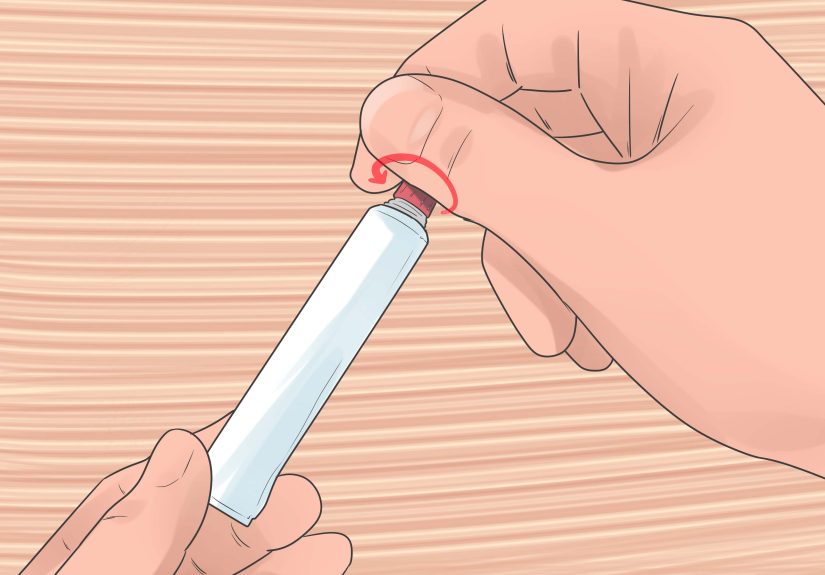
Check the bottle label for storage directions. Some eye medications need refrigeration; others do not. If the instructions say to shake the bottle, do that before you begin. Remove the cap and keep it somewhere clean. Get the bottle ready in advance so you are not trying to twist off the cap one-handed while your dog begins an interpretive dance routine.
Step 4: Gently clean away discharge
If there is crust, goop, or debris around the eye, wipe it away gently with a clean damp cloth, gauze, or cotton ball. Use warm water or sterile saline only if your veterinarian said it is appropriate. Do not scrub. You are cleaning the eye area, not detailing a windshield.
Step 5: Choose the right position for your dog
Position makes a huge difference. Small dogs may do best on a table, counter, or your lap, while larger dogs are often easier to medicate on the floor with you beside them. If your dog tends to squirm, wrap smaller dogs loosely in a towel with the head exposed. A helper can steady the body while you handle the drops.
Step 6: Stay calm and keep your dog close
Dogs read body language like professionals. If you approach the situation like a panicked squirrel, your dog will notice. Use a calm voice, slow movements, and keep your dog close to your body so they feel supported rather than cornered. This is especially helpful for anxious dogs and dogs already uncomfortable from eye pain.
Step 7: Hold the bottle in your dominant hand
Hold the bottle between your thumb and forefinger with the tip pointed downward. Rest the side of that hand on top of your dog’s head for stability. This is one of the smartest little tricks in the whole process because if your dog jerks suddenly, your hand moves with the head instead of accidentally poking the eye.
Step 8: Support the head with your other hand
Use your non-dominant hand to steady your dog’s head and support the muzzle or jaw. Gently lift the chin so the nose points slightly upward. You do not need your dog staring at the ceiling like they are pondering the universe. You just want the eye accessible and the head reasonably still.
Step 9: Create a pocket with the lower eyelid
Use your thumb or finger to gently pull down the lower eyelid, creating a small pouch. This lower-lid pocket is your target zone. It is often easier and less intimidating than trying to land a drop directly on the eyeball, especially if you are new to this or your dog has zero interest in helping.
Step 10: Bring the bottle close, but do not touch the eye
Hold the bottle just above the eye, close enough to aim accurately but not so close that the tip touches the eye, eyelids, lashes, skin, or fur. Touching the tip can contaminate the medication and may hurt your dog. If you miss, that is annoying. If you touch the eye, that is worse.
Step 11: Apply the prescribed number of drops
Squeeze the exact number of drops into the lower-lid pouch or onto the eye surface, depending on your veterinarian’s instructions. In most cases, one drop is enough. More is not usually better; it often just rolls out of the eye and down your dog’s face like expensive tears.
Step 12: Let your dog blink
Release the eyelid and let your dog blink naturally. Blinking helps spread the medication across the surface of the eye. Some dogs will blink a few times, squint briefly, or paw at the face right after. Mild reaction can be normal. Dramatic protest is also, frankly, not rare.
Step 13: Reward immediately
The moment you are done, praise your dog and offer a treat, toy, or whatever reward makes them feel like this was not the worst event in modern history. Positive reinforcement helps build cooperation over time. Even dogs who dislike eye drops can learn that the process predicts something good afterward.
Step 14: Repeat carefully if needed and keep the schedule consistent
If you completely miss the eye, try again calmly. If you gave the drop successfully, do not keep adding more “just in case.” Recap the bottle right away, store it properly, and stick to the prescribed schedule. If your dog is on multiple eye medications, wait the recommended interval between them. Consistency is what helps the treatment work.
Common Mistakes to Avoid
Using human eye drops without veterinary guidance
Do not reach into your medicine cabinet and improvise. Human eye drops are not automatically safe for dogs, and some products can be harmful or simply inappropriate for the condition.
Letting the bottle tip touch the eye
This is one of the biggest mistakes pet owners make. It can contaminate the medication and may scratch or irritate the eye.
Skipping doses because your dog “seems better”
Eye conditions can look improved before they are actually resolved. Stopping too soon may allow the problem to flare up again, and in some conditions, that can happen fast.
Giving medications back-to-back with no spacing
If your dog uses more than one eye medication, stacking them immediately one after another can dilute the first dose. Give each medication time to stay where it belongs.
Turning the process into a wrestling match
If every session ends in frustration for both of you, pause and rethink the setup. Use a helper, change locations, practice handling without medicating, or ask your veterinarian to demonstrate a better technique.
What If Your Dog Refuses Eye Drops?
Some dogs are not stubborn. They are scared, painful, or confused. A dog with an ulcer, infection, or severe inflammation may guard the face because the area hurts. That does not mean you are doing something wrong. It means the dog needs more support.
Try practicing “fake sessions” with no medication involved. Touch the chin, lift the head gently, hold the bottle nearby, reward, and stop. Repeat until your dog starts to relax. Cooperative care behaviors, such as a chin rest on your hand or a stool, can make eye care dramatically easier over time. If your dog still cannot tolerate treatment, call your veterinarian. Some pets need a second person, a different medication format, or temporary calming support.
When to Call the Vet Again
Contact your veterinarian promptly if your dog’s eye looks more red, cloudy, swollen, or painful after the drops, or if there is increasing discharge, persistent squinting, pawing at the eye, or signs of vision trouble. Also call if you cannot administer the medication as directed. An eye problem that goes untreated can become a bigger issue quickly.
Urgent veterinary attention is especially important if the eye is suddenly cloudy, the pupil looks unusual, the eye seems bulging, the dog cannot open the eye, or there was trauma. Eyes are not a “wait and see for a week” body part.
Conclusion
Giving your dog eye drops is not exactly how most people imagine bonding with their pet, but it can become manageable with the right method. The secret is preparation, gentle restraint, clean technique, and fast rewards. Read the label, steady your hand, create the lower-lid pouch, avoid touching the bottle tip to the eye, and stay on schedule. Most importantly, keep the process calm. Dogs remember patterns, and the more predictable and positive you make this routine, the easier it gets.
So yes, your dog may still give you the offended side-eye afterward. That is part of the job. But with practice, the whole process can go from chaos to competence in under a minute, which is a win for your dog, your vet, and your sanity.
Real-Life Experiences: What Giving a Dog Eye Drops Actually Feels Like
The first time many dog owners try eye drops, they expect a neat little medical moment. What they get is a crash course in canine opinions. One owner with a beagle described the bottle cap coming off as the exact moment her dog suddenly became suspicious of democracy, gravity, and her motives. The first attempt missed entirely. The second landed on the eyelashes. The third worked, and that tiny victory felt like winning a gold medal in household veterinary gymnastics.
Another common experience comes from owners of small companion breeds, especially dogs with long facial hair. A Shih Tzu or Lhasa Apso with an irritated eye may already have damp fur, crusting, and a serious attitude problem before treatment even starts. Owners often say that once they began cleaning the eye gently first and keeping the facial hair out of the way, everything got easier. What seemed like resistance to the drops was sometimes simple discomfort from dried discharge pulling at the skin.
Owners of larger dogs tell a different story. With Labs, Goldens, and shepherd mixes, the challenge is usually not aggression but momentum. A sixty-pound dog does not need to fight you very hard to make a precise eye-drop landing impossible. Many people say the breakthrough came when they stopped leaning over the dog and instead sat beside the dog on the floor or used a helper to steady the chest and shoulders. Suddenly, the dog no longer felt trapped, and the owner no longer felt like they were trying to medicate a moving sofa.
There is also the emotional side. Some owners feel guilty because their dog looks at them with deep personal disappointment after each dose. That is normal. Dogs are excellent at facial expressions, and some are Oscar-worthy. But owners also report that routines help a lot. When eye drops happen in the same place, in the same order, followed by the same treat, many dogs begin to cooperate because they understand what comes next. One senior spaniel with dry eye reportedly ran to the kitchen at medication time because cheese always followed. Was he enthusiastic about the drops? Absolutely not. Was he enthusiastic about the cheddar? Deeply.
Perhaps the most reassuring experience owners share is this: it gets easier. Not always instantly, and not always perfectly, but easier. The hand position becomes natural. The bottle stops feeling awkward. The dog stops reacting as if the process is a medieval insult. Even dogs who remain mildly annoyed often become more tolerant once the inflammation starts improving and the eye no longer hurts as much. That is the part many people do not realize at first. Sometimes the dog is not fighting the technique. The dog is telling you the eye is tender. Once the medication starts working, cooperation improves because comfort improves.
So if the first few attempts feel clumsy, you are not failing. You are having the same experience thousands of dog owners have had before you. Breathe, reset, use good technique, reward generously, and remember that “not elegant but effective” still counts as success.