Table of Contents >> Show >> Hide
- What Is the Mediterranean Diet, Really?
- Why So Many People Want to Follow It
- The Main Rule: Build Meals Around Plants
- Choose Healthy Fats Without Going Overboard
- Eat Fish More Often, Red Meat Less Often
- Make Beans and Lentils Your Secret Weapon
- Pick Whole Grains More Often Than Refined Grains
- Load Up on Vegetables Without Making It Weird
- What to Drink on the Mediterranean Diet
- Foods to Limit, Not Obsess Over
- A Simple Mediterranean Diet Plate Formula
- How to Start Without Overhauling Your Entire Life
- A One-Day Example Menu
- Common Mistakes People Make
- Experiences People Commonly Have When Following the Mediterranean Diet
- Final Thoughts
- SEO Tags
If your idea of “healthy eating” involves sadness, dry chicken, and the emotional support of a plain rice cake, the Mediterranean diet is here to improve your mood. This way of eating is less about strict rules and more about building meals around real, satisfying food: vegetables, fruit, beans, whole grains, nuts, olive oil, seafood, and simple meals that do not require a chemistry degree to prepare.
The Mediterranean diet is often praised because it is practical, flexible, and refreshingly human. It does not demand that you ban entire food groups, count every crumb, or pretend you are thrilled about eating steamed kale for dessert. Instead, it encourages a balanced, plant-forward pattern that can support heart health, metabolic health, and overall well-being when followed consistently.
So how do you actually follow the Mediterranean diet in real American life, where the grocery aisle contains seventeen kinds of chips and your schedule may be powered by caffeine and good intentions? Let’s break it down into clear, realistic steps.
What Is the Mediterranean Diet, Really?
The Mediterranean diet is not one single menu from one single country. It is a style of eating inspired by traditional food patterns in Mediterranean regions, especially meals centered on plants, healthy fats, legumes, seafood, herbs, and minimally processed ingredients. In plain English: more real food, less ultra-processed stuff.
At its core, the Mediterranean diet emphasizes:
- Vegetables and fruits
- Beans, lentils, and chickpeas
- Whole grains like oats, brown rice, farro, barley, and whole-wheat pasta
- Nuts and seeds
- Olive oil as a primary added fat
- Fish and seafood regularly
- Moderate amounts of yogurt, cheese, eggs, and poultry
- Smaller amounts of red meat, processed meat, sweets, and sugary drinks
This eating pattern also tends to favor simple cooking methods, shared meals, and a more relaxed relationship with food. It is not a “cheat-day” culture. It is more of a “let’s roast vegetables, drizzle olive oil, and move on with our lives” culture.
Why So Many People Want to Follow It
People are drawn to the Mediterranean diet because it is easier to live with than many trendy diets. It is not built around extremes. You are not told that carbs are villains, fat is terrifying, or joy is illegal. Instead, the diet works by improving the overall quality of what you eat most often.
That means more fiber from beans, vegetables, fruits, and whole grains. It means healthier unsaturated fats from olive oil, nuts, seeds, and fish. It also means less reliance on foods that are heavy in saturated fat, added sugar, excess sodium, and refined ingredients.
Just as important, the Mediterranean diet can fit many goals. Some people use it to improve their everyday eating habits. Others use it as a more sustainable approach to weight management. Many people simply want a healthier routine that does not feel like punishment. That is where this diet shines.
The Main Rule: Build Meals Around Plants
If you remember only one thing, remember this: in the Mediterranean diet, plants are the main event, not the garnish.
Instead of asking, “What meat am I having tonight?” try asking, “What vegetables, beans, or grains are the base of dinner?” That mindset shift changes everything. Meat can still appear, but it stops acting like the star of every plate.
Here is what that looks like in practice:
- A grain bowl with brown rice, roasted vegetables, chickpeas, feta, and olive oil
- Whole-wheat pasta with tomatoes, spinach, white beans, garlic, and a sprinkle of Parmesan
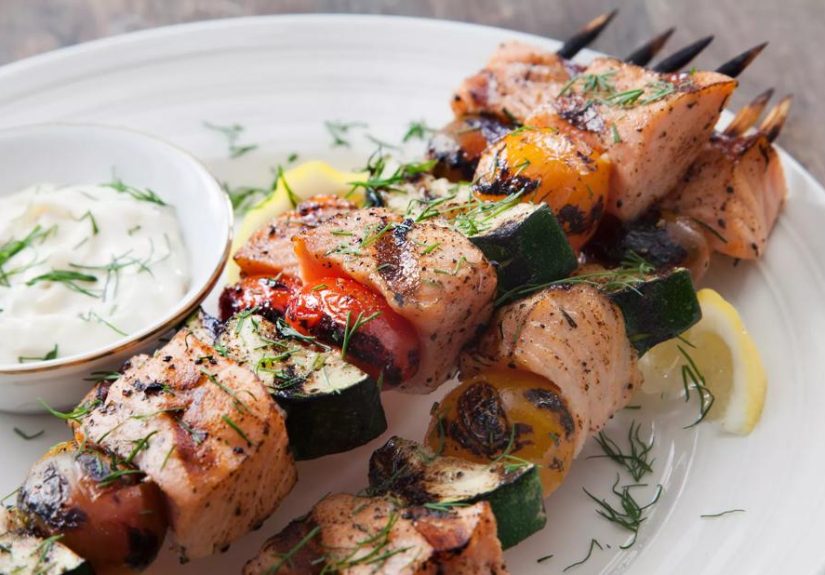
- Grilled salmon with a cucumber-tomato salad and farro
- Lentil soup with whole-grain toast and fruit
Notice the pattern? The plate is colorful, fiber-rich, and satisfying. Nobody is nibbling celery while staring into the void.
Choose Healthy Fats Without Going Overboard
One of the hallmarks of the Mediterranean diet is the use of olive oil instead of solid fats like butter or shortening. Extra-virgin olive oil is especially popular for dressings, drizzling, and low-to-medium heat cooking, while other liquid vegetable oils can also fit into a heart-smart kitchen.
But let’s keep it real: “healthy fat” does not mean “pour with reckless abandon.” Olive oil, nuts, seeds, olives, and avocado are excellent foods, but portions still matter. A Mediterranean diet is balanced, not soaked.
A smart approach is to use healthy fats to replace less healthy ones. Swap butter for olive oil in roasted vegetables. Trade a creamy bottled dressing for olive oil and lemon. Snack on a small handful of nuts instead of a pastry that tastes like regret.
Eat Fish More Often, Red Meat Less Often
The Mediterranean diet usually includes fish and seafood on a regular basis, while red meat is more occasional. Fish like salmon, sardines, trout, tuna, and mackerel are commonly recommended because they offer protein along with beneficial fats.
You do not need to become someone who fillets a sea bass while listening to opera. Start simply. Keep canned tuna or salmon in the pantry. Buy frozen fish for quick weeknight dinners. Add shrimp to a vegetable stir-fry. Toss sardines onto whole-grain toast if you are feeling bold and vaguely European.
Red meat does not have to disappear forever. It just moves from everyday staple to occasional guest appearance. Think smaller portions and fewer appearances each week. Processed meats like bacon, sausage, hot dogs, and deli meats should also become less common.
Make Beans and Lentils Your Secret Weapon
If the Mediterranean diet had a quiet overachiever, it would be legumes. Beans, lentils, and chickpeas are affordable, filling, versatile, and loaded with fiber and plant protein. They help make meals satisfying without relying on a giant piece of meat.
If you are new to them, begin with easy wins:
- Add chickpeas to salads
- Use black beans in tacos or burrito bowls
- Stir white beans into soup or pasta
- Make lentil stew for lunch leftovers
- Blend hummus for snacks or sandwiches
Canned beans are perfectly fine. Just rinse them if you want to reduce some of the sodium. Your Mediterranean diet does not require a rustic clay pot and a grandmother named Sofia, though that would be excellent for atmosphere.
Pick Whole Grains More Often Than Refined Grains
Whole grains are another major piece of the puzzle. They provide more fiber and nutrients than refined grains and help meals feel more substantial. Good choices include oats, quinoa, barley, brown rice, bulgur, farro, whole-grain bread, and whole-wheat pasta.
This does not mean every grain in your life must be perfect. It means shifting the balance. If you usually eat white bread, try a hearty whole-grain loaf. If your dinner routine is white rice five nights a week, swap in brown rice or farro a couple of times. Progress counts.
Load Up on Vegetables Without Making It Weird
Vegetables are central to the Mediterranean diet, but they do not have to be raw, plain, or boring. In fact, they often taste best when they are cooked with olive oil, garlic, lemon, herbs, tomatoes, onions, or broth.
Some easy ways to eat more vegetables:
- Roast a sheet pan of broccoli, cauliflower, carrots, or zucchini
- Add spinach or kale to soup, pasta, or eggs
- Keep salad ingredients ready in the fridge
- Build sandwiches with extra vegetables, not just a heroic leaf of lettuce
- Use vegetables as a side dish at both lunch and dinner
The goal is not perfection. The goal is frequency. If vegetables show up often enough, they stop feeling like a special event and start becoming normal.
What to Drink on the Mediterranean Diet
Water is the simplest everyday choice. Sparkling water, unsweetened tea, and coffee can also fit for many people. Sugary drinks, on the other hand, are not doing your Mediterranean goals any favors.
Some traditional versions of the Mediterranean diet mention wine with meals for adults who already drink. But alcohol is not required, not necessary for health, and definitely not the magic ingredient. You can follow the Mediterranean diet beautifully with water and a lemon wedge like the organized legend you are.
Foods to Limit, Not Obsess Over
The Mediterranean diet is not about fear. It is about priorities. Foods that are typically limited include:
- Red and processed meat
- Fried foods
- Sugary drinks
- Commercial pastries and desserts
- Highly processed snacks
- Meals loaded with cream sauces, excess salt, or refined grains
Notice the word limit, not banish to another dimension. You can still enjoy dessert or takeout sometimes. The Mediterranean diet works best when your everyday pattern is solid, not when your food rules become exhausting.
A Simple Mediterranean Diet Plate Formula
If you like clear structure, use this easy formula for lunch and dinner:
- Half the plate: vegetables
- One quarter: whole grains or starchy vegetables
- One quarter: beans, lentils, fish, seafood, eggs, or poultry
- Add: olive oil, herbs, nuts, seeds, or a small portion of cheese or yogurt
For breakfast, think similarly: build around fiber, healthy fat, and protein. Oatmeal with walnuts and berries works. Greek yogurt with fruit and seeds works. Whole-grain toast with avocado and eggs works. A frosted pastry the size of a throw pillow is probably not the Mediterranean gold standard.
How to Start Without Overhauling Your Entire Life
The fastest way to fail is to attempt a complete kitchen makeover in one weekend and then order fries out of emotional exhaustion. A better strategy is to make a few high-impact changes first.
Start with these beginner moves:
- Use olive oil instead of butter more often
- Add one bean-based meal each week
- Eat fish once or twice a week
- Replace one refined grain with a whole grain
- Keep fruit visible and easy to grab
- Make vegetables a standard side at dinner
- Swap sugary drinks for water or unsweetened options
That is enough to get real momentum. Once those habits feel normal, build on them.
A One-Day Example Menu
Breakfast: Oatmeal topped with blueberries, chopped walnuts, cinnamon, and a spoonful of plain Greek yogurt.
Lunch: Quinoa salad with chickpeas, cucumber, cherry tomatoes, parsley, feta, olive oil, and lemon.
Snack: Apple slices with almond butter.
Dinner: Baked salmon, roasted Brussels sprouts, and farro with garlic and herbs.
Dessert: Fresh fruit, or a small square of dark chocolate.
That is Mediterranean eating in a nutshell: balanced, flavorful, and realistic.
Common Mistakes People Make
1. Turning it into an olive-oil free-for-all
Yes, olive oil is central. No, your salad should not require a lifeguard.
2. Forgetting protein
Plant-forward does not mean nutritionally vague. Include beans, lentils, fish, yogurt, eggs, or poultry so meals are satisfying.
3. Buying “Mediterranean” packaged junk
If a cracker claims it is Mediterranean because the box has a picture of an olive branch, stay alert. Marketing is not a food group.
4. Ignoring portion size
Nuts, cheese, bread, and olive oil are great, but they still count. A balanced plate matters.
5. Expecting instant transformation
This is a long-game eating pattern. The benefits come from consistency, not from one salad on a Tuesday.
Experiences People Commonly Have When Following the Mediterranean Diet
One of the most interesting things about the Mediterranean diet is how ordinary it starts to feel after a few weeks. At first, many people assume they are “going on a diet,” which sounds dramatic and mildly unpleasant. But what they often experience instead is a change in routine that feels more natural than expected.
In the first week, the biggest adjustment is usually practical, not philosophical. People realize they need different groceries. Instead of building meals around frozen pizza, drive-thru food, or whatever snack is yelling the loudest from the pantry, they start stocking olive oil, beans, greens, fruit, yogurt, fish, nuts, and whole grains. This can feel awkward at first. There is often a moment of standing in the produce aisle thinking, “Am I really buying fennel?” The answer is optional. You do not need fennel to succeed.
By the second or third week, many people report that meals feel more filling than expected. That is usually because fiber, protein, and healthy fats tend to work together better than a random collection of refined carbs and sugary snacks. A lunch built around lentils, vegetables, olive oil, and whole grains tends to hold up much better than a vending-machine masterpiece.
Another common experience is that taste buds begin to recalibrate. Foods that once seemed “plain” start tasting better, especially when people learn how much flavor can come from garlic, lemon, herbs, tomatoes, onions, vinegar, and olive oil. Fruit starts tasting sweeter. Heavily processed foods may begin to taste overly salty, greasy, or strangely fake. This is not magic. It is just what happens when your normal baseline changes.
Social situations are usually less stressful than people expect. The Mediterranean diet is flexible enough to work at restaurants, family dinners, and weekend gatherings. People often learn to make better choices without acting like the food police. They order grilled fish instead of something fried, choose a salad or vegetables on the side, or split dessert instead of treating the meal like a competitive event.
There can also be a learning curve. Some people miss convenience foods. Others discover they were depending on red meat or takeout more than they realized. A few struggle with planning. The Mediterranean diet is simple, but it does reward a little preparation. Washing produce, cooking grains ahead of time, or keeping canned beans in the pantry can make the difference between success and eating crackers over the sink at 9 p.m.
Over time, many people say the best part is not feeling “on a diet” anymore. They feel like they are just eating better. Their meals look colorful, their grocery cart makes more sense, and their routine becomes easier to maintain. That is probably the most valuable experience of all: the Mediterranean diet often feels less like a short-term fix and more like a way of eating you can actually live with.
Final Thoughts
If you want to follow the Mediterranean diet, do not aim for culinary perfection or some fantasy version of yourself who wakes at dawn to grill sardines beside a tomato vine. Aim for a better pattern. Eat more plants. Use healthy fats wisely. Choose fish, beans, and whole grains more often. Cut back on heavily processed foods, red meat, and added sugar. Build meals that are simple, satisfying, and repeatable.
That is the real secret. The Mediterranean diet is not powerful because it is trendy. It is powerful because it is sustainable. And in nutrition, sustainable usually beats dramatic every single time.