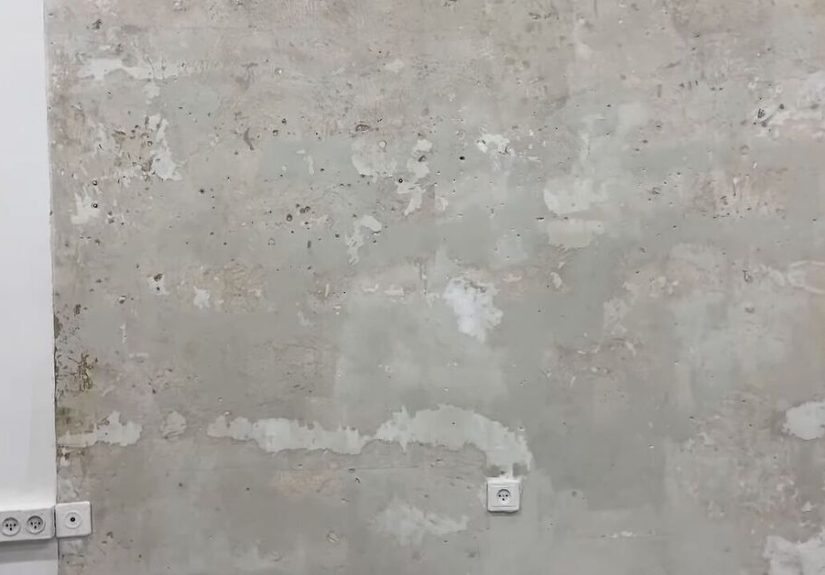
Table of Contents >> Show >> Hide
- First: What “Exposed Concrete” Actually Means
- The Zero-Dollar Plan: How to Source Materials and Tools for Free
- Before You Start: Three Reality Checks (That Save Projects)
- Method 1: If You Already Have a Concrete WallMake It an Accent Wall (For Real)
- Method 2: Faux Concrete Finish with Joint Compound (The “Everyone Can Do This” Method)
- Method 3: Salvaged “Concrete-ish” Cladding (When You Find Free Panels)
- Troubleshooting: Because Walls Have Opinions
- Design Tips That Make It Look Like You Paid Someone
- Conclusion
- Experiences and Lessons DIYers Commonly Report (500+ Words of Real-World Flavor)
You want that “converted warehouse loft” vibethe moody, minimal, slightly gritty wall that makes your couch look like it has a creative director.
But you don’t want to pay for microcement, specialty panels, or a contractor named “Vince” who charges by the sigh.
Good news: you can get the industrial exposed-concrete look for zero dollars if you’re willing to do two things:
(1) get resourceful and (2) accept that your arms may file a complaint.
This guide walks you through multiple legitimate pathsreal concrete (best case), faux concrete finishes (most common),
and salvage hacks (most fun). You’ll get step-by-step instructions, tool-borrowing strategies, and “please don’t do this”
warnings that were clearly written by someone who has seen a wall go sideways.
First: What “Exposed Concrete” Actually Means
Option A: You already have real concrete (the unicorn scenario)
If your home has a poured concrete wall (common in basements, some condos, garages, or certain modern builds),
the “accent wall” might already existyou just need to clean it up and seal it. That can be genuinely free if you already
have basic supplies.
Option B: You fake it convincingly (the practical scenario)
Most interior walls are drywall, not structural concrete. So the goal becomes a concrete-inspired finish:
matte, softly mottled, slightly imperfect, with shallow trowel marks and tonal variation. The trick is layering:
texture first, then color, then restraint (the hardest part).
Option C: You “clad” it with salvaged stuff (the scavenger scenario)
You can also skin a wall using reclaimed materials (cement board, old panels, leftover tile backer, etc.).
This can look wildly industriallike your wall has a backstory and a minor podcast deal.
The Zero-Dollar Plan: How to Source Materials and Tools for Free
“For free” doesn’t mean “magically appears in your living room.” It means you use what you have, borrow what you need,
and rescue leftovers that other people are thrilled to stop storing.
Where free materials actually come from
- Buy Nothing / neighborhood gifting groups: request leftover joint compound, primer, gray paint, trowels, rollers, drop cloths, sanding blocks.
- Friends who recently renovated: drywall mud and half-used paint cans are basically a love language.
- Contractors / handymen you know: many have leftovers they can’t return (be polite, ask small).
- Job-site leftovers (only if offered): never take anything without permission. “Free” should not include “mildly illegal.”
- Re-use ecosystems: Habitat ReStores aren’t always free, but they’re a great way to find near-free tools and materials if your “free” plan needs a $5 safety valve.
How to get tools without buying them
- Borrow from neighbors (return them clean; be the hero of your block).
- Check public tool-lending programs (some library systems lend tools the way they lend books).
- Ask in local groups for a “tool swap weekend”you’ll be shocked how many people own a 12-inch drywall knife and no longer remember why.
Before You Start: Three Reality Checks (That Save Projects)
1) Moisture: the silent mood-killer
Concrete looks cool. Trapped moisture does not. If your wall is in a basement or near plumbing,
do a basic moisture check: tape a piece of plastic to the wall for 24 hours. If you see condensation
or dampness, solve moisture first (dehumidifier, drainage, ventilation) before sealing or coating.
2) Dust: treat it like it’s not your friend
Sanding drywall compound makes fine dust. Grinding real concrete can create even nastier dust.
Ventilate, wear eye protection, and use a proper mask/respirator when sanding. Also: cover everything.
Dust finds electronics the way toddlers find silenceinstantly and with intent.
3) Older homes: don’t play games with mystery paint
If your home is older (especially pre-1978 in the U.S.), assume painted surfaces could contain lead.
Use lead-safe practices: minimize sanding, contain dust, clean thoroughly, and consider professional testing
if you plan to disturb a lot of painted area.
Method 1: If You Already Have a Concrete WallMake It an Accent Wall (For Real)
This is the cleanest path to “industrial” because it’s not pretending. You’re simply making existing concrete look intentional.
The vibe you’re chasing is clean, matte, and quietly dramatic.
What you need (often already on hand)
- Broom or shop vac (borrow if needed)
- Warm water + mild cleaner
- Scrub brush
- Patch material for small holes/cracks (cement patch or an appropriate filler)
- Optional: clear, low-odor sealer (only if you can source it free; otherwise skip)
Steps
- Clean thoroughly. Remove dust, cobwebs, and anything greasy. Let it dry fully.
- Patch obvious defects. Fill holes and stabilize crumbling spots. Let repairs cure as directed.
- Decide your “imperfection level.” Industrial style tolerates flawsjust not loose material.
- Seal (optional). A breathable sealer can reduce dusting and make the wall easier to wipe. If you don’t have sealer, it’s still a valid accent walljust don’t rub against it in a white shirt.
Pro tip: Use lighting to your advantage. Side lighting (a floor lamp placed near the wall) emphasizes texture and makes concrete look intentional.
Method 2: Faux Concrete Finish with Joint Compound (The “Everyone Can Do This” Method)
This is the go-to technique because joint compound (drywall mud) can mimic the subtle troweled texture of concrete,
especially when you layer tones and keep the sheen low. If you can frost a cake badly, you can do this well.
Free materials checklist (mix and match)
- Joint compound (leftover pre-mix is easiest; powdered also works if you can mix it)
- Gray paint (any flat/matte interior paint in the gray family; multiple shades are a bonus)
- Primer (optional but helpful on glossy walls)
- Tools: wide drywall knife (10–14 inches), smaller putty knife, a cheap roller, mixing bucket
- Texture helpers: sponge, rag, old t-shirt, plastic putty knife (for softer marks)
- Sanding: fine sanding sponge or 220-grit paper (light touch only)
Step-by-step: the concrete-look recipe
Step 1: Prep like you mean it
- Remove outlet covers and tape off trim.
- Clean the wall (dust and oils make texture slide).
- Patch major dents and sand high spots.
- If the wall is glossy, scuff-sand lightly or prime (whatever you can source for free).
Step 2: Mix your “mud” for workable texture
You want joint compound that spreads smoothly but holds soft peaks.
If it’s too stiff, add a small splash of water and mix. If you have leftover paint,
you can mix a little into the compound to create tinted batches (useful for depth).
Make two to three tones if you can: a darker gray, a mid gray, and a light gray.
Concrete rarely reads as one flat colorits charm is the variation.
Step 3: Lay down the base coat
- Roll a thin layer of compound onto a 3–4 sq ft area (fast coverage).
- Immediately smooth it with your wide knife at a shallow angle.
- Don’t aim for perfectaim for “calmly uneven.”
Step 4: Create trowel movement (the part that sells it)
While the base is still workable, drag your knife in overlapping passes.
Change direction occasionally: mostly vertical strokes with some diagonal cross-movement looks natural.
Avoid repeating the same shape like a wallpaper pattern.
If you see harsh ridges, gently knock them down with the knife edge. You’re building shallow texture, not mountain ranges.
Step 5: Layer tones for real concrete depth
- Dab small patches of your darker batch randomly (less is more).
- Feather edges with the clean knife so it blends, not blobs.
- Add mid and light tones the same waythink “clouds,” not “camouflage.”
Step 6: Let it dry (and don’t poke it)
Drying time depends on thickness and humidity, but plan on at least overnight.
If your finish is thick, give it a full day. Touch it too early and you’ll leave fingerprints that look like a raccoon investigation.
Step 7: Sand lightly, only where needed
Use a fine sanding sponge to knock down sharp bits. Do not sand the whole wall smoothtexture is the point.
Wipe dust with a damp microfiber cloth.
Step 8: Add a soft “concrete wash” (optional, but makes it look expensive)
If you have leftover paint, make a watery glaze: a small amount of paint plus water.
Brush it on in sections, then wipe back with a rag. This tints the valleys and leaves highlights,
creating that natural mottling concrete is famous for.
Step 9: Seal or don’t sealchoose based on your wall’s job
In low-traffic areas (like behind a bed), you can often skip sealing. If it’s a hallway, kid-zone,
or anything that will be touched a lot, a clear matte sealer helps with durability and wipeability.
If you can’t source sealer for free, consider leaving it unsealed and accepting a “living finish” that gets better with time.
Three texture styles that read “industrial” (not “craft project”)
- Subtle trowel: shallow, overlapping strokes, minimal peaks. Cleanest modern look.
- Board-form whisper: add faint horizontal passes that suggest formwork lines (very lightthis can go wrong fast).
- Weathered patchwork: slightly more tonal variation, like an old studio building wall.
Method 3: Salvaged “Concrete-ish” Cladding (When You Find Free Panels)
Sometimes you score materials that are practically begging to become an accent wall: cement board off-cuts,
leftover fiber-cement panels, or reclaimed sheets that have that raw, industrial vibe.
This path can be extremely convincingjust remember that heavier panels need secure attachment and safe handling.
What can work
- Cement backer board pieces (seamed intentionally for an industrial grid look)
- Reclaimed paneling that can be refinished with a concrete-look skim coat
- “Oops” or leftover gray paints to unify the surface
Pro move: embrace seams as a design feature. Straight, consistent seams can look like architectural panelsespecially with matte finishes.
Troubleshooting: Because Walls Have Opinions
Problem: Cracking
Small hairline cracks can happen if the compound layer is too thick or the substrate flexes.
Fix: skim a thin coat over the crack, feather wide, and keep future layers thinner.
Problem: It looks like stucco, not concrete
Concrete texture is usually shallower than stucco. Fix: sand down peaks, then add a paint wash for depth instead of more texture.
Problem: The color looks flat or “painted”
Concrete rarely looks like one uniform gray. Fix: add a thin glaze in a slightly warmer or cooler gray and wipe it back.
Variation is your friendjust keep it subtle.
Problem: Too shiny
Industrial concrete is typically matte to low-sheen. Fix: use flat/matte paint for any washes, and avoid glossy sealers.
Design Tips That Make It Look Like You Paid Someone
- Pick the right wall: a wall with fewer cutouts (doors/windows) reads more “architectural.”
- Limit competing textures: let the concrete wall be the starkeep adjacent walls simpler.
- Use contrast: black metal frames, warm wood, leather, and plants all pop against gray texture.
- Lighting is half the finish: warm bulbs soften gray; side lighting reveals texture.
Conclusion
A “free” industrial exposed concrete accent wall is totally doableespecially if you treat it like a
community-powered project: borrow tools, rescue leftovers, and build the finish in calm, thin layers.
Whether you’re sealing real concrete or creating a faux concrete skim coat, the formula is the same:
prep well, texture lightly, vary tones, and keep the sheen low.
The result is a wall that looks intentional, modern, and just a little rebelliouslike it listens to vinyl records
and owns at least one perfectly broken-in hoodie.
Experiences and Lessons DIYers Commonly Report (500+ Words of Real-World Flavor)
People who try the “free concrete wall” route usually discover the same hilarious truth: the wall might be free,
but your patience is the real currency. The most common experience is spending the first day not “building the wall,”
but hunting for the ingredients like you’re on a scavenger hunt designed by an interior designer with a sense of humor.
Someone will offer you half a bucket of joint compound, but it’s from 2019 and has the consistency of marshmallow fluff.
Another person will donate gray paint… that turns out to be slightly purple in daylight. This is normal. Industrial style is basically
the art of making “imperfect inputs” look intentional.
On application day, beginners often start too heavy. The first instinct is: “More compound = more concrete.”
Then the compound takes forever to dry, the texture gets dramatic (in the wrong way), and sanding becomes a full cardio session.
The folks who end up happiest usually shift gears after the first section: they thin the compound a touch, apply
two lighter passes instead of one thick one, and suddenly the wall looks less like a pastry experiment and more like a loft.
A common “aha” moment is realizing that concrete texture is subtlemost of the realism comes from
tone variation, not deep grooves.
Another shared experience: the wall looks underwhelming until the very end. Midway through, it can look chalky,
too light, or strangely uniform. This is where many DIYers panic and overwork it. The better move is to let it dry,
then use a diluted paint wash (made from whatever leftover paint exists in your universe) and wipe it back.
That wash settles into low spots, softens transitions, and creates that mottled “cement” depth that reads as real from across the room.
People often describe this step as the moment the wall goes from “DIY project” to “wait, did you hire someone?”
The funniest consistent lesson is about lighting. DIYers will spend hours perfecting texturethen turn on an overhead light
that flattens everything. A simple floor lamp pushed close to the wall can make the same finish look ten times richer.
Many end up repositioning lighting after the fact, because side lighting shows off the texture like it’s on a runway.
In other words: sometimes the cheapest “upgrade” isn’t more materialsit’s moving a lamp three feet to the left.
Finally, there’s the social experience: once you start asking for free materials, people get weirdly invested.
Neighbors offer tools you didn’t know existed. Someone’s uncle appears with a 14-inch drywall knife like a wizard arriving at the exact right time.
And when you share a progress photo, you’ll get a mix of encouragement and unsolicited advice (some helpful, some… spiritual).
The DIYers who enjoy the process most tend to treat it like a collaboration: gather what you can, test a small patch,
and accept small “happy accidents” as part of the industrial aesthetic. Concrete, after all, is basically a material that became cool
because it refuses to be perfectly uniformso your wall doesn’t have to be either.