Table of Contents >> Show >> Hide
- Why scar care matters
- 1. Protect scars from the sun
- 2. Moisturize regularly
- 3. Consider silicone gel or silicone sheets
- 4. Avoid picking, scratching, or harsh scrubbing
- 5. Massage the area if a clinician says it is appropriate
- 6. Watch for signs that a dermatologist could help
- 7. Treat the emotional side as part of healing
- 8. Set boundaries around personal questions
- 9. Build a recovery-friendly routine
- 10. Get support quickly if urges return
- What healing often looks like in real life
- Conclusion
Scars can carry a lot of emotion. For some people, they are a reminder of a painful season. For others, they bring up worry, shame, awkward questions, or the exhausting feeling of wanting their skin to “move on” faster than healing really works. The hard truth is that scars do not follow a neat little schedule. The good news is that skin can improve over time, and so can the way a person feels about it.
This guide focuses on healthy, realistic ways to care for self-harm scars, support skin healing, and protect emotional well-being. It is not about covering things up to avoid help. It is about choosing safe scar care, setting boundaries, and finding support while recovery happens one ordinary day at a time. Healing is rarely dramatic. Most of the time, it looks like sunscreen, moisturizer, patience, honest conversations, and getting through Tuesday without turning it into a crisis.
Why scar care matters
Scar tissue is different from the skin around it. It can be more sensitive, more likely to change color in the sun, and slower to soften. Some scars flatten and fade over time. Others stay raised, darker, lighter, or more noticeable. Genetics, skin tone, the depth of the injury, and how the area heals all affect the final result.
Good scar care does not erase the past, but it can improve comfort, texture, and appearance. Just as important, it can help a person treat their body with more gentleness. That matters. Recovery often starts long before anyone feels “fully better.” Sometimes it starts with one small decision: taking care of skin instead of fighting with it.
1. Protect scars from the sun
One of the simplest and most effective ways to help scars fade is sun protection. Healing skin is especially vulnerable to discoloration. UV exposure can make scars look darker, redder, or more noticeable for longer.
Use a broad-spectrum sunscreen with SPF 30 or higher on exposed areas. Reapply when needed, especially outdoors or after sweating. Clothing that covers the area can also help protect healing skin. Sun safety may not sound glamorous, but it does more for long-term scar appearance than many trendy miracle products with fancy packaging and suspiciously confident promises.
2. Moisturize regularly
Dry skin can make scars feel tighter, itchier, and rougher. A gentle, fragrance-free moisturizer helps support the skin barrier and can improve overall comfort. Creams or ointments are often more effective than lightweight lotions for dry or healing areas.
The goal is consistency, not perfection. Applying moisturizer once or twice a day can help the skin stay more flexible and comfortable. Pick something simple and non-irritating. This is not the moment for a product that smells like birthday cake and contains enough active ingredients to start a chemistry fair.
3. Consider silicone gel or silicone sheets
Silicone-based scar products are widely used for managing scars, especially raised scars. Silicone gel and silicone sheets may help improve texture and flatten some scars over time when used consistently.
They are not magic, and results are gradual, but they are among the better-supported over-the-counter options for scar care. Follow product directions, keep the area clean, and stop using the product if irritation develops. If a scar is still new, irritated, or not fully healed, it is best to check with a medical professional before starting treatment.
4. Avoid picking, scratching, or harsh scrubbing
When scars itch or feel strange, it can be tempting to scratch, pick, or scrub the area. Unfortunately, that can make irritation worse and slow healing. It can also increase pigmentation changes or lead to more visible texture differences.
Gentle cleansing is enough. Use mild soap, lukewarm water, and a soft towel. No aggressive exfoliation. No “let me just attack this with a scrub and positive thinking.” Skin generally responds better to patience than punishment.
5. Massage the area if a clinician says it is appropriate
Once a scar is fully healed, gentle scar massage may help soften tissue and improve flexibility in some cases. This is more common with thicker or tighter scars. The key phrase here is fully healed. Massage should not be done on open, tender, or inflamed skin.
A clinician or dermatologist can explain whether massage makes sense for a specific scar and show how to do it safely. Done properly, it can be part of a healthy scar-care routine. Done too early or too aggressively, it can irritate the area instead.
6. Watch for signs that a dermatologist could help
Some scars respond well to home care. Others need more specialized treatment. A dermatologist may recommend options such as prescription topicals, steroid injections for raised scars, laser treatments, or other procedures depending on the scar type and skin tone.
That does not mean everyone needs a big medical plan. It simply means there are evidence-based options when scars are uncomfortable, raised, itchy, or especially distressing. A professional can help sort out what is realistic, what is safe, and what is mostly marketing with a side of expensive disappointment.
7. Treat the emotional side as part of healing
Scar care is not only about skin. For many people, the emotional impact is the heavier part. Worrying about who will notice, what they might say, or how to respond can be draining. Some people feel shame. Some feel numb. Some feel frustrated that they are “supposed” to be over it already. Recovery rarely follows that kind of tidy timeline.
Talking to a therapist, counselor, school counselor, doctor, or trusted adult can help. Emotional support matters because scars can trigger thoughts and feelings even when the skin itself is stable. Taking care of mental health is not extra credit. It is part of the assignment.
8. Set boundaries around personal questions
You do not owe everyone your story. If someone asks a personal question, it is okay to use a simple response such as, “I’d rather not talk about that,” or, “I’m focusing on my health right now.” A person can be private without being rude.
Boundaries reduce pressure. They also make daily life easier, especially at school, work, family events, or social gatherings. Having one or two prepared phrases can prevent that awful deer-in-headlights moment when someone gets too curious and your brain suddenly leaves the building.
9. Build a recovery-friendly routine
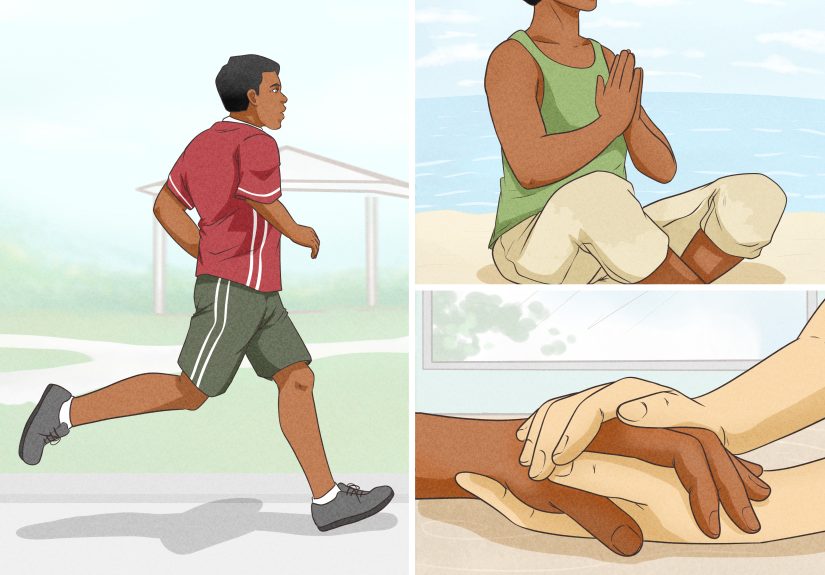
Healthy routines support both skin healing and emotional stability. That includes sleep, regular meals, hydration, movement, stress management, and follow-up care if a person is already working with a therapist or doctor. None of these things make someone instantly cheerful and transformed into a wellness influencer by next Thursday. But together, they help create steadier ground.
Journaling, art, music, breathing exercises, or spending time with supportive people can also help during hard moments. The goal is not to become perfect. The goal is to have safer ways to cope when feelings get loud.
10. Get support quickly if urges return
If thoughts of self-harm are returning, the most important step is reaching out as early as possible. That might mean telling a trusted adult, contacting a mental health professional, or calling or texting a crisis line in your country. Early support can make a huge difference.
If there is immediate danger or a risk of acting on those urges, contact emergency services right away or go to the nearest emergency room with a trusted person. Safety comes first. Skin care can wait. Sunscreen is helpful, but it is not a crisis counselor.
What healing often looks like in real life
People often imagine healing as one inspiring movie montage: a sunrise, a meaningful playlist, one tear rolling down the cheek, and suddenly everything is different. Real healing is usually much less cinematic. It is repetitive, sometimes boring, and often uneven.
One week, a person may feel stronger and more hopeful. The next week, they may feel embarrassed, tired, or unexpectedly upset by a comment, a memory, or the sight of their own skin. That does not mean they are failing. It means healing has layers. Skin changes slowly, and emotions tend to wander around like they forgot why they entered the room.
Many people also struggle with the gap between how they look on the outside and how they feel on the inside. A scar may be fading while self-judgment stays loud. Or the opposite may happen: someone feels more emotionally stable but still hates how visible the scar seems. Both experiences are common. Neither means recovery is fake.
Another real-life challenge is navigating other people. Some friends are supportive. Some say the wrong thing while trying to be helpful. Some notice too much. Some notice nothing and somehow that feels weird too. This is why boundaries matter. Short, practiced responses can make social situations less exhausting. So can identifying one or two people who are safe to text when emotions start spiraling.
There is also the quiet grief that can come with recovery. People do not always talk about that part. Letting go of harmful coping behaviors can feel like losing something familiar, even when it was hurting you. That feeling can be confusing. A person may genuinely want to heal and still miss the old pattern. That does not make them broken. It makes them human. Brains get attached to familiar survival strategies, even bad ones.
Over time, many people begin to experience something subtler than confidence: neutrality. They stop checking the scar every five minutes. They stop building the whole day around whether anyone will see it. They stop expecting a dramatic emotional reaction every time they catch sight of it. That quiet shift can be a huge win. Not every recovery milestone needs confetti.
It can also help to redefine progress. Progress is not “I never have a hard day.” Progress can be “I used a coping skill.” Progress can be “I made a dermatologist appointment.” Progress can be “I told someone the truth.” Progress can be “I kept going.” Those wins count, even when they are not flashy enough for a motivational poster.
Some people eventually choose treatments to reduce the appearance of scars. Others focus more on emotional recovery than cosmetic changes. Many do both. There is no single correct path. The healthiest approach is usually the one that protects safety, respects the body, and supports long-term well-being.
If this topic feels personal, the biggest takeaway is simple: you deserve care, not secrecy. You deserve treatment that is safe, support that is kind, and a future that is bigger than a difficult moment or a mark on your skin. Healing may be slower than you want, messier than you expected, and less glamorous than the internet promised. But it is still possible, and it is still worth choosing.
Conclusion
Self-harm scars can affect both the body and the mind, which is why healthy care needs to address both. Sun protection, moisturizer, silicone products, gentle skin care, and professional treatment can support scar healing over time. At the same time, emotional support, boundaries, and early help for returning urges are just as important. Recovery is not about pretending nothing happened. It is about choosing safer care, steadier support, and a kinder relationship with your body, one step at a time.